Are you wondering whether to choose 195 or 205 tires for your vehicle? The right tire size can make a big difference in how your car handles, how comfortable your ride feels, and even how much fuel you use.
Picking between 195 and 205 tires might seem simple, but there’s more to it than just the numbers on the sidewall. You’ll discover how these two tire sizes compare, what benefits each offers, and which one fits your driving style best.
Keep reading to make sure your next tire choice is the perfect match for your needs.
Credit: www.classiczcars.com
Tire Width Basics
Tire width plays a key role in vehicle performance and safety. It affects grip, handling, and ride comfort. Choosing between 195 and 205 tires means understanding their size differences. Let’s explore what these numbers mean and how they impact your driving experience.
What 195 And 205 Mean
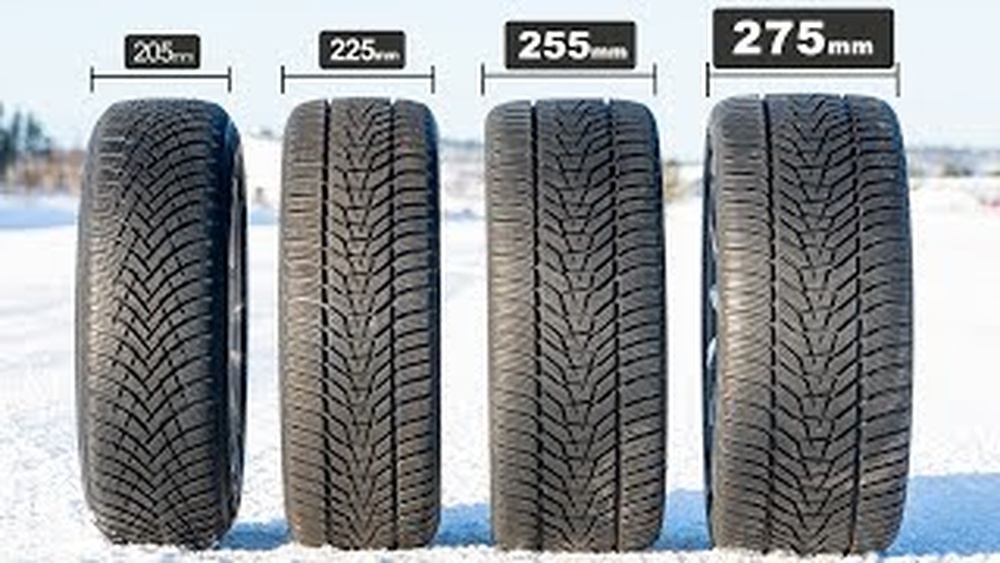
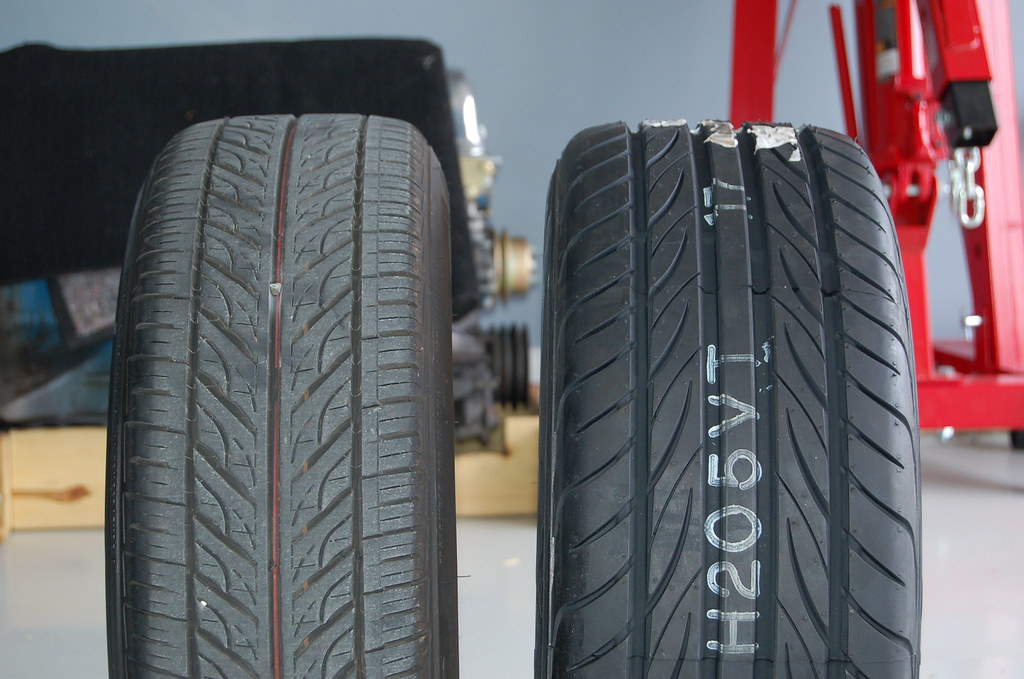
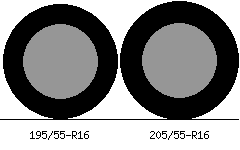
The numbers 195 and 205 refer to tire width in millimeters. A 195 tire is 195 millimeters wide from sidewall to sidewall. A 205 tire is 10 millimeters wider, measuring 205 millimeters across. This small difference changes how the tire touches the road and how the car drives.
Impact On Tire Footprint
Tire footprint is the part of the tire that touches the road. A wider tire like the 205 has a larger footprint. This gives better traction and stability during turns and braking. A narrower 195 tire has a smaller footprint. It may offer less grip but can improve fuel efficiency and ride comfort. The footprint size affects how the car handles different road conditions.
Performance Differences
Choosing between 195 and 205 tires affects your vehicle’s performance on the road. The size difference might seem small but it changes how your car drives. These tires impact acceleration, handling, and braking differently. Understanding these effects helps you pick the right tire for your needs.
Acceleration And Handling
195 tires have less surface touching the road. This means less grip during acceleration. Your car might feel lighter and faster at first.
205 tires offer more road contact. They provide better traction, especially when turning corners. This improves handling and keeps your car stable on curves.
Smaller tires like 195 often reduce rolling resistance. That can slightly boost fuel efficiency and quick starts. Larger 205 tires can feel heavier but give more control.
Braking Efficiency
Braking depends on tire grip and road contact. 205 tires have a wider footprint than 195 tires. This wider surface helps reduce stopping distance.
195 tires may take longer to stop on wet or slippery roads. The narrower width lowers the grip during sudden braking.
205 tires also distribute braking force better. This makes braking smoother and safer. Wider tires improve stability under hard braking conditions.
Grip And Traction
Grip and traction are key factors in tire performance. They affect how your car handles and stops on different surfaces. Choosing between 195 and 205 tires often comes down to these qualities. The width of the tire plays a big role in grip and traction. Wider tires usually provide a larger contact area with the road. This can improve grip but may also impact fuel efficiency and ride comfort.
Dry Road Grip
On dry roads, wider 205 tires offer better grip than 195 tires. The extra width increases the contact patch with the pavement. This helps your car stay stable during sharp turns and quick maneuvers. Wider tires spread the car’s weight more evenly, reducing slippage. Drivers notice better control and confidence on dry surfaces with 205 tires.
However, 195 tires still provide decent grip for everyday driving. They are lighter and often more fuel-efficient. For casual drivers, 195 tires offer a balance between grip and economy. The choice depends on your driving style and road conditions.
Wet And Snow Conditions
In wet or snowy conditions, tire tread design matters as much as width. Wider 205 tires can sometimes struggle more in deep water or snow. This is due to less pressure per square inch, which may reduce the tire’s ability to cut through water or snow. It can increase the risk of hydroplaning on wet roads.
On the other hand, 195 tires often have better traction in slippery conditions. Their narrower profile concentrates pressure on a smaller area. This helps the tire grip the road better in rain or snow. Proper tread patterns and tire quality also play a crucial role in safety during bad weather.
Ride Comfort And Noise
Ride comfort and noise are key factors when choosing between 195 and 205 tires. These tires affect how your vehicle feels and sounds on the road. Small differences in tire size can change your driving experience. Understanding these changes helps you pick the right tire.
Impact On Suspension
195 tires are narrower and lighter. They put less stress on the suspension system. This often means a softer ride over bumps. The suspension absorbs shocks well, leading to less vibration inside the car.
205 tires are wider and heavier. They can cause more strain on suspension parts. This may lead to a firmer ride, especially on rough roads. You might feel more road bumps and vibrations.
Tire Noise Levels
195 tires usually create less road noise. Their smaller contact patch means less sound from the tire-road interaction. This results in a quieter cabin during drives.
205 tires have a larger contact area. This can produce more tire noise on highways and rough surfaces. Noise levels rise as the tire tread rubs more against the road.
Fuel Efficiency And Wear
Choosing between 195 and 205 tires affects fuel use and how fast tires wear out. Smaller tires often use less fuel because they weigh less and have less friction. Larger tires might wear out slower but can increase fuel use. Understanding these details helps pick the best tire for your needs.
Rolling Resistance Effects
Rolling resistance means how hard tires push against the road. Lower rolling resistance saves fuel. 195 tires usually have less rolling resistance. They need less energy to roll, so cars use less fuel.
205 tires are wider, which can increase rolling resistance. More tire touching the road means more friction. This may cause the engine to work harder and use more fuel.
Tread Life Comparison
Tread life shows how long tires last before wearing out. 205 tires often have longer tread life. Their wider size spreads out the wear more evenly.
195 tires may wear out faster because they have less surface area. But tread life also depends on tire quality and driving habits. Regular checks and maintenance help tires last longer.
Fitment And Compatibility
Tire size affects how well your vehicle performs and fits. Choosing between 195 and 205 tires means checking fitment and compatibility. These factors ensure safety, handling, and comfort. Understanding wheel and rim needs plus clearance is key.
Wheel And Rim Requirements
195 tires need narrower wheels than 205 tires. The 195 size works best on rims 5.5 to 7 inches wide. The 205 tire fits rims 6 to 7.5 inches wide. Using the wrong rim width can cause tire wear or damage. Check your vehicle’s manual for rim size limits. Proper rim width keeps the tire seated well and stable.
Clearance And Suspension Considerations
205 tires are wider, so they need more space inside the wheel well. Some cars with small wheel wells may rub against the tires. Suspension parts like springs and shocks must allow enough tire clearance. Turning radius can also change with wider tires. Inspect clearance carefully to avoid damage or poor handling. Adjustments may be needed for the best fit.
Cost And Availability
Choosing between 195 and 205 tires often depends on cost and availability. Both sizes have their own price range and market presence. These factors affect your buying decision and ease of replacement.
Understanding price differences and common tire models helps you pick the right option.
Price Differences
Generally, 195 tires are slightly cheaper than 205 tires. The smaller width means less rubber, lowering production cost. This price gap varies by brand and tire type. Budget tires show a smaller price difference. Premium tires can have a bigger gap due to materials and technology used. Check local stores and online shops for current prices. Seasonal sales and promotions also impact costs.
Common Tire Models
Both 195 and 205 tires are widely available. Popular brands like Michelin, Goodyear, and Bridgestone offer multiple models in these sizes. 195 tires often appear in compact and economy cars. 205 tires fit midsize and some sportier vehicles. Models include all-season, summer, and winter tires. Availability depends on your location and demand. Some specialty tires may be harder to find in either size.

Credit: www.youtube.com
Choosing The Right Tire Size
Choosing the right tire size is important for your vehicle’s safety and performance. Tires affect how your car handles, brakes, and rides on the road. The size difference between 195 and 205 tires may seem small but it can impact your driving experience. Understanding your needs helps you pick the best tire size for your vehicle.
Consider your driving style and the type of vehicle you have. These factors guide your choice between 195 and 205 tires. This way, you get the right balance of comfort, grip, and fuel efficiency.
Driving Style Preferences
Your driving habits shape the kind of tires you need. If you drive mostly in the city with gentle turns, 195 tires can be a good fit. They offer good fuel economy and smooth rides on paved roads.
For those who enjoy sporty driving or need better traction on curves, 205 tires provide extra grip. The wider contact patch improves handling and stability at higher speeds. This size suits drivers who want more control and confidence on the road.
Vehicle Type And Usage
The type of vehicle also affects tire choice. Smaller cars often use 195 tires because they fit well and keep the ride smooth. These tires help maintain good fuel efficiency and easy maneuvering.
Larger vehicles or those carrying heavier loads may benefit from 205 tires. The wider tires support more weight and improve traction on different road surfaces. Trucks, SUVs, and crossovers often perform better with this tire size.
Credit: www.tacomaworld.com
Frequently Asked Questions
What Is The Main Difference Between 195 And 205 Tires?
The main difference is tire width; 195 tires are narrower than 205 tires. This affects grip, handling, and fuel efficiency.
Which Tire Size Offers Better Fuel Efficiency, 195 Or 205?
Generally, 195 tires provide better fuel efficiency due to lower rolling resistance. Narrower tires reduce drag and improve mileage.
Do 205 Tires Improve Vehicle Handling Compared To 195 Tires?
Yes, 205 tires offer better handling and stability. The wider contact patch increases grip on the road, especially during cornering.
Can I Replace 195 Tires With 205 Tires On My Car?
You can replace 195 with 205 tires if your vehicle allows it. Always check manufacturer specifications for compatibility and safety.
Conclusion
Choosing between 195 and 205 tires depends on your needs. Narrower tires offer better fuel efficiency and smoother rides. Wider tires provide more grip and stability, especially in corners. Consider road conditions and driving style before deciding. Always check your vehicle’s specifications for tire size limits.
Proper tire choice improves safety and performance. Remember, the right tire size helps your car work best. Simple choices lead to better driving experiences.