Have you ever noticed a warning light pop up on your dashboard and wondered what it really means? When it comes to your tires, two lights often cause confusion: the TPMS light and the tire pressure light.
Knowing the difference between these two can save you from unexpected breakdowns and keep your car running safely. You’ll discover what each light signals, why it matters to you, and how to respond the right way. Keep reading to take control of your car’s safety and avoid costly mistakes.
Tpms Light Basics
The TPMS light is a common warning on your dashboard. It stands for Tire Pressure Monitoring System. This light helps keep your tires safe. It alerts you when tire pressure is too low or too high. Understanding this light can prevent tire damage and improve driving safety.
Knowing the basics of the TPMS light helps you respond correctly. It is different from the tire pressure light but related. Both deal with tire pressure but work in distinct ways. Let’s explore what the TPMS light indicates and how its sensors work.
What Tpms Light Indicates
The TPMS light shows when your tire pressure is outside the safe range. It means one or more tires may be too low or too high. Proper tire pressure helps with fuel efficiency and tire wear. The light warns you early to avoid accidents or damage. It also signals sensor problems or malfunctions in some cars.
How Tpms Sensors Work
TPMS sensors sit inside each tire, usually on the valve stem. They measure the air pressure and send data to your car’s computer. The system checks this data constantly while driving. If pressure drops or rises too much, the light comes on. Some sensors also measure tire temperature. This helps catch problems before they get serious.

Credit: www.autolablibertyville.com
Tire Pressure Light Explained
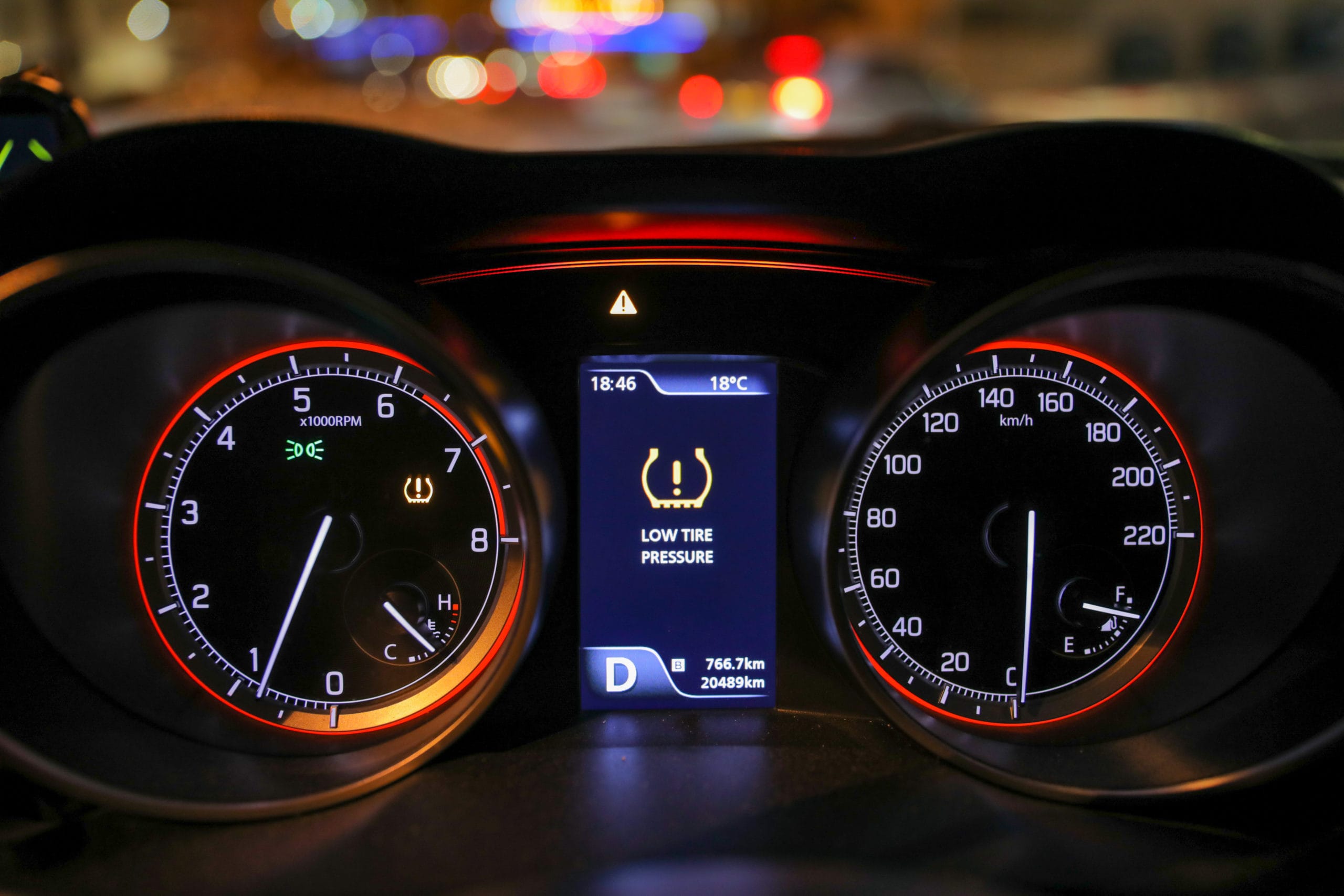
The tire pressure light is a small warning symbol on your dashboard. It helps you keep your tires safe by showing if the pressure is too low. Proper tire pressure is important for driving safely and saving fuel. This light alerts you to fix your tires before problems start.
Understanding this light can prevent tire damage and improve your car’s performance. It works with sensors that check the air pressure in each tire. When pressure falls below the recommended level, the light turns on. Knowing what this light means helps you act quickly and avoid trouble on the road.
Purpose Of Tire Pressure Light
The tire pressure light shows if any tire has low air. It warns you before a tire gets too flat. This helps avoid accidents caused by poor tire grip. The light also helps keep your tires lasting longer. Driving with correct pressure saves fuel and keeps your car smooth.
The light is part of your car’s safety system. It gives you an early sign to check your tires. This prevents tire blowouts and other serious issues. The tire pressure light keeps you informed about your vehicle’s health.
When This Light Appears
The tire pressure light comes on when a tire loses air. It may blink or stay on steadily. Sometimes it appears after cold weather or hitting a pothole. It also lights up if the pressure sensor has a problem.
When you see the light, check your tire pressure with a gauge. Inflate any tire that is below the recommended level. If the light stays on, visit a mechanic to inspect the system. Ignoring the light can cause tire damage or unsafe driving conditions.
Key Differences Between Tpms And Tire Pressure Lights
The TPMS light and the tire pressure light both warn drivers about tire issues. Many people confuse them, but they have clear differences. Understanding these differences helps keep your car safe and running well.
Functionality Comparison
The TPMS light shows problems with the tire pressure monitoring system itself. It warns if the system can’t check the tires properly. The tire pressure light signals low air in one or more tires. It focuses on tire pressure, not the system’s health.
Sensor Dependency
The TPMS light depends on sensors inside each tire. These sensors send pressure data to the car’s computer. If a sensor fails, the TPMS light turns on. The tire pressure light works without sensors. It uses the car’s computer to detect pressure drops.
Alert Triggers
The TPMS light triggers when sensors stop working or lose signal. It may also turn on during system errors. The tire pressure light comes on when a tire’s pressure falls below the safe limit. It warns the driver to add air quickly.
Common Causes For Each Light
Both the TPMS light and the tire pressure light warn about tire issues. They help keep your driving safe and your tires in good condition. Knowing why these lights turn on helps you act quickly. This section explains common causes for each light to appear on your dashboard.
Reasons Tpms Light Turns On
The TPMS light signals a problem with the tire pressure monitoring system. It often turns on when a sensor fails or loses connection. Low battery in a sensor can also trigger the TPMS light. Sometimes, the light comes on after tire rotation or replacement without system reset. Extreme temperatures may cause false alerts from the sensors. A software glitch in the vehicle’s system can light up the TPMS too.
Reasons Tire Pressure Light Activates
The tire pressure light usually means one or more tires have low air pressure. This happens due to slow leaks or punctures. Changes in weather, especially cold, reduce tire pressure and activate the light. Driving on rough roads can cause tires to lose air. Over time, tires naturally lose pressure and may trigger the light. Ignoring the light can lead to tire damage or unsafe driving conditions.
How To Respond To Each Light
Knowing how to respond to the TPMS light and the tire pressure light can keep you safe on the road. Each light signals a different issue with your tires. Reacting correctly can prevent damage to your car and avoid accidents.
Immediate Actions For Tpms Light
The TPMS light means the tire pressure monitoring system found a problem. Stop driving soon. Check the tire pressures using a gauge. Inflate tires to the recommended levels shown in your car manual or door sticker.
If the light stays on, a sensor might be faulty. Visit a mechanic to inspect the system. Avoid long drives with the TPMS light on. It can mean unsafe tire pressure or sensor failure.
Steps To Take For Tire Pressure Light
The tire pressure light usually shows low tire pressure in one or more tires. Pull over safely and check all tires. Use a tire gauge to measure pressure. Add air to the tires that are low.
Look for visible damage, like nails or cuts. If you find a puncture, replace or repair the tire quickly. Drive carefully to the nearest service station if needed. Proper tire pressure improves fuel efficiency and vehicle control.
Credit: acdelcocanada.com
Maintenance Tips To Avoid Light Alerts
Keeping your tires in good shape helps prevent warning lights from turning on. These lights can be confusing and worrying. Understanding simple maintenance steps can keep your drive safe and smooth. Staying ahead of problems saves time and money.
Regular Tire Pressure Checks
Check tire pressure at least once a month. Use a reliable gauge for accurate readings. Tires lose air over time, even without a puncture. Low pressure causes poor fuel efficiency and uneven tire wear. Inflate tires to the pressure shown in your car’s manual. Do this before driving when tires are cold. Proper pressure keeps your tires healthy and avoids alerts.
Tpms Sensor Care
TPMS sensors need care to function well. Avoid hitting curbs or potholes hard, which can damage sensors. Replace tire valves during tire changes to protect sensors. Use professional help for sensor repairs or battery replacement. Clean sensors gently to remove dirt and debris. Healthy sensors prevent false warnings and ensure safety.
Credit: www.telletire.com
Frequently Asked Questions
What Is The Difference Between Tpms And Tire Pressure Light?
TPMS light indicates a sensor issue or low tire pressure. Tire pressure light alerts only low tire pressure. Both ensure your tires are safe but serve slightly different functions.
Why Does My Tpms Light Stay On Continuously?
A constant TPMS light usually means a sensor fault or dead battery. It can also indicate incorrect tire pressure or recent tire changes needing reset.
Can I Drive With The Tire Pressure Light On?
Driving with the tire pressure light on is unsafe. It signals low pressure, risking tire damage and poor handling. Check and inflate tires promptly.
How Do I Reset The Tpms Light After Fixing Tires?
Resetting varies by car model but often involves pressing a button or driving at a certain speed. Consult your vehicle manual for exact steps.
Conclusion
The TPMS light and tire pressure light both warn about tire issues. TPMS shows problems with sensors, while the tire pressure light alerts low air. Both signals need quick attention to keep driving safe. Check your tires often to avoid surprises.
Understanding these lights helps protect your car and your trips. Stay alert and keep your tires in good shape. Simple care saves money and prevents accidents. Don’t ignore these lights; they keep you safe on the road.