When it comes to choosing tires for your vehicle, you might wonder which type is best for your needs—radial tires or regular tires? The right choice can affect your safety, driving comfort, and even how much you spend on fuel.
You want tires that keep you safe on the road and give you the smoothest ride possible. This article will help you understand the key differences between radial and regular tires, so you can make the smartest decision for your car and your wallet.
Keep reading to discover what really sets these tires apart and which one fits your driving style best.
Radial Tires Basics
Radial tires are a common type of tire used on many vehicles today. They differ from regular tires in how they are made and how they perform. Understanding the basics of radial tires helps you know why they are popular. This section explains their construction, uses, and benefits.
Construction Features
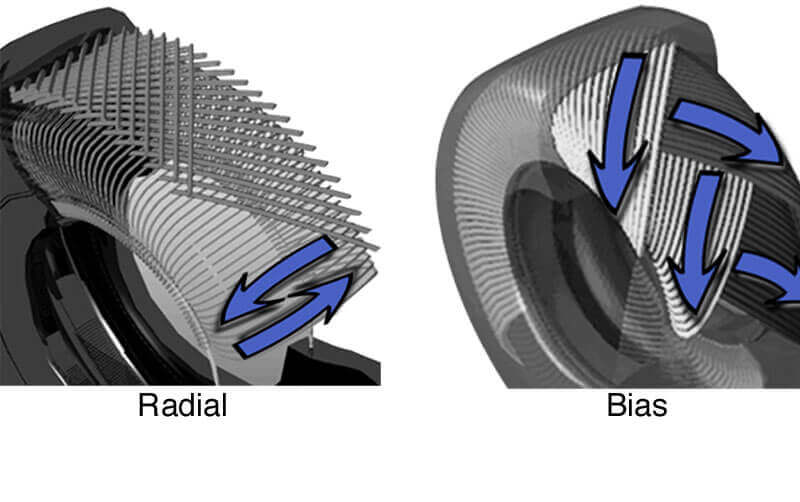
Radial tires have cords that run from side to side. These cords are made of steel or fabric. They lie at a 90-degree angle to the tire’s direction. The tire’s layers include a flexible tread and strong sidewalls. This design allows the tire to bend and absorb shocks better. It also helps the tire keep contact with the road.
Common Uses
Radial tires are used on many cars, trucks, and buses. They work well for both city driving and long trips. Most passenger cars come with radial tires as standard. They also fit well on light trucks and SUVs. Their design suits paved roads and highways best.
Advantages
Radial tires last longer than regular tires. They provide better fuel efficiency because they roll smoothly. Their flexible tread improves grip on the road. This makes driving safer in wet and dry conditions. Radial tires also offer a more comfortable ride by reducing vibrations.

Credit: www.discountedwheelwarehouse.com
Regular Tires Essentials
Regular tires have been around for many years. They use a different design than radial tires. Understanding their basics helps you choose the right tire for your needs. These tires have unique features that suit certain vehicles and driving styles.
They work well in many conditions. Their design affects how they perform on the road. Knowing their strengths and uses makes tire shopping easier.
Design Characteristics
Regular tires have layers of fabric cords placed diagonally. These cords cross each other at angles. This design makes the tire sidewalls and tread move as one. The rubber is thicker on the sidewalls. This construction creates a firm and strong tire body.
Typical Applications
Regular tires are common on older cars and trucks. They suit vehicles that carry heavy loads. Many off-road and agricultural vehicles use them. They work well on rough and uneven roads. These tires also perform in hot weather conditions.
Strengths
Regular tires offer strong sidewall support. They resist cuts and damage well. These tires handle heavy weights without much wear. Their simple design makes them easy to repair. They provide a smooth ride on rough surfaces. Their durability is a key benefit for many drivers.
Performance Comparison
Performance matters most when choosing between radial tires and regular tires. Both types affect how your vehicle drives and handles. Understanding their differences helps you pick the best tire for your needs. The following points break down key performance aspects.
Traction And Grip
Radial tires offer better traction on wet and dry roads. Their flexible sidewalls increase the tire’s contact with the road. This improves grip during turns and sudden stops. Regular tires have stiffer sidewalls that reduce road contact. This can lead to less control in sharp turns and slippery conditions.
Fuel Efficiency
Radial tires often provide better fuel efficiency. Their design reduces rolling resistance, which means the engine uses less power. Regular tires tend to have higher rolling resistance. This causes the engine to work harder and consume more fuel. Choosing radial tires can save money on gas over time.
Ride Comfort
Radial tires absorb shocks and bumps better than regular tires. Their flexible construction smooths out rough roads. This leads to a more comfortable ride for passengers. Regular tires feel stiffer and transmit more vibrations. This can make long drives tiring and uncomfortable.
Durability
Radial tires last longer under normal driving conditions. Their design spreads stress evenly across the tire. This reduces wear and tear over time. Regular tires wear out faster, especially on rough roads. They are more prone to cracking and damage from impacts.
Credit: www.tireagent.com
Cost And Maintenance
Cost and maintenance play a big role in choosing between radial and regular tires. Knowing the price and upkeep helps you decide which tire suits your needs. Both types have different costs and care requirements.
Initial Price
Radial tires usually cost more upfront than regular tires. This is because of their advanced design and materials. Regular tires are cheaper but may not offer the same performance benefits.
Longevity
Radial tires tend to last longer than regular tires. Their flexible sidewalls reduce wear and tear on the tread. Regular tires wear out faster, which means you replace them more often.
Upkeep Requirements
Radial tires need less frequent maintenance. They keep air pressure better and resist damage. Regular tires require more checks and repairs to stay safe and efficient.
Choosing The Right Tire
Choosing the right tire affects your vehicle’s safety and performance. Tires come in many types, but radial and regular tires are the most common. Each type has benefits and suits different needs. Understanding these differences helps you pick the best tire for your car and driving style.
Consider factors like driving conditions, vehicle type, and budget. These points guide your decision and ensure you get good value and safe driving experience.
Driving Conditions
Think about where you drive most often. Radial tires work well on highways and smooth roads. They offer better grip and last longer on paved surfaces. Regular tires suit rough, off-road, or uneven surfaces better. They provide stronger sidewalls to handle bumps and rocks. Choose tires that match your usual roads to avoid early wear and improve safety.
Vehicle Type
Your vehicle influences the best tire choice. Passenger cars and light trucks usually use radial tires. Radial tires improve fuel efficiency and give a smooth ride. Heavy trucks and older vehicles might need regular tires. These tires hold heavy loads better and resist damage from tough use. Check your vehicle’s manual to see recommended tire types and sizes for best results.
Budget Considerations
Radial tires can cost more upfront but save money over time. They last longer and use less fuel. Regular tires often cost less at purchase but wear out faster. They may need replacement more often, increasing long-term costs. Balance your budget with how long you plan to keep the tires and your driving needs. Spending a bit more now can reduce future expenses.
Credit: www.carlstargroup.com
Frequently Asked Questions
What Are The Main Differences Between Radial And Regular Tires?
Radial tires have steel belts running radially across the tread, offering better flexibility and durability. Regular tires, or bias-ply tires, have crisscrossed layers, providing a stiffer ride but less traction and shorter lifespan. Radial tires improve fuel efficiency and handling compared to regular tires.
Which Tire Type Offers Better Fuel Efficiency?
Radial tires provide better fuel efficiency due to their flexible sidewalls and lower rolling resistance. This design reduces energy loss while driving, helping save fuel. Regular tires have higher rolling resistance, leading to increased fuel consumption over time.
Are Radial Tires More Durable Than Regular Tires?
Yes, radial tires are generally more durable because of their steel belt construction. They resist wear and heat better, extending tire life. Regular tires wear out faster due to their rigid structure and less efficient heat dissipation.
How Do Radial Tires Affect Vehicle Handling?
Radial tires enhance vehicle handling with improved traction and stability. Their flexible sidewalls allow better road contact and absorb shocks. Regular tires offer less grip and a rougher ride, reducing overall control during driving.
Conclusion
Choosing between radial and regular tires depends on your needs. Radial tires offer better grip and last longer. Regular tires may be cheaper and work well on some vehicles. Consider your driving style and road conditions. Think about comfort, fuel efficiency, and cost.
Both types have strengths and weaknesses. Make a choice that suits your car and budget. Good tires keep you safe and save money in the long run. Take time to decide wisely.