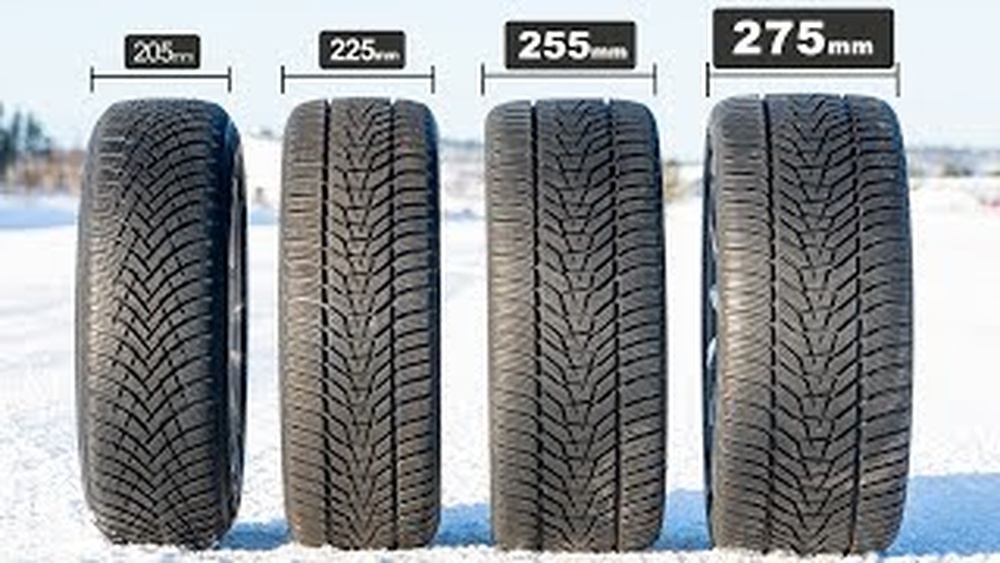
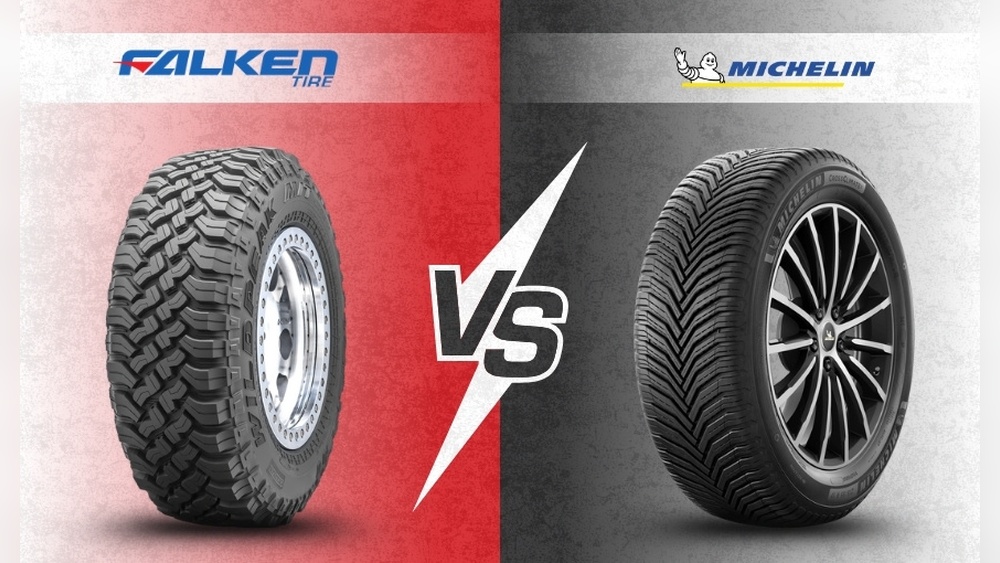
When it comes to choosing the right tires for your vehicle, understanding the difference between drive tires and steer tires can make all the difference. You might think all tires do the same job, but each type plays a unique role in how your vehicle handles, performs, and stays safe on the road.
Wondering which tire suits your needs best? Keep reading, because knowing these key differences can save you money, improve your ride, and boost your confidence behind the wheel. Let’s dive into what sets drive tires apart from steer tires and why it matters to you.
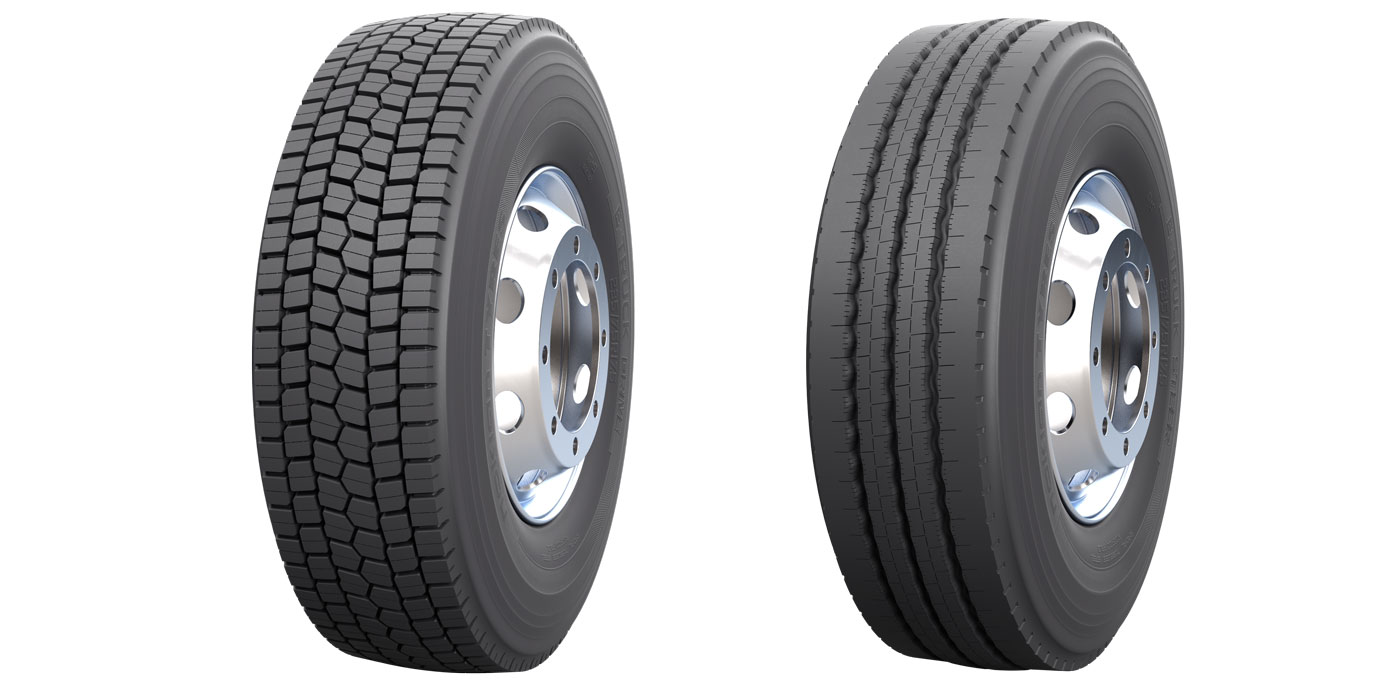
Credit: www.tirereview.com
Purpose And Function
Tires on trucks and large vehicles have different jobs. Each tire type has a special purpose. Drive tires and steer tires work together to keep the vehicle moving safely. Understanding their purpose helps in choosing the right tires.
Role Of Drive Tires
Drive tires provide power and traction. They are attached to the drive axle. These tires push the vehicle forward. They handle most of the weight and force.
Drive tires have deep treads for better grip. This helps on rough or slippery surfaces. They improve fuel efficiency by reducing slippage. Strong drive tires increase vehicle stability and control.
Role Of Steer Tires
Steer tires control the vehicle’s direction. They are mounted on the front axle. These tires respond to the driver’s steering. They must be precise and flexible.
Steer tires have smooth tread patterns for good handling. They reduce road noise and improve comfort. Good steer tires enhance safety by preventing skidding. They help the vehicle turn and maneuver smoothly.

Credit: www.reddit.com
Design And Construction
The design and construction of drive tires and steer tires differ significantly. Each tire type serves a unique purpose on a vehicle. These differences impact how the tires perform and last. Understanding their design helps in choosing the right tire for your needs.
Tread Patterns
Drive tires have deep, aggressive tread patterns. This design helps grip the road or off-road surfaces. It improves traction and helps move heavy loads. The tread blocks are larger and spaced out to clear mud and dirt.
Steer tires feature a smoother, ribbed tread pattern. This design focuses on steering control and stability. The ribs help the tire track straight and reduce rolling resistance. This makes steering easier and more precise.
Durability And Materials
Drive tires use tougher rubber compounds. They resist cuts, punctures, and wear from rough surfaces. The sidewalls are reinforced to handle heavy torque and weight. This increases the tire’s lifespan under harsh conditions.
Steer tires have a firmer construction for better handling. Their materials balance durability with comfort. These tires wear evenly to maintain smooth steering. They are built to resist heat buildup from frequent turns and braking.
Performance Characteristics
The performance characteristics of drive tires and steer tires differ in key ways. These differences affect how a vehicle moves and handles on the road. Understanding these traits helps in choosing the right tires for your needs.
Traction And Grip
Drive tires provide strong traction. They push the vehicle forward and handle power from the engine. Their tread patterns are deeper and more aggressive. This design improves grip on slippery or rough surfaces.
Steer tires focus on smooth traction. Their tread is less deep but wider. This helps maintain steady contact with the road. It ensures better control during turns and on dry pavement.
Handling And Steering
Steer tires play a key role in vehicle control. Their design allows for precise steering response. They offer stability and help the vehicle follow the driver’s direction easily.
Drive tires support handling by maintaining traction during acceleration. They do not steer but must manage power delivery well. Their grip affects how well the vehicle moves forward on different terrains.
Credit: www.reddit.com
Wear And Maintenance
Tires play a big role in vehicle performance and safety. Drive tires and steer tires wear differently. Understanding their wear and maintenance helps extend tire life. It also saves money and improves safety on the road.
Common Wear Patterns
Drive tires often show uneven wear. This happens because they handle most of the power. The center tread may wear faster than the edges. Sometimes, drive tires show cupping or scalloping.
Steer tires wear more evenly across the tread. They mainly control steering and support the vehicle’s weight. Look for feathered edges or one-sided wear. This can signal alignment problems or low air pressure.
Maintenance Tips
Check tire pressure regularly for both drive and steer tires. Proper inflation prevents early wear and improves fuel efficiency. Rotate tires according to the vehicle’s schedule. This helps balance wear between drive and steer tires.
Inspect tires for cuts, cracks, or bulges. Replace damaged tires quickly to avoid accidents. Align wheels and balance tires often to keep steering smooth. Clean tires to remove debris that can cause damage.
Applications And Usage
Drive tires and steer tires serve different roles in vehicles. Their design matches specific functions. This makes them suitable for varied applications and usage. Understanding their roles helps in choosing the right tire for the job.
Vehicles Using Drive Tires
Drive tires are found on vehicles that need strong traction. Trucks and buses often use drive tires. These tires help move heavy loads on highways and rough roads. Construction vehicles rely on drive tires for stability and power. Drive tires also appear on off-road vehicles for better grip.
Vehicles Using Steer Tires
Steer tires are on the front wheels of many vehicles. Passenger cars mainly use steer tires for smooth handling. Light trucks and vans also have steer tires. These tires provide control and precise steering. They help drivers navigate turns and maintain direction.
Cost And Availability
Cost and availability play a big role when choosing between drive tires and steer tires. These factors affect your budget and how quickly you can get the tires. Understanding the price differences and where to buy can save time and money.
Price Differences
Drive tires usually cost more than steer tires. This is because they are made to handle more weight and provide better traction. Steer tires are lighter and simpler in design, so they cost less. The price gap depends on tire size, brand, and quality. Buying in bulk or during sales can lower the cost.
Where To Buy
Both drive and steer tires are available at many stores. Tire shops, farm equipment dealers, and online stores offer a wide selection. Online shopping often gives more choices and competitive prices. Local dealers may provide expert advice and faster delivery. Checking availability before buying helps avoid delays.
Frequently Asked Questions
What Are The Key Differences Between Drive Tires And Steer Tires?
Drive tires provide traction and power to move the vehicle, while steer tires handle steering and direction control. Drive tires are usually larger and have deeper treads. Steer tires offer better grip for turning and stability. Both tire types have distinct designs for their roles.
How Do Drive Tires Affect Vehicle Performance?
Drive tires improve traction and power delivery on various surfaces. They enhance acceleration and pulling ability. Their tread patterns resist slipping and provide grip in tough conditions. Proper drive tires ensure efficient power transfer and vehicle control, especially in heavy-duty and off-road use.
Why Are Steer Tires Important For Vehicle Safety?
Steer tires control the vehicle’s direction and stability. They provide precise handling and better cornering ability. Good steer tires reduce the risk of skidding and improve braking performance. Maintaining steer tires is crucial for safe and smooth driving, especially on highways.
Can Drive And Steer Tires Be Interchanged?
No, drive and steer tires should not be interchanged. Each tire type is designed for specific roles and load distribution. Using the wrong tire can reduce performance, safety, and tire life. Always use tires as recommended by the vehicle manufacturer for optimal results.
Conclusion
Drive tires and steer tires serve different roles on a vehicle. Drive tires provide power and traction to move the machine. Steer tires help guide and control direction. Choosing the right tires depends on your needs and conditions. Both types must match the terrain and load.
Proper tire care improves safety and performance. Know the differences to pick the best fit. This helps your vehicle work smoothly and last longer. Simple choices lead to better results on the road or field.