Are you trying to decide between 265 and 275 tires for your vehicle? Choosing the right tire size can make a big difference in how your car handles, feels, and even looks.
But with so many options, it’s easy to get confused. This article will break down the key differences between 265 and 275 tires in simple terms. By the end, you’ll know exactly which size fits your driving style, improves your ride, and keeps you safe on the road.
Keep reading to find out which tire is the perfect match for your needs.
Tire Width Basics
Tire width is a key factor in choosing the right tires for your vehicle. It affects how the car handles, looks, and performs. Understanding the difference between tire widths can help you make a better choice.
Two common tire widths are 265 and 275. These numbers tell you how wide the tire is from side to side. The size influences grip, comfort, and fuel efficiency. Let’s explore what these numbers mean and how they impact your vehicle.
What Do 265 And 275 Mean?
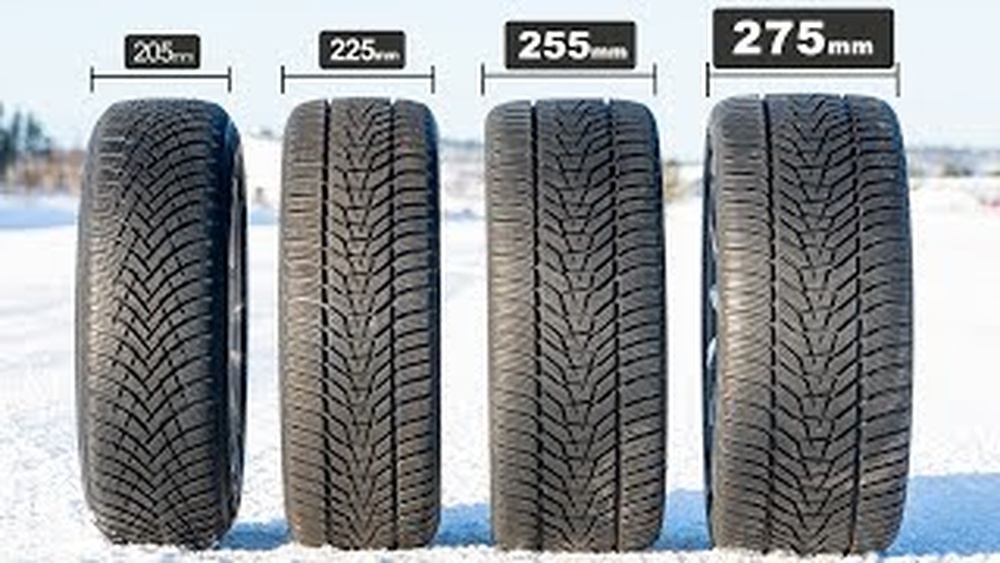
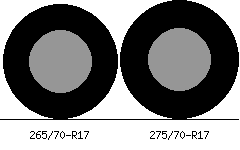
The numbers 265 and 275 refer to the tire’s width in millimeters. A 265 tire is 265 millimeters wide. A 275 tire is 275 millimeters wide. This means the 275 tire is 10 millimeters wider than the 265.
This width affects the contact patch, the part of the tire touching the road. A wider tire has a bigger contact patch. This can change how your car drives and handles.
Impact On Vehicle Performance
A wider tire like 275 offers more grip on dry roads. This improves cornering and stability at high speeds. It can make the car feel more planted and secure.
On the other hand, a wider tire may increase rolling resistance. This can reduce fuel efficiency slightly. The wider tire also might be heavier, affecting acceleration.
In wet conditions, wider tires can sometimes increase hydroplaning risk. Narrower tires cut through water better in some cases. Balance between grip and safety is important.
Comfort can also change. Wider tires may feel stiffer on rough roads. A narrower tire often absorbs bumps better, giving a smoother ride.
Credit: www.tacomaworld.com
Handling And Grip Differences
Choosing between 265 and 275 tires affects how your car handles and grips the road. The size difference may seem small, but it changes the driving feel. Handling and grip are key for safety and driving pleasure.
Cornering And Stability
Tires with a wider width, like 275, offer better cornering grip. They create a larger contact patch with the road. This helps the car stay stable in sharp turns. Narrower 265 tires have less road contact. They may feel less stable on curves. Wider tires also reduce body roll. This improves control during fast driving.
Traction On Various Surfaces
Traction changes based on tire width and road type. The 275 tire grips better on dry pavement. It spreads the car’s weight over a bigger area. On wet or slippery roads, a wider tire can help but may also increase hydroplaning risk. The 265 tire digs into soft surfaces like mud or snow easier. It can perform better in these conditions. The best choice depends on your usual driving roads.
Fuel Efficiency And Ride Comfort
Choosing between 265 and 275 tires affects both fuel efficiency and ride comfort. These factors matter a lot for daily driving and long trips. Tires influence how much fuel your vehicle uses and how smooth your drive feels. Understanding these differences helps you pick the right tire size for your needs.
Effect On Gas Mileage
Wider tires like 275 create more road contact. This increases rolling resistance and can lower gas mileage. Narrower 265 tires have less friction, which can improve fuel efficiency. Even small changes in tire width can affect how much fuel your vehicle uses. Drivers aiming to save fuel often prefer narrower tires.
Smoothness Of The Ride
Wider 275 tires can provide better grip and stability on the road. They often absorb bumps better, leading to a smoother ride. Narrower 265 tires may feel firmer and transfer more road noise. The difference in ride comfort depends on road conditions and tire design. Many drivers find wider tires more comfortable for everyday driving.

Credit: www.youtube.com
Compatibility With Vehicles
Choosing between 265 and 275 tires depends a lot on your vehicle’s compatibility. Tires must fit the wheels and suspension properly to work well. Using the wrong tire size can cause handling problems and even damage parts.
Understanding how these tire widths fit your vehicle helps you make the best choice. Some cars can handle wider tires, while others cannot.
Checking Wheel And Suspension Fit
Start by checking your wheel width. A 275 tire is wider and needs a wider wheel than a 265 tire. If the wheel is too narrow, the tire may not seat correctly.
Suspension clearance is also important. Wider tires can rub against suspension parts or fenders. This causes noise and wear. Measuring the space around your tires helps avoid this issue.
Manufacturer Recommendations
Vehicle makers list tire sizes that work well with their cars. Check your owner’s manual or the sticker inside the door frame. These sources show the best tire size for your model.
Following these guidelines keeps your car safe and running smoothly. Using the recommended tire size also protects your warranty and insurance.
Cost And Availability
Cost and availability play a big role in choosing between 265 and 275 tires. These factors affect your budget and how easily you find the tires. Understanding price and market presence helps make a smart choice.
Price Comparison
265 tires usually cost less than 275 tires. The smaller size uses less material, which lowers the price. Prices vary by brand and tire type. Sports tires often cost more than all-season tires. Always check prices at several stores before buying.
Market Availability
265 tires are more common and easier to find. Many vehicles use this size as standard. 275 tires are less common but still available. Some specialty shops may carry them more than regular stores. Online shopping offers a wider selection for both sizes.

Credit: www.youtube.com
Choosing Based On Driving Needs
Choosing the right tire size depends on how you drive. Different tires suit different needs. The 265 and 275 tires each have strengths. Understanding your driving style helps pick the best option.
Everyday Driving
For daily driving, comfort and fuel efficiency matter most. The 265 tire usually offers better gas mileage. It also provides a smoother ride on city roads. These tires fit well on most passenger cars and light trucks. They keep noise levels low for a calm drive. Handling on wet or dry roads stays balanced with 265 tires.
Off-road And Performance Use
The 275 tire suits tougher conditions and faster driving. It offers a wider contact patch for better grip. This helps on dirt, mud, or rocky paths. Performance cars benefit from 275 tires for sharper handling. They add stability during quick turns and high speeds. Off-road drivers find 275 tires tougher and more reliable.
Frequently Asked Questions
What Are The Main Differences Between 265 And 275 Tires?
265 tires are narrower with less contact area. 275 tires are wider, offering more grip and stability. The choice depends on vehicle type, driving style, and road conditions.
Does A 275 Tire Improve Vehicle Handling Over 265?
Yes, 275 tires provide better handling due to increased traction. Wider tires offer improved cornering and braking performance on dry surfaces.
Will 275 Tires Affect My Fuel Efficiency Compared To 265?
Wider 275 tires can slightly reduce fuel efficiency. They create more rolling resistance, which may increase fuel consumption compared to 265 tires.
Can I Fit 275 Tires Without Modifying My Vehicle?
It depends on your vehicle’s wheel well clearance. Some vehicles can fit 275 tires without changes; others may need adjustments or new rims.
Conclusion
Choosing between 265 and 275 tires depends on your needs. A 275 tire offers better grip and stability. A 265 tire can improve fuel efficiency and handling. Consider your vehicle type and driving style first. Both sizes have pros and cons.
Think about road conditions you face often. Your choice affects safety and comfort on the road. Test each size if possible. This helps find the right fit for your car. Make a choice that feels right for you.