Choosing the right tires for your vehicle isn’t just about getting from point A to B—it’s about safety, performance, and value for your money. When you’re standing in front of the tire aisle or browsing online, you’ll often see two big names: Goodyear and Firestone.
But which one is truly the better choice for your car? This article will break down everything you need to know, so you can make a confident decision that keeps your drive smooth and secure. Keep reading, because the right tires could change the way you experience the road.
Credit: am-autoparts.ae
Brand Histories
Understanding the history of Goodyear and Firestone helps us see their strengths. Each brand has a unique story that shapes its tires today. Their past shows experience and trust in the tire industry.
Goodyear Legacy
Goodyear started in 1898 in Ohio. It grew fast by focusing on quality and innovation. The company named itself after Charles Goodyear, who invented vulcanized rubber. This process made tires stronger and longer lasting. Goodyear became one of the largest tire makers worldwide. It supplied tires for cars, airplanes, and even space missions. The brand is known for combining technology with durability.
Firestone Background
Firestone began in 1900 in Indiana. Harvey Firestone founded it to support the growing car market. The company quickly became a top tire supplier for Ford cars. Firestone focused on making reliable, affordable tires. It grew by expanding into different vehicle types and racing tires. The brand built a reputation for toughness and performance. Firestone remains a key player in the tire world today.
Product Range
The product range of Goodyear and Firestone tires covers many vehicle needs. Both brands offer options for cars, trucks, and SUVs. Each brand has tires made for different road conditions and driving styles. This variety helps drivers find the right tire for their vehicle and budget.
Goodyear Tire Types
Goodyear offers a wide selection of tires. Their all-season tires suit everyday driving. They also have performance tires for faster cars. For off-road adventures, Goodyear provides rugged tires with strong grip. Winter tires from Goodyear help in snow and ice. Their run-flat tires allow driving after a puncture. Each type targets specific needs and conditions.
Firestone Tire Varieties
Firestone tires come in many styles too. Their touring tires focus on smooth and quiet rides. Firestone’s all-terrain tires handle dirt and gravel well. They also make winter tires for cold weather safety. Firestone’s commercial tires support heavy loads and long distances. Their focus is durability and comfort. These tires suit drivers who want reliable performance daily.
Performance And Durability
Performance and durability are key factors in choosing tires. These qualities affect safety, comfort, and cost. Both Goodyear and Firestone offer tires that aim to last long and perform well. Understanding how these brands compare helps in making a smart choice.
Tread Life Comparison
Goodyear tires generally have a longer tread life. Their rubber compounds resist wear over time. Firestone tires also offer good tread life but may wear faster on rough roads. Tires with longer tread life save money and reduce the need for frequent replacements.
Handling And Grip
Goodyear tires provide strong grip on dry and wet surfaces. Their design improves vehicle control and safety. Firestone tires offer reliable handling but may not feel as sharp in turns. Good grip helps prevent slipping and enhances driving confidence.
Weather Adaptability
Goodyear tires perform well in various weather conditions. They handle rain and light snow effectively. Firestone tires work best in mild weather and dry conditions. Choosing tires that suit your local weather increases safety and tire life.
Price And Value
Price and value are key factors when choosing between Goodyear and Firestone tires. Both brands offer quality products, but their pricing and benefits differ. Understanding these differences helps you get the best deal for your money.
Cost Comparison
Goodyear tires tend to be priced higher than Firestone tires. This is because Goodyear often uses advanced materials and technology. Firestone tires usually cost less, making them a budget-friendly option. The price gap depends on the tire model and size. Both brands offer tires for various budgets and needs.
Warranty And Support
Goodyear provides a solid warranty, often covering tread life and defects. Their customer support is well-rated and easy to reach. Firestone also offers good warranties, sometimes with additional roadside assistance. Both brands stand behind their products, giving peace of mind to buyers.
Customer Reviews
Customer reviews offer real insights into tire performance and satisfaction. They reveal how Goodyear and Firestone tires handle daily driving challenges. Reading these reviews helps buyers make informed choices.
Customers often share their experiences on traction, durability, and comfort. These details highlight each brand’s strengths and weaknesses. Let’s explore what users say about Goodyear and Firestone tires.
Goodyear Feedback
Many users praise Goodyear tires for their strong grip on wet roads. Drivers report confident handling during rain and light snow. The tires often get high marks for long tread life. Some customers mention quieter rides compared to other brands. A few note the price is higher but worth the quality. Overall, Goodyear earns trust for reliability and safety.
Firestone Feedback
Firestone tires receive compliments for affordability and decent performance. Users find them good for everyday driving and city roads. Some reviews highlight smooth rides with less road noise. Tire wear is acceptable, though some drivers want longer life. Firestone is popular among budget-conscious buyers. Many feel these tires offer solid value without major flaws.
Environmental Impact
Tire companies play a big role in environmental care. Both Goodyear and Firestone make efforts to reduce their impact on nature. This section explores how these brands address environmental concerns. It shows their commitment to a cleaner planet.
Eco-friendly Initiatives
Goodyear uses advanced technology to cut down waste. They develop tires with lower rolling resistance. This helps cars use less fuel and produce fewer emissions. Firestone also works on eco-friendly tire designs. Their products aim to improve fuel efficiency. Both brands invest in research for greener materials. These steps help reduce pollution and save energy.
Recycling Programs
Goodyear runs programs to recycle old tires. They turn used tires into new products like playground surfaces. Firestone supports tire recycling through partnerships. They encourage customers to return worn tires. Recycling stops tires from polluting landfills. It also saves raw materials and energy. Both companies promote recycling to protect the environment.
Choosing The Right Tire
Choosing the right tire is important for safety and performance. Tires affect how your vehicle drives and handles. Picking the best tire depends on several key factors. Consider your vehicle type, driving conditions, and budget. This helps you find a tire that fits your needs well.
Vehicle Type Considerations
Different vehicles need different tires. Small cars often use lighter tires for better fuel efficiency. Trucks and SUVs need stronger tires for heavy loads and rough roads. Check your vehicle’s manual for tire size and type recommendations. Using the right tire keeps your vehicle safe and running smoothly.
Driving Conditions
Think about where you drive the most. City driving needs tires with good grip and smooth handling. Off-road driving requires tires with deep treads to handle dirt and rocks. For snowy or rainy areas, choose tires designed for wet or slippery roads. The right tire improves control and reduces accidents.
Budget Factors
Tires come in many price ranges. Higher-priced tires often last longer and perform better. Budget tires can work well for daily driving if used carefully. Balance cost with quality to get good value. Remember, cheap tires may wear out faster, costing more in the long run.

Credit: www.youtube.com
Credit: simpletire.com
Frequently Asked Questions
Which Brand Offers Better Tire Durability, Goodyear Or Firestone?
Goodyear tires are generally known for superior durability due to advanced rubber compounds. Firestone tires offer good durability but may wear faster under harsh conditions. Both brands ensure reliable performance, but Goodyear often leads in long-lasting tire life.
Are Goodyear Tires More Expensive Than Firestone Tires?
Yes, Goodyear tires typically cost more than Firestone tires. The price difference reflects Goodyear’s premium quality, advanced technology, and performance benefits. Firestone provides affordable options, making it a budget-friendly choice without compromising safety and reliability.
Which Tires Perform Better In Wet Conditions?
Goodyear tires usually perform better in wet conditions due to enhanced tread designs and water evacuation technology. Firestone tires offer decent wet traction but may not match Goodyear’s superior grip and safety features on slippery roads.
How Do Goodyear And Firestone Tires Compare In Fuel Efficiency?
Goodyear tires often feature low rolling resistance technology, improving fuel efficiency. Firestone tires also focus on fuel economy but generally rank slightly lower than Goodyear. Choosing tires from either brand can positively impact your vehicle’s gas mileage.
Conclusion
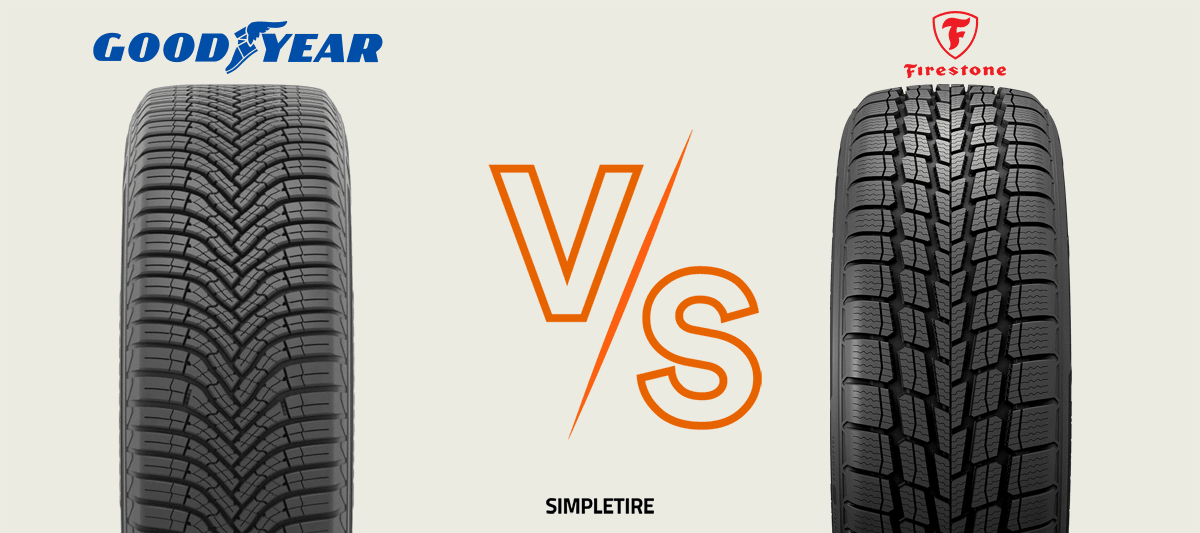
Choosing between Goodyear and Firestone depends on your needs. Both brands offer strong tires with good safety features. Goodyear shines in durability and fuel efficiency. Firestone stands out for comfort and value. Think about your driving style and budget before deciding.
Quality tires keep you safe on the road. Pick the one that fits your car and life best. Drive smart, drive safe.