Choosing the right tires for your vehicle can feel overwhelming, especially when you see options like summer tires and all-season tires. But here’s the thing: the type of tire you pick affects your safety, your car’s performance, and even your fuel efficiency.
If you want to get the best grip on the road, save money, and enjoy a smoother ride, understanding the key differences between summer tires and all-season tires is a must. Keep reading, and you’ll discover which tire suits your driving style and the weather you face every day.
Your next drive could be safer and more comfortable than ever before.
Summer Tires Basics
Summer tires play a key role in vehicle performance during warm months. They differ from all-season tires in design and materials. Understanding their basics helps you choose the right tire for summer driving. Below are the main features that define summer tires.
Tread Design Features
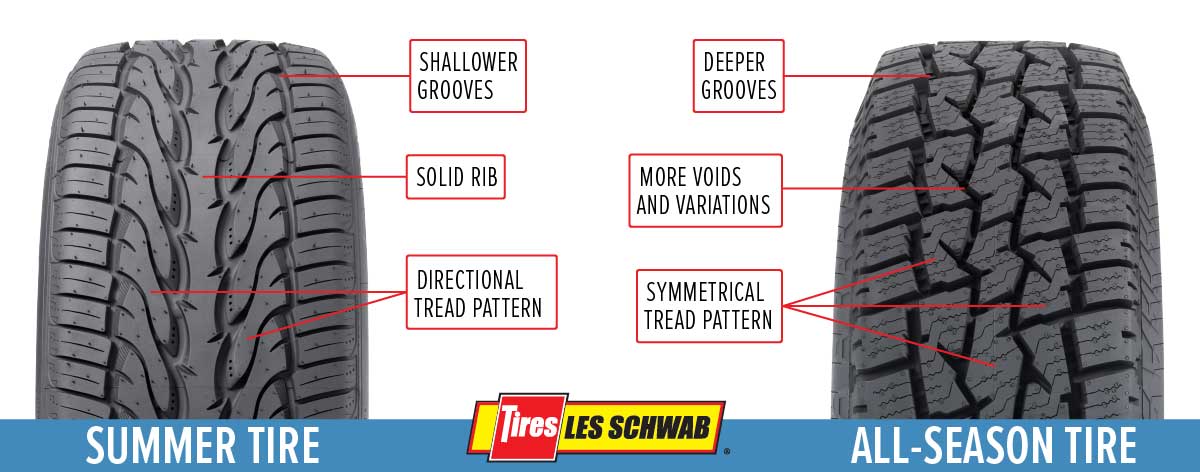
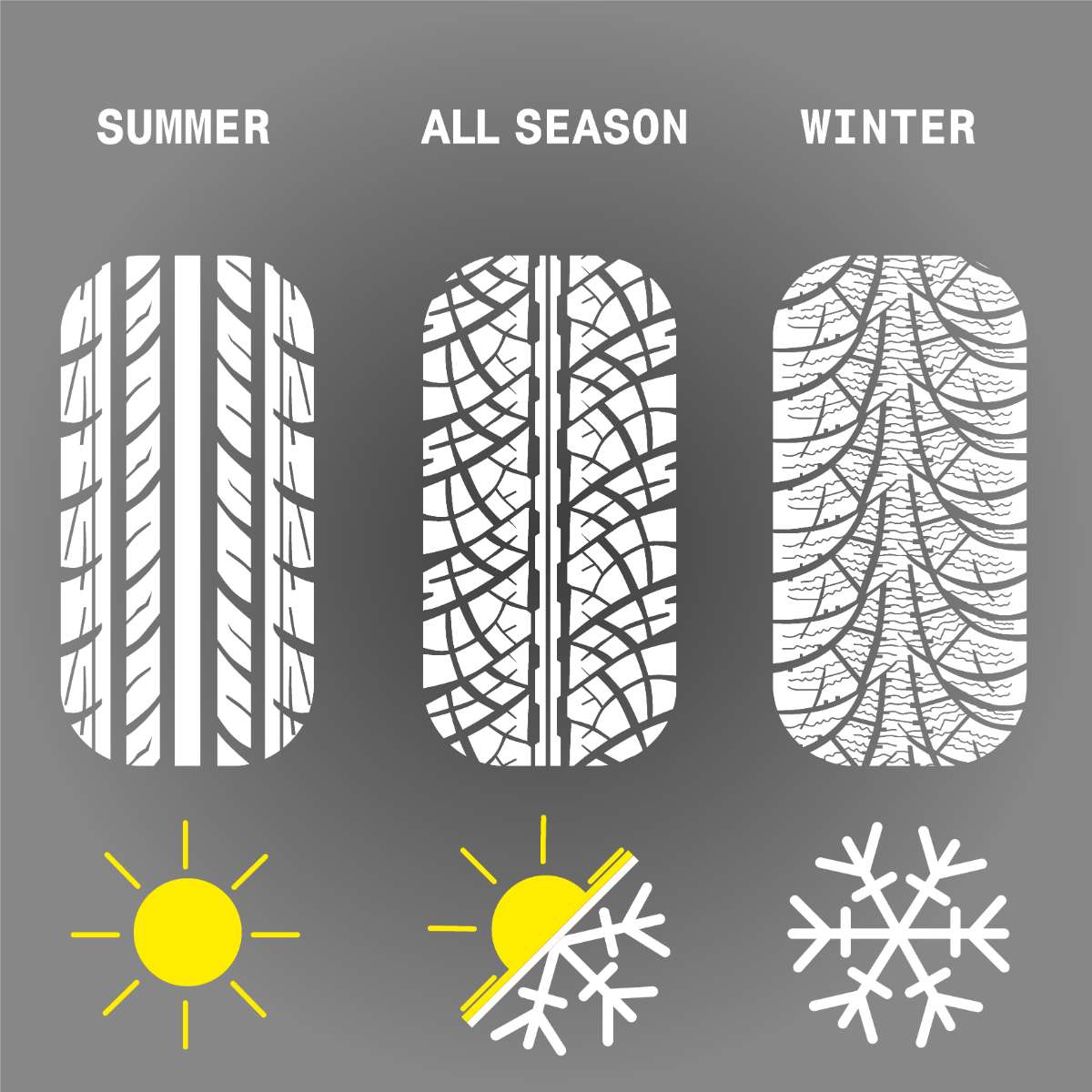
Summer tires have fewer grooves than all-season tires. Their tread patterns focus on smooth contact with the road. This design improves grip on dry surfaces. Wide shoulder blocks help with cornering and stability. Smaller grooves reduce hydroplaning risk in light rain. The tread design maximizes road contact and control.
Rubber Compounds Used
Summer tires use soft rubber compounds. These compounds stay flexible in warm temperatures. This flexibility helps the tire grip the road better. The rubber hardens quickly in cold weather, reducing performance. The compounds provide better traction and braking on hot roads.
Ideal Weather Conditions
Summer tires perform best in warm, dry weather above 45°F (7°C). They offer excellent handling on hot pavement. Light rain is manageable but heavy rain and cold reduce safety. These tires are not made for snow or ice. Use summer tires in seasons with little chance of frost.
Credit: www.lesschwab.com
All Season Tires Essentials
All season tires offer a balance of performance for most weather types. They suit drivers who want one set of tires year-round. These tires aim to provide safety and comfort on dry, wet, and light snowy roads. Understanding their key features helps you choose the right tires for your car.
All season tires differ from summer tires in tread design, material, and performance. Each factor plays a role in how well the tire handles different conditions. Let’s explore the essentials of all season tires.
Tread Patterns Explained
All season tires have unique tread patterns. These patterns include grooves and sipes that help with water and snow. The grooves channel water away to reduce hydroplaning. Sipes create extra edges for better grip on wet or icy roads. The tread design balances traction and tire life.
Material Composition
The rubber in all season tires is softer than summer tires but harder than winter tires. This mix keeps the tire flexible in cold weather and tough in warm weather. The materials resist wear from heat and rough roads. This helps the tires last longer across many seasons.
Performance Across Seasons
All season tires work well in spring, summer, and fall. They handle light snow but are not made for deep winter conditions. On dry and wet roads, they provide steady control and braking. In hot weather, they stay stable but may not match summer tires. They offer a safe option for mild climates.
Grip On Dry Roads
Grip on dry roads plays a big role in your driving safety and comfort. The type of tire affects how your car moves and stops on dry pavement. Summer tires and all-season tires handle dry road grip very differently. Understanding these differences helps you pick the best tire for your needs.
Traction And Handling
Summer tires have special rubber that stays soft in warm weather. This helps them stick better to dry roads. Their tread patterns are designed to give more surface contact. This means better traction and sharper handling in dry conditions.
All-season tires use harder rubber to last longer. Their tread has more grooves for water and snow. This design lowers dry road contact. As a result, handling is less precise than summer tires.
Braking Efficiency
Summer tires can stop your car faster on dry roads. Their grip helps reduce braking distance. This is important for quick stops and sudden braking.
All-season tires need more distance to stop on dry roads. Their tread and rubber are not optimized for dry grip. This can affect safety in emergency braking situations.
Wet Road Performance
Wet road performance is a key factor when choosing between summer tires and all-season tires. Rain and wet surfaces create challenges for any tire. The right tire helps keep control and safety on slippery roads. Understanding how each tire handles water improves your driving experience and safety.
Hydroplaning Resistance
Hydroplaning happens when water builds between the tire and road. This causes the tire to lose grip. Summer tires have wide grooves to move water away fast. This lowers the chance of hydroplaning on wet roads.
All-season tires also resist hydroplaning well. They have more siping and channels for water. This design keeps better contact on wet surfaces. Hydroplaning risk is reduced but may be higher than summer tires in heavy rain.
Stopping Distance
Stopping distance on wet roads is critical for safety. Summer tires use softer rubber for better grip. This helps shorten the stopping distance in wet conditions.
All-season tires have a harder rubber mix. This can increase the stopping distance slightly on wet roads. Still, they perform safely for everyday driving in rain and light wet conditions.
Winter And Cold Weather Use
Winter and cold weather bring challenges for tires. Not all tires work well in freezing temperatures. Choosing the right tire affects your safety and driving comfort. Summer tires and all-season tires behave differently on cold roads. Understanding their performance helps you make a smart choice.
Cold Temperature Grip
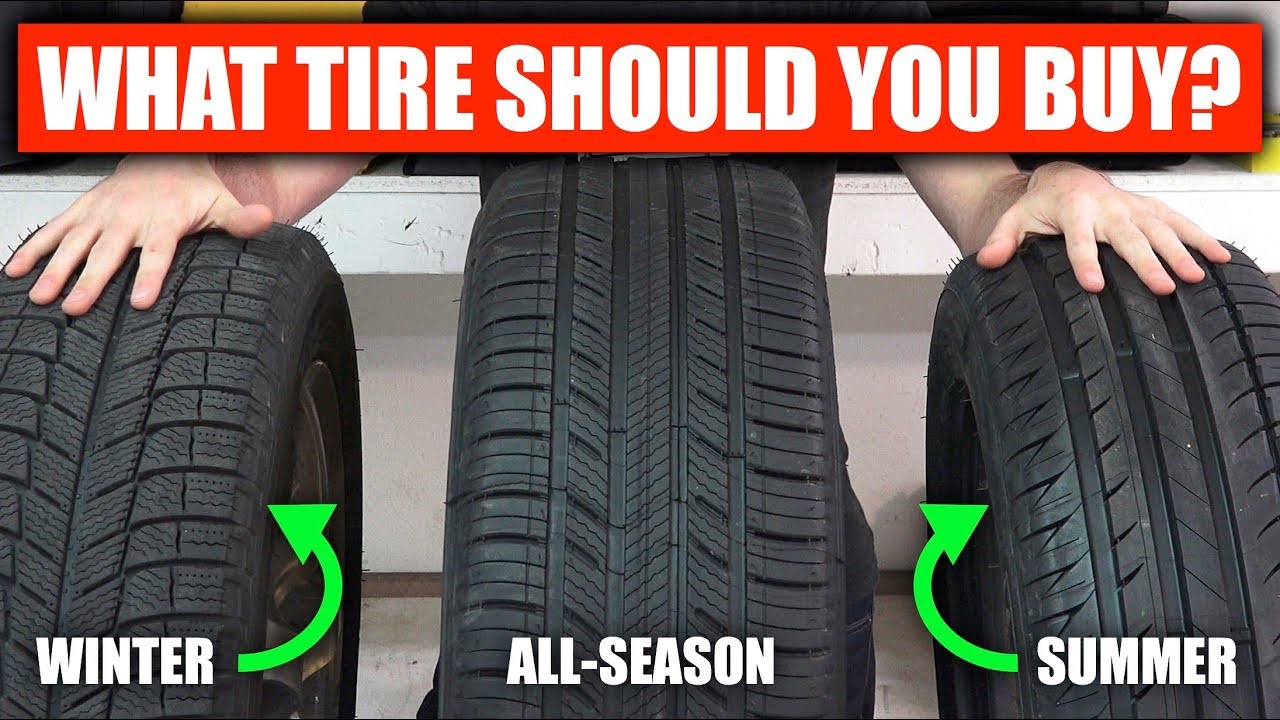
Summer tires become hard and lose grip in cold weather. Their rubber is designed for warm roads. All-season tires use softer rubber that stays flexible when cold. This helps them grip icy or frosty surfaces better. Cold temperature grip is crucial for safe driving in winter.
Snow And Ice Handling
Summer tires struggle on snow and ice. They lack the tread patterns to clear snow. All-season tires have grooves that help channel snow and water away. This improves traction on slippery roads. Still, all-season tires are not as good as winter tires on heavy snow or ice.
Credit: www.youtube.com
Tire Longevity And Wear
Tire longevity and wear are key factors when choosing between summer tires and all-season tires. Each type of tire has a unique design that affects how long it lasts and how it wears on the road. Understanding these differences helps you pick the best tire for your driving needs and conditions.
Durability Factors
Summer tires use softer rubber compounds. This gives them better grip on hot roads. But softer rubber wears faster. They are not made for cold or rough roads. All-season tires have harder rubber. This makes them last longer in many conditions. They handle heat, cold, and rough roads better. Tread design also matters. Summer tires have shallow tread for better handling. Shallow tread can wear down quickly on rough surfaces. All-season tires have deeper tread for longer wear and better traction in rain and light snow.
Mileage Expectations
Summer tires usually last between 20,000 to 30,000 miles. Their soft rubber wears quickly on city roads and highways. All-season tires often last 40,000 to 60,000 miles. Their harder rubber and deeper tread help them last longer. Your driving style changes mileage too. Fast acceleration and hard braking wear tires faster. Regular tire maintenance, like rotation and proper inflation, also extends tire life. Choosing the right tire depends on how much you drive and the road conditions you face.
Fuel Efficiency Impact
Tire choice affects how much fuel your car uses. Different tires change the rolling resistance, which impacts fuel efficiency. Understanding this can help save money on gas and reduce emissions.
Summer tires and all-season tires differ in their design. This difference plays a key role in how your vehicle consumes fuel.
Rolling Resistance Differences
Summer tires have lower rolling resistance. They use special rubber compounds that soften in warm weather. This helps the tire roll easily on hot roads. Less energy needed means better fuel efficiency.
All-season tires have higher rolling resistance. Their rubber is harder to handle cold and warm weather. This tough material increases friction and fuel use. Your car works harder to move on these tires.
Weight And Tread Design
Summer tires are usually lighter than all-season tires. Less tire weight means less fuel needed to rotate them. Their tread patterns are also simpler and smoother. This reduces drag and helps save fuel.
All-season tires have deeper, more complex tread patterns. These add weight and create more drag on roads. This extra effort causes your car to burn more fuel. Heavier tires also slow acceleration and reduce fuel economy.
Temperature Effects On Fuel Use
Summer tires perform best in warm temperatures. Their soft rubber stays flexible and reduces fuel use. In cold weather, they harden and increase rolling resistance. This leads to more fuel consumption.
All-season tires maintain flexibility across a wider temperature range. They offer stable fuel efficiency in both cold and warm conditions. This makes them a balanced choice for year-round driving.
Cost Comparison
Cost plays a big role when choosing between summer tires and all-season tires. Understanding the price differences helps you make a smart choice for your budget and driving needs. Let’s explore the costs involved.
Initial Price
Summer tires usually cost more upfront. Their special rubber and design improve grip on hot roads. All-season tires often cost less. They use simpler materials to perform well in many conditions. The price gap varies by brand and tire size.
Long Term Expenses
Summer tires wear out faster, especially on rough or cold roads. You may replace them more often. This adds to your long-term costs. All-season tires last longer due to their tougher build. They need fewer replacements. Fuel efficiency also differs; summer tires can save fuel in warm weather. All-season tires may increase fuel use slightly.
Choosing Tires For Your Vehicle
Choosing the right tires for your vehicle is very important. Tires affect how your car handles and how safe you feel on the road. Different tires work better in different conditions. Understanding your needs helps pick the best tire type.
Summer tires and all-season tires have unique features. Knowing these features helps match tires to your driving habits and environment.
Driving Style Considerations
Your driving style plays a big role in tire choice. If you drive fast or take sharp turns, summer tires offer better grip. They perform well on dry and wet roads in warm weather.
For calm, everyday driving, all-season tires provide good comfort and durability. They suit drivers who prefer a smooth ride and less tire maintenance.
Climate And Terrain Factors
Climate affects tire performance strongly. Summer tires work best in warm weather. They get stiff in cold weather and lose traction.
All-season tires handle many weather types. They work well in mild winters and light snow. For areas with heavy snow or ice, winter tires are better than both.
Terrain also matters. Summer tires excel on paved roads. All-season tires handle gravel and light off-road conditions better.
Credit: www.mach1services.com
Frequently Asked Questions
What Are The Main Differences Between Summer And All-season Tires?
Summer tires offer superior grip and performance in warm, dry, and wet conditions. All-season tires provide moderate performance in various weather, including light snow, but lack summer tires’ sharp handling.
Can I Use Summer Tires In Winter Conditions?
No, summer tires are not designed for cold or snowy conditions. Their rubber hardens in low temperatures, reducing traction and safety on ice or snow.
Are All-season Tires Suitable For Year-round Use?
Yes, all-season tires are designed to handle a variety of weather conditions. They offer a balanced performance but don’t excel in extreme heat or heavy snow.
How Do Summer Tires Improve Vehicle Handling?
Summer tires have specialized tread patterns and rubber compounds that enhance grip and cornering. They provide better steering response and shorter braking distances on warm roads.
Conclusion
Choosing between summer tires and all-season tires depends on your driving needs. Summer tires offer better grip in warm weather and wet roads. All-season tires handle light snow and last longer in varied conditions. Think about where and how often you drive.
Prioritize safety and tire performance for your area’s climate. Both tire types have strengths. Pick the one that fits your lifestyle best. This helps you drive safely all year.