Choosing the right rear tire size can change the way your bike feels and performs. When you see options like 180 vs 200 rear tire, it might seem like a small difference, but it can have a big impact on your ride.
Are you looking for better grip, smoother handling, or a more aggressive look? Understanding how these two sizes affect your bike will help you make the best choice for your style and needs. Keep reading to discover which tire size suits you best and why it matters more than you think.

Credit: www.autotrader.ca
Tire Width Basics
Tire width plays a key role in motorcycle performance and handling. It affects how the bike grips the road and feels during rides. Choosing between a 180 and 200 rear tire means understanding their widths and effects. This section breaks down the basics of tire widths to help you decide.
What Does 180 And 200 Mean?
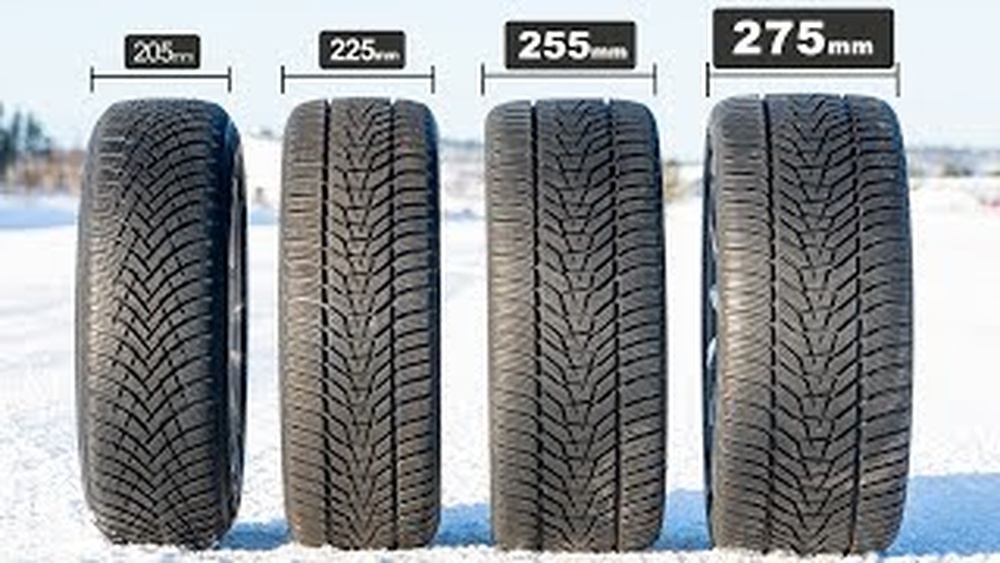
The numbers 180 and 200 refer to tire width in millimeters. A 180 tire is 180 mm wide from side to side. A 200 tire is wider, measuring 200 mm across. Wider tires cover more road surface. This difference changes how the tire interacts with the ground.
Impact On Contact Patch
The contact patch is the part of the tire touching the road. A wider tire like 200 creates a larger contact patch. This can improve grip and stability on straight roads. A 180 tire has a smaller contact patch, which may help with quicker turns. The size of the patch affects traction and ride feel. It also influences how the bike handles corners and braking.
Credit: www.1130cc.com
Grip Comparison
Choosing between a 180 and 200 rear tire affects your bike’s grip. Grip matters for control and safety. Each size offers different benefits on the road or track.
Traction On Different Surfaces
A 200 tire covers more surface area than a 180. This extra width improves grip on dry roads. It helps the bike stick better during acceleration.
On wet or slippery surfaces, the 180 tire can be easier to manage. It offers quicker response and less chance of sliding. The 200 tire may feel heavier and less nimble.
Cornering Stability
The 200 tire provides more stability in corners. Its larger contact patch supports the bike better at lean angles. Riders feel more confident taking sharp turns.
The 180 tire allows quicker direction changes. It suits riders who prefer agility over pure stability. It is easier to flick the bike side to side.
Performance Effects
Choosing between a 180 and 200 rear tire affects your bike’s overall performance. The size difference may seem small but changes how your bike rides. These changes impact acceleration, speed, handling, and control. Understanding these effects helps you pick the right tire for your needs.
Acceleration And Speed
A 180 rear tire is narrower and lighter. This allows quicker acceleration because there is less rolling resistance. The bike feels more responsive and easier to push forward. The 200 tire adds weight and width. It may reduce acceleration slightly but improves top speed stability. The larger contact patch grips better, giving more power on straights.
Handling And Maneuverability
The 180 tire offers sharper handling and easier cornering. It allows quicker lean angles and faster direction changes. The bike feels nimble and agile on twisty roads. The 200 tire provides extra traction and stability. This helps on rough or loose surfaces but makes the bike a bit harder to turn. It is better suited for high-speed riding and long distances.
Fuel Efficiency And Weight
Choosing between a 180 and 200 rear tire affects fuel efficiency and bike weight. Both factors influence how far and smooth your bike rides. A tire’s size changes how much energy your bike needs.
Rolling Resistance
Rolling resistance is the force that slows your bike down. A wider tire like the 200 has more contact with the road. This increases rolling resistance and uses more fuel. The 180 tire is narrower, so it rolls easier. Less resistance means better fuel efficiency. Riders wanting to save fuel might prefer the 180 tire.
Added Weight Considerations
The 200 tire is heavier than the 180 tire. Extra weight adds to the bike’s total mass. Heavier tires require more power to move. This can reduce fuel efficiency over long rides. The 180 tire weighs less and helps keep the bike lighter. Lighter bikes often handle better and use less fuel.
Cost And Availability
Choosing between a 180 and 200 rear tire involves more than just size. Cost and availability play a big role in the decision. Tires must fit your budget and be easy to find. This section breaks down price differences and tire options for both sizes.
Price Differences
Generally, 180 rear tires cost less than 200s. Smaller tires use less rubber, which lowers price. A 200 tire usually costs more due to size and material. Prices can vary by brand and tread pattern. Checking prices across shops helps find the best deal.
Tire Options And Brands
More brands make 180 rear tires than 200s. This means more choices and styles for 180s. Popular brands often offer budget and premium tires in 180 sizes. The 200 tire market is smaller but growing. Specialty tires for 200s may be harder to find. Availability depends on local shops and online stores.
Rider Preferences
Choosing between a 180 and 200 rear tire depends a lot on the rider’s style and needs. Each size offers different handling and comfort levels. Riders pick tires based on how they use their bike daily and what feels best on the road. Understanding these preferences helps find the perfect fit.
Sport Riding
Sport riders often prefer the 180 rear tire for sharp handling. It offers quicker turns and better grip in corners. The lighter weight helps improve acceleration and control. This tire size suits riders who want agile and fast responses on twisty roads. The 200 tire can feel heavier and less nimble during aggressive riding.
Touring And Daily Use
For touring or daily riding, many choose the 200 rear tire. It gives more stability and comfort over long distances. The wider tire offers better road contact and absorbs bumps well. This size is ideal for riders who carry extra gear or passenger weight. The 200 tire makes long rides smoother and less tiring.
Installation And Fitment
Choosing between a 180 and 200 rear tire affects more than just looks. Installation and fitment are key factors to consider. Proper fit ensures safety and performance. Tire size impacts how easily it mounts on your bike. It also influences handling and ride comfort.
Compatibility With Rims
Rims have width limits for tire sizes. A 180 tire fits well on most 5 to 6-inch wide rims. A 200 tire needs wider rims, usually 6 to 7 inches. Mounting a 200 tire on a narrow rim can cause poor bead seating. This leads to air leaks or tire damage. Check rim width before choosing your tire size.
Clearance Issues
A 200 tire is wider and taller than a 180. This can cause rubbing against the swingarm or chainstays. Bikes with tight rear end spacing may not fit a 200 tire safely. Suspension travel may also be affected by larger tires. Measure the space around your current tire before upgrading. Enough clearance prevents damage and ensures smooth operation.
Summary Of Pros And Cons
Choosing between a 180 and a 200 rear tire depends on what you need from your bike. Each size offers different benefits and some drawbacks. Understanding these pros and cons helps make the right choice easier.
Pros Of 180 Rear Tire
- Easier to handle and steer in tight spots.
- Lighter weight improves bike agility.
- Better fuel efficiency due to less rolling resistance.
- Often cheaper and more widely available.
- Fits easily on most stock wheels and frames.
Cons Of 180 Rear Tire
- Less grip on rough or wet surfaces.
- Lower stability at high speeds.
- May wear out faster under heavy loads.
- Limited traction for aggressive riding styles.
Pros Of 200 Rear Tire
- Better traction and grip on corners.
- More stability during fast rides.
- Handles rough terrain with more control.
- Durable and good for heavy bikes.
- Improves the bike’s overall road presence.
Cons Of 200 Rear Tire
- Heavier tire can reduce agility.
- Can lower fuel efficiency slightly.
- May not fit all bike frames without modification.
- Usually costs more than smaller tires.
- Harder to maneuver in tight spaces.
Credit: www.thevog.net
Frequently Asked Questions
What Are The Main Differences Between 180 And 200 Rear Tires?
A 200 rear tire is wider than a 180, offering more grip and stability. The 180 tire is lighter and provides quicker handling. Choose based on riding style and bike compatibility.
Does A 200 Rear Tire Improve Motorcycle Performance?
Yes, a 200 tire improves traction and cornering on straights and curves. However, it may reduce agility and increase rolling resistance compared to a 180 tire.
Will A 200 Rear Tire Fit My Bike Designed For 180?
Not always. Bikes made for 180 tires may require modifications to fit a 200 tire. Always check clearance, swingarm space, and manufacturer recommendations before upgrading.
How Does Tire Size Affect Fuel Efficiency Between 180 And 200?
A wider 200 tire increases rolling resistance, slightly reducing fuel efficiency. The 180 tire is more fuel-efficient due to less surface contact and lower weight.
Conclusion
Choosing between 180 and 200 rear tires depends on your riding style. A 180 tire offers quicker handling and lighter weight. A 200 tire provides better grip and stability on corners. Think about the roads you ride most often. Also, consider how much control you want on sharp turns.
Both sizes have clear benefits and small downsides. Pick the one that fits your needs best. This way, you enjoy a safer and smoother ride every time.