When winter roads get icy and snowy, your safety depends on having the right traction gear. You’ve probably heard about tire chains and tire cables, but which one is truly best for your vehicle and driving conditions?
Choosing the wrong option can mean the difference between a smooth, confident drive and a stressful, risky trip. You’ll discover the key differences between tire chains and tire cables, so you can make a smart choice that keeps you safe and in control.
Ready to find out which option fits your needs? Keep reading—you’ll thank yourself when the next snowstorm hits.

Credit: knowhow.napaonline.com
Tire Chains Basics
Tire chains help vehicles gain better grip on slippery roads. They wrap around tires to improve traction on snow and ice. Understanding their basics can help you choose the right option for safe driving.
Materials And Design
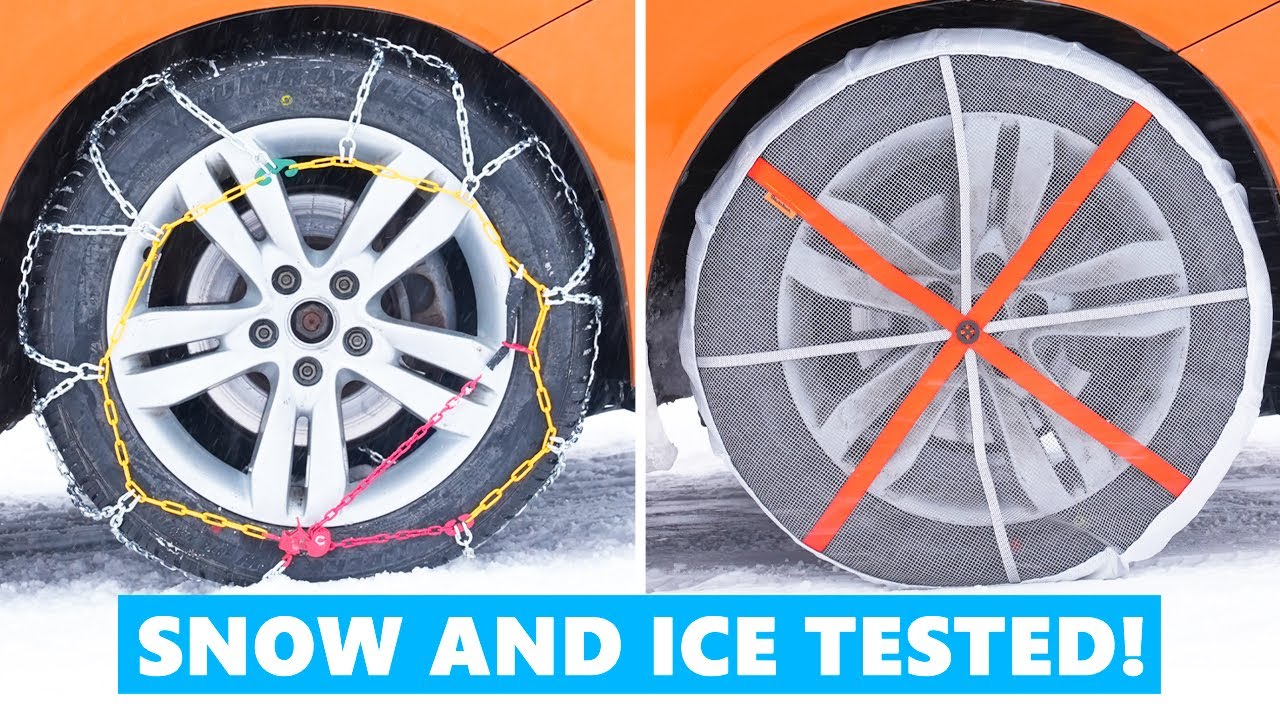
Tire chains are usually made of steel links. This strong material resists wear and tear. The design includes cross chains that dig into snow and ice. These chains cover the tire’s tread and sidewalls for extra grip.
Installation Process
Installing tire chains takes some practice but is straightforward. Lay the chains flat on the ground first. Drive the vehicle slowly onto the chains. Then, fasten the chains tightly around the tire. Always check for a secure fit before driving.
Common Uses
Tire chains suit driving on heavy snow and icy roads. They work best on trucks, SUVs, and larger vehicles. Many drivers use them in mountainous or rural areas. Chains provide extra safety during winter storms and deep snow.
Tire Cables Overview
Tire cables are a popular choice for drivers who need extra traction on snow and ice. They offer a simpler alternative to traditional tire chains. Tire cables wrap around the tire and provide grip without adding too much weight. They work well for light snow and icy roads. Many drivers prefer them for ease of use and comfort. Understanding their design and uses helps decide if they fit your needs.
Construction And Features
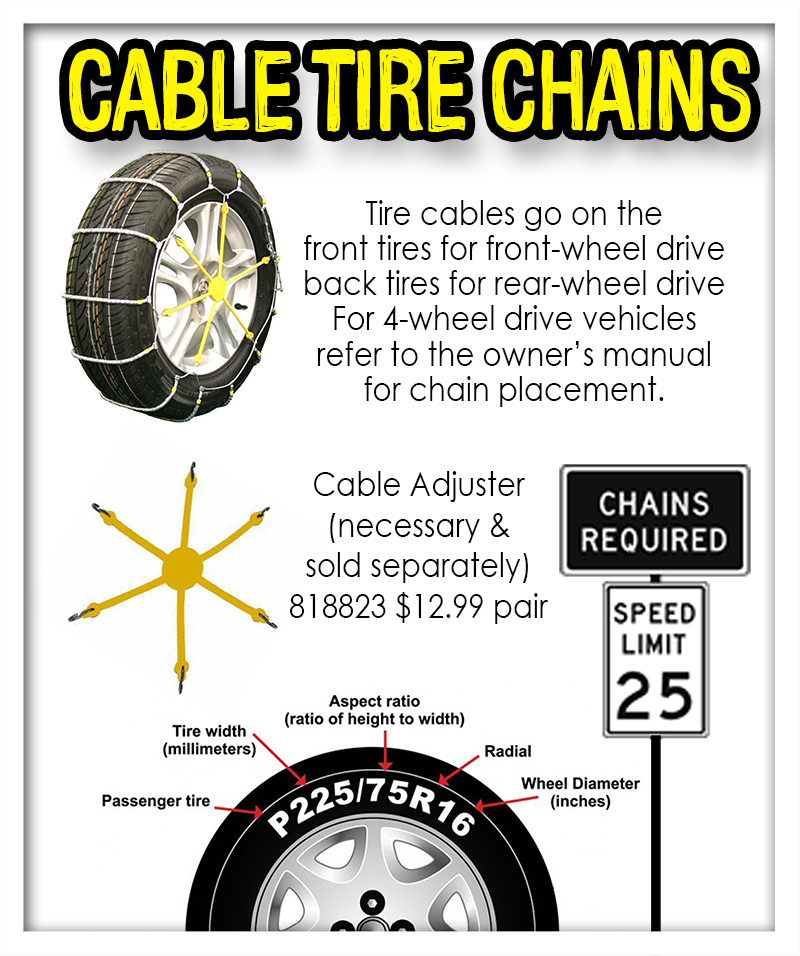
Tire cables consist of steel cables coated with plastic. This coating protects the tire and road surface. The cables form a web that fits snugly around the tire tread. They have fewer metal parts than chains. This makes them lighter and less noisy on the road. Tire cables are flexible, allowing for smooth driving.
How To Install
Installing tire cables is simple and fast. Lay the cables flat next to the tire. Drive the tire onto the cables slowly. Then connect the ends behind the tire. Adjust the tension so the cables fit tightly. No special tools are needed. This quick installation saves time in cold weather.
Typical Applications
Tire cables suit small cars and light trucks. They are best for occasional snow or icy conditions. Many use them for city driving or short trips. They are not ideal for deep snow or off-road use. Tire cables also work well on vehicles with limited clearance. They protect the tire and road from damage.
Traction Performance
Traction performance is key for safe driving in winter. Choosing the right traction device helps maintain control on icy or snowy roads. Tire chains and tire cables offer different levels of grip and handling. Understanding their traction strengths helps in picking the best option for your needs.
Grip On Ice
Tire chains provide strong grip on ice. Their metal links dig into slippery surfaces. This reduces wheel spin and improves vehicle stability. Tire cables have thinner links. They offer less bite on icy roads. Chains are better for extreme ice conditions.
Handling Snow
Tire chains handle deep snow well. They break through thick snow layers. This keeps tires from slipping. Tire cables work on light to moderate snow. They may struggle in heavy snow or packed ice. Chains give more reliable control in tough snow.
Road Surface Compatibility
Tire cables are lighter and less damaging. They suit roads with mixed surfaces. Cables cause less wear on pavement. Chains can harm road surfaces if used on bare pavement. Chains are best for mostly snowy or icy roads only.
Durability And Maintenance
Durability and maintenance are key factors when choosing between tire chains and tire cables. These qualities affect how long each option lasts and how much effort is needed to keep them in good shape. Understanding these differences helps pick the best tool for winter driving safety.
Wear And Tear
Tire chains are made of thick metal links. They resist heavy use on rough roads. Chains handle ice, snow, and rocks well without breaking easily. Tire cables use thinner metal and plastic coatings. They wear out faster on sharp or rocky surfaces. Cables may snap under high stress more than chains.
Care Tips
After use, chains need cleaning to remove mud and salt. Dry them fully to stop rust from forming. Store chains in a dry place to avoid corrosion. Cables also need cleaning and drying. Watch for cracks in the plastic coating. Replace cables if the coating breaks to avoid damage to tires.
Longevity Comparison
Tire chains usually last several winters with proper care. Their strong build supports long-term use. Tire cables often last fewer seasons. They suit lighter use and smoother roads better. Chains offer better durability but need more upkeep. Cables are easier to handle but may wear out quicker.
Comfort And Noise Levels
Comfort and noise levels are key factors when choosing between tire chains and tire cables. Both affect your driving experience on snowy or icy roads. Understanding these differences helps you pick the right option for your needs.
Ride Smoothness
Tire cables offer a smoother ride on dry pavement. Their thinner design creates less vibration and bumpiness. Tire chains are thicker and heavier, causing a rougher feel. On snow or ice, chains provide better traction but may reduce ride comfort. Cables balance comfort and grip but may slip more in deep snow.
Sound During Driving
Tire chains tend to be noisier on hard surfaces. Their metal links strike the road with each rotation. This noise can be loud and distracting. Tire cables produce less noise due to their smaller size. They create a quieter drive, especially at lower speeds. Both make some sound on ice, but cables are gentler on the ears.
Cost And Value
Choosing between tire chains and tire cables depends a lot on cost and value. These two options protect your tires in snow and ice. But their prices and long-term benefits vary. Understanding these differences helps you pick the right product.
Initial Price
Tire cables usually cost less than tire chains. They use thinner metal and simpler designs. This makes cables a budget-friendly choice for occasional use. Tire chains are thicker and heavier. They cost more because of strong materials and construction. Chains offer better grip but come with a higher price tag.
Long-term Investment
Tire chains last longer than cables under tough conditions. They handle harsh roads and heavy use better. Chains need less frequent replacement, saving money over time. Tire cables can wear out faster, especially on rough surfaces. You may need to buy new cables more often. Spending more upfront on chains can mean better value later.
Legal And Safety Considerations
Choosing between tire chains and tire cables involves more than just performance. Legal rules and safety matter a lot. Different places have laws on which traction device to use. Safety steps protect drivers and vehicles. Understanding these points helps avoid fines and accidents.
Local Regulations
Many states and countries require traction devices in snowy or icy conditions. Some only allow tire chains, while others accept tire cables. Rules vary by region and season. Signs on roads may tell you when to use chains or cables. Fines can happen if you break these laws. Checking local laws before driving is smart and safe.
Safety Precautions
Both tire chains and cables need proper installation. Poor fit can cause damage to tires or vehicle parts. Chains tend to be stronger but heavier. Cables are lighter but may wear out faster. Always test the fit in a safe place before driving. Drive slowly with any traction device to avoid slipping or breaking. Remove chains or cables when roads clear to prevent damage.
Credit: www.colehardware.com
Choosing The Right Option
Choosing the right option between tire chains and tire cables can be tricky. Both help improve traction on snowy or icy roads. Understanding which fits your needs best makes driving safer and easier. Consider your vehicle type, weather conditions, and personal preferences for the best choice.
Vehicle Types
Tire chains work well for trucks, SUVs, and larger vehicles. They offer strong grip on tough terrain. Tire cables suit smaller cars and light vehicles better. They are lighter and easier to install. Check your vehicle’s manual for recommended traction devices. Some cars may not fit bulky chains safely.
Weather Conditions
Heavy snow and ice demand robust tire chains. Chains provide better traction in deep snow. Tire cables perform well in light snow or icy patches. They cause less road damage on dry pavement. Choose chains for harsh winter weather. Use cables for milder, occasional winter conditions.
User Preferences
Chains are heavier and take more time to install. Some drivers prefer cables for their simplicity. Cables are easier to store and carry. Chains offer more durability but need care. Think about how often you will use them. Pick the option that fits your comfort and skill level.
Credit: www.youtube.com
Frequently Asked Questions
What Are The Main Differences Between Tire Chains And Cables?
Tire chains are made of heavy-duty metal links, offering strong traction. Tire cables are thinner steel wires, lighter but less durable. Chains provide better grip on ice and snow, while cables are easier to install and store. Both improve winter driving safety differently.
Which Is Better For Snowy Roads, Chains Or Cables?
Tire chains offer superior traction on deep snow and ice due to their robust design. Tire cables work well on light snow and icy patches but may slip in heavy snow. Chains are preferred for severe winter conditions, while cables suit mild winter driving.
How Easy Is It To Install Tire Chains Versus Cables?
Tire cables are generally easier and quicker to install due to their lighter weight and simpler design. Chains require more effort and experience to fit properly. Beginners often find cables more user-friendly, especially in cold or emergency situations.
Are Tire Chains Or Cables More Durable For Winter Use?
Tire chains are more durable and long-lasting, ideal for frequent winter driving. Cables wear out faster and can break under heavy use. Chains withstand rough terrain better, making them a cost-effective choice for regular snow and ice conditions.
Conclusion
Tire chains offer strong grip on deep snow and ice. Tire cables are lighter and easier to install. Chains suit tougher conditions but may cause more wear. Cables fit well for light snow and smoother roads. Choose based on your driving needs and conditions.
Both improve safety in winter but differ in use. Consider your vehicle, road type, and comfort level. Safe driving starts with the right tire traction aid. Stay prepared for winter challenges with the best option.