Are you confused about the difference between tire rotation and tire alignment? You’re not alone.
Both are crucial for keeping your car running smoothly, but they serve very different purposes. Understanding these two services can save you money, extend the life of your tires, and improve your driving safety. Keep reading to discover what each one really means and why knowing the difference matters for your vehicle’s health.
Tire Rotation Basics
Tire rotation is a simple car maintenance task. It helps your tires wear evenly and last longer. Each tire wears differently because of the car’s weight and driving style. Rotating tires moves them to new positions to balance this wear.
Understanding tire rotation basics can save money and improve safety. It also keeps your car running smoothly. Here are the key points about tire rotation you should know.
Purpose Of Tire Rotation
The main goal is even tire wear. Tires at the front often wear faster due to steering and braking. Moving tires helps spread out this wear. This keeps all tires in good shape longer. It improves traction and handling. It also reduces the chance of tire failure on the road.
Common Rotation Patterns
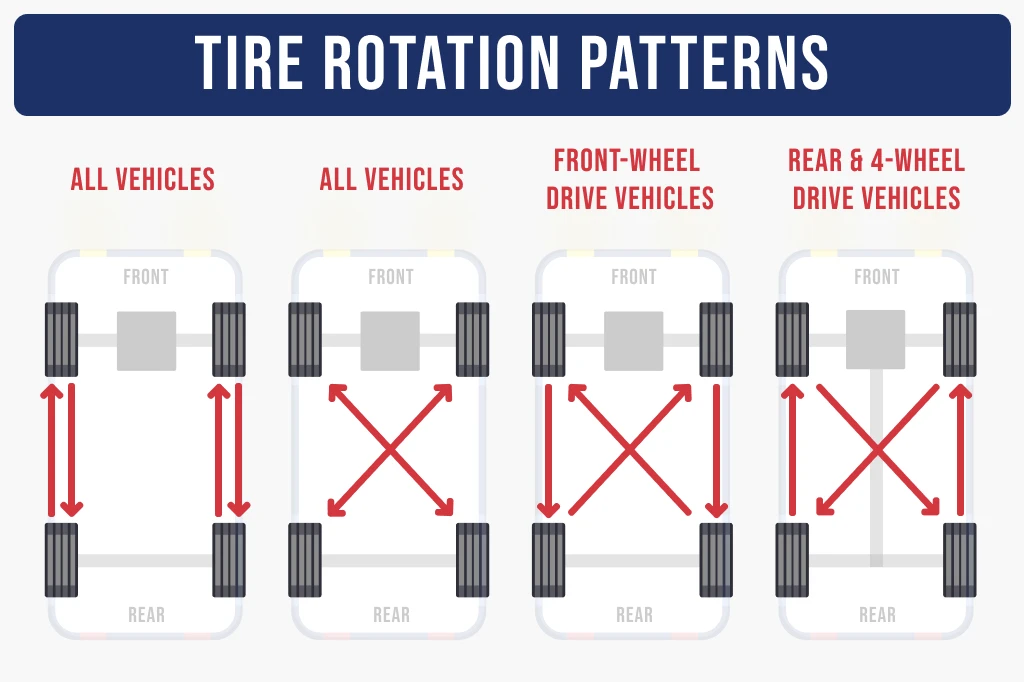
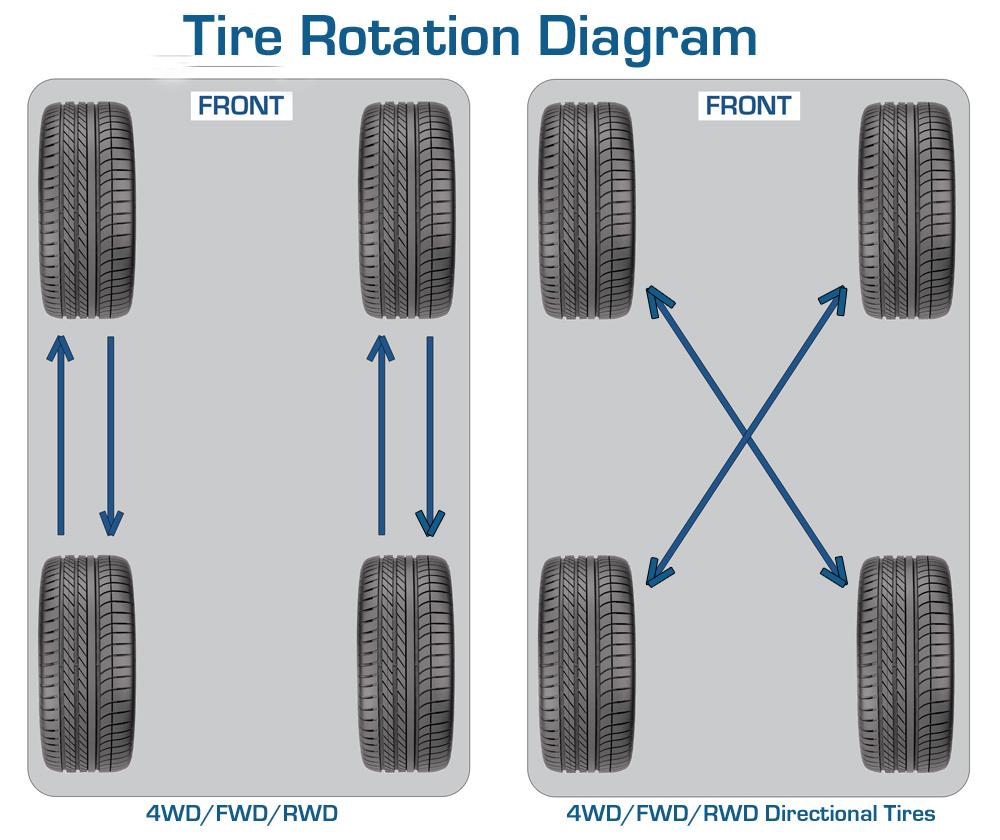
There are several ways to rotate tires. One common pattern swaps front tires with rear tires. Another crosses tires from one side to the other. The pattern depends on your car type and tire setup. Some cars use a “forward cross” or “rearward cross” method. Check your owner’s manual for the right pattern.
Recommended Frequency
Most experts suggest rotating tires every 5,000 to 8,000 miles. This is about every 6 months for average driving. Regular rotation matches your oil change schedule. Following this helps keep tires balanced and extends their life. Avoid waiting too long between rotations to prevent uneven wear.
Tire Alignment Essentials
Tire alignment keeps your vehicle running smoothly and safely. It helps your tires wear evenly and improves fuel efficiency. Proper alignment also makes driving easier and reduces steering problems.
Understanding tire alignment basics can save you money and prevent car damage. It is a key part of vehicle maintenance every driver should know.
What Is Tire Alignment
Tire alignment means adjusting the angles of your wheels. These angles control how your tires touch the road. Proper alignment ensures tires roll straight and true.
Alignment affects your vehicle’s handling, tire life, and fuel use. Misaligned wheels cause uneven tire wear and pull the car to one side.
Types Of Alignment Adjustments
There are three main types of alignment angles: camber, toe, and caster. Camber is the tilt of the wheel from top to bottom. Toe is how much the tires point inward or outward. Caster is the angle of the steering pivot.
Technicians adjust these angles to match your car’s factory settings. Each adjustment helps your car drive straight and keeps tires lasting longer.
Signs You Need Alignment
Your car pulling to one side is a common sign of bad alignment. Uneven or rapid tire wear is another warning. You might notice the steering wheel is off-center or vibrations while driving.
Strange noises or loose handling can also mean alignment problems. Getting an alignment check can prevent bigger issues and costly repairs.
How Rotation And Alignment Differ
Tire rotation and tire alignment are two key services for vehicle maintenance. Both help extend tire life and improve safety. They focus on different parts of the tires and vehicle system. Understanding how they differ helps keep your car running smoothly.
Focus And Function
Tire rotation moves tires from one position to another on the vehicle. It balances tire wear across all four tires. Tire alignment adjusts the angles of the tires. It ensures tires point in the right direction for better control.
Impact On Tire Wear
Rotation spreads out tire wear evenly. It prevents one tire from wearing faster than others. Alignment prevents uneven wear caused by misaligned wheels. It stops tires from wearing on one edge or side.
Effect On Vehicle Performance
Rotated tires keep traction balanced on all wheels. This improves handling and safety. Proper alignment improves steering response and fuel efficiency. Misalignment can cause pulling or vibrations while driving.
Credit: barrysautobody.com
Benefits Of Regular Rotation And Alignment
Regular tire rotation and alignment offer many benefits. These simple maintenance tasks help keep your vehicle safe and efficient. They also save money by avoiding early tire wear and poor fuel economy.
Rotating tires means moving them from one position to another. Alignment adjusts the angles of the tires to the correct settings. Both are important for smooth driving and tire health.
Extending Tire Lifespan
Tire rotation spreads wear evenly across all tires. Front tires wear faster due to steering and braking forces. Moving tires helps avoid uneven wear patterns. This makes tires last longer and perform better. Proper alignment prevents tires from wearing on one edge. It keeps the tread surface flat on the road. This reduces premature tire damage and extends their life.
Improving Fuel Efficiency
Correct tire alignment reduces rolling resistance. Misaligned tires cause drag, making the engine work harder. This leads to higher fuel consumption. Rotated tires maintain even tread depth, which also helps fuel economy. Keeping tires in good condition reduces wasted energy. The car moves more smoothly and uses less fuel.
Enhancing Safety And Handling
Proper alignment keeps the vehicle stable on the road. It improves steering response and control. Misaligned tires can cause pulling to one side or vibrations. Rotated tires maintain balanced traction on all wheels. This improves braking performance and handling in different conditions. Regular checks help avoid accidents caused by tire problems.
When To Rotate And Align Tires
Knowing when to rotate and align tires helps keep your vehicle safe and smooth. Proper timing prevents uneven wear and extends tire life. It also improves fuel efficiency and driving comfort.
Both tire rotation and alignment have different schedules. Understanding these helps you maintain your vehicle better.
Mileage Guidelines
Tires usually need rotation every 5,000 to 7,000 miles. This keeps wear even across all tires. Check your owner’s manual for exact numbers. Alignment checks often happen less often, around every 12,000 miles or once a year. Regular checks help catch problems early.
After Suspension Repairs
Suspension fixes can change wheel angles. This affects alignment and tire wear. Always get an alignment after suspension work. Rotating tires after repairs can also help balance wear. It keeps your car handling well and tires lasting longer.
Following Uneven Tire Wear
Uneven tire wear shows a need for action. Rotate tires if wear is uneven on one side. Check alignment if tires wear more on edges or center. Fixing alignment stops further damage. Early action saves money on new tires.
Credit: gotire.com
Diy Vs Professional Service
Deciding between doing tire rotation and alignment yourself or hiring a professional can be tricky. Both options have benefits and challenges. Knowing what each task requires helps you choose the best path for your car and budget.
Tools Needed For Rotation
Tire rotation is a task many can do at home. You need a jack to lift the car safely. A lug wrench helps remove and tighten the wheel nuts. A torque wrench ensures nuts are tightened correctly. A wheel chock keeps the car from rolling. These tools are common and affordable. Basic knowledge about jacking points and rotation patterns is important. The process takes less time than alignment.
Alignment Equipment Requirements
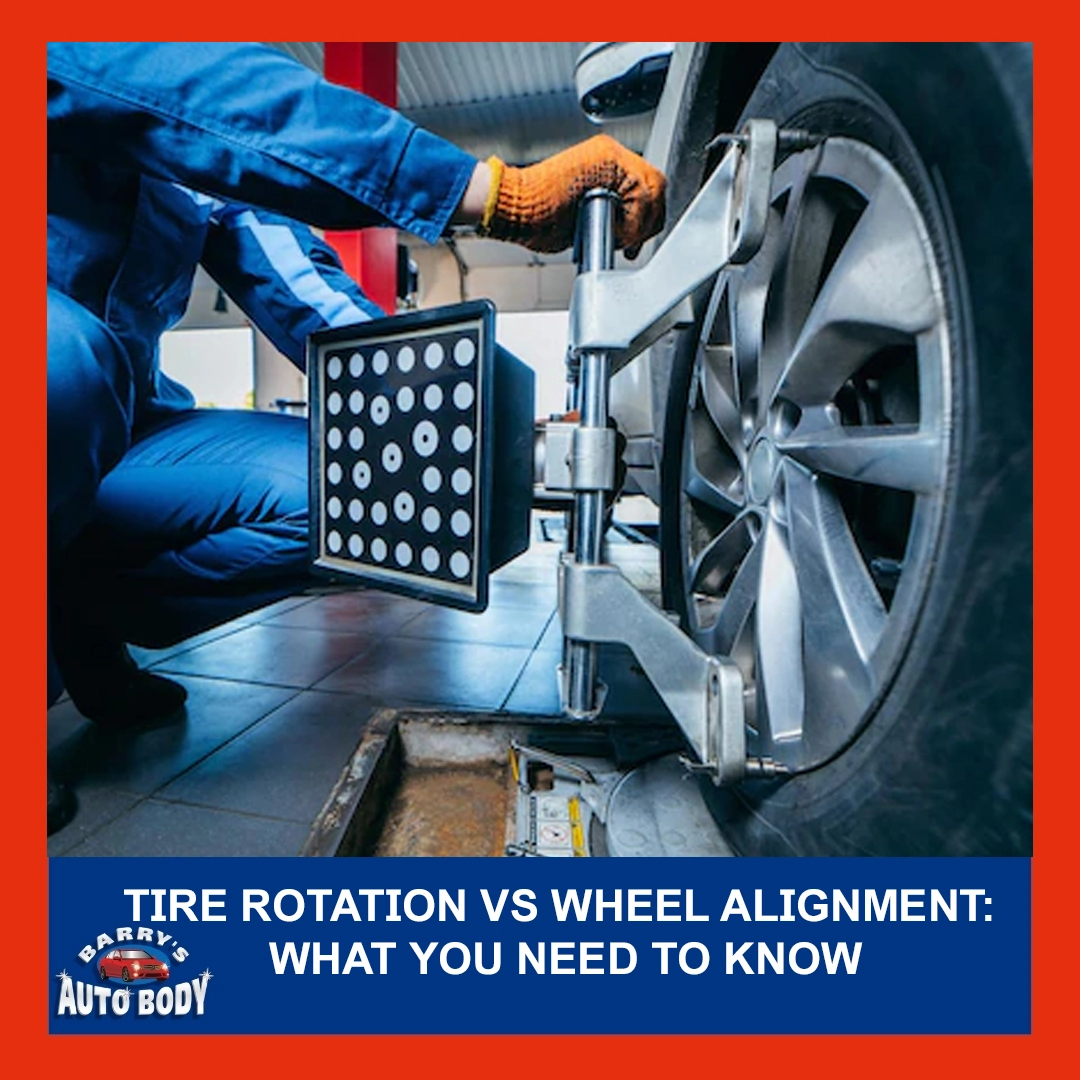
Alignment needs special tools and machines. Shops use alignment racks and sensors. These tools measure angles like camber, caster, and toe. Proper alignment requires precision and expertise. DIY alignment tools exist but are often costly and less accurate. Incorrect alignment can cause uneven tire wear. It may also affect handling and safety. Professional equipment ensures the job is done right.
Choosing The Right Service Provider
Pick a service provider with good reviews and experience. Check if they use modern alignment machines. Ask about their warranty on work done. Compare prices but avoid very cheap services. A skilled mechanic saves money by preventing future problems. Some shops offer both rotation and alignment together. This can be more convenient and cost-effective. Trust matters for car maintenance tasks.
Credit: carfromjapan.com
Frequently Asked Questions
What Is The Main Difference Between Tire Rotation And Alignment?
Tire rotation moves tires to even out wear, extending tire life. Alignment adjusts wheel angles for proper handling and tire wear. Both improve vehicle safety and performance but serve different purposes.
How Often Should I Rotate My Tires?
Rotate tires every 5,000 to 7,500 miles. Regular rotation ensures even tire wear and better traction. Check your vehicle’s manual for specific intervals.
When Should I Get A Tire Alignment?
Get an alignment if your car pulls to one side or after hitting a pothole. Regular alignment prevents uneven tire wear and improves fuel efficiency.
Can Tire Rotation Fix Alignment Issues?
No, rotation does not fix alignment problems. Rotation only evens out tire wear. Alignment requires adjusting wheel angles to factory specifications.
Conclusion
Tire rotation and tire alignment both keep your car running smoothly. Rotation moves tires to balance wear and extend their life. Alignment adjusts wheels to drive straight and avoid uneven tire wear. Skipping either can lead to early tire damage and poor handling.
Regular checks help catch issues before they grow costly. Taking care of tires saves money and improves safety. Simple steps like these protect your ride and keep it safe on the road. Choose both for the best tire health and driving comfort.