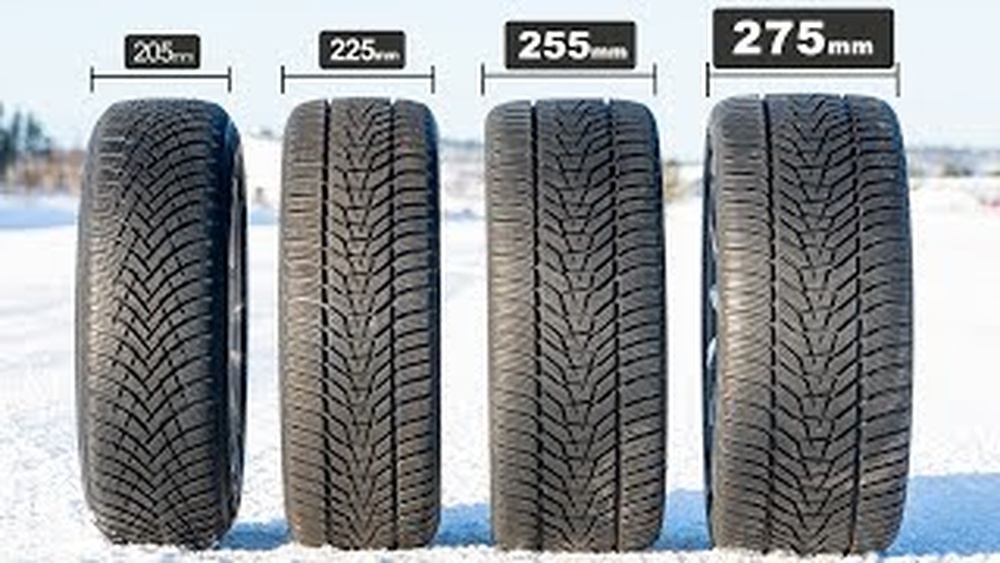
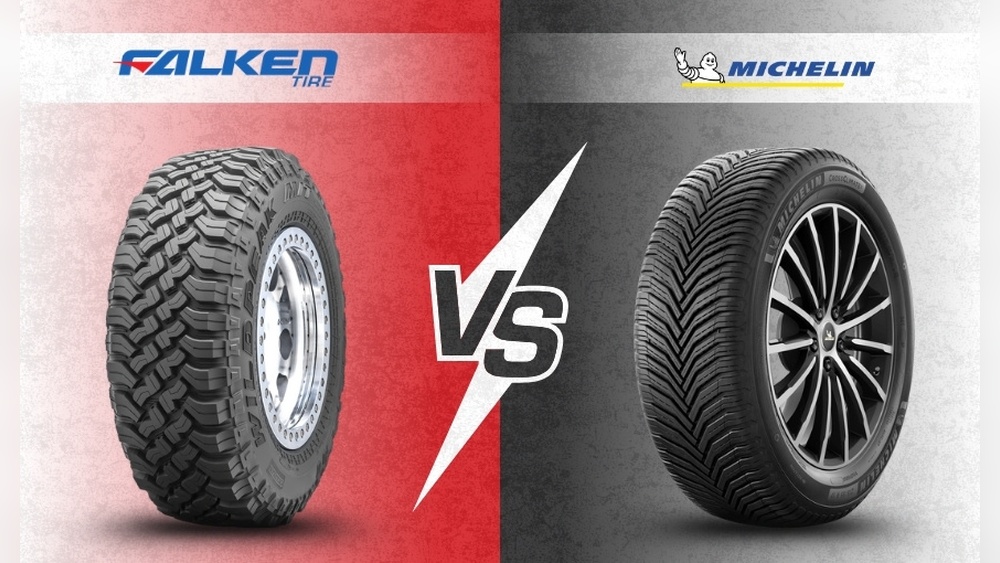
Choosing between 255 and 285 tires can feel tricky, especially when you want the best performance and look for your vehicle. You might wonder which size gives you better grip, smoother rides, or improved handling.
This decision affects your safety, fuel efficiency, and even how your car feels on the road. Keep reading, and you’ll discover the key differences that help you pick the perfect tire size for your needs—making every drive more confident and enjoyable.
Credit: www.reddit.com
Tire Size Basics
Tire size can be confusing. Numbers and letters on tires tell you many things. Understanding tire size helps you choose the right tires. It also affects how your car drives and looks. Let’s break down the basics of tire sizes, focusing on the numbers 255 and 285.
Decoding Tire Numbers
Tire size looks like this: 255/70R16. Each part means something. The first number, 255, is the tire’s width in millimeters. The second number, 70, is the aspect ratio. It shows the tire’s height compared to its width. The letter R means radial construction. The last number, 16, is the wheel diameter in inches. Knowing this helps you compare tire sizes easily.
Width And Aspect Ratio
The width is how wide the tire is from side to side. A 255 tire is 255 millimeters wide. A 285 tire is wider at 285 millimeters. Wider tires can give better grip but may use more fuel. The aspect ratio is the tire’s sidewall height as a percentage of the width. Lower ratios mean shorter sidewalls. This affects ride comfort and handling.
Impact On Vehicle Performance
Wider tires like 285 offer more traction on dry roads. They can improve cornering and braking. But they may cause more road noise and lower fuel efficiency. Narrower tires like 255 often give a smoother ride. They usually have less rolling resistance, saving fuel. Choosing between 255 and 285 depends on your driving style and road conditions.
Differences Between 255 And 285 Tires
Tires are a key part of any vehicle. Choosing the right tire size affects safety and performance. Two common sizes are 255 and 285 tires. They differ in width, grip, and sidewall height. These differences impact driving feel and handling. Understanding these can help pick the right tire for your needs.
Width Comparison
255 tires are narrower than 285 tires. The numbers represent the tire’s width in millimeters. A 255 tire is 255 mm wide. A 285 tire is 285 mm wide. The wider 285 tire covers more road surface. This means more contact with the road. Narrower 255 tires offer less rolling resistance. This can lead to slightly better fuel efficiency.
Tread Contact And Grip
The wider tread of 285 tires improves grip. More surface area touches the road. This helps with traction on dry and wet surfaces. It also enhances cornering stability. The 255 tire has less tread contact. This can reduce grip slightly. Yet, it may perform better on snow or ice. The smaller footprint can cut through snow easier.
Sidewall Height And Flexibility
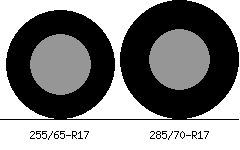
Sidewall height affects ride comfort and handling. A taller sidewall means more flexibility. Both 255 and 285 tires can have different sidewall heights. But often, 255 tires have taller sidewalls. This adds cushion over bumps and rough roads. The 285 tire usually has a shorter sidewall. This gives better steering response but a firmer ride.
Performance Considerations
Tire size affects how a vehicle performs on the road. Choosing between 255 and 285 tires means balancing different aspects of performance. Each size changes the driving experience in its own way.
This section breaks down key performance factors. Understanding handling, acceleration, braking, and fuel efficiency helps pick the right tire size.
Handling And Stability
Wider tires like 285 offer more grip on the road. This improves cornering and reduces slipping. The wider contact patch helps keep the vehicle steady.
On the other hand, 255 tires are lighter and easier to steer. They provide quicker response during sharp turns. This can feel more agile on smooth roads.
For rough or wet surfaces, 285 tires give extra stability. The extra width spreads the vehicle’s weight better. This can boost confidence in tricky conditions.
Acceleration And Braking
Smaller tires like 255 usually accelerate faster. They have less rolling resistance and weigh less. This means the engine can move the car quickly.
285 tires require more power to spin, which may slow acceleration. The heavier tire mass adds resistance. Braking distances can also be longer with wider tires.
However, 285 tires offer stronger braking grip on dry roads. The larger surface helps stop the car more firmly. This is good for high-speed driving.
Fuel Efficiency
255 tires tend to be better for fuel economy. Their smaller size and lighter weight reduce engine load. This lowers fuel use during normal driving.
285 tires increase drag and rolling resistance. The engine works harder, using more fuel. This can add up over long trips.
Choosing tire size impacts daily fuel costs. Smaller tires help keep fuel consumption lower.
Credit: www.tacomaworld.com
Fitment And Compatibility
Choosing between 255 and 285 tires affects more than just appearance. Fitment and compatibility are key to safe, smooth driving. The right tire size must match your vehicle’s wheels and suspension. This prevents damage and keeps your ride comfortable.
Wheel Size And Offset
Tire width must fit the wheel’s width. A 255 tire fits a narrower wheel than a 285 tire. Using a wider tire on a narrow wheel can cause uneven wear. Wheel offset changes how the tire sits in the wheel well. Incorrect offset may cause rubbing on suspension parts or body panels.
Suspension And Clearance
Wider tires need more space around suspension parts. A 285 tire may rub against shocks or control arms if space is tight. Suspension lift or modifications can help fit bigger tires. Check clearance to avoid damage during turns or bumps.
Speedometer And Odometer Effects
Tire size impacts speedometer and odometer accuracy. Larger tires like 285s cover more ground per rotation. This causes the speedometer to show a slower speed than actual. Odometer readings will also be lower, affecting mileage tracking. Calibration may be needed after changing tire size.
Cost And Availability
Cost and availability are key factors when choosing between 255 and 285 tires. These aspects affect your budget and how quickly you can replace your tires. Understanding the price range and availability helps in making a smart choice. Let’s explore these points in detail.
Pricing Differences
255 tires usually cost less than 285 tires. This is because 255 tires use less material and are lighter. The price gap can range from $20 to $50 per tire. Budget-conscious buyers often prefer 255 tires for this reason. The cost difference adds up if you buy a full set of four tires.
Tire Brands And Models
Many brands offer both 255 and 285 sizes. Popular brands include Michelin, Bridgestone, and Goodyear. The 255 tire options are broader, making them easier to find. Some specialty or off-road models may only come in 285 size. Availability depends on your location and tire store stock.
Replacement Frequency
Replacement frequency depends on tire wear and usage. 285 tires often last longer due to a wider contact patch. This means better grip and even wear. However, 255 tires might wear out quicker under heavy loads. Proper maintenance affects how often you need to replace either tire size.
Use Case Scenarios
Tire size affects how a vehicle drives and handles. Choosing between 255 and 285 tires depends on how you use your vehicle. Each size offers unique benefits for different activities and road conditions. Understanding these use case scenarios helps pick the right tire for your needs.
Daily Driving
For everyday driving, 255 tires are a common choice. They provide good fuel efficiency and smooth rides on city roads. These tires fit most standard vehicles well. They also offer reliable grip and comfortable handling for daily commutes. The narrower width reduces road noise and improves tire life.
Off-road Adventures
Off-road driving demands tires with extra grip and durability. The wider 285 tires perform better in mud, sand, and rocky terrain. They offer more surface area to handle rough conditions. This size enhances traction and stability on uneven paths. Drivers who explore trails often prefer 285 tires for their toughness.
Performance And Racing
Performance driving requires tires that can handle speed and sharp turns. The 285 size provides a wider contact patch with the road. This improves cornering grip and braking power. Racing cars and sports vehicles benefit from 285 tires’ added stability. However, 255 tires can still offer good control for lighter performance cars.
Installation And Maintenance Tips
Installing and caring for 255 vs 285 tires needs attention to detail. Proper steps help keep your tires safe and lasting longer. Follow these tips for smooth rides and better tire life.
Proper Mounting Techniques
Mount tires on wheels carefully. Use the right tools to avoid damage. Check tire direction and match it with wheel rotation. Tighten lug nuts in a star pattern for even pressure. Avoid over-tightening to prevent wheel or tire problems.
Tire Rotation And Balancing
Rotate tires every 5,000 to 7,000 miles. This balances tire wear and extends tire life. Balance tires to avoid vibrations while driving. Balancing keeps the car stable and reduces uneven wear. Use professional help for accurate rotation and balancing.
Monitoring Tire Wear
Check tires regularly for signs of wear and damage. Look for uneven tread or bald spots. Measure tread depth to ensure safety. Replace tires if tread is too low. Keep tires inflated to the correct pressure to avoid quick wear.

Credit: www.youtube.com
Frequently Asked Questions
What Are The Main Differences Between 255 And 285 Tires?
255 tires are narrower, offering better fuel economy and quicker steering. 285 tires are wider, providing improved traction, stability, and off-road performance.
How Do 255 Vs 285 Tires Affect Vehicle Handling?
255 tires provide sharper handling on paved roads. 285 tires enhance grip and control, especially on rough or slippery surfaces, improving overall stability.
Which Tire Size Is Better For Off-road Driving?
285 tires are better for off-road driving due to their wider tread. They offer superior traction and durability on uneven terrain compared to 255 tires.
Do 285 Tires Impact Fuel Efficiency Compared To 255 Tires?
Yes, 285 tires typically reduce fuel efficiency because of higher rolling resistance and weight. 255 tires are more fuel-efficient for daily driving.
Conclusion
Choosing between 255 and 285 tires depends on your needs. Wider tires like 285 offer better grip and stability. Narrower 255 tires can improve fuel efficiency and steering. Consider your vehicle type and driving style carefully. Both sizes have pros and cons to think about.
Balance comfort, performance, and cost before deciding. Your choice affects handling and ride quality. Test both if possible to find what fits best. Drive safely with the right tires for your car.