Choosing the right tires for your vehicle can feel overwhelming. You want something safe, reliable, and worth your money.
When it comes to top brands, Continental and Michelin often stand out. But which one is truly better for your driving needs? You’ll discover key differences that can help you make the best choice. By the time you finish reading, you’ll feel confident about which tire suits your lifestyle and keeps you safe on the road.
Let’s dive in and find out what sets Continental Tires and Michelin Tires apart.
Brand History
The history of a tire brand tells a lot about its trust and quality. Continental and Michelin both have rich pasts. Their stories show how they grew and changed over time. This section highlights their origins and heritage. Understanding their history helps you know what each brand stands for.
Continental Origins
Continental started in 1871 in Germany. It began as a rubber company. The first products were soft rubber items. Soon, it moved to making tires for bicycles and cars. Continental grew fast with new ideas and technology. It became a key player in the tire world. The brand is known for strong, safe tires today.
Michelin Heritage
Michelin was founded in 1889 in France. Two brothers, Édouard and André Michelin, started it. They invented the removable pneumatic tire. This innovation changed travel and transport forever. Michelin also created the famous Michelin Guide. The brand is linked to quality and innovation. It remains a leading name in the tire industry.

Credit: www.youtube.com
Tire Technology
Tire technology plays a big role in safety and performance. It shapes how tires grip the road, wear down, and handle different weather. Both Continental and Michelin invest in new tech to improve driving experience. Their innovations focus on tread design, materials, and durability.
Innovations By Continental
Continental uses advanced rubber compounds for better grip on wet roads. Their ContiSeal technology helps stop air loss after a puncture. This adds safety and convenience for drivers. The company also develops EcoPlus technology to reduce rolling resistance. It improves fuel efficiency and lowers carbon emissions.
Michelin’s Technological Edge
Michelin focuses on long tire life and fuel savings. Their EverGrip technology keeps tires gripping even as they wear. This means safer driving over time. Michelin also uses CrossClimate technology to provide good traction in many weather types. Their tires balance comfort, performance, and safety well.
Performance On Road
Performance on the road is a key factor when choosing between Continental and Michelin tires. Both brands aim to deliver safety and comfort. Yet, their designs offer different driving experiences. Understanding these differences helps you pick the right tire for your needs.
Wet And Dry Traction
Continental tires provide excellent grip on wet roads. Their tread patterns channel water away to reduce slipping. This makes driving safer during rain. Michelin tires also perform well in wet conditions. They use special rubber compounds to improve traction. On dry roads, Continental tires offer solid grip and quick response. Michelin tires shine with smooth and steady contact. Both brands keep you confident on dry pavement.
Handling And Stability
Continental tires deliver sharp handling and precise control. Their design helps keep the car stable in corners. Michelin tires focus on balanced handling with comfort. They absorb bumps while maintaining stability at high speeds. Continental suits drivers who want a sportier feel. Michelin fits those who prefer a smooth, stable ride. Both options improve your control and safety on the road.
Durability And Wear
Durability and wear are key factors when choosing tires. These traits affect safety, cost, and driving comfort. Tires that last longer save money and reduce hassle. Both Continental and Michelin offer strong options. Understanding their tread life and damage resistance helps pick the best tire.
Tread Life Comparison
Michelin tires often have a longer tread life. Their advanced rubber compounds resist wear on highways and city roads. Continental tires also perform well but tend to wear slightly faster. Tire lifespan depends on driving habits and road conditions too. Regular rotation and proper inflation extend tread life for both brands.
Resistance To Damage
Continental tires use strong sidewalls to resist cuts and punctures. They handle rough roads and debris better. Michelin tires offer good protection but focus more on smooth rides. Both brands aim to reduce tire damage from impacts. Choosing the right tire depends on your driving environment and needs.
Comfort And Noise
Comfort and noise are key factors when choosing tires. They affect your driving experience daily. Smooth rides and low noise make trips pleasant. Both Continental and Michelin focus on these features.
Ride Smoothness
Continental tires offer a soft ride on most roads. Their design absorbs bumps well. This reduces shaking inside the car. Michelin tires also provide smooth rides. They use special rubber to soften impacts. Many drivers find Michelin tires gentle on rough roads.
Noise Levels
Noise inside the car can be distracting. Continental tires tend to keep road noise low. Their tread patterns cut down sound effectively. Michelin tires are known for quiet performance. They use advanced technology to reduce noise. Both brands help keep your cabin calm and peaceful.
Fuel Efficiency
Fuel efficiency is a key factor when choosing tires. It affects how far your car can travel using a certain amount of fuel. Tires that save fuel help reduce costs and pollution. Both Continental and Michelin offer tires designed to improve fuel economy. Understanding their differences can help you make a better choice for your vehicle.
Rolling Resistance
Rolling resistance measures how much energy tires need to roll. Lower rolling resistance means less fuel is needed. Michelin tires often have advanced compounds that reduce rolling resistance. Continental also uses special materials but focuses on balancing grip and resistance. Both brands aim to keep rolling resistance low to save fuel.
Impact On Mileage
Tires with low rolling resistance increase mileage per gallon. Michelin tires are known for consistent fuel savings over time. Continental tires provide good mileage but sometimes prioritize handling. The exact mileage depends on the tire model and driving habits. Choosing the right tire can lead to noticeable fuel savings on long drives.
Price And Value
Price and value play a big role when choosing tires. Both Continental and Michelin offer quality products. Understanding their costs and benefits helps buyers decide. Budget and long-term use matter most. Here is a clear look at their prices and support.
Cost Comparison
Continental tires generally cost less than Michelin. Prices vary by tire type and size. Continental focuses on affordable options for many drivers. Michelin tires often come with a higher price tag. The extra cost reflects advanced technology and durability. Budget-conscious buyers may prefer Continental. Those seeking premium performance might choose Michelin.
Warranty And Support
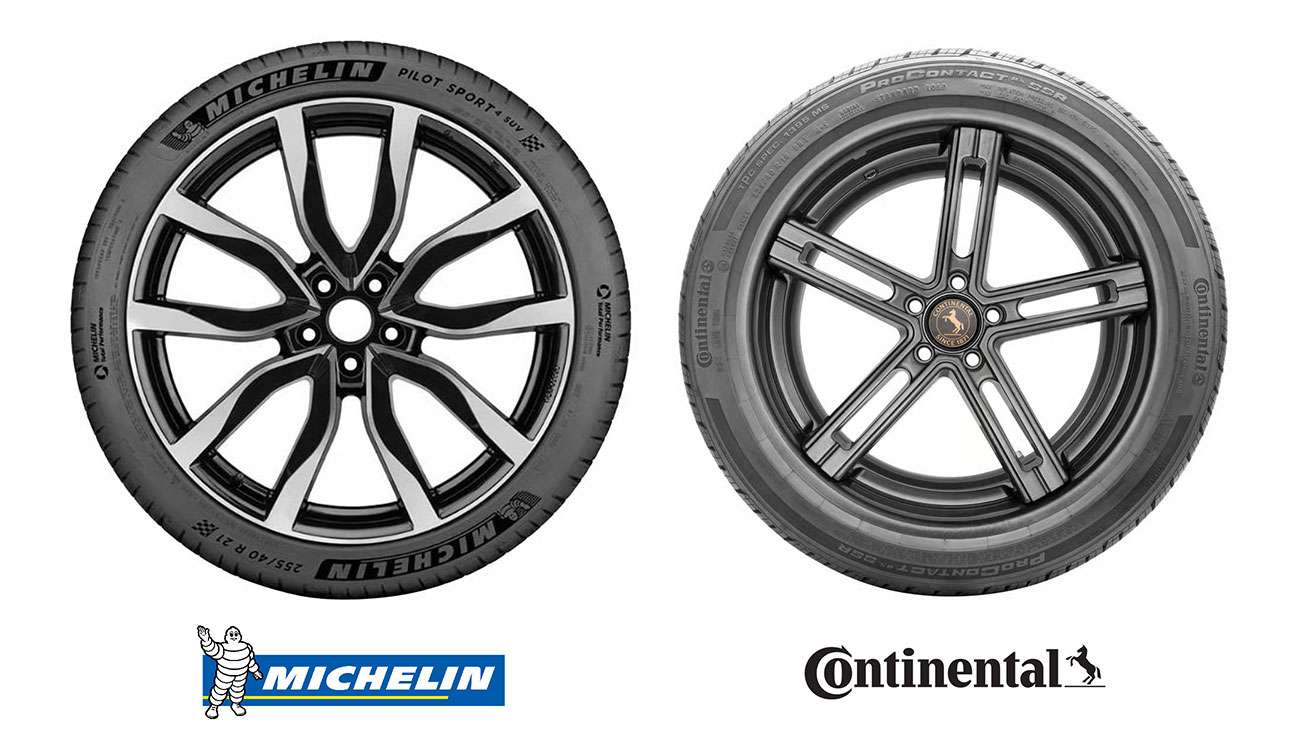
Both brands provide solid warranties. Continental usually offers a 6-year limited warranty. Michelin often extends coverage to 7 years. Road hazard protection varies by model and seller. Customer service is reliable for both companies. Michelin’s support network is larger globally. Continental has strong service in key markets. Warranties add value by protecting your investment.
Credit: www.performanceplustire.com
User Reviews
User reviews offer real insights into Continental and Michelin tires. They reveal how these tires perform on roads every day. Reading what users share helps you understand strengths and weaknesses. Genuine feedback from drivers brings clarity beyond specs and ads.
Customer Satisfaction
Many users praise Continental tires for their strong grip and quiet ride. Drivers say these tires handle well in wet and dry conditions. Users also like how Continental tires last over time. Michelin tires receive high marks for comfort and fuel efficiency. Customers mention a smooth drive and good traction on different surfaces. Both brands have loyal fans who trust their quality and safety.
Common Complaints
Some Continental users report faster tread wear on rough roads. A few mention noise at higher speeds. Michelin tires sometimes get feedback about higher prices. A small group finds them less effective in deep snow. Both brands face occasional complaints about tire balancing and installation. These issues vary by tire model and driving habits.
Best Use Cases
Choosing the right tire depends on how you use your vehicle daily. Both Continental and Michelin offer tires that suit different driving needs. Understanding their best use cases can help you pick the perfect match for your car. This section explores where each brand shines the most.
City Driving
Continental tires perform well in city traffic. They provide good grip on wet and dry roads. Their tires reduce road noise, making city rides quieter. Fuel efficiency is another benefit with Continental tires. They help save money on gas during stop-and-go traffic. Michelin tires also excel in urban settings. They offer strong durability on paved roads. Michelin tires maintain comfort on rough city streets. Both brands ensure safety with responsive handling. City drivers can trust either for daily commutes.
Off-road And Performance
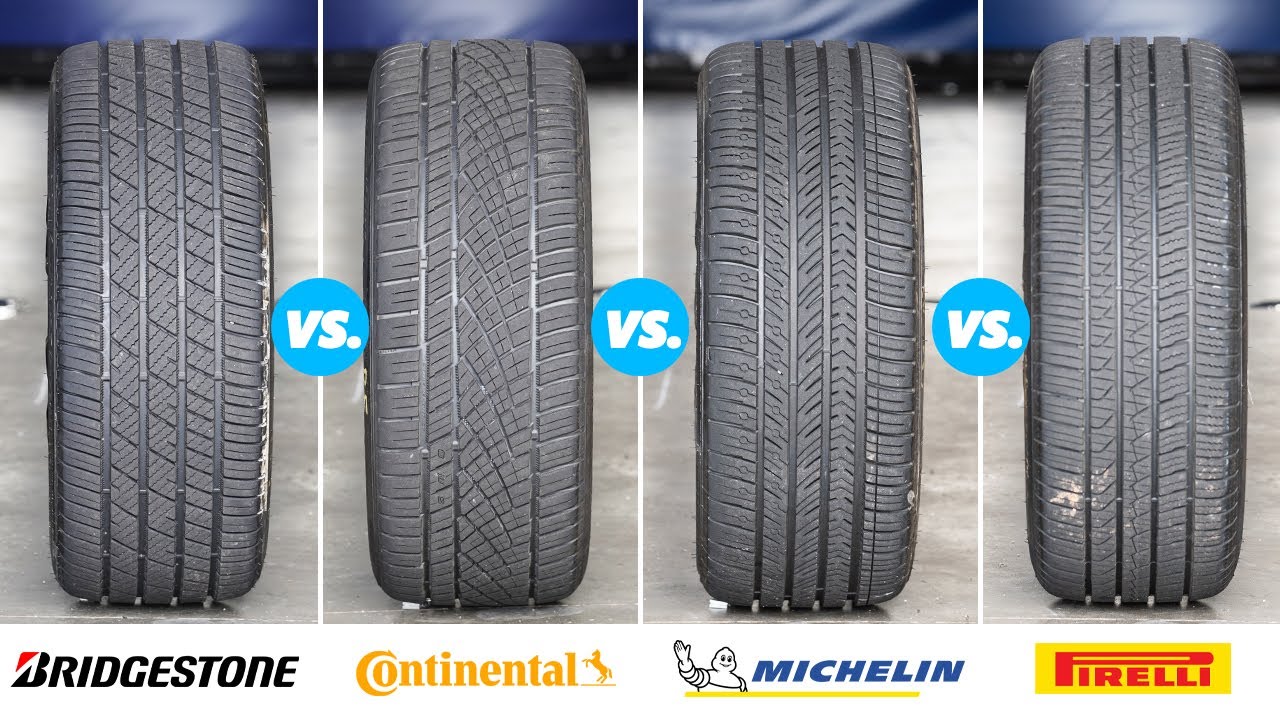
Michelin tires are better for off-road adventures. Their designs handle rough terrain and mud well. They offer strong traction on dirt and rocks. Michelin tires also support high-performance sports cars. They provide stability and control at high speeds. Continental tires suit light off-road use but focus more on highway comfort. Their tires balance performance with smooth rides. Drivers who want sporty handling might prefer Michelin. For mixed road use, Continental remains a solid choice.
Credit: www.youtube.com
Frequently Asked Questions
Which Tire Brand Offers Better Durability, Continental Or Michelin?
Michelin tires generally provide superior durability due to advanced rubber compounds. Continental tires are durable too but often prioritize performance and comfort over lifespan.
How Do Continental Tires Compare In Wet Traction To Michelin?
Continental tires excel in wet traction with innovative tread designs. Michelin also performs well, but Continental is often preferred for superior grip on wet roads.
Are Michelin Tires More Fuel-efficient Than Continental Tires?
Michelin tires are known for better fuel efficiency thanks to low rolling resistance technology. Continental tires offer good efficiency but slightly less than Michelin overall.
Which Brand Provides Better Ride Comfort, Continental Or Michelin?
Michelin tires typically deliver a smoother, quieter ride. Continental focuses on balanced comfort and handling, making both brands comfortable but with slightly different strengths.
Conclusion
Choosing between Continental and Michelin tires depends on your needs. Both brands offer strong performance and safety. Continental tires often excel in wet conditions. Michelin tires usually provide longer tread life. Consider your budget and driving style carefully. Quality tires improve driving comfort and control.
Take time to review tire features before buying. Good tires keep you safe on the road. The right choice supports your car’s best performance.