Choosing the right tires for your trailer can make all the difference in safety and performance. If you’ve ever wondered whether 10 ply or 14 ply trailer tires are better for your needs, you’re not alone.
The numbers might seem confusing, but they actually tell you a lot about strength and durability. You’ll discover exactly what these ratings mean and how they impact your trailer’s ride. By the end, you’ll feel confident picking the perfect tires that keep your load secure and your travels smooth.
Keep reading—you don’t want to make a costly mistake with your trailer tires.
Ply Rating Basics
Understanding ply ratings helps you choose the right trailer tire. Ply rating shows how strong a tire is. It affects the tire’s load capacity and durability. Knowing the basics makes it easier to compare 10 ply and 14 ply tires.
What Ply Rating Means
Ply rating is a number given to tires based on their strength. It started as the count of layers inside a tire. Each layer is called a ply. More plies mean a stronger tire. Today, ply rating reflects the tire’s strength, not just the layers.
For example, a 10 ply tire is made to carry less weight than a 14 ply tire. The ply rating helps tell how tough the tire is. It guides you in picking a tire for your trailer’s needs.
Impact On Tire Strength
A higher ply rating means a tire can carry more weight safely. A 14 ply tire is stronger than a 10 ply tire. It handles rough roads and heavy loads better. It also lasts longer under tough conditions.
Using a tire with the right ply rating keeps your trailer safe. Tires with lower ply ratings may wear out faster under heavy loads. This can cause tire failure or accidents. Choose the ply rating that matches your trailer’s weight and use.
Construction Differences
The construction of trailer tires affects their strength and durability. Understanding the differences between 10 ply and 14 ply tires helps in choosing the right tire for your trailer. The number of plies shows how many layers are inside the tire. These layers protect the tire from damage and support the load it carries.
Material Layers In 10 Ply Tires
10 ply tires have ten layers of material inside. These layers are mostly made from strong fabric and rubber. The fabric layers are usually made of nylon or polyester. These materials give the tire flexibility and strength. The rubber helps protect the tire from wear and tear. Ten layers provide good load support for light to medium trailers.
These tires balance weight and toughness. They are lighter than higher ply tires. This makes them easier to handle and reduces fuel use. The 10 ply design also helps in smooth rides on normal roads.
Material Layers In 14 Ply Tires
14 ply tires have fourteen layers of fabric and rubber. More layers mean extra strength and protection. The fabric layers are thicker and stronger. This helps the tire carry heavier loads without damage. The rubber is also thicker to resist cuts and punctures better.
These tires are heavier and tougher than 10 ply tires. They work well for heavy trailers and rough roads. The 14 ply design improves durability and tire life. It also offers better stability for large loads.
Load Capacity Comparison
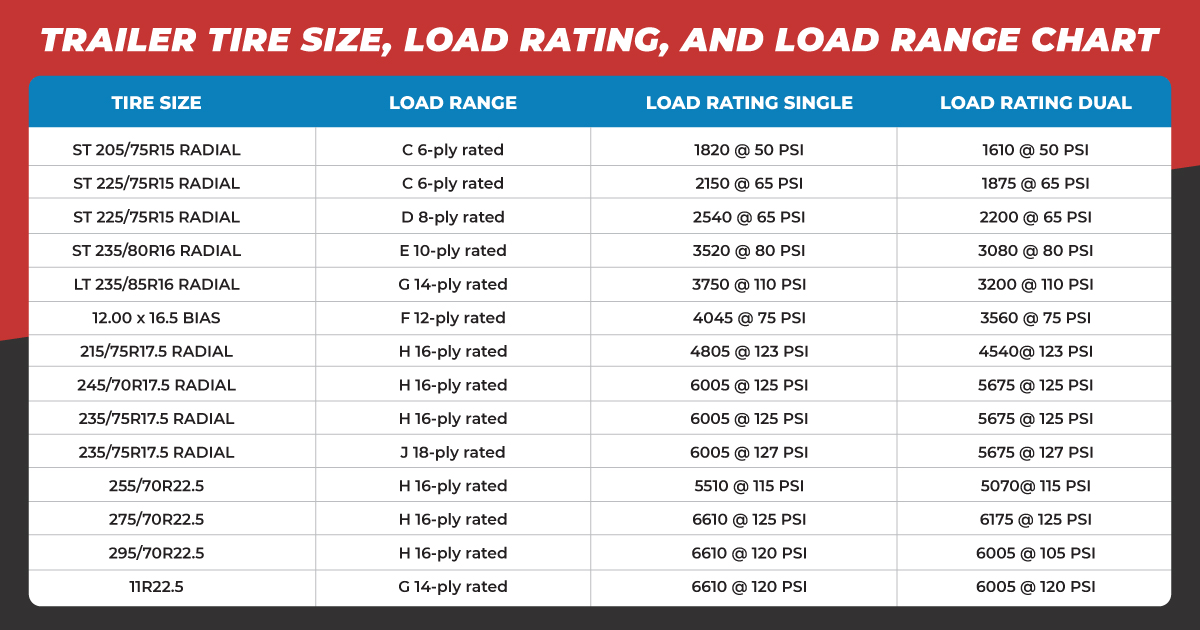
Load capacity is a key factor when choosing trailer tires. It tells you how much weight the tires can safely carry. Picking the right ply rating helps avoid tire damage and accidents. Below, we compare the load limits of 10 ply and 14 ply tires.
Weight Limits For 10 Ply Tires
10 ply tires usually support between 2,000 and 3,000 pounds per tire. They work well for small to medium trailers. These tires are strong enough for light loads but not for heavy hauling. Using 10 ply tires on heavier trailers can cause faster wear or tire failure.
Weight Limits For 14 Ply Tires
14 ply tires carry heavier loads, often between 3,500 and 4,500 pounds per tire. They suit large trailers and heavy-duty tasks. These tires offer more strength and durability. They help maintain safety under tough conditions and heavy weights.

Credit: best4living.sk
Durability In Rough Conditions
Durability in rough conditions matters most for trailer tires. Tough roads, sharp objects, and heavy loads test tire strength. Choosing the right ply rating helps avoid breakdowns and costly repairs. Understanding how 10 ply and 14 ply tires hold up can guide your choice. Each offers different levels of toughness and support for harsh environments.
Resistance To Punctures
14 ply tires have thicker layers than 10 ply tires. This thickness helps stop sharp objects from piercing the tire. Roads with nails, glass, or rocks pose less risk for 14 ply tires. 10 ply tires can resist many punctures but may fail faster on rough paths. Stronger sidewalls in 14 ply tires also protect against cuts and tears. This means fewer tire problems during long trips.
Handling Heavy Loads
14 ply tires support heavier loads better than 10 ply tires. This makes them suitable for trailers carrying heavy equipment or goods. The extra plies provide more strength and reduce tire strain. 10 ply tires work well for lighter loads and regular use. Overloading 10 ply tires can cause quick wear and blowouts. Choosing the right ply ensures safer and smoother transport on tough roads.
Performance On Different Terrains
Trailer tires face many road types. Their strength and design affect how well they perform. Choosing the right ply rating matters for safety and control. Ply rating shows tire toughness and load capacity. It also impacts grip and wear on various surfaces.
Understanding the differences between 10 ply and 14 ply tires helps pick the best for your needs. Each type handles terrain differently. Let’s explore their performance on off-road and highway surfaces.
Off-road Capability
Off-road driving needs strong tires with good traction. 14 ply tires have thicker layers, making them tougher on rough paths. They resist cuts and punctures better than 10 ply tires. This strength helps in rocky or muddy areas.
10 ply tires offer decent off-road grip but wear faster on sharp terrain. They suit lighter loads and less challenging trails. For heavy trailers or tough off-road use, 14 ply tires provide more durability and safety.
Highway Stability
Highway driving demands smooth rides and steady handling. 10 ply tires are lighter, which can improve fuel efficiency. They offer good stability on paved roads and absorb bumps well.
14 ply tires support heavier loads but may feel stiffer on highways. They handle weight better, reducing tire flex and heat build-up. This stability helps maintain control at high speeds, especially with heavy trailers.
Choosing between 10 ply and 14 ply depends on load size and road type. Both have strengths for highway use but differ in comfort and durability.
Credit: www.tires-easy.com
Cost Considerations
Cost is a big part of choosing between 10 ply and 14 ply trailer tires. It affects your budget now and later. Knowing the cost differences helps you pick the right tire for your needs. Think about the upfront price and what you get over time. Both matter a lot.
Price Differences
10 ply tires usually cost less than 14 ply tires. This is because 10 ply tires have fewer layers inside. Less material means lower price. For small trailers or light loads, 10 ply tires save money.
14 ply tires cost more due to extra strength. They have more layers to handle heavy loads. This makes them a better choice for big trailers or tough jobs. The higher price reflects better durability and load capacity.
Long-term Value
14 ply tires last longer than 10 ply tires. They resist wear and damage better. This reduces the need to buy tires often. You save money over time despite paying more upfront.
10 ply tires wear out faster under heavy loads. They may need replacement sooner. This adds to long-term costs. For light use, they still offer good value.
Choose based on how you use your trailer. Heavy use favors 14 ply for lasting strength. Light use can benefit from the lower cost of 10 ply tires.
Maintenance And Lifespan
Understanding the maintenance and lifespan of 10 ply and 14 ply trailer tires helps you get the best value. Proper care keeps tires safe and extends their use. Different ply ratings affect how tires wear and last. Knowing how to spot tire wear patterns and follow recommended upkeep saves money and avoids trouble on the road.
Tire Wear Patterns
Tire wear shows how well tires perform over time. Uneven wear means a problem. For example, more wear on edges may suggest low tire pressure. Worn center tread can mean overinflation. Both 10 ply and 14 ply tires show similar signs but wear slower on 14 ply due to extra strength. Regular checks catch wear early, helping prevent tire failure.
Recommended Upkeep
Check tire pressure before every trip. Use the pressure suggested by the tire maker. Rotate tires every 5,000 miles to spread wear evenly. Clean tires from dirt and debris to avoid damage. Store trailers in a cool, dry place to protect tires from sun and heat. Replace tires when tread depth is low or damage appears. Following these steps keeps both 10 ply and 14 ply tires in good shape longer.
Credit: www.youtube.com
Choosing The Right Ply Rating
Choosing the right ply rating for your trailer tires is key to safe and efficient travel. Ply ratings show the tire’s strength and load capacity. Picking between 10 ply and 14 ply tires affects how well your trailer handles weight and road conditions. Understanding these differences helps you make the best choice for your trailer’s needs.
Matching Tires To Trailer Needs
Check your trailer’s weight and how you use it. For lighter loads, 10 ply tires often work well. They support moderate weight and offer a smoother ride. For heavy-duty trailers, 14 ply tires provide extra strength. They handle bigger loads and rough roads better. Match the tire ply to your trailer’s usual weight and travel style.
Balancing Durability And Cost
Higher ply tires cost more but last longer under heavy use. 14 ply tires resist wear and punctures better. They reduce the chance of tire failure on tough trips. On the other hand, 10 ply tires are cheaper and save money upfront. They suit occasional use or light hauling. Think about how much you spend versus how often you use the trailer.
Frequently Asked Questions
What Is The Difference Between 10 Ply And 14 Ply Tires?
10 ply tires have fewer layers, making them lighter and more flexible. 14 ply tires are thicker, stronger, and support heavier loads. The ply rating indicates tire durability and load capacity.
Are 14 Ply Trailer Tires Better For Heavy Loads?
Yes, 14 ply tires are designed for heavier loads. They offer increased strength and durability. This makes them ideal for towing large trailers or carrying heavy cargo safely.
Can I Use 10 Ply Tires Instead Of 14 Ply Tires?
Using 10 ply tires instead of 14 ply tires is not recommended for heavy loads. 10 ply tires have lower load capacity and may wear out faster under stress.
How Do Ply Ratings Affect Trailer Tire Lifespan?
Higher ply ratings usually mean longer tire lifespan under heavy use. 14 ply tires resist damage better than 10 ply tires. Proper maintenance also impacts tire longevity.
Conclusion
Choosing between 10 ply and 14 ply trailer tires depends on your needs. Ten ply tires work well for lighter loads and smooth roads. Fourteen ply tires suit heavier loads and rougher paths. Think about weight, terrain, and budget before deciding.
Both types have pros and cons. Make sure your choice matches your trailer’s use. This keeps your trips safe and smooth. Tires protect your trailer and cargo. Select wisely for better performance and longer tire life.