When it comes to choosing the right tires for your vehicle, you want to make sure you get the best performance, safety, and value. You’ve probably heard of both Pirelli and Goodyear, two of the biggest names in the tire world.
But which one is really the better choice for your driving needs? You’ll discover the key differences between Pirelli tires and Goodyear tires. By the end, you’ll have a clear idea of which brand suits your car and your lifestyle best.
Keep reading—your next set of tires could make all the difference on the road.
Brand Heritage
Brand heritage plays a big role in tire choices. It shows a brand’s experience and trust. Both Pirelli and Goodyear have rich histories. They built strong reputations over many years. Understanding their past helps to see their strengths today.
History Of Pirelli
Pirelli started in Italy in 1872. It began as a small rubber company. The brand grew fast by focusing on quality. Pirelli became famous for making car tires. It also entered motorsports to test its products. This helped Pirelli improve tire performance and safety. Today, Pirelli is known worldwide for high-performance tires.
History Of Goodyear
Goodyear began in the United States in 1898. Named after Charles Goodyear, the rubber inventor. The company aimed to create durable, reliable tires. It quickly became a leader in tire innovation. Goodyear supplied tires for cars, planes, and trucks. Its focus on research helped it stay ahead. Goodyear remains a top tire brand with a global presence.
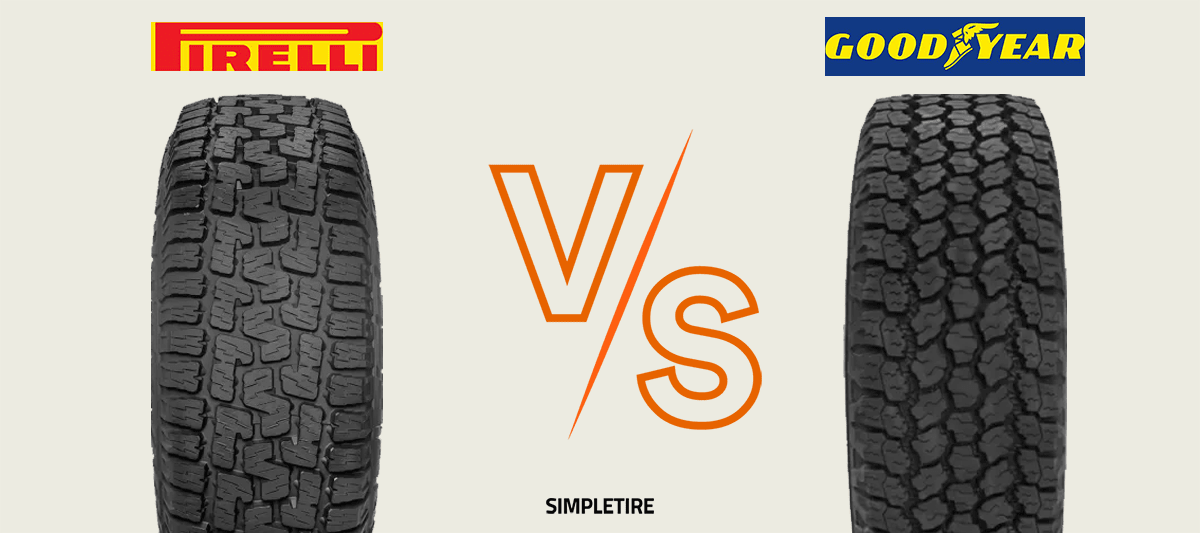
Credit: simpletire.com
Tire Technology
Tire technology plays a key role in vehicle safety and performance. It affects grip, durability, and fuel efficiency. Both Pirelli and Goodyear focus on creating advanced tires. Their innovations aim to meet different driving needs and conditions.
Understanding their technology helps choose the right tire. Each brand brings unique features and research to the market.
Pirelli Innovations
Pirelli uses smart materials to improve tire strength and flexibility. Their tires adapt to road surfaces for better control. The company also applies run-flat technology for safety during punctures. Pirelli’s noise-canceling design reduces road sound inside the car. Their focus on eco-friendly compounds lowers rolling resistance. This helps save fuel and reduce emissions. Pirelli’s work in racing fuels their innovation for everyday tires.
Goodyear Innovations
Goodyear develops tires with enhanced tread patterns for wet and dry grip. Their self-sealing tires can block small punctures automatically. The brand invests in materials that last longer and resist wear. Goodyear’s Eagle series uses advanced compounds for high-speed stability. They also create fuel-efficient tires to cut down energy use. Goodyear explores airless tire technology for future durability and safety. Their focus on data and sensors improves tire monitoring systems.
Performance On Road
Performance on the road is a key factor when choosing tires. Both Pirelli and Goodyear offer strong options. Each brand has unique strengths that affect driving experience. Understanding their performance in different conditions helps make a smart choice.
Dry Conditions
Pirelli tires excel in dry conditions with excellent grip. They provide sharp handling and quick response. Drivers feel confident on smooth, dry roads. Goodyear tires also perform well, offering stable traction and comfort. Their tread design supports steady driving and good control. Both brands ensure safety and precision on dry pavement.
Wet Conditions
Goodyear tires shine in wet weather with strong water evacuation. They reduce hydroplaning risks and boost safety. Pirelli tires also handle wet roads well. Their rubber compounds improve traction on slippery surfaces. Both brands help drivers maintain control during rain. This reduces accidents and increases confidence on wet streets.
Snow And Ice
Goodyear offers specialized winter tires with deep treads for snow. These tires grip ice and packed snow effectively. Pirelli has winter tires but focuses more on performance models. Their snow tires provide decent traction but less than Goodyear. For harsh winter conditions, Goodyear tires may offer better safety and control.

Credit: www.youtube.com
Tire Durability
Tire durability is a key factor for any driver. It affects safety, cost, and performance. Durable tires last longer and provide better value over time. Both Pirelli and Goodyear offer strong options. Understanding their tread life and wear resistance helps you pick the right tire.
Tread Life
Pirelli tires often have a tread designed for sporty driving. This can mean faster wear on rough roads. They focus on grip and handling, which may reduce tread life slightly. Goodyear tires usually have a longer tread life. Their designs aim to balance performance with durability. Many Goodyear tires come with mileage warranties, showing confidence in their lasting power.
Wear Resistance
Pirelli uses special rubber compounds for better traction. This can cause some tires to wear faster in certain conditions. Their tires perform well on dry and wet roads but may wear quicker on rough surfaces. Goodyear tires use advanced technology to resist wear. Their compounds help maintain tire shape and strength. This means Goodyear tires often resist cracks and damage better over time.
Comfort And Noise
Comfort and noise play a big role in choosing the right tire. Good tires make your ride smooth and quiet. Both Pirelli and Goodyear offer tires that focus on these features. Let’s see how they compare in ride comfort and noise levels.
Ride Comfort
Pirelli tires often use soft rubber compounds. This helps absorb bumps and rough roads. The result is a smooth and gentle ride. Drivers feel less vibration and jolts.
Goodyear tires also focus on comfort. They use special tread designs to reduce road shocks. Their tires handle well on different surfaces. This adds to a steady and calm driving feel.
Noise Levels
Pirelli tires are designed to cut down road noise. Their tread patterns reduce the sound of tires on pavement. This creates a quieter cabin experience.
Goodyear tires are known for quiet performance too. Many models have noise-cancelling technology. They limit tire roar and humming sounds. This makes long drives less tiring.
Price And Value
Choosing between Pirelli and Goodyear tires often depends on price and value. Both brands offer quality tires, but their costs and benefits vary. Understanding price differences and warranty support helps make a smart choice. Let’s explore these factors in detail.
Cost Comparison
Pirelli tires usually cost more than Goodyear tires. This is because Pirelli focuses on high-performance and luxury vehicles. Their tires use advanced materials and technology. Goodyear offers a wider range of tires, including budget-friendly options. This makes Goodyear a good choice for everyday driving and savings. Prices can vary based on tire size and type for both brands. Buyers should check prices for their specific needs.
Warranty And Support
Goodyear provides solid warranty coverage with many tires. Their limited tread life warranty offers protection against defects. Pirelli also offers warranties but tends to have shorter tread life coverage. Both brands provide roadside assistance programs in some cases. Customer support is reliable with both companies. Checking warranty details before buying ensures better value and peace of mind.
User Reviews
User reviews offer real insights into tire performance. They reflect everyday experiences from drivers worldwide. Reading these reviews helps understand strengths and weaknesses. It shows how tires hold up in different conditions. Below, we explore feedback for Pirelli and Goodyear tires.
Pirelli Customer Feedback
Pirelli users often praise the tires for their excellent grip. Many mention strong performance on wet roads. Drivers appreciate the smooth and quiet ride. Some note that Pirelli tires wear evenly over time. A few users say these tires handle curves well. However, a small number report higher prices. Some feel the tread life could improve in rough conditions.
Goodyear Customer Feedback
Goodyear customers highlight the tires’ durability and long tread life. Many drivers find them reliable in snow and rain. Users report good traction on highways and city roads. Several mention affordable pricing compared to other brands. Some say Goodyear tires offer a comfortable ride. A few users notice slightly more road noise. A small group feels the tires could improve in dry grip.
Best Use Cases
Choosing the right tire depends on the vehicle and driving style. Pirelli and Goodyear offer different strengths. Understanding their best use cases helps you pick wisely. Both brands cater to various needs, from speed to safety. Let’s explore where each brand excels.
Sports And Performance Cars
Pirelli tires shine with sports cars. They provide excellent grip on dry and wet roads. Their design supports high-speed stability and sharp handling. Pirelli focuses on performance and control at fast speeds. These tires suit drivers who want precision and agility.
Goodyear also offers performance tires, but they lean toward durability. They balance good grip with longer tread life. For sports cars, Pirelli often leads in raw handling and speed response.
Everyday Driving
Goodyear tires perform well for daily use. They provide comfort, quiet rides, and consistent traction. These tires handle city streets and highways smoothly. Goodyear’s all-season tires work well in various weather conditions.
Pirelli offers everyday tires too, but their focus is more on sportiness. For simple, reliable daily driving, Goodyear is usually the better fit. They offer value with safety and longevity in mind.
Off-road And Specialty
Goodyear leads in off-road and specialty tires. They build rugged tires for trucks and SUVs. These tires handle mud, rocks, and rough terrain well. Goodyear’s off-road range is tough and reliable in harsh conditions.
Pirelli has limited off-road options. Their specialty tires focus more on high-performance or winter conditions. For serious off-road use, Goodyear is the preferred choice due to durability and traction.

Credit: www.youtube.com
Frequently Asked Questions
Which Tire Brand Offers Better Durability, Pirelli Or Goodyear?
Pirelli tires are known for their high-performance durability, especially in sports cars. Goodyear offers long-lasting tires suitable for various road conditions. Overall, Goodyear tends to provide better mileage, while Pirelli excels in grip and wear resistance under aggressive driving.
Are Pirelli Tires More Expensive Than Goodyear Tires?
Yes, Pirelli tires generally cost more due to their premium quality and advanced technology. Goodyear tires are more budget-friendly and offer good performance for everyday driving. Pricing depends on tire models, sizes, and specific features from both brands.
Which Brand Performs Better In Wet Weather, Pirelli Or Goodyear?
Pirelli tires often excel in wet conditions thanks to their specialized tread designs. Goodyear also provides reliable wet traction but focuses more on all-season versatility. For superior wet grip, Pirelli tires are typically preferred by performance enthusiasts.
How Do Pirelli And Goodyear Compare In Fuel Efficiency?
Goodyear tires are designed to improve fuel efficiency with low rolling resistance models. Pirelli tires also offer fuel-saving options but prioritize performance over economy. Choosing the right tire depends on whether you value fuel savings or enhanced driving dynamics.
Conclusion
Choosing between Pirelli tires and Goodyear tires depends on your needs. Both brands offer strong performance and safety. Pirelli often focuses on sporty, high-performance tires. Goodyear provides reliable options for everyday driving. Consider your budget, driving style, and road conditions.
Check reviews and ratings for the specific model you want. Proper tire care also helps extend tire life. Good tires improve your driving comfort and safety. Make a choice that fits your car and your driving habits.