Choosing the right tires for your trailer can make a huge difference in how smoothly and safely you travel. When it comes to trailer tires, you might have come across two main types: bias and radial.
But which one is better for your needs? Understanding the key differences between bias and radial trailer tires can save you money, improve your ride quality, and keep your cargo safe. Keep reading, and you’ll discover exactly what sets these tires apart—and which one fits your trailer perfectly.
Credit: pinehilltrailers.com
Trailer Tire Types
Choosing the right tires for your trailer is important. Trailer tire types affect safety, performance, and tire life. Two main types dominate the market: bias tires and radial tires. Each type has distinct features and uses. Understanding these helps you pick the best tire for your needs.
Bias Tires Basics
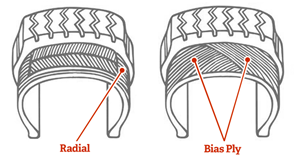
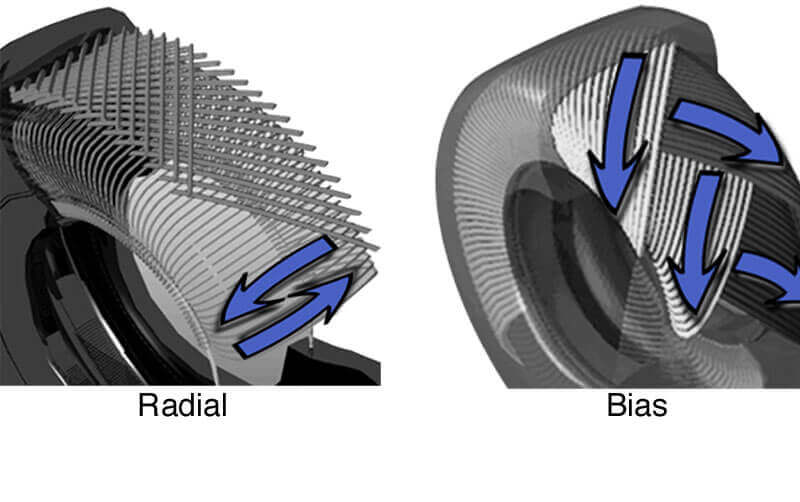
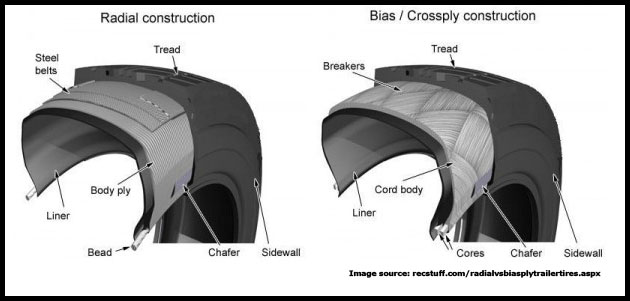
Bias tires have layers of fabric that cross over each other. These layers run diagonally from one side to the other. This structure makes the tire strong and flexible. Bias tires handle heavy loads well on rough roads. They also tend to have a stiffer ride. These tires are often cheaper than radials. They work best on trailers that do not travel fast or far.
Radial Tires Basics
Radial tires have layers that run straight across from side to side. Steel belts lie under the tread for extra strength. Radials offer better traction and a smoother ride. They also last longer and use less fuel. These tires stay cooler at high speeds. Radials are a good choice for trailers that travel long distances or at higher speeds.
Construction Differences
The construction of bias and radial trailer tires is quite different. These differences affect how each tire performs on the road. Understanding their build helps you choose the right tire for your trailer. It also explains why each tire feels different while driving.
Bias Tire Design
Bias tires have layers of rubber-coated fabric. These layers, called plies, cross each other diagonally. The plies run at an angle of about 30 to 40 degrees to the centerline of the tire. This creates a strong but flexible sidewall. The tread and sidewall work together as one unit. Bias tires are good for rough roads and heavy loads. The design absorbs shocks well but causes more heat during long drives.
Radial Tire Design
Radial tires have plies that run straight across from bead to bead. These plies lie at a 90-degree angle to the centerline. The sidewalls and tread work independently. Steel belts under the tread add strength and durability. Radial tires have thinner sidewalls, which improves ride comfort. They also reduce rolling resistance, saving fuel. These tires last longer and offer better traction on smooth roads.
Performance Comparison
Choosing the right trailer tire affects how your trailer performs on the road. Bias and radial tires have different designs. These differences impact durability, handling, and load capacity. Understanding these factors helps you pick the best tire for your needs.
Durability And Wear
Bias tires have multiple layers of rubber and fabric. These layers cross each other at an angle. This design makes bias tires tough against cuts and punctures. They wear out slower on rough surfaces.
Radial tires have layers that run straight across the tire. They flex more during use. This helps radial tires stay cooler and last longer on smooth roads. Radial tires often have better tread life on highways.
Handling And Stability
Bias tires are stiffer and less flexible. This can cause a rougher ride and less grip on turns. They may feel less stable at higher speeds.
Radial tires offer better grip and smoother rides. Their flexible sidewalls improve contact with the road. This boosts handling and stability, especially on curves and bumps.
Load Capacity
Bias tires spread weight evenly across their surface. This makes them good for heavy loads at lower speeds. They work well for trailers that carry bulky, heavy cargo.
Radial tires handle weight differently. They support heavy loads too but work best at higher speeds. Radial tires offer better load support on long highway trips.
Credit: www.carlstargroup.com
Cost Considerations
Cost plays a big role when choosing trailer tires. Buyers want to spend wisely and get the best value. Both bias and radial trailer tires have different price points and worth. Understanding these costs helps in making a smart choice.
Initial Price
Bias tires usually cost less upfront. Their simple design keeps prices low. Radial tires tend to be pricier at first. They use advanced materials and technology. This higher price reflects better performance and durability.
Long-term Value
Bias tires may wear out faster. This leads to more replacements over time. Radial tires last longer and save money later. They offer better fuel efficiency and ride comfort. These savings can balance out their higher initial cost. Choosing radial tires can be cheaper in the long run.
Tire Selection Factors
Selecting the right trailer tire affects safety and performance. Tires must match the trailer’s needs and conditions. Understanding key factors helps make the best choice between bias and radial tires.
Trailer Type And Usage
The type of trailer guides tire choice. Heavy-duty trailers need strong tires for heavy loads. Smaller trailers can use lighter tires. Consider how often and how far the trailer will travel. Tires must support the trailer’s weight and purpose.
Road Conditions
Road surfaces impact tire wear and grip. Smooth roads allow tires to last longer. Rough or gravel roads wear tires quickly. Radial tires perform better on highways. Bias tires handle rough terrain well. Choose tires based on where you mostly drive.
Towing Speed
Higher speeds require tires that stay stable and cool. Radial tires handle high speeds better than bias tires. Bias tires work fine at lower speeds. Match tire type to the towing speed for safer trips. Speed affects tire heat and tire life.
Maintenance Tips
Maintaining trailer tires is key to safe and smooth travel. Both bias and radial tires need care to last longer and perform well. Proper maintenance helps avoid tire problems and costly repairs.
Regular Inspections
Check tires before every trip. Look for cuts, cracks, and worn tread. Spotting damage early prevents blowouts. Ensure no objects are stuck in the tire. Also, check wheel rims for rust or dents.
Proper Inflation
Keep tires inflated to the recommended pressure. Underinflated tires wear out quickly and use more fuel. Overinflated tires may cause a rough ride and uneven wear. Use a tire gauge to check pressure regularly, especially before long trips.
Storage Advice
Store tires in a cool, dry place away from sunlight. Avoid places with oil, grease, or chemicals. Clean tires before storage to remove dirt and brake dust. If possible, keep tires off the ground to prevent flat spots.
Common Misconceptions
Bias and radial trailer tires often cause confusion. Many people believe wrong things about both types. These myths can lead to poor choices and tire problems. Clearing up these misconceptions helps you pick the best tire for your trailer. Here are some common myths about bias and radial tires.
Bias Tire Myths
Some say bias tires wear out very fast. This is not always true. Proper maintenance keeps them lasting long. Others think bias tires cause rough rides. Actually, they can provide good stability on rough roads. Many believe bias tires cannot handle heavy loads. In reality, some bias tires are made for strong loads. Thinking bias tires are old technology is wrong. They still work well for certain trailers and uses.
Radial Tire Myths
Many believe radial tires are always more expensive. This depends on the tire brand and size. Some say radial tires wear unevenly. With correct inflation, they wear evenly and last long. There is a myth that radial tires are weak. Radials have strong sidewalls and better traction. Another false idea is that radial tires do not suit all trailers. Radial tires fit many trailers and improve fuel efficiency. Radial tires do not always give a softer ride. The ride depends on tire design and load, not just the type.
Credit: www.treadworld.com
Frequently Asked Questions
What Are The Main Differences Between Bias And Radial Trailer Tires?
Bias tires have crisscrossed layers of fabric, providing a stiffer ride. Radial tires have layers running perpendicular, offering better flexibility and traction. Radial tires typically last longer and improve fuel efficiency compared to bias tires.
Which Tire Type Offers Better Durability For Trailers?
Radial tires generally offer better durability. Their flexible sidewalls reduce heat buildup and wear. Bias tires may wear faster due to stiffer construction. Radial tires handle heavy loads more efficiently, making them ideal for long-distance trailer use.
How Do Bias And Radial Tires Affect Trailer Handling?
Radial tires provide improved handling and stability due to flexible sidewalls. Bias tires offer a rougher ride and less traction, especially at high speeds. Radial tires enhance cornering and braking performance, increasing overall safety on the road.
Are Radial Tires More Expensive Than Bias Tires?
Yes, radial tires usually cost more upfront. However, their longer lifespan and better fuel economy can save money over time. Bias tires are cheaper initially but may require more frequent replacements and maintenance.
Conclusion
Choosing the right trailer tire affects safety and performance. Bias tires offer strong sidewalls and a lower cost. Radial tires provide better fuel efficiency and longer tread life. Think about your trailer’s use and road type. This helps pick the tire that fits best.
Proper tire care keeps your trailer running smooth. Trust your needs over trends or price alone. Your trailer deserves tires that match your journey.