When it comes to lifting tires, the tool you choose can make a big difference in how easy and safe the job feels. Are you struggling with heavy, awkward tires?
Or maybe you want something faster that won’t wear you out. Understanding the differences between manual and pneumatic tire lifting tools can save you time, effort, and even money. You’ll discover which option fits your needs best and how to make your tire work smoother than ever.
Keep reading to find out which tool is the right match for you.
Types Of Tire Lifting Tools
Tire lifting tools are essential for lifting and handling tires safely and efficiently. These tools come in different types designed for specific tasks and work environments. Choosing the right tool depends on the job size, frequency, and user strength.
Two main types of tire lifting tools are manual and pneumatic. Each has unique features and benefits suited for various tire lifting needs.
Manual Tire Lifters
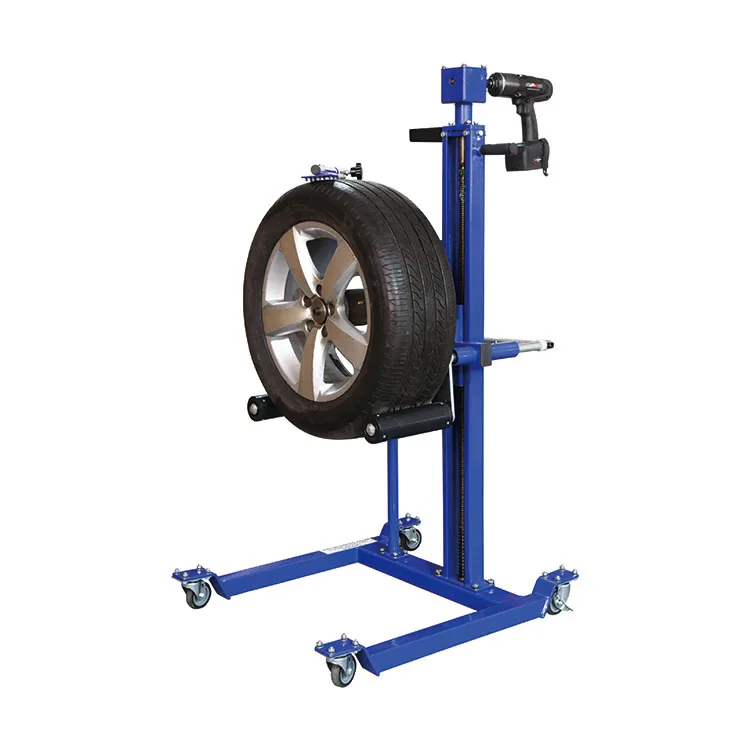
Manual tire lifters rely on human strength to lift and move tires. They are simple, lightweight, and easy to use. These tools usually have handles and grips for better control. They do not need power or air supply, which makes them portable. Manual lifters work well for small to medium tires. They are cost-effective and require little maintenance. Perfect for occasional tire handling tasks.
Pneumatic Tire Lifters
Pneumatic tire lifters use compressed air to help lift heavy tires. These tools reduce the physical effort needed, making work easier and faster. They are common in busy workshops and tire service centers. Pneumatic lifters handle large and heavy tires with ease. They need an air compressor to operate and regular maintenance. Best suited for frequent, heavy-duty tire lifting jobs.

Credit: www.amazon.com
Mechanics Behind Each Tool
The mechanics behind manual and pneumatic tire lifting tools reveal how each tool handles the heavy task of lifting tires. Understanding these basics helps in choosing the right tool for your needs.
How Manual Lifters Work
Manual lifters use human power to lift tires. They often have a lever or a hydraulic jack system. By pushing or pulling the lever, you generate force. This force lifts the tire off the ground slowly and steadily. The design focuses on simple machines like levers and pulleys. These tools do not need electricity or air pressure. They rely on physical effort and mechanical advantage. Manual lifters are quiet and simple to repair. They work well for small to medium tires and low-volume jobs.
How Pneumatic Lifters Operate
Pneumatic lifters use compressed air to lift tires. An air compressor supplies high-pressure air to the tool. This air pushes pistons or cylinders inside the lifter. The moving pistons create strong lifting force. Pneumatic lifters can lift heavy tires quickly with less effort. They have fewer moving parts that need human power. These tools often include safety valves and pressure gauges. Pneumatic lifters are common in busy shops and heavy-duty settings. They require an air compressor and proper maintenance for best use.
Efficiency Comparison
Efficiency is a key factor when choosing between manual and pneumatic tire lifting tools. It affects how fast and easily you can lift tires. Comparing these tools helps find the best fit for your needs.
Speed And Effort
Manual tire lifting tools require physical strength. It takes more time and energy to lift heavy tires. Pneumatic tools use air power, making lifting faster and easier. They reduce the effort needed from the user. This makes pneumatic tools better for frequent or heavy lifting tasks.
Precision And Control
Manual tools offer better control during lifting. You can adjust the speed and force with your hands. Pneumatic tools lift quickly but may lack fine control. This can be a concern for delicate or precise tire handling. Manual tools suit jobs needing careful movement and exact placement.
Credit: merittonbritish.ac.th
Safety Factors
Safety is a key concern when using tire lifting tools. Both manual and pneumatic tools come with specific risks. Understanding these risks helps in choosing the right tool and using it safely. Proper handling can prevent many accidents and injuries.
Manual Tool Risks
Manual tire lifting tools require physical effort. This can cause muscle strain and fatigue. Poor posture while lifting increases back injury risk. Slipping or dropping the tool can hurt feet or hands. Manual tools may lack safety locks, leading to sudden releases. Users must stay alert and use protective gear to stay safe.
Pneumatic Tool Hazards
Pneumatic tools use compressed air, which can be dangerous. Air leaks may cause sudden movements or tool loss of control. High air pressure can lead to bursts or explosions. Noise levels from pneumatic tools can damage hearing. Improper maintenance increases failure risks. Operators should wear safety glasses and ear protection when using pneumatic tools.
Cost And Maintenance
Cost and maintenance play a big role in choosing between manual and pneumatic tire lifting tools. Understanding these factors helps in picking the right tool for your needs. Both types have different expenses and care demands.
Initial Investment
Manual tire lifting tools usually cost less upfront. They need fewer parts and simpler designs. Pneumatic tools cost more because they use air power and complex systems. Buying a compressor may add to the cost. Think about your budget before deciding.
Upkeep And Repairs
Manual tools need little upkeep. Cleaning and occasional lubrication keep them working well. Repairs are rare and simple. Pneumatic tools require regular checks on air hoses and seals. Parts may wear out faster and need replacing. Maintenance is more frequent and can cost more.

Credit: cfdn.fr
Best Use Scenarios
Choosing the right tire lifting tool depends on the task and environment. Each tool suits different situations. Understanding these helps make the job easier and safer.
When To Choose Manual
Manual tire lifting tools work well for small jobs. They fit places without power sources. These tools are simple and need no air or electricity.
Use manual tools when working on a few tires. They suit home garages and small workshops. Their lightweight design makes them easy to move.
Manual tools are best for occasional use. They keep costs low and require little maintenance. Perfect for people who lift tires now and then.
When Pneumatic Is Ideal
Pneumatic tire lifting tools suit heavy-duty tasks. They deliver more power and speed. Use them in busy repair shops or tire centers.
Choose pneumatic tools for lifting many tires daily. They reduce worker strain and increase efficiency. These tools need an air compressor to operate.
Pneumatic tools handle large tires and tougher jobs. They make lifting faster and safer. Ideal for professionals needing reliable, strong equipment.
User Experience And Feedback
User experience and feedback provide clear insights into manual and pneumatic tire lifting tools. Both tools serve the same purpose but offer different benefits and challenges. Hearing from real users helps understand which tool fits best for various needs.
Feedback often highlights ease of use, safety, and efficiency. These factors influence the choice between manual and pneumatic options. Users share honest opinions about comfort and results during tire lifting tasks.
Professional Insights
Professionals prefer pneumatic tools for speed and power. These tools reduce physical strain during heavy lifting jobs. Experts say pneumatic lifts save time in busy workshops.
Some professionals note manual tools are useful for small tasks. They appreciate the control and precision manual tools provide. Manual tools require less maintenance, which professionals value.
Diy Enthusiast Opinions
DIY users often choose manual tools for affordability and simplicity. Many find manual tools easier to store at home. They like the tool’s quiet operation and lack of air compressors.
Some DIY enthusiasts enjoy the challenge of manual lifting. They feel more connected to the repair process. Others prefer pneumatic tools for less effort and faster work.
Environmental Impact
The environmental impact of tire lifting tools matters for many users. Choosing the right tool helps reduce harm to nature. Manual and pneumatic tools differ in how they affect the environment. Understanding these differences guides better decisions for eco-friendly work.
Energy Consumption
Manual tire lifting tools need no electricity or fuel. They rely on human power only. This means zero energy is used beyond human effort.
Pneumatic tools use compressed air, which requires electricity or fuel. This energy use adds up, especially in busy workshops. The more pneumatic tools run, the higher the energy demand. This leads to a bigger carbon footprint compared to manual tools.
Noise And Emissions
Manual tools operate quietly, producing no noise pollution. They create no harmful gases or emissions.
Pneumatic tools can be loud, causing noise pollution in work areas. Their compressors may release emissions depending on the power source. This noise and pollution can affect workers and nearby communities. Manual tools offer a cleaner and quieter option for tire lifting tasks.
Frequently Asked Questions
What Are The Main Differences Between Manual And Pneumatic Tire Lifting Tools?
Manual tools require physical effort, while pneumatic tools use compressed air. Pneumatic tools are faster and reduce fatigue. Manual tools are simpler and more affordable but slower. Choice depends on workload, budget, and user preference for efficiency or cost.
Which Tire Lifting Tool Is Safer For Heavy-duty Use?
Pneumatic tire lifting tools are generally safer for heavy-duty tasks. They provide consistent power and reduce strain on the operator. Manual tools can cause fatigue and increase injury risk during extended use. Proper training and maintenance are essential for both types.
How Does The Cost Compare Between Manual And Pneumatic Tools?
Manual tire lifting tools are usually less expensive upfront. Pneumatic tools have higher initial costs due to compressors and maintenance. However, pneumatic tools may save money long-term by boosting efficiency and reducing labor time. Budget and usage frequency influence the best choice.
Can Manual Tire Lifting Tools Handle All Tire Sizes Effectively?
Manual tools work well for small to medium tires. Larger or heavy tires may require more effort and time. Pneumatic tools handle a wider range of tire sizes with ease. Consider tire size and frequency before selecting the tool type.
Conclusion
Choosing between manual and pneumatic tire lifting tools depends on your needs. Manual tools work well for light jobs and save money. Pneumatic tools offer speed and less effort for heavy tasks. Think about how often you lift tires and your budget.
Both types have benefits and limits. Use the tool that fits your work style best. This helps you work safer and faster. Keep your tools in good shape for long use. The right choice makes tire lifting easier every time.