Have you ever wondered what makes a donut tire different from a regular tire? If you’ve faced a flat tire or are just curious about your car’s options, understanding these two can save you time and stress.
Choosing the right tire in a pinch isn’t just about convenience—it can affect your safety and how quickly you get back on the road. Keep reading to discover the key differences, when to use each, and why knowing this could be a game-changer for your driving experience.
Credit: www.youtube.com
Donut Tire Basics
Donut tires are small, temporary tires that replace a flat tire. They are different from regular tires in many ways. Understanding these basics helps you know when and how to use them safely.
Donut tires are not made for long drives. They are designed to get you to a place where you can fix your flat tire or buy a new one.
Design And Size
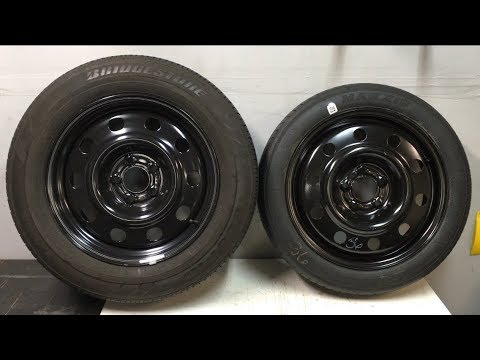
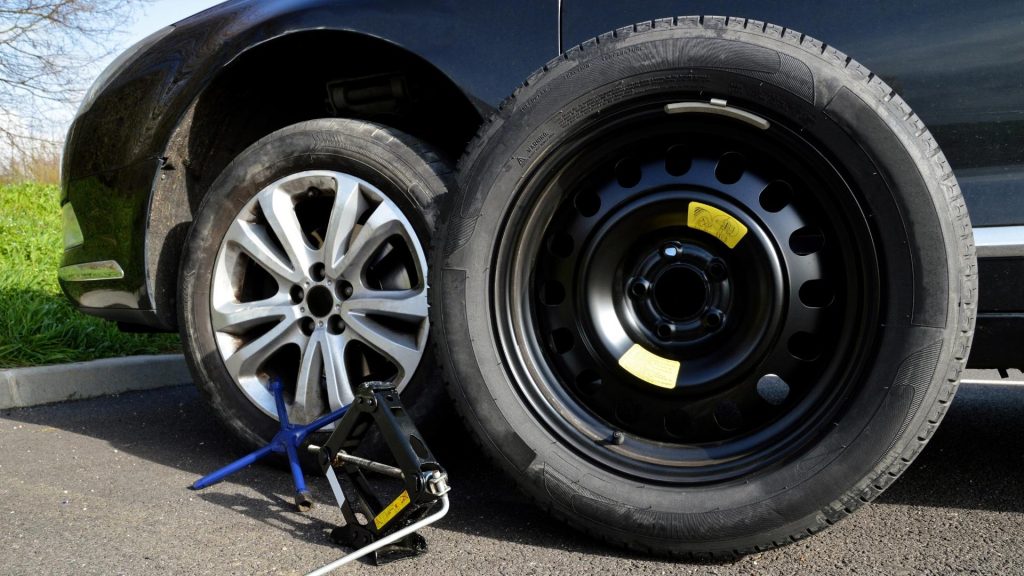
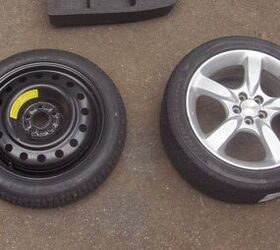
Donut tires are smaller than regular tires. They have a thin tread and narrow width. This design saves space in your trunk. The smaller size means less contact with the road.
Purpose And Usage
Donut tires are for emergency use only. They help you move your car after a flat tire. They are not for high speed or long distances. Driving on a donut tire for too long can damage your car.
Weight And Storage
Donut tires are lighter than regular tires. This makes them easy to carry and store. They fit in small spaces, like under the trunk floor. Their light weight helps save fuel when carried in the car.
Regular Tire Features
Regular tires are the most common choice for daily driving. They offer a balance of comfort, safety, and performance. Understanding their features helps you know why they are preferred over donut tires for regular use.
These tires are built to handle different road conditions and provide stable control. They also last longer and require less frequent maintenance. Let’s explore their key features.
Construction And Durability
Regular tires have a solid construction with multiple layers. These layers include rubber, fabric, and steel belts. This design gives strength and flexibility. They resist punctures and wear better than donut tires. The durable build helps them handle rough roads and heavy loads.
Performance And Handling
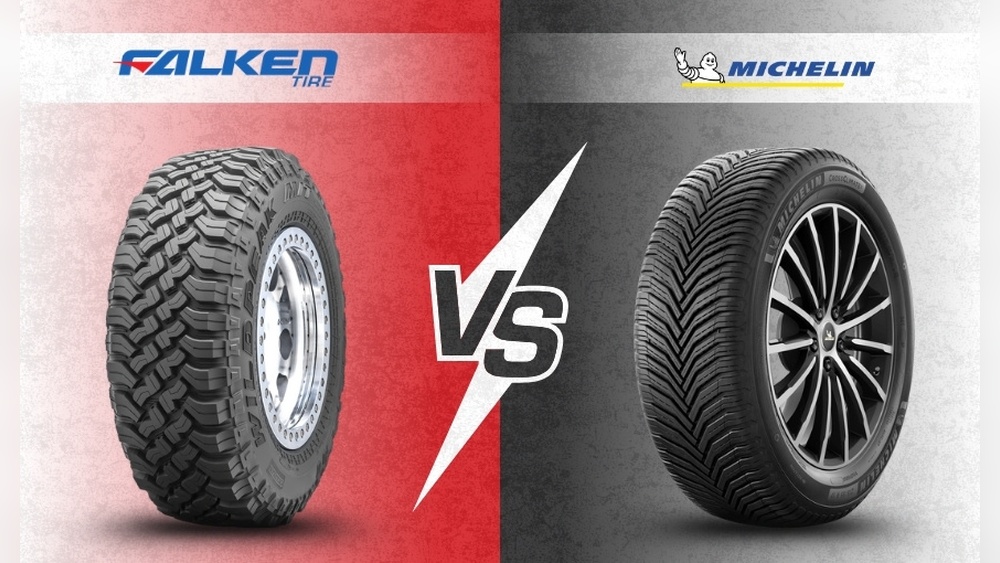
Regular tires provide better grip on the road. They improve traction on wet and dry surfaces. This leads to safer and smoother rides. Their wide tread pattern helps in stable cornering. Drivers feel more control and confidence behind the wheel.
Longevity And Maintenance
These tires last much longer than donut tires. Regular tires can cover thousands of miles before needing replacement. Proper maintenance like regular rotation and inflation keeps them in good shape. This reduces the risk of unexpected tire failure. They offer better value over time.
Performance Comparison
Performance plays a big role in choosing between donut tires and regular tires. Both types serve different purposes and affect how your car drives. Understanding their differences helps you make smart choices for safety and efficiency.
Speed And Distance Limits
Donut tires have strict speed limits. Usually, they are safe up to 50 miles per hour. They are not made for long trips and should only be used temporarily. Regular tires allow higher speeds and longer distances. They support normal driving without restrictions.
Traction And Stability
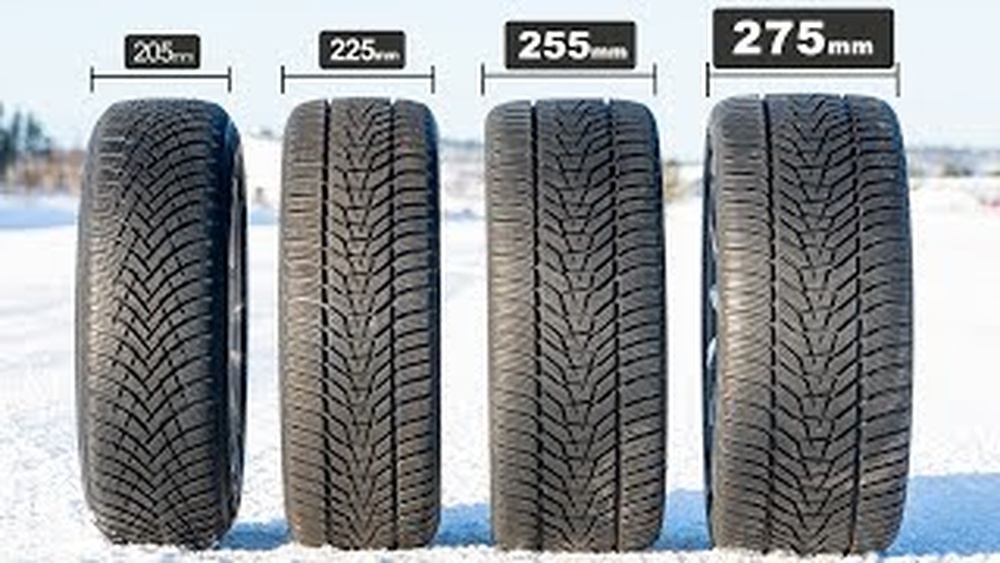
Regular tires provide better grip on the road. They are wider and have more tread, which improves traction. Donut tires are narrower and have less tread. This reduces stability, especially on wet or slippery surfaces. Using regular tires ensures safer handling in most conditions.
Ride Comfort
Regular tires offer a smoother ride. Their size and design absorb bumps and shocks better. Donut tires are smaller and harder, causing a rougher ride. Drivers may feel more vibrations and noise. Comfort is better maintained with regular tires during daily driving.
Credit: carfromjapan.com
Safety Considerations
Choosing between a donut tire and a regular tire affects your vehicle’s safety. Each tire type has unique features that impact driving performance and emergency situations. Understanding these safety aspects helps you make better decisions for your car and passengers.
Handling In Emergencies
Donut tires are smaller and lighter than regular tires. They are designed for temporary use only. This means handling can be less stable, especially during sharp turns or sudden stops. Regular tires provide better grip and control, making them safer for emergency maneuvers. Drive slowly and carefully when using a donut tire to avoid accidents.
Risk Factors
Donut tires have limits on speed and distance. Driving too fast or too far can cause tire failure. They also have less tread, which reduces traction in rain or snow. Regular tires have stronger sidewalls and deeper tread, reducing the risk of blowouts and skidding. Using a donut tire for long trips increases the chance of losing control.
Manufacturer Guidelines
Car makers provide clear rules for donut tire use. These usually include maximum speed limits around 50 mph and short distances under 70 miles. Ignoring these guidelines can damage your car or cause accidents. Regular tires do not have such strict limits. Always check your vehicle manual to follow the correct safety advice.
Cost And Availability
Cost and availability play a big role when choosing between a donut tire and a regular tire. These factors affect your budget and how soon you can replace a tire. Understanding the price differences, how often you need a replacement, and where to buy them helps you make a smart choice. Each type of tire has its own benefits and drawbacks in these areas.
Price Differences
Donut tires are cheaper than regular tires. They use less material and have a smaller size. Regular tires cost more because they are bigger and stronger. The price gap can be large, especially for high-quality regular tires. Donut tires save money upfront but are not for long-term use.
Replacement Frequency
Donut tires need to be replaced more often. They wear out faster due to their thin design. Regular tires last longer and handle more miles. Replacing regular tires less often balances their higher price. Donut tires are meant for short-term use only, not daily driving.
Where To Buy
Regular tires are available at most auto shops and online stores. Donut tires are harder to find and often come with your car as a spare. Buying a donut tire alone may require a visit to a specialty store. Regular tires have more options and sizes to fit different vehicles.
Credit: www.autoguide.com
When To Choose Donut Tires
Donut tires serve a special purpose. They are not made for everyday driving. Knowing when to choose donut tires helps keep you safe and your vehicle running. These tires are smaller and lighter than regular tires. They fit in tight spaces and provide a quick fix for flat tires.
Emergency Use Cases
Donut tires are best for emergencies only. Use them to replace a flat tire on the road. They allow you to drive short distances to get help. Avoid driving fast or far with a donut tire. It is a temporary solution, not a permanent fix.
Space Constraints
Donut tires save space in your trunk. Their smaller size means more room for other items. Cars with limited storage benefit from carrying donut tires. They are easier to store than full-size spare tires. This is helpful for small cars and compact SUVs.
Vehicle Compatibility
Not all vehicles work well with donut tires. Check your car’s manual to see if a donut tire fits. Some cars need full-size spares for safety reasons. Donut tires suit many sedans and small SUVs. Always confirm compatibility before choosing a donut tire.
When Regular Tires Are Better
Regular tires serve better in many daily and long-term situations. They offer more comfort, safety, and durability than donut tires. Understanding when regular tires are better helps you choose the right option for your vehicle needs.
Daily Driving Needs
Regular tires provide better grip and stability on the road. They handle everyday driving tasks with ease. You get smoother rides and more control during turns and stops. Donut tires are smaller and less stable, not ideal for daily use.
Long-term Use
Regular tires last longer than donut tires under normal driving conditions. They are made to withstand wear and tear over time. Regular tires save money by reducing the need for frequent replacements. Donut tires are meant only for short-term emergencies.
Varied Road Conditions
Regular tires perform well on different road types and weather. They offer good traction on wet, dry, and uneven surfaces. Donut tires struggle on rough or slippery roads. For safety and reliability, regular tires handle varied conditions better.
Frequently Asked Questions
What Is The Main Difference Between Donut And Regular Tires?
Donut tires are smaller, temporary spares designed for short-term use. Regular tires are full-sized, meant for daily driving and long-term use.
Are Donut Tires Safe For Long-distance Driving?
No, donut tires are not safe for long distances. They have limited durability and speed restrictions, so use them only in emergencies.
How Long Can You Use A Donut Tire Safely?
Donut tires should be used for no more than 50-70 miles. They are temporary and meant to get you to a repair shop.
Can Donut Tires Affect Vehicle Handling And Performance?
Yes, donut tires can reduce handling and braking efficiency. Their smaller size affects stability, so drive cautiously when using them.
Conclusion
Donut tires serve as a quick, temporary fix for flat tires. Regular tires provide better safety and long-term use. Donut tires are smaller and not meant for high speeds. Regular tires offer more stability and comfort on the road. Knowing the differences helps you choose the right tire in an emergency.
Keep donut tires for short trips only. Always replace them with regular tires soon after. This keeps your car safe and running smoothly. Choose wisely to avoid trouble on your drives.