When it comes to handling tires safely and efficiently, choosing the right lifter can make all the difference for you and your team. Are you torn between a vacuum tire lifter and a mechanical tire lifter?
Understanding how each tool works and which one fits your needs can save you time, effort, and even prevent injury. You’ll discover the key differences, benefits, and drawbacks of both options—so you can make a smart choice that boosts your productivity and keeps your work smooth.
Keep reading to find out which tire lifter is the best fit for your job.
Vacuum Tire Lifter Basics
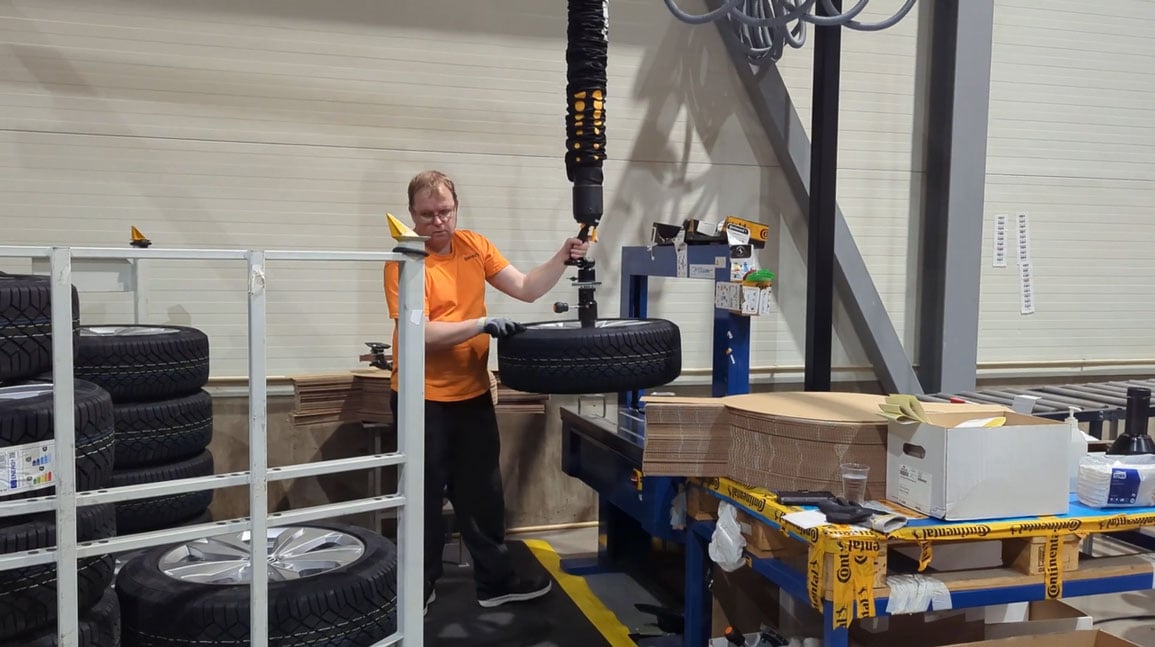
Vacuum tire lifters are tools designed to lift tires safely and efficiently. They use suction power to hold the tire firmly. This method reduces the effort needed to move heavy tires. It also helps protect the tire and rim from damage. Understanding the basics of vacuum tire lifters can help choose the right tool for tire handling tasks.
How Vacuum Lifters Work
Vacuum lifters create suction using a pump or vacuum generator. The suction cups stick to the tire surface tightly. This grip allows lifting without slipping or dropping. The device usually has handles for easy control. Operators can move tires smoothly without heavy lifting. The suction releases easily when the tire is set down.
Key Features And Benefits
Vacuum lifters offer strong grip and simple operation. They reduce the risk of injury by lowering manual strain. Tires stay protected from scratches or dents. The tools are lightweight and easy to handle. They save time during tire changes or repairs. Their design fits many tire sizes and types.
Common Applications
These lifters are used in tire shops and vehicle service centers. They help with mounting and dismounting tires quickly. Warehouses use them to move large tires safely. Manufacturers use vacuum lifters during tire production. They are also useful in recycling centers for tire handling.

Credit: liftsall.com
Mechanical Tire Lifter Essentials
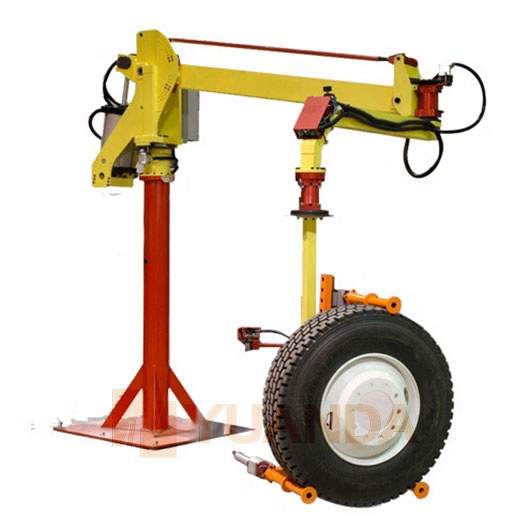
Mechanical tire lifters are tools designed to lift tires using manual or powered mechanisms. They make tire handling easier and safer. These lifters rely on physical parts like levers, gears, and arms to move tires.
Understanding the basics helps in choosing the right lifter for your needs. Below are the key points about how mechanical tire lifters work, their benefits, and where they are commonly used.
Working Mechanism
Mechanical tire lifters use levers, pulleys, or gears to lift tires. The operator applies force on a handle or pedal. This force moves the lifting arm or platform. The tire is raised or lowered smoothly. Some models have wheels for easy movement. No vacuum or suction is involved in this process.
Main Advantages
Mechanical lifters require no power source or air supply. They work well in places without electricity. These lifters are durable and need little maintenance. They can handle heavy tires safely. Their simple design makes repairs easy and cheap.
Typical Use Cases
Mechanical tire lifters are common in small workshops and garages. They suit tire shops with limited space and budget. These lifters are ideal for lifting various tire sizes. They also help in vehicle maintenance and tire replacement. Their reliability makes them popular in tough environments.
Performance Comparison
Comparing the performance of vacuum tire lifters and mechanical tire lifters helps you pick the right tool. Each type offers unique strengths in lifting tires. Understanding these differences helps you work smarter and safer.
Lifting Capacity
Vacuum tire lifters use suction to hold tires firmly. They often handle lighter to medium loads effectively. Mechanical tire lifters rely on physical grips and levers. These can lift heavier tires with more stability. For very heavy tires, mechanical lifters usually have an edge.
Speed And Efficiency
Vacuum lifters attach quickly by creating suction. This reduces setup time on many tire sizes. Mechanical lifters may take longer to adjust and lock in place. Still, they provide a secure hold that speeds up heavy tire handling. Vacuum lifters excel in fast, repetitive tasks with lighter tires.
Safety Considerations
Vacuum lifters depend on suction power. Loss of vacuum can cause sudden drops. Regular checks and proper maintenance are essential. Mechanical lifters use strong clamps and locks. They offer more consistent safety for heavy or irregular tires. Both require cautious operation to prevent accidents.
Cost And Maintenance
Cost and maintenance play a big role in choosing the right tire lifter. Both vacuum and mechanical tire lifters come with different expenses and care needs. Understanding these differences helps you pick the best option for your budget and work demands.
Initial Investment
Vacuum tire lifters usually cost more at the start. They need special parts and technology. Mechanical tire lifters are simpler and less expensive to buy. This makes them popular for small shops or those on a tight budget.
Upkeep Requirements
Vacuum lifters need regular checks on seals and hoses. These parts can wear out and affect performance. Mechanical lifters require less frequent maintenance but need lubrication and inspection of moving parts. Both need care to stay safe and work well.
Longevity And Durability
Mechanical tire lifters often last longer with simple repairs. Their strong build suits tough jobs. Vacuum lifters can be less durable if not maintained well. Still, they offer smooth operation and reduce strain during use.
User Experience
User experience plays a key role in choosing the right tire lifter. It affects daily work and overall safety. Both vacuum and mechanical tire lifters offer unique benefits and challenges. Understanding how users interact with these tools helps in making the best choice. This section covers ease of operation, training needs, and ergonomics for both types.
Ease Of Operation
Vacuum tire lifters are simple to use. They attach quickly to the tire and lift it with minimal effort. The suction system holds the tire firmly. Users can move tires smoothly without heavy lifting. Mechanical tire lifters require more manual work. They use levers and clamps to grip and lift tires. This process takes more time and strength. Users may find vacuum lifters easier for repetitive tasks.
Training Needs
Vacuum lifters need basic training. Users learn to operate the suction and control the device safely. The learning curve is short. Mechanical lifters require detailed training. Users must understand how to adjust clamps and use levers correctly. Mistakes can lead to accidents or tire damage. Training for mechanical lifters takes longer and requires practice.
Ergonomics And Comfort
Vacuum lifters reduce physical strain. They minimize bending and heavy lifting. This helps prevent back and arm injuries. Operators can work longer without fatigue. Mechanical lifters demand more physical effort. Users often bend, pull, and push hard. This can cause discomfort and fatigue over time. Ergonomics favor vacuum lifters for comfort and health.
Environmental Impact
Understanding the environmental impact of tire lifters helps make better choices. Both vacuum and mechanical tire lifters affect the environment differently. This section explores these differences in energy use, noise, and sustainability.
Energy Consumption
Vacuum tire lifters use electricity to create suction. This means they need a steady power supply. Mechanical tire lifters rely on manual or simple mechanical force. They consume little to no electricity. Lower energy use means less environmental strain. Mechanical lifters have the edge here.
Noise Levels
Vacuum lifters generate noise from motors and pumps. This noise can disturb nearby workers or communities. Mechanical lifters operate quietly with minimal sound. Less noise helps reduce noise pollution. Mechanical lifters offer a quieter, more peaceful work environment.
Sustainability Factors
Vacuum lifters often include electronic parts. These parts may require special disposal to avoid pollution. Mechanical lifters have fewer components that can harm nature. They last longer with simple maintenance. This makes mechanical lifters more sustainable over time.
Choosing The Right Lifter
Choosing the right tire lifter affects your work quality and safety. Both vacuum and mechanical lifters have strengths. Selecting the best one depends on your specific needs, budget, and plans for growth. This section helps you decide which lifter fits your situation best.
Matching Lifters To Tasks
Vacuum lifters work well for smooth and regular tire shapes. They provide a steady grip without damaging tires. Mechanical lifters suit heavy or irregular tires. They use clamps or hooks to hold tires firmly. Choose based on tire type and lifting frequency.
Budget Considerations
Vacuum lifters usually cost more upfront. They need power sources and maintenance. Mechanical lifters have lower initial costs. They require less upkeep but may need more effort to use. Balance cost with durability and ease of use.
Future Scalability
Think about your business growth. Vacuum lifters often support faster handling and automation. Mechanical lifters fit smaller operations with manual work. Plan for more tires or bigger tires later. Pick a lifter that adapts to future demands.
Credit: www.alibaba.com
Credit: www.tawi.com
Frequently Asked Questions
What Is A Vacuum Tire Lifter?
A vacuum tire lifter uses suction to lift tires safely. It reduces manual effort and lowers the risk of damage. This tool is ideal for delicate or heavy tires, providing a secure grip with minimal physical strain.
How Does A Mechanical Tire Lifter Work?
A mechanical tire lifter uses levers and clamps to lift tires. It requires manual force to operate but offers strong, stable handling. This lifter suits heavy-duty tire changes where controlled lifting is essential.
Which Tire Lifter Is Safer For Heavy Tires?
Vacuum tire lifters are generally safer for heavy tires. They minimize physical strain and provide even pressure distribution. Mechanical lifters can be riskier due to manual force and potential slipping.
Can Vacuum Lifters Handle All Tire Sizes?
Most vacuum tire lifters adjust to various tire sizes. However, very large or oddly shaped tires may need specialized equipment. Always check the lifter’s capacity before use.
Conclusion
Choosing between a vacuum tire lifter and a mechanical tire lifter depends on your needs. Vacuum lifters offer gentle handling and ease of use. Mechanical lifters provide strong support and durability. Both tools help lift tires safely and reduce effort.
Think about your budget, tire size, and work style. Each lifter has clear benefits. Use the one that fits your job best. This way, you ensure safety and efficiency in tire handling every time.