Are you curious about the difference between stretched tires and regular tires? Choosing the right tires can change how your vehicle looks and drives.
You might have seen stretched tires on cars and wondered if they’re just for style or if they affect performance. This article will help you understand what sets stretched tires apart from regular ones. By the end, you’ll know which option suits your needs and how it impacts your safety and ride quality.
Keep reading to make the best choice for your vehicle and your driving experience.
Stretched Tires Basics
Stretched tires are a unique style choice in the car world. They change the look and feel of a vehicle. Many car enthusiasts use stretched tires to give their cars a custom edge. Understanding the basics helps you see why they are popular.
Let’s explore what stretched tires are, why people choose them, and the common sizes used.
What Are Stretched Tires
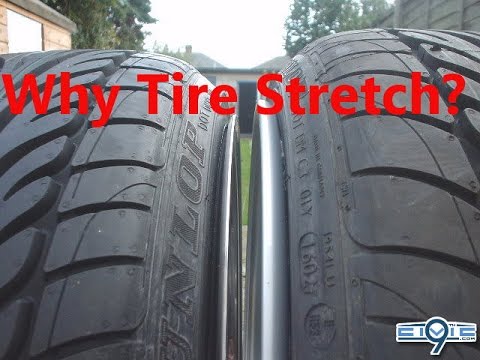
Stretched tires are wider than the wheel rim they fit on. The tire sidewall is pulled over the rim edge. This creates a stretched appearance on the tire. It looks tighter and more aggressive. The tire tread is narrower than the rim width. This style changes the car’s stance and profile.
Why Choose Stretched Tires
Many choose stretched tires for style. They give cars a sportier, low-profile look. Stretched tires can also improve handling by stiffening the sidewall. Some drivers like the way stretched tires fit inside wider wheels. It can reduce rubbing against the car’s body. This setup also allows for wider wheels on smaller cars.
Common Sizes And Fits
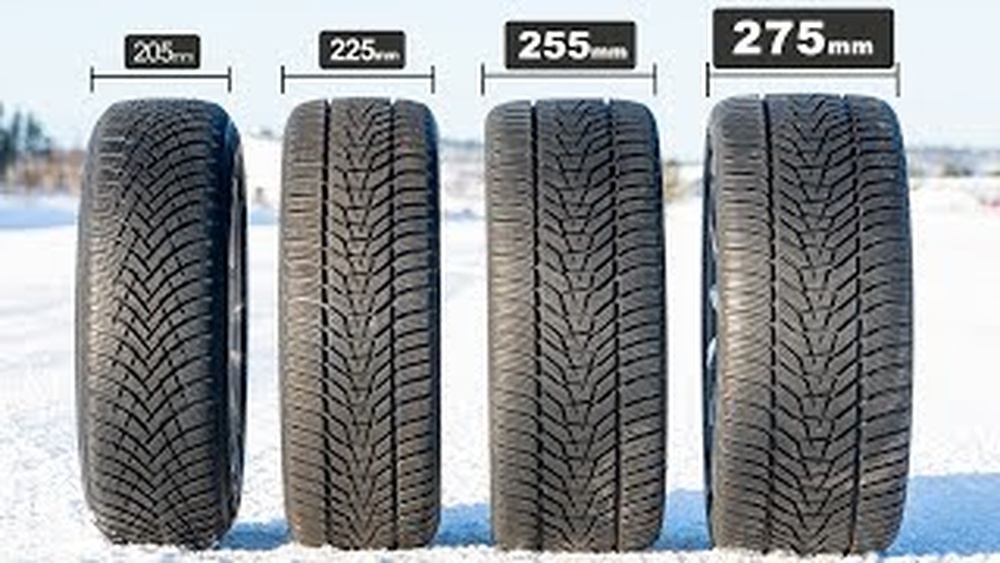
Stretched tires usually come in sizes one or two inches narrower than the wheel. For example, an 8-inch wide wheel might use a 205 or 215 tire. A 9-inch wide wheel can use a 225 tire. Common fits are 205/40R17 on 8-inch wheels or 225/35R18 on 9-inch wheels. These sizes keep the stretched look while maintaining tire safety.

Credit: www.youtube.com
Regular Tires Explained
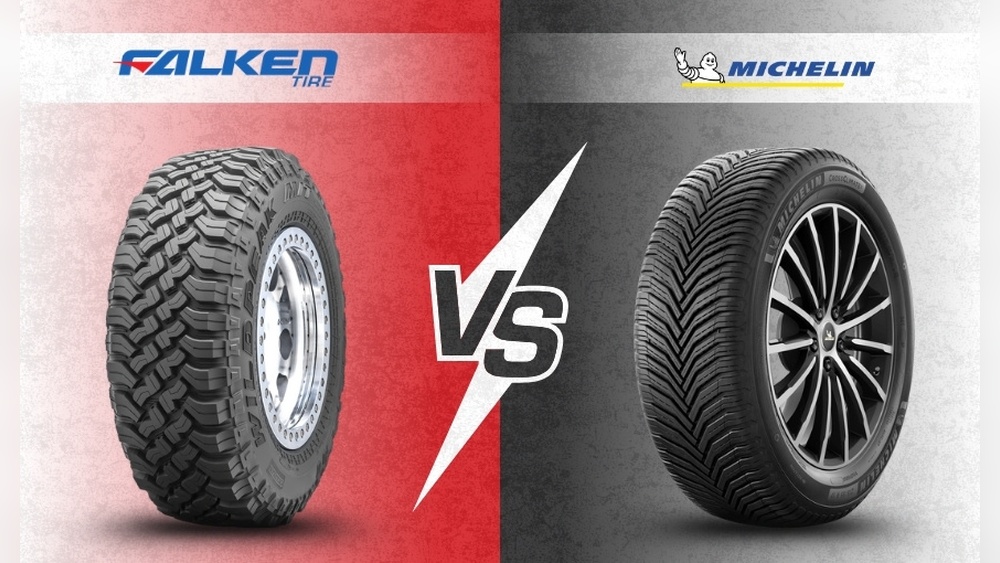
Regular tires are the most common type used on vehicles worldwide. They have a balanced design that fits most cars and trucks. These tires provide steady performance on roads and highways. Understanding regular tires helps to compare them with stretched tires clearly.
Regular tires focus on safety, comfort, and durability. They come in many sizes to match different vehicles. Their design supports good grip and smooth driving. This makes regular tires a reliable choice for everyday use.
Standard Tire Profiles
Standard tire profiles show the tire’s height compared to its width. Regular tires usually have moderate profiles. This means the sidewall is neither too tall nor too short. This balance helps protect the wheel and absorb road bumps well.
These profiles also keep the tire strong and stable. They prevent damage to the rim and offer better control. Standard profiles fit well with most suspension systems on cars.
Benefits Of Regular Tires
Regular tires offer good traction on wet and dry roads. They provide a comfortable ride with less noise. These tires wear evenly and last longer. They also support safe braking and handling.
Regular tires require less maintenance. They fit the wheel perfectly without stretching. This reduces the risk of tire damage or accidents. Overall, regular tires give peace of mind during driving.
Typical Applications
Regular tires suit daily driving on city streets and highways. They work well for family cars, sedans, and light trucks. These tires handle normal weather and road conditions effectively.
Most drivers choose regular tires for their reliability and ease of use. They are also common in commercial vehicles that need steady performance. Regular tires fit most vehicles without the need for modifications.
Performance Comparison
Comparing stretched tires to regular ones helps understand their real impact on performance. Each style changes how a vehicle drives and feels on the road. Knowing these differences guides better choices for specific needs.
Handling And Grip
Regular tires offer better grip on most surfaces. They keep the car stable during turns and quick moves. Stretched tires reduce the contact patch with the road. This can lead to less traction, especially on wet or uneven roads. Drivers may notice more slipping or sliding with stretched tires.
Ride Comfort
Regular tires provide a smoother ride by absorbing road bumps well. Their sidewalls flex to soften shocks from potholes or rough patches. Stretched tires have tighter sidewalls, which makes the ride harsher. Passengers might feel more bumps and vibrations inside the car. Comfort decreases as the tire’s ability to cushion reduces.
Wear And Durability
Regular tires wear evenly and last longer under normal conditions. They handle road impacts better and resist damage. Stretched tires often wear unevenly because of the altered shape. This can cause faster tread wear on one side. The stretched fit also increases the risk of tire damage or blowouts. Overall, regular tires tend to be more reliable and durable.
Style And Aesthetics
Style and aesthetics play a big role in choosing tires for your vehicle. Tires affect the car’s overall look and can show personal taste. Both stretched and regular tires offer distinct visual styles. Each appeals to different preferences and car designs.
Visual Impact Of Stretched Tires
Stretched tires create a unique, aggressive look. The tire sidewall pulls away from the rim, showing more wheel surface. This look makes the wheels appear larger and wider. It often fits with low-profile tires and lowered cars. Stretched tires give a stance that stands out on the road.
Look Of Regular Tires
Regular tires have a fuller, balanced appearance. The tire fits the rim exactly as designed. This look is classic and clean. It keeps the car’s original style intact. Regular tires suit most vehicles and offer a neat, natural look.
Customization Options
Stretched tires allow more freedom for wheel customization. They pair well with custom rims and lowered suspensions. This style suits car enthusiasts who want a bold look. Regular tires offer fewer visual changes but focus on function. They come in many sizes and tread patterns for practical needs.
Safety Considerations
Safety is a top concern when choosing between stretched tires and regular tires. Tires affect how a car handles, brakes, and rides. Understanding safety differences helps drivers make smart choices.
Risks With Stretched Tires
Stretched tires have a smaller width than the wheel rim. This can cause the tire to sit unevenly on the rim. The tire sidewalls may become weak and more likely to crack or tear.
Handling can suffer. The tire may not grip the road well, especially in wet or slippery conditions. This increases the chance of losing control of the vehicle.
Stretched tires can also wear out faster. They put extra stress on the tire structure. This can lead to sudden tire failure or blowouts, which are very dangerous at high speeds.
Safety Of Regular Tires
Regular tires fit the wheel rims properly. This ensures even contact with the road. It improves grip, stability, and braking performance.
They have stronger sidewalls designed to support the vehicle’s weight. This reduces the risk of tire damage or failure. Regular tires also wear out more evenly, lasting longer.
Using the right size tires helps maintain vehicle safety systems. Features like ABS and traction control work best with regular tires. This protects drivers in challenging driving conditions.
Legal Aspects
Many regions have laws about tire fitment. Stretched tires may not meet these regulations. This can lead to fines or failing vehicle inspections.
Insurance companies might refuse claims if stretched tires cause accidents. Using tires that do not follow legal standards increases liability risks.
Always check local rules before modifying tires. Staying within legal guidelines ensures safety and avoids penalties.
Credit: www.youtube.com
Cost And Maintenance
Understanding the cost and maintenance of stretched tires compared to regular ones helps in making smart choices. Both types have different expenses and care needs. These differences affect your budget and the time you spend on upkeep.
Expense Differences
Stretched tires often cost more upfront. They require specific rims that fit the stretched look. Regular tires are usually cheaper and easier to find. The price gap can add up over time. Repairs for stretched tires may also be pricier due to their unique setup.
Upkeep Requirements
Stretched tires need more frequent checks for safety. They can wear unevenly and need careful monitoring. Regular tires have simpler maintenance routines. Regular tire pressure checks and rotations keep them healthy. Stretched tires demand more attention to avoid damage.
Longevity Factors
Regular tires tend to last longer under normal use. Stretched tires might wear out faster because of their shape. This can lead to earlier replacements. The lifespan depends on driving style and road conditions. Proper care extends the life of both tire types.
Choosing The Right Tire
Choosing the right tire is important for your car’s performance and safety. Tires affect how your vehicle drives, handles, and looks. You must think about many factors before deciding between stretched tires and regular ones. Understanding your needs helps you make a smart choice.
Assessing Your Needs
Consider what you use your car for every day. Are you driving in the city or on highways? Do you need tires for speed, comfort, or style? Regular tires offer balanced performance and safety. Stretched tires may suit specific styles but can change handling. Match your tire choice with your driving goals.
Driving Conditions
Think about the roads you drive on most. Rough or wet roads need tires with good grip and durability. Regular tires often provide better traction and control in these conditions. Stretched tires might struggle on uneven surfaces. Choose tires that keep you safe in your usual driving environment.
Personal Style Preferences
Your car’s look matters to you. Stretched tires create a unique, aggressive style. Many car enthusiasts prefer this for shows or casual driving. Regular tires give a classic and clean appearance. Decide how much style impacts your tire choice versus comfort and safety.

Credit: www.tiremart.com
Frequently Asked Questions
What Are The Main Differences Between Stretched And Regular Tires?
Stretched tires have a narrower width than the rim, causing a stretched appearance. Regular tires fit the rim evenly, offering better grip and performance. Stretched tires are mainly for style, while regular tires prioritize safety and handling.
Are Stretched Tires Safe For Daily Driving?
Stretched tires can reduce tire contact with the road, affecting traction and safety. They may increase the risk of tire damage and blowouts. For daily driving, regular tires are safer and more reliable in various conditions.
How Does Tire Stretch Affect Vehicle Performance?
Tire stretch can lead to uneven tire wear and decreased grip. It may negatively impact handling, braking, and ride comfort. Regular tires provide balanced performance by maintaining proper tire contact with the road.
Can Stretched Tires Cause Faster Tire Wear?
Yes, stretched tires place extra stress on tire sidewalls and bead areas. This can cause premature wear and potential tire failure. Regular tires distribute pressure evenly, leading to longer tire life and consistent performance.
Conclusion
Choosing between stretched tires and regular ones depends on your needs. Stretched tires offer a unique look but may affect ride comfort and tire wear. Regular tires provide better safety and performance for daily driving. Consider your driving style and road conditions before deciding.
Each option has its pros and cons to weigh carefully. Make sure to prioritize safety and tire health above style. Your choice should fit both your vehicle and how you drive.