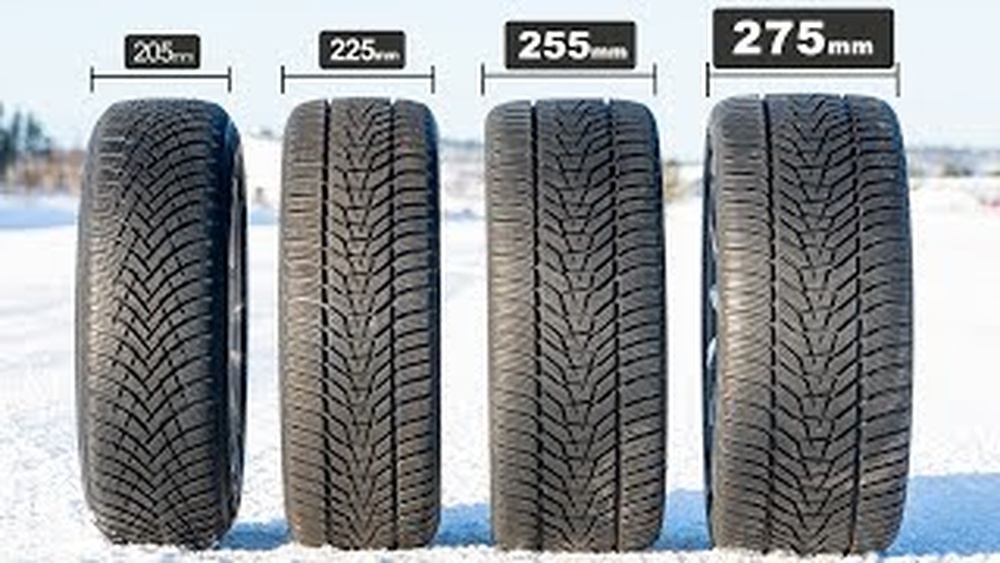
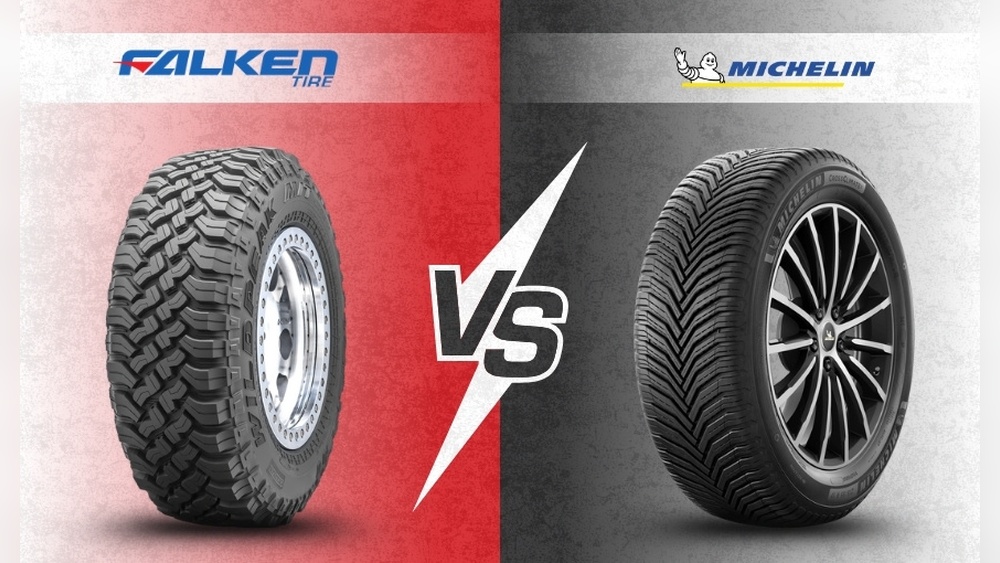
Choosing between a 275 and 295 tire might seem like a small detail, but it can make a big difference in how your vehicle handles, looks, and performs. You might be wondering which size is right for your ride and what benefits or drawbacks each option brings.
By the time you finish reading, you’ll have a clear idea of which tire fits your driving style and needs best. Let’s dive into the key differences that could change your driving experience for the better.
Tire Size Basics
Choosing the right tire size matters for your vehicle’s performance and safety. Tire sizes like 275 and 295 refer to the width of the tire in millimeters. Understanding these sizes helps you pick the best fit for your car or truck. Let’s explore how width and profile affect tires and their fitment.
Width And Profile Differences
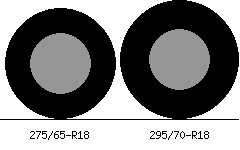
A 275 tire is 275 millimeters wide. A 295 tire is 20 millimeters wider. This small change can affect grip and handling. Wider tires offer more contact with the road. That means better traction but can also increase rolling resistance.
The profile is the sidewall height, shown as a percentage of the width. Both 275 and 295 tires may have similar or different profiles. A lower profile tire has a shorter sidewall, which improves cornering. A taller sidewall gives a softer ride but less sharp handling.
Impact On Vehicle Fitment
Wider tires like 295 may not fit all vehicles without modification. They can rub against the wheel well or suspension parts. Checking your vehicle’s clearance is important before upgrading tire width.
Smaller cars often need narrower tires for proper fitment. Larger trucks and SUVs can handle wider tires better. Also, wider tires may affect fuel economy and speedometer accuracy. Proper fitment ensures safety and good performance on the road.
Performance Impact
Choosing between 275 and 295 tires affects your vehicle’s performance on many levels. Tire size changes how your car moves, turns, and grips the road. Small differences can change your driving experience noticeably. Understanding these impacts helps you pick the right tire for your needs.
Acceleration And Speed
275 tires are usually lighter and have less rolling resistance. This helps the car accelerate faster. The engine does not have to work as hard to move the car. On the other hand, 295 tires are wider and heavier. They may slow acceleration slightly but offer better grip.
Top speed can also vary. 275 tires often allow for a higher top speed because of less friction. 295 tires create more contact with the road, which may limit maximum speed. Drivers who want quick starts may prefer 275 tires.
Handling And Stability
Handling improves with wider tires like the 295 size. They provide more surface area in contact with the road. This increases traction during turns and quick maneuvers. Wider tires help keep the car stable at higher speeds.
275 tires offer good handling but may not grip as well on sharp turns. They can feel lighter and more responsive on smooth roads. Stability improves with 295 tires, especially on wet or rough surfaces. The choice depends on your driving style and road conditions.
Grip And Traction
Grip and traction are key factors in tire performance. They affect safety, handling, and ride comfort. Choosing between 275 and 295 tires impacts how your vehicle sticks to the road. Each tire size offers different benefits depending on the road conditions.
Dry Road Grip
Tire width plays a big role in dry road grip. The 295 tire has a wider surface area that touches the road. This extra width can improve grip during sharp turns and quick stops. It spreads the vehicle’s weight over a larger patch, increasing friction with the road.
On dry pavement, the 275 tire still provides solid grip. It often offers better steering feel and quicker response. The narrower width can reduce rolling resistance, helping with fuel efficiency. Both sizes work well, but wider tires generally have an edge in dry grip.
Wet And Off-road Traction
Wet roads challenge tire traction because water reduces contact with the surface. The 275 tire usually handles wet conditions better due to its narrower footprint. It cuts through water more effectively, lowering the risk of hydroplaning. This makes it safer in rain.
Off-road traction depends on tread design and tire size. The 295 tire’s larger footprint provides more surface area to grip loose dirt and rocks. It offers better stability and control on rough trails. However, the 275 tire can still perform well off-road, especially on softer surfaces.

Credit: www.youtube.com
Fuel Efficiency Effects
Tire size affects fuel efficiency in many ways. Choosing between 275 and 295 tires can change your vehicle’s fuel use. The width and weight of the tire impact how much energy your car needs.
Wider tires like 295 create more rolling resistance. This means the engine works harder to move the vehicle. The result is more fuel consumption over time. Narrower 275 tires typically roll easier, using less fuel.
Rolling Resistance And Fuel Consumption
Rolling resistance is the force that tires need to keep moving. Wider tires have a larger contact patch with the road. This increases rolling resistance, demanding more fuel from the engine. Narrower tires reduce this force, helping improve mileage.
Weight Differences Between 275 And 295 Tires
Tire weight affects fuel efficiency as well. Bigger, wider tires often weigh more. Extra weight means the engine uses more fuel to accelerate and maintain speed. Lighter 275 tires put less load on the engine, saving fuel.
Impact On Aerodynamics
Wider tires can disrupt airflow around the vehicle. This reduces aerodynamic efficiency. More drag forces the engine to work harder. Narrower tires help maintain smoother airflow, improving fuel economy slightly.
Ride Comfort And Noise
Ride comfort and noise are key factors when choosing between 275 and 295 tires. These two sizes affect how smooth the ride feels and how much sound you hear inside the vehicle. Understanding these differences helps make a better choice for daily driving or long trips.
Ride Comfort Of 275 Tires
275 tires usually offer a smoother ride. Their narrower width means less road contact. This reduces vibrations and bumps felt inside the car. They absorb shocks better on rough roads. The tire sidewalls flex more, helping to soften the ride.
Ride Comfort Of 295 Tires
295 tires are wider and stiffer. They provide a firmer, more stable feel. This firmness can cause a rougher ride on uneven surfaces. The sidewalls flex less, making bumps more noticeable. These tires suit drivers who prefer a sporty, controlled drive.
Noise Levels Of 275 Tires
275 tires tend to be quieter on the road. Their smaller footprint produces less road noise. They create fewer vibrations that cause cabin noise. This helps keep the inside of the car calm and peaceful. Ideal for those valuing a quiet drive.
Noise Levels Of 295 Tires
295 tires often generate more noise. The larger contact patch increases road sound. Noise can be louder at higher speeds. Rough road surfaces make the sound more noticeable. These tires suit drivers who prioritize grip over quietness.
Credit: f80.bimmerpost.com
Cost And Availability
Choosing between 275 and 295 tires affects your budget and tire options. Cost and availability play a key role in deciding which tire size fits your needs and wallet.
Cost Differences Between 275 And 295 Tires
Generally, 295 tires cost more than 275 tires. The wider tire uses more material, raising production costs. This higher cost often reflects in retail prices. Expect to pay extra for 295 tires, especially for premium brands.
Availability Of 275 Tires
275 tires are more common and easier to find. Many vehicles use this size, so stores stock them in larger quantities. This makes buying and replacing 275 tires simple. You can find them at most tire shops and online.
Availability Of 295 Tires
295 tires are less common but still available. They suit larger vehicles and trucks, so specialty shops carry them. Sometimes, ordering 295 tires takes longer than 275 tires. Check with suppliers early to avoid delays.
Choosing The Right Tire
Choosing the right tire is important for safety and performance. Tires affect how your vehicle drives on the road. Picking between 275 and 295 tires depends on several factors. Consider your driving style and your vehicle’s needs. The right tire helps you drive smoothly and safely.
Driving Style Considerations
Your driving style impacts which tire size suits you best. If you drive mostly in the city, a 275 tire may offer better fuel efficiency. For rough roads or off-road driving, a 295 tire can provide extra grip and stability. Fast cornering or sporty driving benefits from wider tires like 295. Choose a tire that matches how you use your vehicle daily.
Vehicle Compatibility
Not all tires fit every vehicle. Check your vehicle’s manual for recommended tire sizes. A 275 tire fits most standard trucks and SUVs. A 295 tire is wider and may need a larger wheel well. Installing the wrong tire size can harm your vehicle’s suspension and performance. Always ensure the tire matches your vehicle’s specifications for safe driving.
Credit: www.tacomaworld.com
Frequently Asked Questions
What Is The Main Difference Between 275 And 295 Tires?
The main difference is tire width. A 295 tire is 20mm wider than a 275 tire. This affects grip, handling, and appearance.
Which Tire Size Offers Better Traction, 275 Or 295?
A 295 tire generally offers better traction due to its wider contact patch. It provides improved grip on dry surfaces and cornering.
Do 295 Tires Affect Fuel Economy Compared To 275?
Yes, 295 tires can slightly reduce fuel economy. Their wider width increases rolling resistance, which may lead to higher fuel consumption.
Can I Replace 275 Tires With 295 On My Vehicle?
You can replace 275 tires with 295 if your vehicle supports the width. Check clearance, wheel size, and manufacturer recommendations before upgrading.
Conclusion
Choosing between 275 and 295 tires depends on your needs. Wider tires like 295 offer better grip and a tougher look. Narrower 275 tires can save fuel and give a smoother ride. Both sizes fit different vehicles and styles. Think about your driving habits and road conditions.
Pick the tire that fits your style and safety. Each size has its own strengths. Your choice shapes how your vehicle feels and performs. Simple and smart decisions lead to better driving.