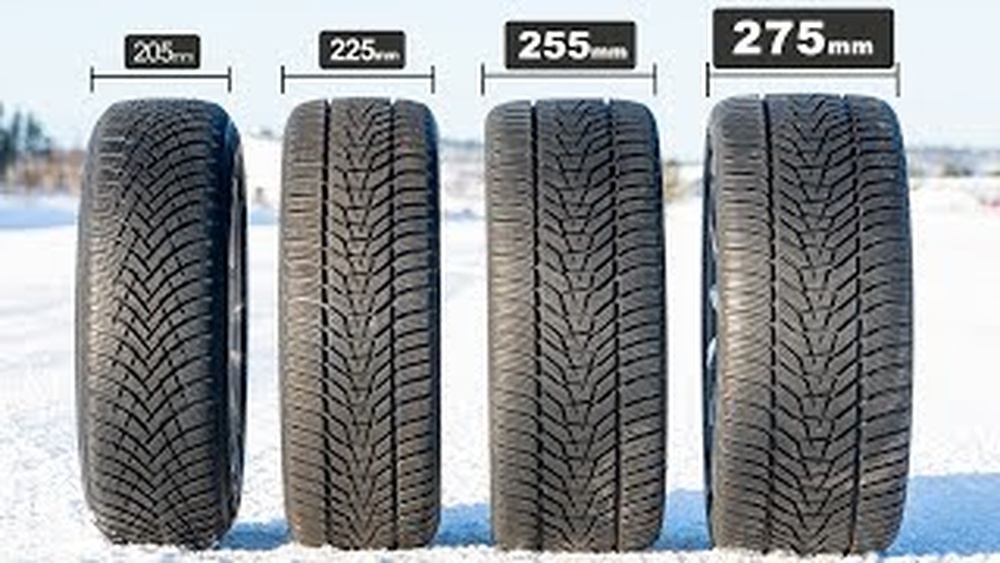
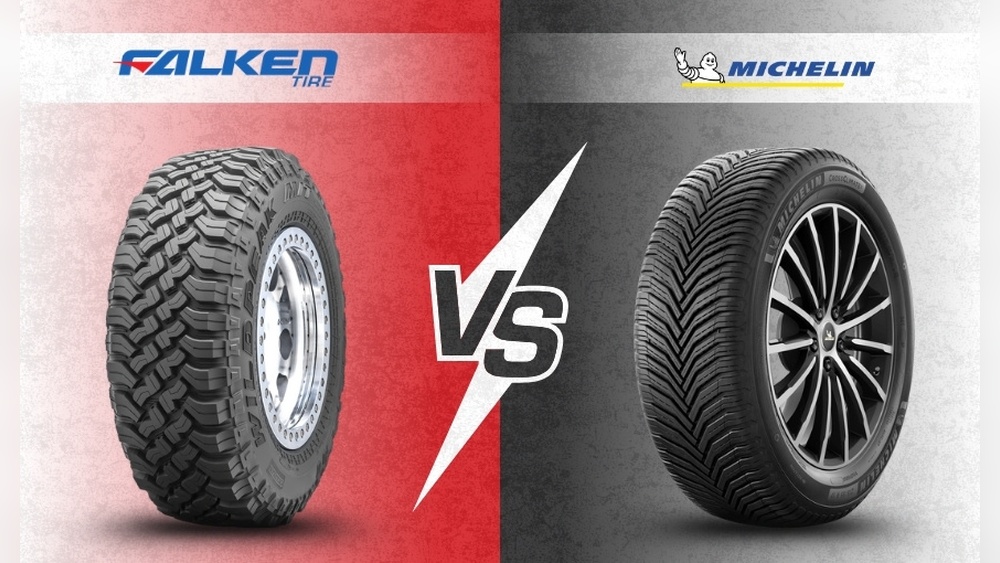
Choosing the right tire size can make a big difference in how your vehicle performs and feels on the road. If you’ve been wondering whether 11.5 or 12.5 tires are better for your ride, you’re not alone.
These numbers might seem small, but they hold the key to better grip, smoother rides, and even fuel efficiency. You’ll discover what sets 11. 5 tires apart from 12. 5 tires and which one fits your needs perfectly. Keep reading to find out how this simple choice can change your driving experience.
Tire Size Basics
Tire size is an important factor for vehicle performance and safety. Understanding tire size basics helps you choose the right tires. It affects grip, handling, and ride comfort. The numbers 11.5 and 12.5 refer to tire width. Knowing what these numbers mean makes tire selection easier. This section explains the basics of tire sizes and measurements.
What Do 11.5 And 12.5 Mean?
Numbers like 11.5 and 12.5 show the tire’s width in inches. A tire marked 11.5 is 11.5 inches wide. A 12.5 tire is 12.5 inches wide. The wider the tire, the larger the contact area with the road. Wider tires often provide better traction. They may also affect fuel efficiency and ride quality.
Measuring Tire Dimensions
Tire size includes width, aspect ratio, and diameter. The width is the distance across the tire’s tread. The aspect ratio shows the height of the tire’s sidewall. It is a percentage of the width. The diameter is the size of the wheel the tire fits. Together, these numbers describe the full tire size. Understanding these helps pick the right tire for your vehicle.

Credit: www.youtube.com
Performance Differences
Choosing between 11.5 and 12.5 tires affects how your vehicle performs on the road. These tire sizes bring distinct changes in traction, handling, and comfort. Understanding these differences helps you pick the right tire for your driving needs.
Traction And Grip
12.5 tires have a wider surface area touching the road. This increases grip, especially on slippery or loose surfaces. Wider tires can improve traction during acceleration and braking. On the other hand, 11.5 tires offer less road contact but may perform better on dry, hard surfaces. Traction changes depend on tire width, tread pattern, and road conditions.
Handling And Stability
Wider 12.5 tires add stability at higher speeds. They reduce side-to-side movement, making turns feel smoother and safer. However, 11.5 tires can be easier to steer and may respond quicker to driver inputs. Narrower tires also reduce rolling resistance, which can help with fuel efficiency. Stability and handling depend on vehicle type and driving style.
Ride Comfort
11.5 tires often provide a softer ride. Their smaller width lets them absorb bumps better, improving comfort on rough roads. 12.5 tires, being wider, can feel stiffer and transmit more road noise. The tire’s sidewall height and pressure also influence ride comfort. Comfort varies based on road quality and tire design.
Impact On Vehicle Dynamics
The size of your tires affects how your vehicle moves and handles. Choosing between 11.5 and 12.5 tires changes the way your car feels on the road. Small differences in tire width impact acceleration, braking, fuel use, and turning. Understanding these changes helps you pick the right tire size for your needs.
Acceleration And Braking
Wider tires like 12.5 offer more grip on the road. This grip helps your car accelerate faster and stop shorter. The 11.5 tires have less contact with the road, so acceleration might feel slower. Braking distances can be longer with narrower tires. More surface area means better traction during quick starts and stops.
Fuel Efficiency
Narrower tires like 11.5 reduce rolling resistance. This means the car uses less fuel to move. Wider 12.5 tires create more drag and weight. This extra effort lowers fuel efficiency. Cars with 11.5 tires can travel farther on the same amount of fuel. Choosing tire width affects how often you visit the gas station.
Turning Radius
Thinner 11.5 tires make turning easier and sharper. They allow a smaller turning radius, so your car feels more agile. Wider 12.5 tires need more space to turn. The larger contact patch can reduce steering response. For tight corners or city driving, 11.5 tires help maneuver better.
Compatibility Considerations
Choosing between 11.5 and 12.5 tires involves more than just size. Compatibility with your vehicle is key. Tires must fit well to ensure safety and performance. Several factors affect this fit. These include space inside the wheel well, your suspension setup, and how the speedometer reads the new tire size.
Wheel Well Clearance
Wheel well clearance is the space between your tire and the car body. Larger tires, like 12.5, need more room. If the tire rubs against the wheel well, it can cause damage. Smaller tires, like 11.5, usually fit easier in tight spaces. Check the clearance before changing tire size to avoid problems during turns and bumps.
Suspension And Alignment
Tire size affects your suspension and alignment. Bigger tires change how your suspension reacts. They may cause strain or uneven tire wear. Proper alignment is crucial to keep your car driving straight. Switching to 12.5 tires may require suspension adjustments. 11.5 tires often need fewer changes but still need a check to maintain balance and control.
Speedometer Accuracy
Tire size changes speedometer readings. Larger tires cover more ground per rotation. This makes your speedometer show a slower speed than actual. Smaller tires do the opposite and show faster speeds. This affects speed and distance measurements. Recalibrating the speedometer keeps readings accurate after switching tire sizes.
Use Case Scenarios
Choosing between 11.5 and 12.5 tires depends on where and how you drive. Each size fits different needs. Understanding use cases helps pick the right tire. It affects safety, comfort, and performance. Let’s explore key scenarios to make a smart choice.
Off-road Vs On-road
11.5 tires often suit on-road driving better. They offer a smoother ride and better fuel efficiency. 12.5 tires are great for off-road use. Their wider surface gives more grip on dirt and mud. They handle rough terrain with ease. For mostly highway or city use, 11.5 tires work well. For trails and uneven paths, 12.5 tires perform stronger.
Weather Conditions
Weather plays a big role in tire choice. 11.5 tires handle dry and wet roads well. They offer good control on paved surfaces. 12.5 tires excel in snowy or muddy conditions. Their extra width helps float over soft ground. They reduce the chance of getting stuck. For mild weather, 11.5 tires are enough. For heavy snow or mud, 12.5 tires give more safety.
Vehicle Types
Vehicle size and weight matter for tire size. Light trucks and SUVs often use 11.5 tires. They balance comfort and durability. Heavy trucks and off-road vehicles need 12.5 tires. These tires support more weight and rough use. Larger tires improve stability for big vehicles. Choose 11.5 tires for smaller vehicles. Pick 12.5 tires for heavy-duty or off-road trucks.
Cost And Availability
Choosing between 11.5 and 12.5 tires involves thinking about cost and availability. These factors affect your budget and how fast you can get the tires. Both sizes have different price points and market options. Understanding these differences helps you make a smart choice for your vehicle.
Price Differences
11.5 tires usually cost less than 12.5 tires. The smaller size means less material and simpler design. 12.5 tires are bigger and often priced higher. The price gap varies by brand and tire type. Keep your budget in mind when picking the tire size.
Tire Lifespan
Tire lifespan depends on quality and use, not just size. 12.5 tires sometimes last longer because of thicker treads. But 11.5 tires can be just as durable if well made. Proper care also extends tire life. Consider how long you want your tires to last.
Market Options
11.5 tires are more common and easy to find. Many brands offer this size for different vehicles. 12.5 tires have fewer options and limited brands. Sometimes, you may wait longer to get 12.5 tires. Check local stores and online shops to see availability.
Making The Right Choice
Choosing between 11.5 and 12.5 tires can affect your vehicle’s performance. The right tire size impacts safety, comfort, and fuel use. Understanding your needs helps make the best choice.
Matching Tires To Driving Style
Think about how you drive daily. 11.5 tires suit city driving and short trips. They offer better fuel efficiency and easier handling. 12.5 tires fit rough roads and off-road driving. They provide more grip and stability on tough terrain. Pick a tire size that fits your usual routes and conditions.
Balancing Performance And Cost
11.5 tires usually cost less and last longer on smooth roads. They use less fuel due to lighter weight. 12.5 tires can be pricier and wear faster on pavement. But they improve safety and control in harsh conditions. Consider your budget and how much you value extra performance.
Expert Recommendations
Many experts suggest 11.5 tires for everyday drivers. They offer a good mix of comfort and economy. For trucks or vehicles used off-road, 12.5 tires are often better. Mechanics advise checking your vehicle manual before buying. Professional advice can help avoid costly mistakes.
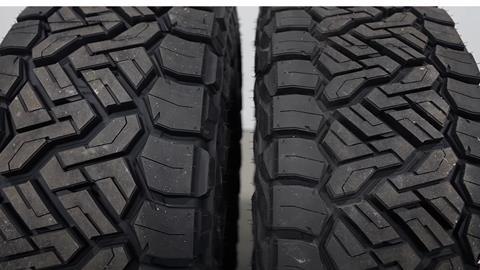
Credit: www.ovrmag.com

Credit: www.jeepgladiatorforum.com
Frequently Asked Questions
What Is The Main Difference Between 11.5 And 12.5 Tires?
The main difference is tire width. 11. 5 tires are narrower, offering less contact area. 12. 5 tires are wider, providing better traction and stability. This affects handling, performance, and ride comfort depending on your vehicle needs.
Which Tire Size Is Better For Off-road Driving?
12. 5 tires are generally better for off-road driving. Their wider tread improves grip on loose or uneven surfaces. They also offer increased durability and stability, helping to handle rough terrains more effectively than 11. 5 tires.
Can I Replace 11.5 Tires With 12.5 Tires?
Yes, but only if your vehicle supports the larger width. Check wheel clearance and suspension compatibility before upgrading. Using 12. 5 tires may require adjustments to avoid rubbing or handling issues.
How Do 11.5 And 12.5 Tires Affect Fuel Efficiency?
Wider 12. 5 tires usually reduce fuel efficiency due to increased rolling resistance. Narrower 11. 5 tires offer better fuel economy by minimizing drag. Choose based on whether performance or fuel savings matter more to you.
Conclusion
Choosing between 11. 5 and 12. 5 tires depends on your needs. Smaller tires offer better fuel use and easier handling. Bigger tires give more grip and a tough look. Think about your vehicle type and road conditions. Also, check what fits your rims well.
Both sizes have pros and cons to weigh. Pick what suits your driving style best. This way, you get comfort and safety on the road. Tires matter. Choose wisely.