Many car owners now hear about nitrogen tires and wonder if adding regular air is safe. If your tire pressure drops and you don’t have pure nitrogen nearby, what should you do? Will mixing air harm your tires or vehicle? Let’s explore how nitrogen inflation works, whether you can add air, and what really happens if you mix both.
Why Nitrogen Tires Are Popular
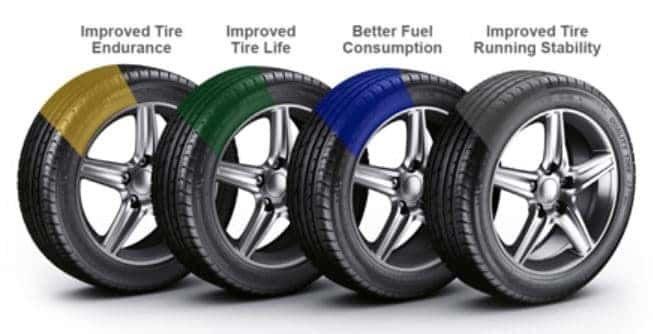
Nitrogen inflation is common in race cars, aviation, and some high-end vehicles. Regular air is about 78% nitrogen, 21% oxygen, and small amounts of other gases. Filling tires with pure nitrogen reduces the oxygen content, bringing a few advantages:
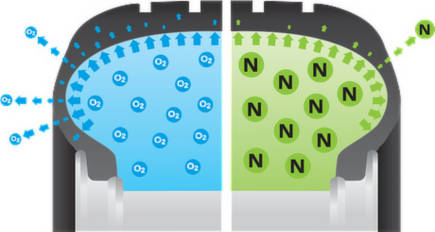
- Slower pressure loss: Nitrogen molecules are bigger than oxygen, so they escape less easily through tire rubber.
- Less moisture: Nitrogen is dry, so it reduces water vapor inside the tire, preventing corrosion.
- Stable pressure: Nitrogen is less affected by temperature changes, keeping tire pressure steady.
Many tire shops advertise nitrogen as a way to improve tire life and fuel efficiency. But the benefits are modest for normal drivers. According to Consumer Reports, nitrogen-filled tires lose pressure more slowly—about 1. 3 psi over a year versus 2.
2 psi for air—but the difference isn’t dramatic.
Can You Add Air To Nitrogen Tires?
This is a common question for drivers. The simple answer: Yes, you can add air to nitrogen-filled tires. It’s safe and won’t cause damage.
When you add air, you mix oxygen and other gases with the nitrogen already inside. The tire will now contain a blend—less pure nitrogen, more oxygen, but still safe to drive. No tire or wheel damage will occur, and your car will function normally.
Why Is It Safe?
Tires are designed for regular air. Mixing nitrogen and air doesn’t cause a chemical reaction or degrade tire performance. The only effect is slightly reducing the benefits of pure nitrogen inflation. If you need to top up pressure, air is better than running under-inflated tires.
What Happens When You Mix Air And Nitrogen?
Let’s see how the composition changes when you add air to a nitrogen-filled tire:
- Pure nitrogen tire: Nearly 100% nitrogen inside.
- After adding air: The percentage drops, depending on how much air you add.
Here’s a simple example:
| Scenario | Nitrogen (%) | Oxygen (%) | Other Gases (%) |
|---|---|---|---|
| Pure nitrogen fill | ~100 | 0 | 0 |
| 50% nitrogen, 50% air added | ~89 | ~10 | ~1 |
| Mostly air | ~78 | ~21 | ~1 |
So, after mixing, your tire might have 80-90% nitrogen, depending on how much air you add.
Nitrogen Vs Air: Real Differences
Many drivers wonder if mixing air ruins the benefits of nitrogen. Let’s compare both options:
| Feature | Nitrogen Tires | Regular Air Tires |
|---|---|---|
| Pressure Loss Rate | Slower (about 1.3 psi/year) | Faster (about 2.2 psi/year) |
| Moisture Content | Dry (less corrosion risk) | Contains water vapor |
| Temperature Fluctuation | More stable | Pressure changes more |
| Availability | Limited (special shops) | Easy (every gas station) |
For everyday use, the differences are small. Race teams and aircraft benefit more because they push tires to extreme limits.
Credit: www.springfieldacura.com
When Should You Add Air To Nitrogen Tires?
You should always keep your tires at the recommended pressure. Driving with low pressure is unsafe and can cause:
- Poor handling
- Increased tire wear
- Lower fuel efficiency
- Higher risk of blowouts
If your nitrogen tire is low and you don’t have nitrogen nearby, add regular air. It’s better to have correct pressure than worry about mixing gases.
Emergency Situations
Imagine you’re far from home, and your tire is low. The only option is a gas station air pump. Go ahead—add air. Mixing will not damage the tire or rim.
Routine Topping Up
If you want to keep the nitrogen benefits, you can later have the tire emptied and refilled with pure nitrogen. But this isn’t necessary for most drivers.
How To Add Air To Nitrogen Tires
The process is the same as for any tire:
- Remove the valve cap.
- Attach the air hose securely to the valve.
- Add air until you reach the desired PSI.
- Use a reliable pressure gauge to check.
- Replace the valve cap.
Always check your vehicle’s recommended tire pressure, usually found on a sticker inside the driver’s door.
Tips For Safe Inflation
- Use a digital pressure gauge for accuracy.
- Don’t overinflate; too much pressure can cause uneven tire wear.
- Check tires when cold, not after driving.
- Inspect for leaks or damage after inflating.
Common Misconceptions About Nitrogen Tires
Some myths make people worry about mixing air and nitrogen. Let’s clear up a few:
- Myth: Mixing air with nitrogen will harm your tires.
- Fact: No damage will occur; the tire is safe.
- Myth: Nitrogen tires perform much better.
- Fact: Benefits are small for normal driving.
- Myth: You must use only nitrogen once you start.
- Fact: You can mix with air anytime.
- Myth: Nitrogen is a special requirement.
- Fact: It’s optional; air works for almost all cars.
Nitrogen Tire Inflation: Costs And Convenience
Nitrogen inflation often costs $5–$10 per tire. Some shops offer free refills if you buy new tires. Regular air is free at most gas stations.
| Inflation Type | Cost | Availability | Refill Convenience |
|---|---|---|---|
| Nitrogen | $5–$10/tire | Specialty shops | Limited |
| Air | Usually free | Every gas station | Easy |
Unless you drive a high-performance vehicle, you may not notice much difference in daily use.
What Really Matters For Tire Life
Keeping tires at the right pressure is more important than the gas inside. Under-inflated tires cause more problems than mixing air and nitrogen. Always check your tires monthly and before long trips.
Non-obvious Insights Most Drivers Miss
- Pressure loss is mainly caused by small leaks or valve issues, not just gas type. A slow leak will reduce benefits of nitrogen, so regular inspection matters more than the gas used.
- Temperature changes affect tire pressure regardless of the gas inside. Even nitrogen tires lose pressure in winter, so keep checking.
Most tire failures happen from neglect, not from using the “wrong” gas.
Should You Switch Back To Air?
If you don’t want to pay for nitrogen or prefer convenience, switching is easy. Just let a shop deflate your tires fully and refill with regular air. There’s no need for special cleaning or preparation.
Nitrogen Inflation For Specialty Vehicles
Nitrogen is critical for:
- Aircraft tires: Prevents moisture, avoids freezing at high altitudes.
- Racing cars: Stable pressure helps performance.
- Heavy trucks: Reduces corrosion, saves cost on tire maintenance.
For regular cars, these benefits are less important. Some luxury brands offer nitrogen inflation, but it’s not a requirement.
Can You Restore Pure Nitrogen After Mixing?
If you want pure nitrogen again, have a tire shop:
- Deflate the tire fully.
- Refill with nitrogen.
- Repeat the process once or twice to flush out air.
For most users, this isn’t needed unless a shop recommends it for warranty or performance reasons.
Credit: www.discounttire.com
Expert Opinions And Research
According to the National Highway Traffic Safety Administration (NHTSA), nitrogen inflation offers minor benefits but isn’t necessary for safety or performance. Correct tire pressure and regular maintenance are more important.
You can find more research on nitrogen tire inflation at Consumer Reports.
Frequently Asked Questions
Does Mixing Air With Nitrogen Affect Tire Life?
No, mixing air and nitrogen will not shorten tire life. Keeping the correct pressure matters more than gas composition.
Is It Safe To Drive After Adding Air To Nitrogen Tires?
Yes, it’s safe. Your tires will perform as normal, and there’s no risk to the wheels or vehicle.
Can I Refill With Pure Nitrogen After Adding Air?
You can, but it’s not required. If you want pure nitrogen again, a shop can deflate and refill the tire.
Is Nitrogen Inflation Worth The Cost?
For most drivers, the benefits are small. Unless you drive a specialty vehicle, regular air is fine.
What Happens If I Use Only Air After Starting With Nitrogen?
Nothing bad will happen. Your tire will function normally, and you can switch back to air anytime.
—
In the end, adding air to nitrogen tires is safe and practical. The benefits of pure nitrogen are small, especially for daily driving. When pressure drops, top up with air rather than risk under-inflation. Tire safety and performance depend more on regular checks than gas type. If you want pure nitrogen again, a shop can help—but for most drivers, mixing is not a problem.
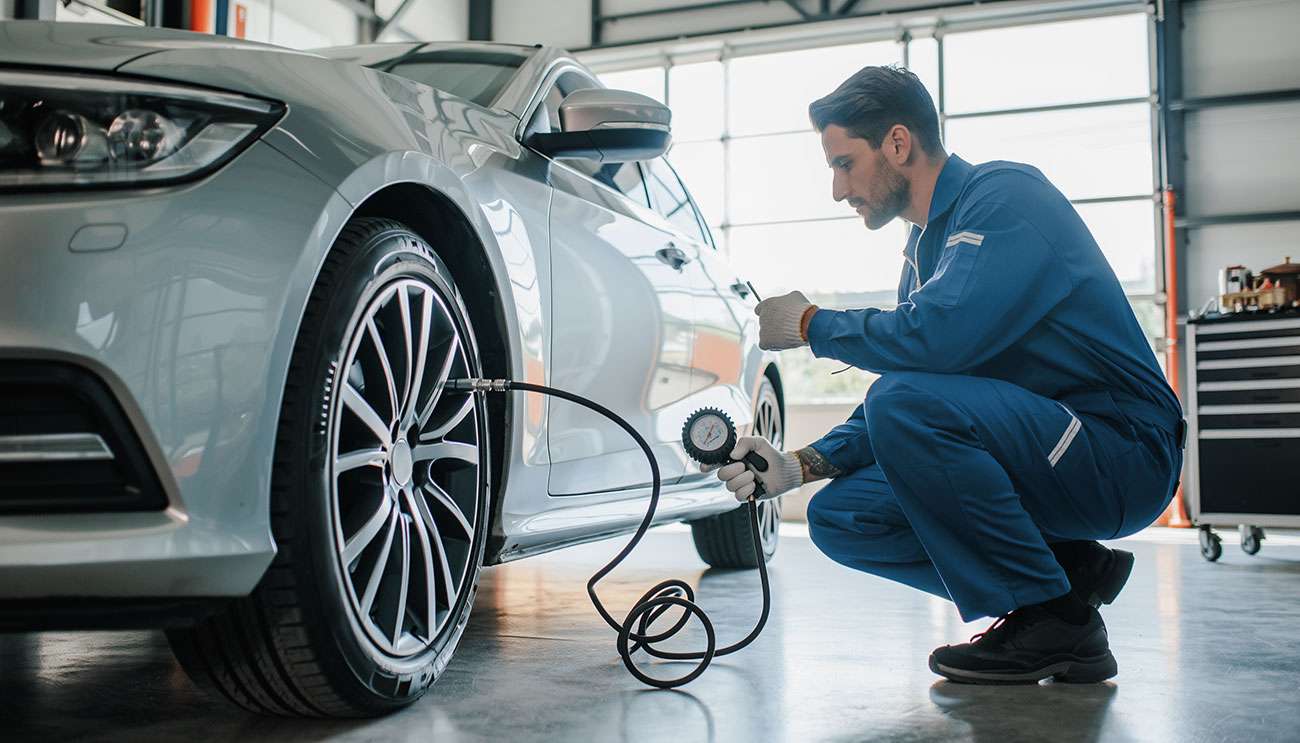
Credit: www.performanceplustire.com