When thinking about replacing your 235 tires with 225 tires, it’s important to understand how tire sizing works and what changes you can expect. Many drivers look for alternatives to their original tire size for reasons like price, availability, or specific driving needs. But is it safe and smart to swap 235 tires for 225 tires? This article gives you clear answers, practical advice, and real data so you can make a confident decision.
Understanding Tire Sizes
Tire sizes are written as numbers and letters, like 225/45R17 or 235/50R18. The first number, 225 or 235, is the tire’s width in millimeters. The second number is the aspect ratio (sidewall height as a percentage of width). The letter “R” means radial construction, and the last number is the wheel diameter in inches.
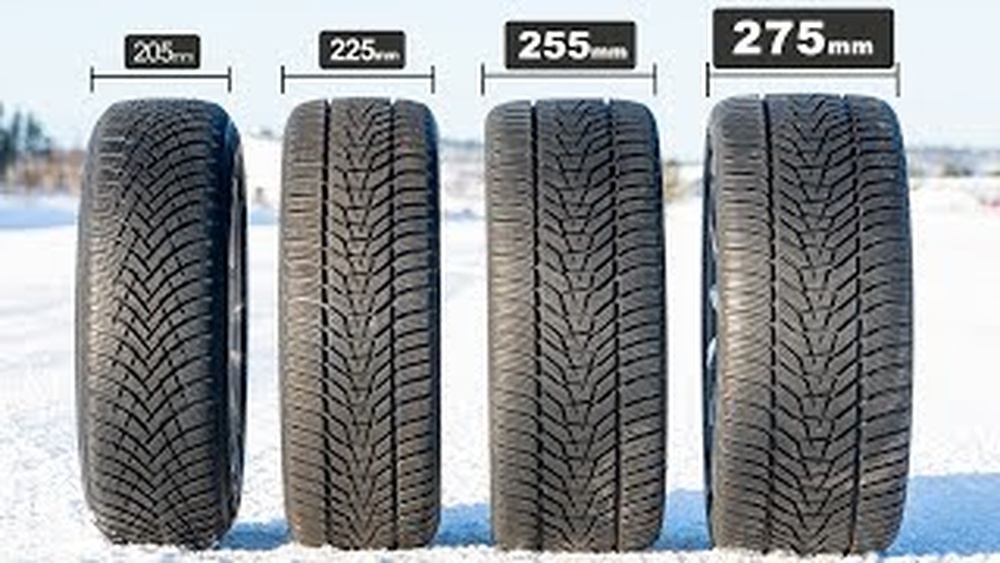
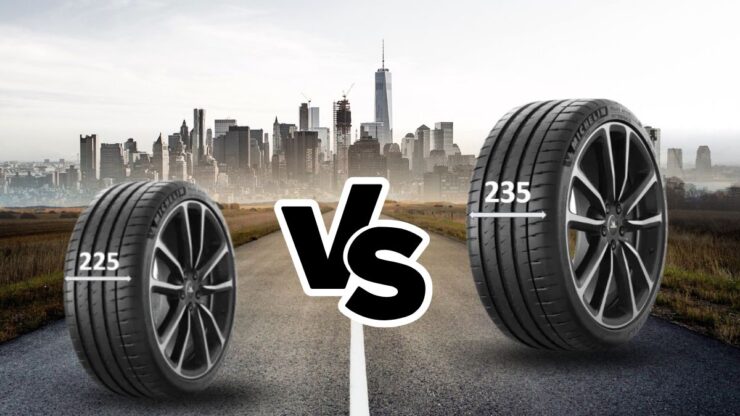
So, switching from 235 to 225 means your tire will be 10 millimeters narrower. This affects the tire’s contact patch, sidewall, and sometimes the overall diameter.
Comparing 225 Vs 235 Tires
Let’s look at the main differences:
| Feature | 225 Tire | 235 Tire |
|---|---|---|
| Width (mm) | 225 | 235 |
| Typical Contact Patch | Smaller | Larger |
| Sidewall Height (if aspect ratio is same) | Shorter | Taller |
| Rolling Resistance | Lower | Higher |
| Grip | Less | More |
| Fuel Efficiency | Slightly Better | Slightly Worse |
Can You Use 225 Tires Instead Of 235?
The short answer: sometimes yes, sometimes no. It depends on your car, your driving style, and the tire specifications. Here are the main things to consider:
1. Wheel Compatibility
Your car’s wheels must fit the new tire width. Most wheels for 235 tires can also fit 225 tires, but not always. The rim width range for 225 tires is often 6-8 inches, while for 235 tires it’s 6.5-9 inches. Check your wheel’s width before changing.
2. Effects On Handling
A narrower tire like 225 will have:
- Less grip in corners
- More precise steering (sometimes)
- Lower rolling resistance
A wider tire (235) offers:
- Better traction
- More stable cornering
- Higher rolling resistance
If you do spirited driving or drive in areas with sharp turns, you might notice a difference.
3. Speedometer Accuracy
Changing tire width can affect your speedometer. But the real impact comes from the overall diameter, not just width. If you keep the same aspect ratio and wheel size, the change is small. But if the sidewall changes, your speedometer could read slightly faster or slower than reality.
4. Tire Availability And Price
225 tires are often more common and may cost less than 235 tires. Some brands have more choices in 225, especially for standard sedans and compacts.
5. Load Capacity
Wider tires usually carry more weight. If your car needs a higher load rating, check the load index for the specific 225 tire. Sometimes, switching to a narrower tire means a lower load rating, which can be unsafe for heavy vehicles.
Real-world Examples
Let’s look at two vehicles:
- Toyota Camry: Many Camry models use either 225 or 235 tires, depending on trim. Owners often switch between the two sizes with no major issues, but handling feels slightly firmer with 225.
- Ford Explorer: This SUV comes standard with 235 tires. Switching to 225 might reduce grip in wet conditions and could lower towing capacity.
Credit: www.tireryder.com
How Tire Size Affects Performance
Here’s a quick comparison of performance aspects:
| Performance Area | 225 Tires | 235 Tires |
|---|---|---|
| Cornering | Less grip | More grip |
| Comfort | More comfort (sometimes) | Stiffer ride |
| Noise | Usually quieter | Can be louder |
| Wet Traction | Lower | Higher |
| Fuel Economy | Better | Worse |
Key Considerations Before Switching
Think carefully before making the change:
1. Manufacturer Recommendations
Always check your car’s owner manual or the sticker inside the driver’s door. Car makers test different tire sizes for safety and performance.
2. Driving Conditions
If you drive in snow, rain, or off-road, a wider tire (235) may be safer. For city driving and highway cruising, 225 can be fine.
3. Legal And Insurance Issues
Some countries and insurance companies require you to use manufacturer-approved sizes. Using the wrong size might affect your coverage.
4. Tire Brand And Model
Not all tires are equal. A high-quality 225 tire can sometimes outperform a cheap 235 tire in grip and safety.
Common Mistakes When Changing Tire Sizes
Many drivers make mistakes when swapping tire sizes:
- Ignoring load index: This can risk safety.
- Not checking rim width: Wrong tire on wrong rim can cause wear and damage.
- Forgetting speed rating: Some tires are not rated for your car’s speed.
- Skipping professional advice: Always ask a tire specialist.
Non-obvious Insights
1. Aspect Ratio Matters More Than You Think
If you change from 235/45R17 to 225/45R17, the sidewall will be slightly shorter, affecting ride comfort and wheel protection. But if you pick 225/50R17, the sidewall is taller, which changes the overall diameter and speedometer reading.
2. Tire Compound Can Bridge The Gap
A performance compound on a 225 tire can give similar grip as a standard 235 tire. So, don’t focus only on size—compound and tread matter too.
Practical Steps To Make The Switch
If you decide to use 225 tires instead of 235, here’s what you should do:
- Check rim width: Make sure your wheels fit the new tire size.
- Choose the right aspect ratio: Match the diameter to your original tires to avoid speedometer errors.
- Compare load ratings: Pick a 225 tire with equal or higher load index.
- Test drive: Notice changes in handling and comfort.
- Consult a professional: Ask your tire shop for advice.
Data And Statistics
According to tire industry studies, changing tire width by 10mm can decrease grip by about 3% in dry conditions and up to 7% in wet conditions. Fuel economy can improve by 1-2% with narrower tires. But safety should always be the top concern.

Credit: www.youtube.com
When Is It Safe To Switch?
You can safely use 225 tires instead of 235 when:
- Your rim width allows the change.
- The load index is correct.
- The overall tire diameter is within 3% of the original.
- The driving conditions are mild (not extreme weather or high speeds).
Tire Size Calculator Example
Many tire shops offer online calculators. You can input your current size (235/45R17) and compare with 225/45R17. The diameter difference is about 0.4%, which is small and safe for most cars.
Credit: www.subaruoutback.org
Summary Table: Should You Switch?
Here’s a quick summary to help your decision:
| Situation | 225 Tire | 235 Tire |
|---|---|---|
| Daily city driving | Good | Good |
| Sporty driving | Acceptable | Better |
| Heavy vehicle | Check load index | Better |
| Snow/wet conditions | Use caution | Better |
| Fuel economy | Better | Worse |
Expert Opinion
Tire experts say that changing between 225 and 235 is common, but you must check rim width, load rating, and aspect ratio. The difference is minor for most cars, but it matters more for high-performance vehicles.
For further reading, the Tire Rack has detailed guides and calculators.
Frequently Asked Questions
Can I Put 225 Tires On 235 Rims?
Usually yes, but check your rim width. Most 235 rims fit 225 tires, but very wide rims may not. Use a tire size chart or ask a specialist.
Will My Speedometer Be Wrong With 225 Tires?
If the aspect ratio and wheel size stay the same, the difference is small (less than 1%). If you change aspect ratio or wheel diameter, your speedometer may be off.
Is It Cheaper To Use 225 Tires?
Often yes. 225 tires are more common and can cost less. But check quality and brand—cheap tires can be unsafe.
Are 225 Tires Better For Fuel Economy?
Yes, narrower tires have lower rolling resistance, which improves fuel economy by about 1-2% compared to wider tires.
Will I Lose Traction If I Switch To 225 Tires?
You may lose some grip, especially in wet or snowy conditions. If you drive aggressively, stick with 235. For calm driving, 225 is usually safe.
Switching tire sizes is a common question for drivers. If you focus on rim compatibility, load rating, and aspect ratio, you can make a smart, safe choice. Always talk to a professional before making changes—your safety depends on it.