Every car owner knows how important tires are for safety. But many people forget about the small sensor inside each tire: the tire pressure sensor. This sensor checks your tire pressure and warns you if it’s too low or too high. If the sensor fails, your car’s safety can be at risk. You might not know when your tires are unsafe, which can lead to accidents, poor fuel economy, or expensive repairs. So how can you tell if your tire pressure sensor is bad? Let’s break it down, step by step, so you’ll never have to guess.
What Is A Tire Pressure Sensor?
A tire pressure sensor is a device inside your tire or wheel. It checks the air pressure and sends information to your car’s computer. When the pressure drops below a safe level, a warning light appears on your dashboard. Most modern cars use sensors as part of the TPMS (Tire Pressure Monitoring System).
There are two main types:
- Direct sensors: These are inside the wheel, measuring air pressure directly.
- Indirect sensors: These use the anti-lock brake system to estimate pressure by watching wheel speed.
Direct sensors are more accurate but can fail in different ways.
Common Signs A Tire Pressure Sensor Is Bad
Knowing the warning signs helps you fix problems early. Here are the most common ways to spot a bad sensor:
- TPMS warning light stays on: If your tire pressure is normal but the light won’t turn off, the sensor may be faulty.
- TPMS warning flashes, then stays solid: A flashing light means the system is trying to communicate with the sensor. If it turns solid, it’s likely failed.
- Incorrect tire pressure readings: If the dashboard shows pressure that doesn’t match your manual gauge, the sensor could be broken.
- No warning during real tire problems: If you have a flat tire but the warning doesn’t come on, the sensor isn’t working.
- Sensor not detected: Some vehicles show “Sensor Not Detected” or similar messages.
Many drivers ignore these signs, thinking it’s just a glitch. But a broken sensor means you lose a key safety feature.
Credit: www.brakeandfrontend.com
Detailed Symptoms Explained
Let’s dig deeper into these symptoms. Sometimes, they’re easy to spot. Other times, you’ll need to pay close attention.
Tpms Warning Light Behavior
When your car starts, the TPMS light should turn on for a few seconds, then go off. If it stays on, check your tire pressure. If the pressure is fine and the light is still on, the sensor is likely bad.
If the light flashes for 60–90 seconds and then stays solid, your car is telling you it can’t talk to one or more sensors. This is a classic sign of sensor failure.
Wrong Pressure Readings
Use a manual tire gauge. Compare the numbers to what your car shows. If your gauge says 35 PSI and your dashboard says 22 PSI, one of the sensors is probably bad.
Some sensors may show “—” or nothing at all for one tire. This usually means the sensor is dead or missing.
No Warning During Flat Tire
Drive with a slightly deflated tire. If the warning doesn’t come on, the sensor isn’t working. This is rare, but very dangerous.
Common Causes Of Sensor Failure
Many factors can make your tire pressure sensor fail. Here are the most common:
- Battery death: Most sensors use small batteries. They last 5–10 years, then stop working.
- Physical damage: Hitting a pothole or curb can break the sensor.
- Corrosion: Water and salt can damage the sensor inside the wheel.
- Sensor replacement mistakes: Sometimes, mechanics don’t install the sensor correctly after tire changes.
It’s smart to know the typical lifespan. The battery is not replaceable in most sensors—you have to buy a new sensor.
How To Test Tire Pressure Sensors
Testing a sensor is simple if you follow the right steps. Here’s how to check if your sensor is working:
- Check tire pressure manually: Use a reliable gauge. Compare your readings with the car display.
- Watch the TPMS light: Start the car and see how the light behaves.
- Swap sensors: Move a wheel to a different position. If the problem moves, the sensor is bad.
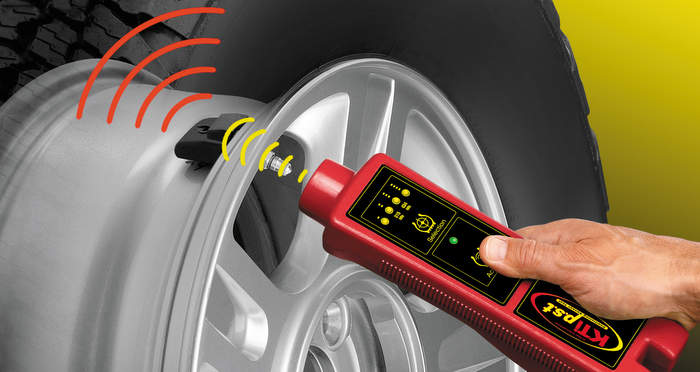
- Use a TPMS scan tool: This tool reads sensor signals directly. Many auto shops have one.
Some people skip these tests and only rely on the dashboard. That’s a mistake—a manual check is always more reliable.
Sensor Replacement: What You Need To Know
If you find a bad sensor, you’ll need to replace it. Here’s what matters:
- OEM vs. aftermarket sensors: Original sensors cost more but fit perfectly. Aftermarket sensors are cheaper but may need programming.
- Programming and relearning: Most new sensors need to be programmed to your car. Some cars require a special tool for this.
- Cost: Replacing a sensor usually costs $50–$100 for the part, plus $20–$60 for labor.
Buying the cheapest sensor isn’t always smart. Compatibility is important. Ask your mechanic if you’re unsure.
Here’s a quick comparison:
| Sensor Type | Cost (USD) | Programming Needed | Average Lifespan |
|---|---|---|---|
| OEM (Original) | $80–$150 | Usually yes | 7–10 years |
| Aftermarket | $40–$90 | Often yes | 5–8 years |
Mistakes To Avoid
Many people make mistakes when checking or replacing sensors:
- Ignoring the warning light: Some think it’s just a “nuisance light.” It’s a real safety signal.
- Using the wrong sensor: Not all sensors fit all cars. Double-check before buying.
- Skipping programming: Without programming, new sensors won’t work.
- Neglecting regular checks: Check tire pressure at least once a month, even if the sensor seems fine.
It’s easy to forget these steps, but skipping them can cost you much more later.
How Tire Pressure Sensors Affect Safety And Performance
A good sensor helps keep you safe and saves money. Here’s why:
- Better fuel economy: Proper tire pressure can improve gas mileage by up to 3%.
- Longer tire life: Under-inflated tires wear out faster. Sensors help you catch problems early.
- Safer driving: Tires with low pressure are more likely to blow out. Sensors warn you before this happens.
Data from the National Highway Traffic Safety Administration shows that tire issues cause over 11,000 crashes each year in the US. Most could be prevented with working sensors.

Credit: www.reddit.com
Example: Real-life Sensor Failure
Let’s look at a real example. A driver in Chicago noticed his TPMS light was flashing, then stayed on. He checked his tire pressure—all tires were fine. But the dashboard showed one tire at 17 PSI, while his manual gauge read 32 PSI.
He took his car to a shop. The mechanic used a TPMS scan tool and found the sensor’s battery was dead. After replacing the sensor, the warning light went away, and pressure readings were correct.
This shows how a bad sensor can make you worry about a tire that’s actually fine—or worse, make you ignore a real problem.
Diy Vs. Professional Testing
You can check sensors yourself, but some steps need a mechanic:
| Test | DIY | Professional |
|---|---|---|
| Manual pressure check | Yes | Yes |
| TPMS scan tool | No | Yes |
| Sensor swap | Yes | Yes |
| Programming/relearning | No | Yes |
If you’re unsure, ask a mechanic. Most shops can test sensors quickly.
Non-obvious Insights Most Beginners Miss
- Sensor batteries are not replaceable: Many think you can just change the battery. In almost all sensors, you must change the whole unit.
- Sensors can lose calibration after tire rotation: If your tires are rotated, the car may confuse which sensor is which. You may need to reset the system.
These are subtle details that most people overlook. They can cause confusing problems if ignored.
Tire Pressure Sensor Vs. Manual Gauge: Which Is More Reliable?
Let’s compare the two methods:
| Feature | TPMS Sensor | Manual Gauge |
|---|---|---|
| Accuracy | High, but can fail | Very high if used correctly |
| Ease of Use | Automatic | Manual |
| Failure Risk | Battery, electronics | Human error |
| Warning System | Yes | No |
A manual gauge is a good backup. Use it monthly to double-check sensor readings.

Credit: www.youtube.com
When Should You Replace Your Tire Pressure Sensor?
Replace your sensor if:
- The TPMS warning light stays on with correct tire pressure.
- The sensor shows wrong or missing readings.
- Your car can’t detect the sensor.
- The sensor battery is 5–10 years old.
Don’t wait for a total failure. Replace before you lose your safety warning.
Frequently Asked Questions
What Happens If I Drive With A Bad Tire Pressure Sensor?
You won’t get warnings about low tire pressure. This increases the risk of accidents, poor fuel economy, and faster tire wear.
Can I Repair A Tire Pressure Sensor, Or Do I Need To Replace It?
Most sensors can’t be repaired. If the battery is dead or the sensor is broken, you need a new sensor.
How Much Does It Cost To Replace A Tire Pressure Sensor?
On average, it costs $50–$150 for the part and $20–$60 for labor, depending on the car and sensor type.
How Long Does A Tire Pressure Sensor Last?
Most sensors last 5–10 years. Battery life is the main limiting factor.
Is It Safe To Buy Aftermarket Sensors?
Yes, as long as they’re compatible with your car and properly programmed. OEM sensors are more reliable but cost more. For more details, check NHTSA’s official TPMS guide.
Tire pressure sensors are small but powerful tools for road safety. If you know the signs of a bad sensor, you can fix problems quickly and avoid bigger risks. Don’t ignore warning lights or strange readings—check your tires often, use a manual gauge as backup, and replace sensors when needed.
It’s a simple step that protects your car, your wallet, and your life.