Driving with a flat tire is one of those situations many drivers face unexpectedly. You might think, “It’s just a few blocks, what’s the harm? ” Yet, a flat tire isn’t just a minor inconvenience—it brings risks for you, your car, and others on the road.
Understanding if you can safely drive a short distance on a flat tire, and what happens if you try, is vital for every motorist. This article explores the facts, dangers, and smart actions to take, so you can make the best decision when this problem arises.
What Happens When You Drive On A Flat Tire
A flat tire means most or all of the air inside is gone. The tire can’t support the vehicle’s weight like it should. If you drive even a short distance, several things start to happen:
- The sidewall bends and presses against the road.
- The rim (wheel) can touch the ground.
- The tire heats up quickly.
- Steering and braking become much harder.
A flat tire loses its shape and strength. It’s not just less comfortable; it’s unsafe. Even at low speeds, parts inside the tire can break down. That is why experts warn against driving on a flat tire.
Is It Ever Safe To Drive A Short Distance?
Most tire manufacturers say you should never drive on a flat tire, even for a few feet. Some drivers risk it anyway, hoping they can reach a safe spot. Let’s look at the main factors:
| Situation | Risk Level | Possible Outcome |
|---|---|---|
| Flat tire near home | High | Rim damage, tire ruined |
| Flat in busy traffic | Very High | Loss of control, accident |
| Flat in parking lot | Moderate | Slow movement possible, tire damage |
| Flat on highway | Extreme | Catastrophic failure, injury |
If you must move the car, experts recommend going no farther than a few yards and at very low speed. Even then, it’s likely the tire will be destroyed, and the rim could suffer expensive damage.
Credit: www.reddit.com
Why Driving On A Flat Tire Is Dangerous
Driving on a flat tire is never just about inconvenience. The risks are real and can be severe:
- Tire destruction: The inner structure breaks down fast, making repair impossible.
- Rim damage: The metal wheel can bend, crack, or scrape. Repair costs can be hundreds of dollars.
- Loss of control: Your car may pull to one side, steering becomes unpredictable.
- Accidents: Reduced braking and handling can cause crashes, especially in busy or fast-moving traffic.
- Risk to others: You could cause a hazard for other drivers, cyclists, or pedestrians.
A flat tire isn’t designed to support your car’s weight. Trying to drive, even slowly, can create problems that cost far more than a simple tire change.
How Far Can You Drive On A Flat Tire?
Many drivers wonder if they can go “just a little farther.” Let’s look at some numbers:
- Most experts say: Don’t drive more than a few yards (10–20 feet) on a flat tire.
- If you drive farther: The tire will usually be ruined within 100–200 feet.
- Rim damage risk: Starts after 10 feet, becomes severe after 50 feet.
Here’s a comparison of tire damage by distance:
| Distance Driven | Typical Tire Damage | Rim Damage |
|---|---|---|
| 0–10 feet | Minimal to moderate | Unlikely |
| 10–50 feet | Moderate to severe | Possible |
| 50–200 feet | Severe, tire ruined | Likely |
| >200 feet | Tire destroyed | Almost certain |
In rare cases, “run-flat tires” allow you to drive up to 50 miles at low speed after a puncture. But standard tires don’t offer this safety—if your tire is flat, it’s unsafe to drive.
What To Do When You Get A Flat Tire
If your tire goes flat, don’t panic. Here’s a safe step-by-step approach:
- Pull over safely: Find a level spot away from traffic.
- Turn on hazard lights: Alert other drivers.
- Check the tire: See if it’s fully flat or just low on air.
- Do not drive further: Unless you must move a few feet to safety.
- Change the tire: If you know how and have a spare.
- Call for help: Roadside assistance or a tow truck is safer if you aren’t sure.
- Avoid driving: Even short distances, unless there’s immediate danger.
Common mistake: Some drivers try to “limp” to a repair shop or home. This often leads to bigger repair bills and more risk.
How A Flat Tire Can Affect Your Car
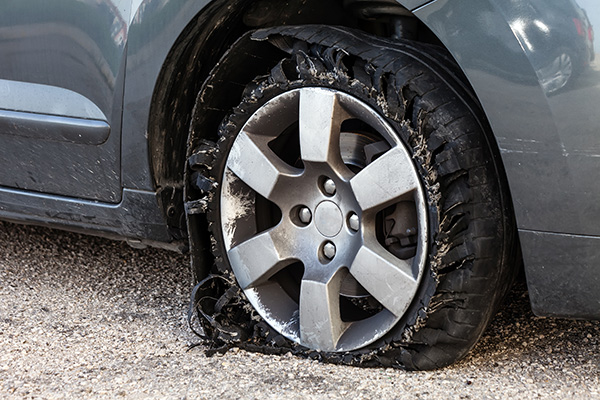
Driving on a flat tire can damage more than just the tire. Here are the main areas at risk:
- Wheel rim: Direct contact with road can bend or crack the rim.
- Suspension: Sudden jolts or uneven driving can harm the suspension system.
- Brakes: With a damaged rim, brakes may not work correctly.
- Tire sensors: Many cars have sensors that can break if the wheel is damaged.
Repair costs vary. A new rim can cost $100–$500, while tire replacement is usually $60–$200. If you damage both, costs add up quickly.
Credit: www.jandfmotors.net
When Is It Absolutely Necessary To Drive On A Flat Tire?
Some situations force you to drive a short distance on a flat tire:
- Immediate danger: If you’re in a lane with fast traffic and can’t safely stop.
- Unsafe area: If you must move the car to avoid harm (for example, at night in a risky neighborhood).
- Blocking emergency vehicles: If your car is causing a hazard.
If you must drive, keep these tips in mind:
- Go very slowly (under 5 mph).
- Move only as far as needed (ideally less than 20 feet).
- Avoid sharp turns or sudden stops.
- Stop as soon as you’re in a safe location.
How Run-flat Tires Work
Some modern cars use run-flat tires. These have reinforced sidewalls that allow you to drive up to 50 miles at speeds up to 50 mph after a puncture. However, not all cars are equipped with them.
| Standard Tire | Run-Flat Tire |
|---|---|
| Cannot drive when flat | Can drive short distance |
| Sidewall collapses | Sidewall stays firm |
| Requires immediate change | Allows time to reach repair shop |
If you’re unsure whether your car has run-flat tires, check your owner’s manual or look for a label on the tire. Remember: Run-flat tires are more expensive and often harder to repair.
The Legal Side: Can You Get A Ticket For Driving On A Flat Tire?
In most US states, driving with a flat tire is not specifically illegal, but it can lead to dangerous driving charges. Police can stop you if your car is unsafe or creates a hazard. If your tire causes an accident or damage, you may be held responsible.
Some insurance policies may refuse to cover damage if you knowingly drove on a flat tire. It’s always better to be safe and avoid unnecessary risks.
Real-life Examples: What Happens When You Drive On A Flat Tire
Many drivers think they can “make it” to the next block or gas station. Real-world cases show why this is risky:
- A driver tried to reach a tire shop 2 blocks away. The tire shredded, and the rim needed replacement—total bill was $450.
- A car moved 50 feet off a highway shoulder to a safe spot. The tire could not be repaired, but the rim survived. Cost: $150.
- One driver attempted to drive a mile on a flat. The tire exploded, rim was destroyed, and suspension was damaged. Repair cost: Over $1,200.
These examples highlight that even short distances can be costly.

Credit: harristirecompany.com
Tips To Prevent Flat Tire Problems
Flat tires can’t always be avoided, but you can reduce risk:
- Check tire pressure monthly.
- Inspect tires for cracks or bulges.
- Replace old tires before they wear out.
- Avoid potholes and debris on roads.
- Carry a spare and know how to change it.
Learning basic tire care saves money and keeps you safer.
Frequently Asked Questions
Can I Drive To The Nearest Repair Shop With A Flat Tire?
No, it’s not safe. Driving even a short distance can ruin the tire and damage the rim. If you’re close (less than 20 feet), and it’s an emergency, go slowly. Otherwise, call for help.
What Happens If I Drive On A Flat Tire For A Few Minutes?
The tire will usually be destroyed, and the rim may suffer permanent damage. You could also lose control, increasing the risk of an accident. Repairs can cost hundreds of dollars.
Are Run-flat Tires Worth The Extra Cost?
Run-flat tires offer extra safety, letting you drive short distances after a puncture. They’re more expensive and may ride harder, but if you value convenience, they can be a smart choice. Learn more at Wikipedia.
Can A Flat Tire Cause Other Car Problems?
Yes. Driving on a flat can damage the rim, suspension, and even brake components. Tire sensors may also break, leading to extra repair costs.
What Should I Do If I Get A Flat Tire At Night Or In A Dangerous Location?
If stopping is unsafe, drive slowly to the nearest safe spot—ideally less than 20 feet. Turn on hazard lights and call for help as soon as possible.
Final Thoughts
A flat tire is frustrating, but trying to drive—even a short distance—almost always leads to bigger problems. It’s not just about the tire; rims, brakes, and your safety are at risk. When faced with a flat, stop as soon as you can.
Change the tire or call for professional help. Remember, a few extra minutes today can save you hundreds of dollars and keep you safe on the road. Being prepared, knowing your options, and making smart choices are the best ways to handle a flat tire without making things worse.