Changing a golf cart tire may sound simple, but it’s a task that often catches people off guard. Unlike regular car tires, golf cart tires have their own quirks. Getting it right means not just swapping out the rubber, but also making sure your cart stays balanced, safe, and ready for the next round. Whether you’re a weekend golfer, a maintenance worker, or just want to save money on repairs, learning how to change a golf cart tire is a handy skill. Let’s break down each step, so you can tackle this job with confidence—even if you’ve never held a lug wrench before.
What You Need Before You Start
Preparation is half the battle. Having the right tools and a safe work area makes the job smoother.
Essential tools:
- Lug wrench (usually 3/4-inch or 13/16-inch for golf carts)
- Floor jack or scissor jack (rated for at least 1000 lbs)
- Wheel chocks or bricks
- Replacement tire (correct size for your cart)
- Tire pressure gauge
- Gloves
- Safety goggles (optional, but smart)
Safety tip: Always park the golf cart on a flat, solid surface. Engage the parking brake and turn off the ignition before starting.
How To Remove A Golf Cart Tire
Follow these steps to take the old tire off safely and efficiently.
- Secure the Cart: Place wheel chocks behind the tires that will stay on the ground. This prevents rolling.
- Loosen the Lug Nuts: Use the lug wrench to break the nuts loose—don’t remove them yet. Turn them counterclockwise. This is much easier when the wheel is still on the ground.
- Lift the Cart: Position the jack under the cart’s frame near the tire you’re changing. Never jack on plastic body panels or suspension arms. Raise the cart until the tire is off the ground, but don’t go higher than needed.
- Remove the Lug Nuts and Wheel: Now fully unscrew and remove the lug nuts. Pull the wheel straight off. If it’s stuck, a gentle wiggle usually frees it.
Non-obvious tip: Golf cart wheels sometimes develop “corrosion lock”—light rust between the wheel and the hub. If a wheel won’t budge, tap the back gently with a rubber mallet. Avoid hitting the brake drum or any delicate parts.

Credit: www.youtube.com
Choosing The Right Replacement Tire
Not all golf cart tires are the same. Choosing the wrong size or tread can cause handling problems or even damage the cart.
Key Factors To Consider
- Size: Common golf cart tire sizes are 18×8.50-8 or 205/50-10. Check your owner’s manual or look at the old tire’s sidewall for numbers.
- Tread pattern: Turf tires are gentle on grass, while street tires are better for pavement. Off-road tread is chunky for dirt and gravel.
- Load rating: Never use a tire with a lower load rating than recommended. Overloading can lead to blowouts.
Here’s a simple comparison of typical golf cart tire options:
| Tire Type | Best For | Common Size | Average Tread Life |
|---|---|---|---|
| Turf | Golf courses, lawns | 18×8.50-8 | 2-4 years |
| Street | Pavement, neighborhoods | 205/50-10 | 3-5 years |
| All-Terrain | Dirt, gravel, farms | 20×10-10 | 2-3 years |
Common mistake: Beginners sometimes buy the wrong rim size. Tire size and rim size must match exactly.
Mounting The New Tire
Once you have the correct tire, it’s time to install it.
- Align the Wheel: Place the new tire on the hub, aligning the holes with the lug bolts.
- Hand-Tighten the Lug Nuts: Start all lug nuts by hand. This prevents cross-threading, which can ruin the bolts.
- Lower the Cart: Slowly lower the jack until the tire touches the ground, but don’t put full weight on it yet.
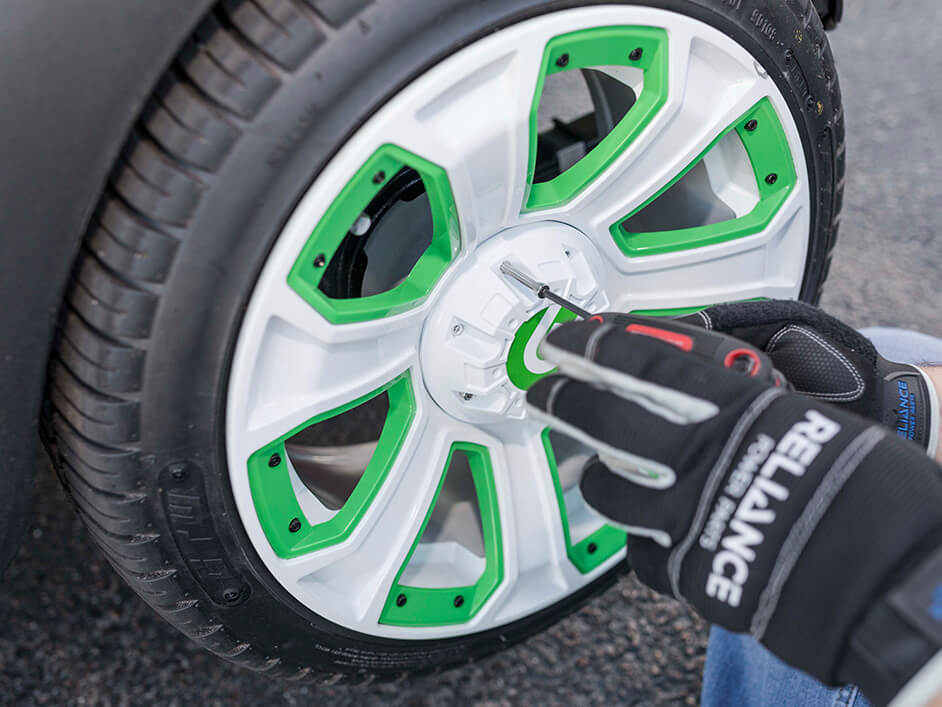
- Tighten the Lug Nuts: Use the wrench to snug the nuts in a crisscross (star) pattern. This keeps the wheel seated evenly. Don’t overtighten—just enough to secure the wheel.
- Fully Lower the Cart: Remove the jack. Now, give each lug nut a final, firm tightening.
Expert insight: Using a torque wrench is ideal. Most golf cart wheels require lug nuts tightened to 50-60 ft-lbs. Over-tightening can damage the studs; too loose and the wheel could wobble.
Credit: blog.buggiesunlimited.com
Inflating And Checking The New Tire
Proper air pressure is vital for a smooth ride and long tire life.
Steps To Follow
- Check the recommended PSI on the tire’s sidewall or in your owner’s manual (usually 18-22 PSI for golf carts).
- Use a reliable tire pressure gauge.
- Inflate the tire slowly. Do not exceed the maximum PSI.
- Double-check all lug nuts after inflation.
Here’s a quick comparison of air pressure effects:
| PSI Level | Ride Quality | Tire Wear | Handling |
|---|---|---|---|
| Too Low | Soft, bouncy | Increased edge wear | Poor, feels “mushy” |
| Correct | Smooth, stable | Even | Safe, predictable |
| Too High | Hard, rough | Center wear, less grip | Can skid on wet grass |
Hidden danger: Tires with very low pressure can roll off the rim during sharp turns. Always check pressure after installing a new tire.
Replacing A Tire Vs. A Tire And Wheel Assembly
Sometimes, you only need a new tire. Other times, it’s easier to replace the entire wheel and tire assembly.
When to change just the tire:
- Rim is in good shape (no cracks, bends, or heavy rust)
- You have tools to remove and mount the tire (tire irons, bead breaker, air compressor)
When to replace both:
- The rim is damaged
- Tire is glued or rusted to the rim
- You want a quick, simple swap
Pro tip: If you’re not comfortable with tire mounting, buy the tire already mounted on a wheel. Most online sellers offer this service for a small fee.
Common Mistakes To Avoid
- Not using wheel chocks: The cart can roll off the jack if not secured.
- Over-tightening lug nuts: Stripping the threads is expensive to fix.
- Mixing different tire types: All tires should match in size and tread for best stability.
- Ignoring PSI recommendations: Both under- and over-inflation lead to poor handling and fast wear.
- Skipping a post-change check: Always double-check your work before driving.
Real-world Example: Changing A Tire On A Yamaha Drive Golf Cart
Imagine you have a flat on your Yamaha Drive cart while out on the course. Here’s how it might play out:
- You secure the cart, grab your jack and wrench, and break the lug nuts loose before lifting.
- After removing the old tire (which is stuck), you use a rubber mallet to free it.
- You mount the new tire, remembering to hand-tighten the lugs first.
- After lowering the cart, you tighten the nuts in a star pattern and check the air pressure with your gauge.
- You’re back on the course in under 20 minutes.
Unexpected tip: Some Yamaha models use metric lug nuts. Double-check your wrench size before heading out.
Signs Your Golf Cart Tire Needs Changing
Don’t wait until you have a blowout. Replace tires if you notice:
- Cracks or dry rot: Sidewall cracks mean the rubber is aging.
- Bald tread: Less than 2/32” tread depth is unsafe.
- Bulges or bubbles: Indicates internal damage—replace immediately.
- Frequent flats: May mean a puncture or a failing tire bead.
Maintaining Your New Golf Cart Tire
A little care makes a big difference in tire life.
- Check pressure monthly.
- Keep tires clean—rinse away mud and chemicals.
- Store your cart indoors if possible. Sun and ozone age rubber quickly.
- Rotate front and rear tires every 6-12 months for even wear.
Long-term tip: Most golf cart tires last 2-5 years, depending on use and storage. Note the installation date so you can track replacement cycles.

Credit: www.youtube.com
Environmental Impact Of Old Tires
Disposing of old golf cart tires matters. Don’t just throw them in the trash. Many recycling centers accept small tires. Old tires can be shredded and used in playgrounds, athletic tracks, or even as fuel.
Did you know? According to the U.S. Tire Manufacturers Association, about 76% of scrap tires were recycled in 2021. Proper disposal keeps chemicals and rubber out of landfills.
For more recycling tips, check the EPA’s official guide: EPA Sustainable Materials Management.
Frequently Asked Questions
How Often Should I Replace Golf Cart Tires?
Most tires last 2 to 5 years depending on mileage, storage, and driving surfaces. Check for cracks, bald spots, or bulges every few months.
Can I Use Car Tires On My Golf Cart?
No, car tires are too heavy and won’t fit golf cart rims. Only use tires designed for golf carts.
What If A Lug Nut Is Stuck?
Try spraying a little penetrating oil on the nut, wait 5-10 minutes, then try again. Use a breaker bar if needed, but don’t force it or you might snap the stud.
Should I Balance Golf Cart Tires?
While not essential for low speeds, balancing improves ride quality and reduces vibration, especially for lifted or street-driven carts.
Is It Safe To Change A Golf Cart Tire Myself?
Yes, if you use the right tools, follow safety steps, and don’t rush. If you’re unsure, ask a pro or watch a step-by-step video before starting.
Changing a golf cart tire isn’t hard once you know the process. With the right tools and some patience, you’ll save money, stay safe, and keep your cart rolling smoothly for years to come.