Getting new tires for your car feels great. You drive away with better grip, safer handling, and a fresh look. But many drivers wonder: Do you need to reset TPMS after new tires? The answer depends on your vehicle, your tire shop, and how the work is done. If you ignore your Tire Pressure Monitoring System (TPMS), you risk wrong readings, warning lights, and even unsafe driving. This article clears up the confusion with simple explanations, real examples, and practical advice. Let’s make sure your TPMS works as it should—so you stay safe and worry-free.
What Is Tpms And Why Does It Matter?
TPMS stands for Tire Pressure Monitoring System. It’s a safety feature in most cars made after 2007. TPMS sensors check your tire pressure and alert you if any tire is too low. Driving with low tire pressure can cause:
- Poor handling
- Higher fuel use
- Tire damage
- Risk of a blowout
There are two main types of TPMS:
- Direct TPMS: Each tire has a sensor inside that sends data to your car’s computer.
- Indirect TPMS: Uses the car’s ABS system to detect pressure changes based on wheel speed.
Direct systems are more accurate but more complex. Indirect systems are cheaper and simpler, but can be less reliable.
| TPMS Type | How It Works | Accuracy | Common Cars |
|---|---|---|---|
| Direct | Sensor in tire sends data | High | Toyota, Honda, Ford |
| Indirect | Uses ABS wheel speed | Moderate | Volkswagen, BMW |
TPMS matters because it keeps your tires safe. In the US, the National Highway Traffic Safety Administration (NHTSA) says TPMS reduces blowout accidents by 55%. It’s not just a warning light—it’s an important safety tool.
What Happens When You Get New Tires?
Changing tires is more than just swapping rubber. Tire shops must handle the TPMS sensors carefully. Here’s what usually happens:
- The old tires are removed.
- TPMS sensors (if direct) are taken out or left in the wheel.
- New tires are mounted.
- Sensors are reinstalled or checked.
If the shop isn’t careful, sensors can get damaged. Broken sensors mean wrong readings or a warning light that won’t turn off.
Common Tpms Issues After New Tires
You may notice:
- TPMS light stays on
- Wrong pressure readings
- No reading from one or more tires
These problems can happen if:
- Sensors are damaged during tire installation
- Sensors are not re-calibrated
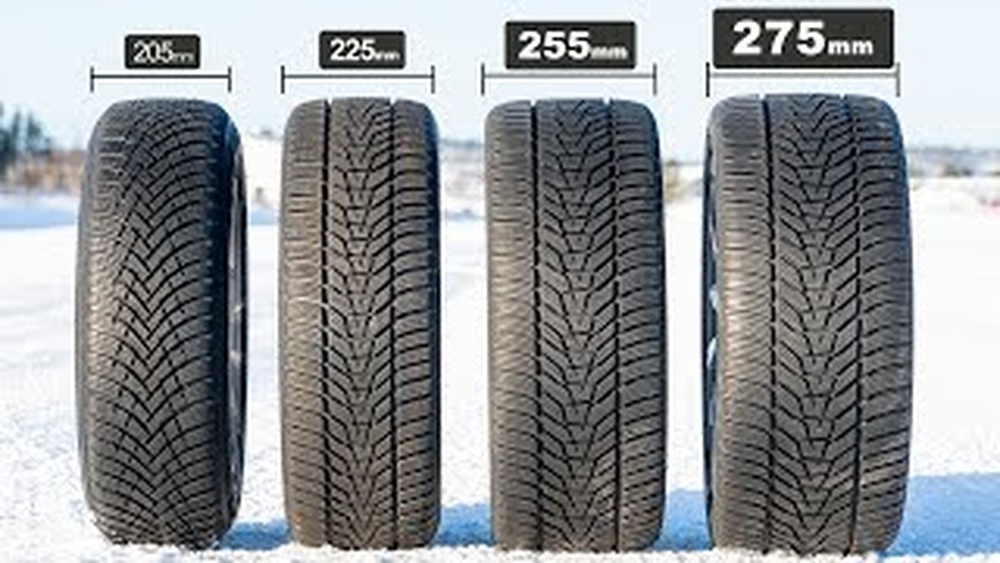
- New tires have different sizes or types
Credit: www.fleetio.com
Do You Need To Reset Tpms After New Tires?
The Short Answer: Most Of The Time, Yes.
When you get new tires, your TPMS system may need a reset. This helps your car “learn” the new tire setup and make sure readings are correct. If you don’t reset, you could get wrong warnings or miss real problems.
But not all cars are the same. Some cars reset themselves. Others need a manual reset or a special tool. Here’s how it breaks down:
| Car Type | Reset Needed? | How to Reset |
|---|---|---|
| Older cars (before 2007) | Usually No | No TPMS, or manual check |
| Direct TPMS (most modern cars) | Yes | Manual reset or scan tool |
| Indirect TPMS | Yes | Button press or drive cycle |
How To Know If Your Tpms Needs Resetting
Check your owner’s manual. Look for instructions on TPMS and tire changes. If you see a TPMS warning after new tires, you probably need a reset.
- If you have direct TPMS and your tire shop replaced sensors, a reset is almost always needed.
- If you have indirect TPMS, your car may need a “relearn” cycle—usually by driving at a certain speed for a set distance.
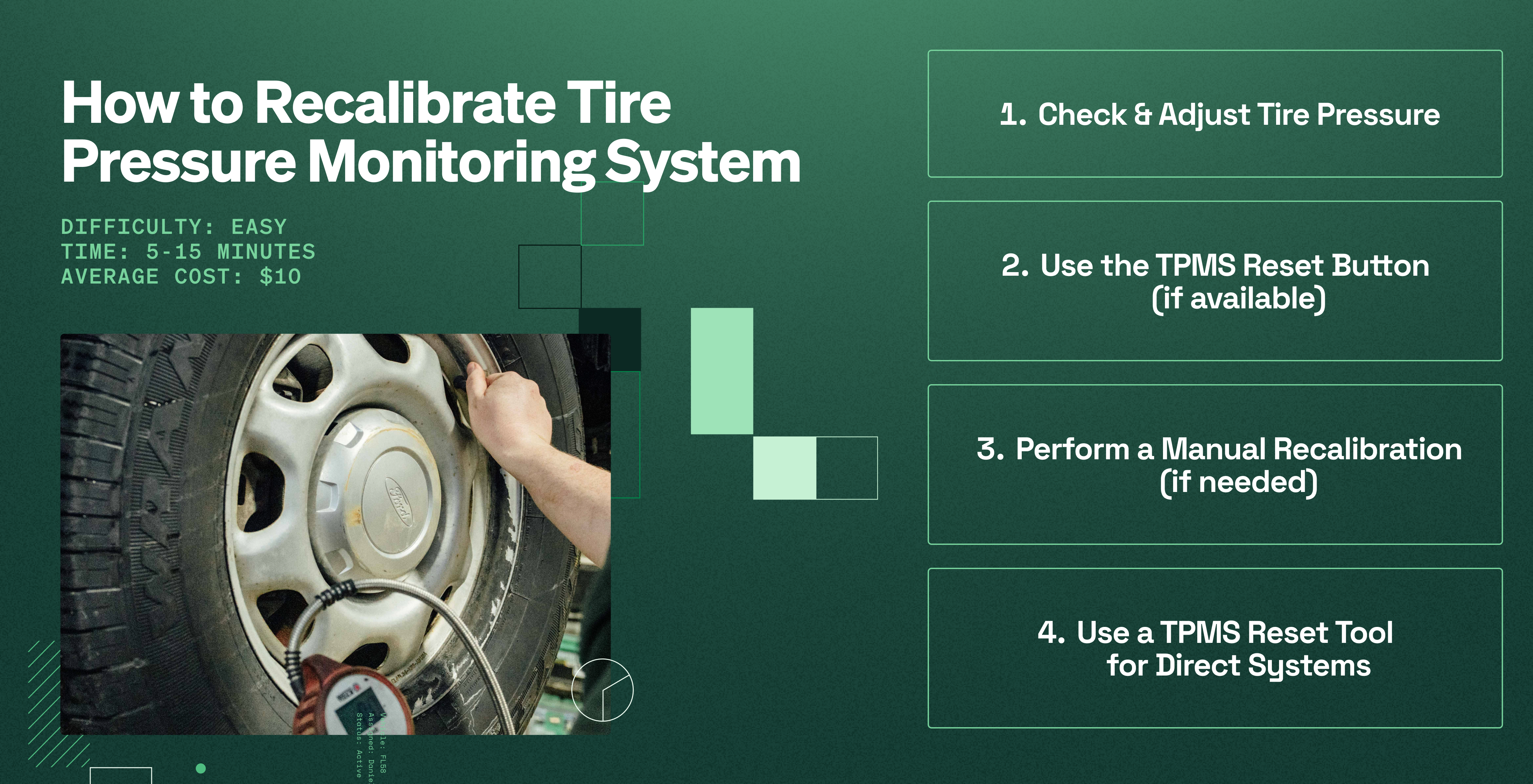
Step-by-step: Resetting Tpms After New Tires
Resetting TPMS can be easy or tricky, depending on your car. Here are the common methods:
1. Manual Reset
Some cars have a TPMS reset button. It’s usually under the dashboard or inside the glove box.
Steps:
- Turn the ignition to “ON” (engine off).
- Press and hold the TPMS reset button until the light blinks three times.
- Start the engine and drive for 20-30 minutes.
2. Using A Tpms Scan Tool
A scan tool is a small device that “talks” to the sensors.
Steps:
- Connect the scan tool to your car’s OBD-II port.
- Follow the tool’s instructions to reset or relearn sensors.
- Some shops use professional tools—ask if they did a reset.
3. Drive Cycle Reset
For some indirect systems, just driving resets the TPMS.
Steps:
- Make sure tires are inflated to the correct pressure.
- Drive at 50 mph or faster for at least 10 miles.
4. Using The Car’s Menu
Newer cars let you reset TPMS from the dashboard menu.
Steps:
- Use the touch screen or buttons to find “TPMS” or “Tire Pressure.”
- Select “Reset” or “Relearn.”
- Follow the prompts.
Common Mistakes To Avoid
- Ignoring the warning light
- Not checking tire pressure after a reset
- Using the wrong tire size
- Forgetting to reset after changing sensors
Many beginners miss one key fact: resetting TPMS doesn’t fix a broken sensor. If your sensor was damaged during tire installation, you’ll need a new one.

Credit: jacosuperiorproducts.com
How Tire Size And Type Affect Tpms
Not all tires are the same. If you switch to a different size or type, your TPMS may need extra attention.
- Different tire sizes can confuse indirect TPMS systems. The system expects certain wheel speeds; new sizes change that.
- Run-flat tires or performance tires may work differently with sensors.
If you change tire size, always ask your shop to do a full TPMS reset. Otherwise, your system may not work correctly.
Data: Tpms Reset And Safety
A study by the NHTSA found that about 20% of cars with new tires had TPMS problems because the system was not reset. Drivers often ignore the warning light, which leads to unsafe driving.
Another survey showed that 60% of drivers did not know they needed a TPMS reset after tire change. Tire shops sometimes skip the reset, especially if they’re rushed or the customer doesn’t ask.
Costs And Benefits Of Tpms Reset
Resetting TPMS is not expensive. Most shops include it in the tire change price. If you need a new sensor, it can cost $50-$100 per tire.
Benefits of a correct reset:
- Accurate pressure readings
- No warning lights
- Safer driving
- Longer tire life
If you skip the reset, you risk:
- Incorrect warnings
- Missed low-pressure alerts
- Reduced safety
Diy Or Professional Help?
Some drivers try to reset TPMS themselves. If your car has a reset button or menu, it’s simple. But professional shops have special tools and know-how. If you’re not sure, ask your tire shop to handle it.
Remember: TPMS is a safety system. If you’re unsure, it’s worth paying for expert help.

Credit: stivershyundai.com
Real-world Example
Imagine a Honda Civic owner gets new tires. After leaving the shop, the TPMS light stays on. She tries the reset button, but nothing happens. She returns to the shop—they use a scan tool to reset the system. The light goes off, and her tire pressure readings are correct.
Another example: A BMW driver swaps to bigger wheels. After the change, his indirect TPMS shows low pressure even though the tires are fine. The shop does a relearn cycle, and the readings return to normal.
These examples show why a reset matters. It’s not just about turning off a light—it’s about keeping your car safe.
Comparing Tpms Reset Methods
Here’s a quick comparison of the main ways to reset TPMS:
| Method | Ease | Accuracy | Best For |
|---|---|---|---|
| Button reset | Easy | Good | Older models |
| Scan tool | Medium | High | Direct TPMS |
| Drive cycle | Easy | Moderate | Indirect TPMS |
| Dashboard menu | Easy | Good | Newer models |
Two Non-obvious Insights
- TPMS batteries can wear out over time—usually after 5-10 years. If your sensors fail after a tire change, it might be the battery, not the installation.
- Seasonal tire changes (like winter to summer tires) often require a TPMS reset—even if you use the same wheels. Many drivers miss this step.
Tips For Smooth Tpms Reset
- Always check your tire pressure before and after a reset.
- Ask the shop if they did a TPMS reset—don’t assume.
- If you get new sensors, make sure they’re programmed for your car.
- Keep your owner’s manual handy for TPMS instructions.
- If the warning light stays on, don’t ignore it. Get help.
Frequently Asked Questions
Why Does My Tpms Light Stay On After New Tires?
The TPMS light may stay on because the system needs a reset, a sensor was damaged, or tire pressure is wrong. If the light stays on after new tires, check pressure, then ask the shop to reset the system.
Can I Drive With The Tpms Light On?
You can drive, but it’s risky. The TPMS light means your tire pressure may be unsafe. Driving with low pressure can damage tires or cause a blowout. Always fix the problem before driving far.
How Much Does A Tpms Reset Cost?
Most shops include TPMS reset in the tire change price. If you do it yourself, it’s free. If you need a new sensor, it can cost $50-$100 per tire.
Do All Cars Need Tpms Reset After New Tires?
Most modern cars need a TPMS reset after new tires. Older cars without TPMS do not. Check your owner’s manual or ask your tire shop.
Where Can I Find More Information About Tpms?
You can learn more about TPMS and tire safety from the NHTSA at NHTSA Tire Pressure Monitoring Systems.
Getting new tires is a smart move for safety and performance. But don’t forget your TPMS. A simple reset keeps your readings right, your warning light off, and your drive safe. If you’re not sure how to reset, ask your shop or check your manual.
A few minutes of care can save you from big problems later.