If you’ve ever looked closely at a tire, you might have noticed codes and markings that seem confusing. One of these is 10Pr. For many drivers, this label is unclear and often ignored. But understanding what 10Pr means can help you choose the right tire, stay safe, and even save money over time. Let’s break down the meaning behind 10Pr, how it affects tire performance, and why it matters for your vehicle.
What Does 10pr Mean On A Tire?
The marking 10Pr stands for 10 Ply Rating. In the past, tires were made with layers, or “plies,” of cotton or other materials. More plies meant the tire could carry heavier loads. Today, most tires are not made with 10 actual plies, but the term ply rating is still used to show strength and load capacity.
Ply rating is a measure of how tough a tire is. It tells you how much weight the tire can safely carry and how resistant it is to damage. 10Pr means the tire has a strength similar to a tire with 10 layers, even if the actual number of layers is less. This is possible thanks to modern materials like steel and nylon.
How Ply Rating Changed Over Time
Years ago, tires were built with several plies of cotton fabric. If a tire had a 10-ply rating, it really had ten layers inside. Today’s tires use stronger materials, so fewer layers are needed. A tire with a 10Pr might only have two or three real plies, but special rubber and steel make it just as tough.
This change makes tires lighter, longer-lasting, and more fuel-efficient. But the old rating system stayed because it’s easy to compare strength and load capacity across brands and models.
Why Is Ply Rating Important?
Understanding ply rating helps you choose the right tire for your needs. Here’s why it matters:
- Load Capacity: The higher the ply rating, the more weight a tire can safely carry. A 10Pr tire is strong enough for heavy vehicles like trucks, vans, and some SUVs.
- Durability: Higher ply ratings mean the tire is tougher and less likely to get punctured or damaged.
- Safety: Using a tire with too low a ply rating can cause blowouts or dangerous handling, especially with heavy loads.
If you drive a pickup truck, haul trailers, or use your vehicle for work, the 10Pr rating is important. It ensures the tires can handle the job.
How 10pr Affects Load Range
Load range is another term you’ll see on tires. It’s closely linked to ply rating. For example, a 10Pr tire usually has a Load Range E, which is common for light trucks and commercial vehicles.
Here’s a comparison of ply ratings and load ranges:
| Ply Rating | Load Range | Maximum Load (lbs) | Typical Use |
|---|---|---|---|
| 4Pr | B | 1,430 | Passenger cars |
| 6Pr | C | 1,760 | Small trucks |
| 8Pr | D | 2,205 | Medium trucks |
| 10Pr | E | 2,800 | Heavy trucks, vans |
As you can see, a 10Pr tire can carry much more weight than lower ply ratings. That makes them ideal for commercial use or vehicles that haul heavy loads.
Where To Find 10pr On A Tire
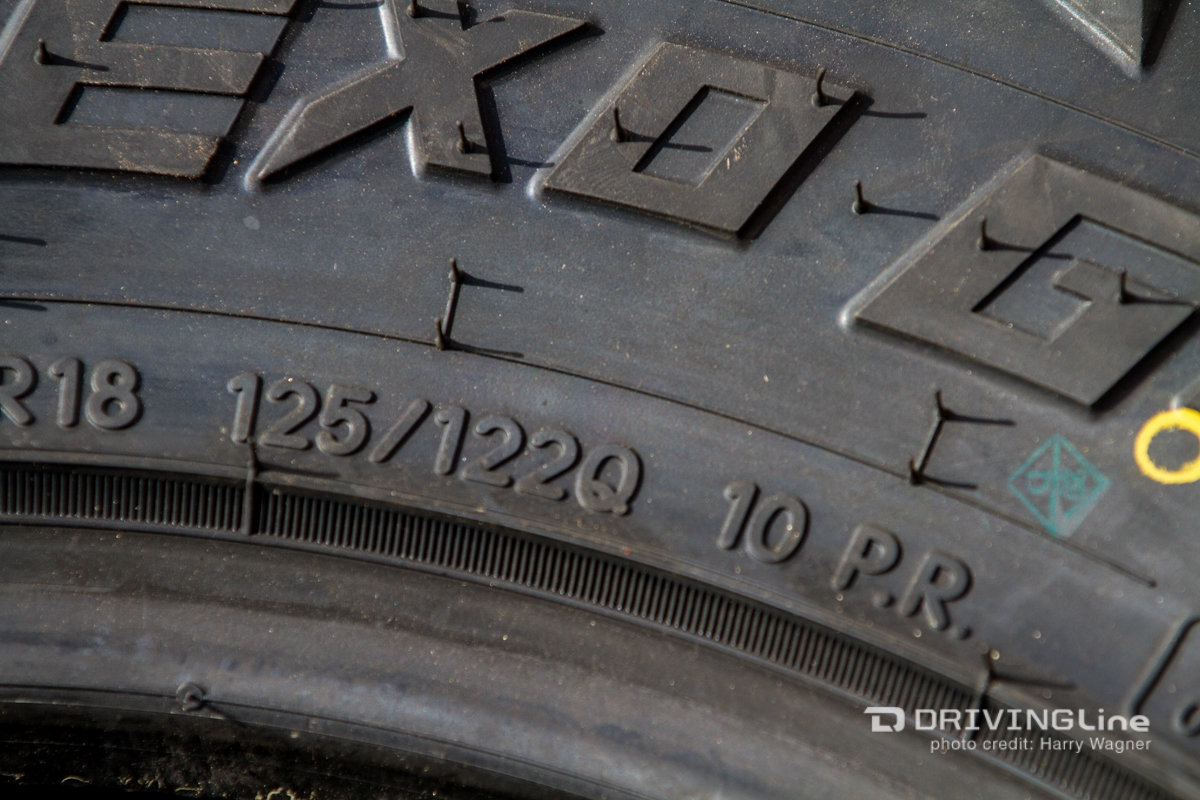
The 10Pr marking is usually found on the tire’s sidewall. It may be written as “10 PR” or sometimes just “10 Ply.” Look for other markings like Load Range E or Max Load to get a full picture of the tire’s ability.
You’ll also see numbers and letters like LT245/75R16. The “LT” means “Light Truck,” and these tires often have high ply ratings. Always check the sidewall before buying or installing a new tire.
Real-life Example: Truck Tires
Let’s look at a practical example. Imagine you own a Ford F-250 pickup truck. This vehicle can carry heavy loads and is often used for towing. The recommended tire might be LT245/75R16 with a 10Pr rating.
If you use a tire with a lower ply rating, like 6Pr, you risk overloading the tire. This can cause:
- Uneven wear
- Poor handling
- Higher risk of blowouts
A 10Pr tire, on the other hand, will handle the weight and stress, giving you safer performance and longer tire life.
How To Choose The Right Ply Rating
When selecting tires, consider these factors:
- Vehicle Type: Trucks, vans, and SUVs often need higher ply ratings.
- Load Needs: If you carry heavy equipment, tools, or tow trailers, a 10Pr tire is usually best.
- Driving Conditions: Rough roads, construction sites, and off-road use require tougher tires.
Check your vehicle’s manual for recommended ply ratings. Never choose a tire with a lower rating than advised.
Comparing 10pr Tires To Lower Ply Ratings
Not sure if you need a 10Pr tire? Here’s a quick comparison:
| Feature | 10Pr Tire | 6Pr Tire |
|---|---|---|
| Load Capacity | High (2,800 lbs) | Medium (1,760 lbs) |
| Durability | Very tough | Moderate |
| Best Use | Heavy trucks | Small trucks |
| Cost | Higher | Lower |
| Fuel Efficiency | Lower (more rolling resistance) | Higher |
A 10Pr tire is stronger and lasts longer, but it can be more expensive and may lower fuel efficiency slightly due to increased weight and rolling resistance.
Credit: www.drivingline.com
Common Myths About 10pr Tires
Many drivers misunderstand ply rating. Here are some myths:
- Myth: More plies always mean better performance.
- Truth: High ply ratings are only needed if you carry heavy loads. For regular driving, lower ply tires may be more comfortable.
- Myth: 10Pr tires have 10 actual plies.
- Truth: Modern tires use fewer layers, but stronger materials.
- Myth: Any tire can fit any vehicle.
- Truth: Always match the tire’s ply rating to your vehicle’s needs.
Non-obvious Insights About 10pr Tires
Many beginners miss these important points:
- Tire Pressure Matters: A 10Pr tire often needs higher air pressure (up to 80 psi). If you don’t inflate to the correct level, the tire can’t carry its full rated load. Always check recommended pressure.
- Ride Comfort: Higher ply ratings make tires stiffer. This can lead to a rougher ride, especially in empty vehicles. If you don’t need the extra strength, a lower ply rating may be more comfortable.
How 10pr Impacts Tire Lifespan
A tire with a 10Pr rating can last longer if used correctly. Because it’s built for heavy loads, it resists damage from sharp objects and rough roads. However, if used on a light vehicle and overinflated, it may wear out faster in the center of the tread.
Balance is important. Use 10Pr tires only if your vehicle requires them, and always follow proper inflation guidelines.
Cost Of 10pr Tires
10Pr tires cost more than lower ply ratings, often 20–40% higher. This is due to the stronger construction and tougher materials. If you need this rating, the extra cost is worth it for safety and durability.
On average, a 10Pr light truck tire costs between $150–$250, while a 6Pr tire may cost $100–$180. For commercial vehicles, the price can go even higher.
How 10pr Affects Fuel Economy
Heavier tires with higher ply ratings can reduce fuel efficiency. The difference is usually small, but for drivers who travel long distances, it adds up. If you don’t need a 10Pr tire, choosing a lower ply rating can save money on gas.
Some tire makers now use advanced materials to reduce weight, so modern 10Pr tires are less heavy than older ones. Still, this is something to consider if fuel economy is a major concern.
Safety Tips For Using 10pr Tires
To get the most from your 10Pr tires, follow these tips:
- Check Pressure Regularly: High ply tires need higher pressure. Check at least once a month.
- Don’t Overload: Even tough tires can fail if overloaded. Stay within the tire’s max load.
- Rotate Tires: Heavy vehicles put more stress on tires. Rotate every 6,000–8,000 miles.
- Inspect for Damage: Look for cuts, bulges, or punctures, especially if driving on rough roads.

Credit: www.drivingline.com
When Should You Upgrade To 10pr Tires?
Consider upgrading if:
- You carry heavy loads often (construction, farming, hauling)
- Your current tires show signs of stress or damage
- You tow trailers or drive on rough terrain
If you’re not sure, ask a tire expert or check your vehicle’s manual. Some vehicles can switch between 6Pr and 10Pr, but others require a specific rating.
Environmental Impact
Strong tires like 10Pr last longer and can reduce waste. However, they use more materials and energy to produce. Some brands now offer eco-friendly options with recycled materials and improved efficiency. If this matters to you, ask about greener choices when shopping.

Credit: rnrtires.com
How To Read Tire Sidewall Markings
The sidewall tells you a lot about a tire. Here’s what to look for:
- Size: Example: LT245/75R16
- Ply Rating: Example: 10Pr
- Load Range: Example: E
- Max Load: Example: 2,800 lbs
- Pressure: Example: 80 psi
Reading these markings helps you choose the right tire and avoid mistakes. If you’re unsure, a tire shop can help explain the details.
Frequently Asked Questions
What Is The Difference Between Ply Rating And Load Range?
Ply rating measures tire strength, while load range is a letter code showing how much weight the tire can carry. For example, 10Pr usually means Load Range E.
Can I Use A 10pr Tire On A Regular Car?
No. 10Pr tires are made for trucks, vans, and heavy vehicles. They are too stiff and heavy for passenger cars, and may cause poor ride quality.
How Do I Know If I Need A 10pr Tire?
Check your vehicle’s manual or the old tire’s sidewall. If you haul heavy loads, tow trailers, or drive a commercial vehicle, you likely need a high ply rating.
Are 10pr Tires More Puncture Resistant?
Yes. The stronger construction and tougher materials make 10Pr tires more resistant to punctures and damage, especially on rough roads.
Where Can I Find More Information About Tire Ply Ratings?
For in-depth technical details, visit Wikipedia.
Choosing the right tire is about safety, performance, and cost. Understanding the 10Pr marking means you’re better prepared to make smart decisions for your vehicle, whether you drive for work or adventure. Now you know what 10Pr means and why it matters — use this knowledge next time you’re shopping for tires or checking your current ones.