Choosing the right tires for your 17×8.5 rims isn’t just about looks—it’s about safety, performance, and getting the most from your vehicle. If you’re new to wheel and tire sizing, you might feel confused by all the numbers and terms. Don’t worry. This guide will help you understand exactly which tires fit 17×8.5 rims, how to choose the best option, and what mistakes to avoid. Whether you want better grip, a smoother ride, or a fresh style, you’ll get clear answers here.
Understanding Tire And Rim Sizing
Before looking at specific tires, let’s break down the basics. The 17×8.5 rim size means your wheel has a diameter of 17 inches and a width of 8.5 inches. Tire sizes are written like 225/45R17. The first number is the width in millimeters, the second is the aspect ratio (sidewall height), and the last is the rim diameter in inches.
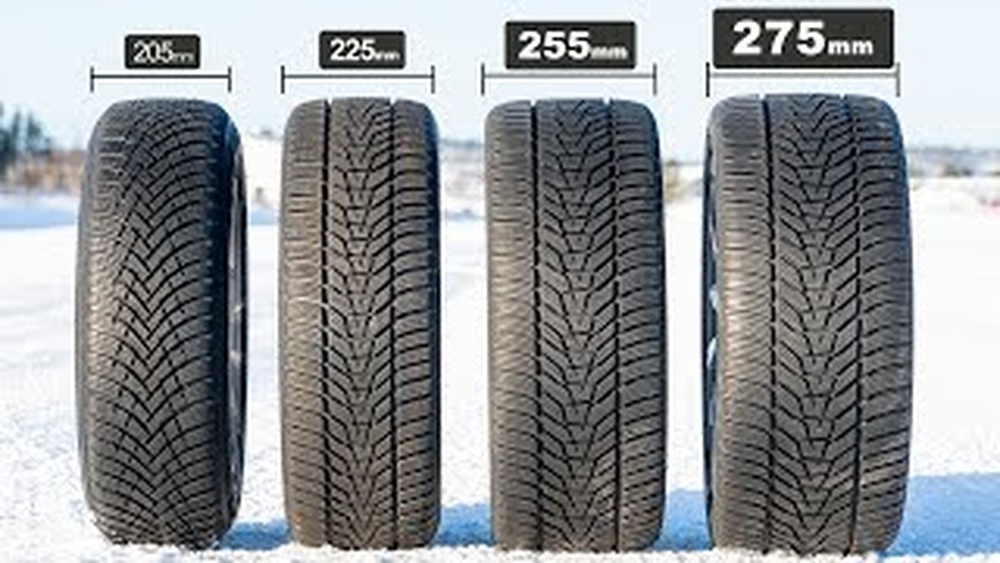
The most important number for fitment is the width. If the tire is too wide or too narrow for your rim, it can cause problems. For 8.5-inch wide rims, most experts suggest a tire width between 225 mm and 255 mm. Some go slightly outside this range, but for safety and performance, staying within is best.
Key Factors When Choosing Tires For 17×8.5 Rims
- Tire Width: Should match rim width for optimal contact, looks, and safety.
- Aspect Ratio: Affects ride comfort and handling.
- Tread Pattern: Impacts grip, noise, and performance.
- Load Rating & Speed Rating: Must meet or exceed your vehicle’s requirements.
- Intended Use: Daily driving, performance, or off-road?
8 Popular Tire Sizes For 17×8.5 Rims
Let’s look at eight common tire sizes that fit 17×8. 5 rims. Each has its own pros and cons. We’ll cover details, real-world examples, and what makes each size special.
1. 225/45r17
This is a balanced, all-purpose size. It fits well on 8.5-inch rims, providing a good mix of comfort and sporty feel. Many sedans and sporty coupes use this size as original equipment.
- Width: 225 mm (about 8.9 inches)
- Sidewall Height: 45% of width (101.25 mm)
- Fit: Slight stretch, clean look
- Ideal for: Daily driving, light performance
- Example: Used on the BMW 3 Series and Honda Accord Sport
- Pros: Good for city and highway, affordable, easy to find
2. 235/45r17
A step up in width, this size offers more grip without being too wide. It’s common on sportier sedans and some small SUVs.
- Width: 235 mm (about 9.25 inches)
- Sidewall Height: 45% (105.75 mm)
- Fit: Slightly more flush than 225, looks fuller
- Ideal for: Sporty driving, spirited commutes
- Example: Seen on the Audi A4 and Toyota Camry XSE
- Pros: Improved cornering, still comfortable
3. 245/40r17
This size is popular for cars that need extra grip and style. The lower sidewall gives a sportier look and sharper handling.
- Width: 245 mm (about 9.65 inches)
- Sidewall Height: 40% (98 mm)
- Fit: Nearly perfect for 8.5″ rims, minimal stretch
- Ideal for: Performance sedans, coupes
- Example: Used on the Subaru WRX and Mazda RX-8
- Pros: Better handling, aggressive appearance
4. 255/40r17
This is the widest size most people use with 17×8. 5 rims. It’s for those who want maximum grip and a strong presence.
- Width: 255 mm (about 10 inches)
- Sidewall Height: 40% (102 mm)
- Fit: Fills out the rim, slightly bulged sidewall
- Ideal for: Track days, spirited driving
- Example: Popular on the Ford Mustang and Chevrolet Camaro
- Pros: Excellent grip, sporty look
5. 235/50r17
A taller sidewall means more comfort and protection. This size is great for daily driving, especially on rough roads.
- Width: 235 mm (9.25 inches)
- Sidewall Height: 50% (117.5 mm)
- Fit: More cushion, less sporty
- Ideal for: Family cars, long trips
- Example: Used on the Toyota Avalon and Ford Fusion
- Pros: Smooth ride, absorbs bumps
6. 245/45r17
A mix of width and taller sidewall, this tire offers both grip and comfort. It’s a good choice for larger sedans and relaxed sporty cars.
- Width: 245 mm (9.65 inches)
- Sidewall Height: 45% (110.25 mm)
- Fit: Slight bulge, sturdy look
- Ideal for: Luxury sedans, comfortable sport cars
- Example: Seen on the Chrysler 300 and Lexus GS
- Pros: Balanced handling, more comfort than 40 profile
7. 255/45r17
This size is rare but works for those who want extra width and a higher sidewall. It’s good for heavy vehicles or those needing more tire for bad roads.
- Width: 255 mm (10 inches)
- Sidewall Height: 45% (114.75 mm)
- Fit: Bulgy, protective sidewall
- Ideal for: Large sedans, wagons
- Example: Sometimes used on the Mercedes E-Class
- Pros: Extra grip and comfort
8. 225/50r17
This is a narrower tire with a tall sidewall. It’s not as sporty, but it’s great for fuel economy and soft ride.
- Width: 225 mm (8.9 inches)
- Sidewall Height: 50% (112.5 mm)
- Fit: Slight stretch, more cushion
- Ideal for: Commuter cars, economy sedans
- Example: Used on Honda CR-V and Mazda 6
- Pros: Good for winter tires, affordable
Comparison Of Tire Sizes For 17×8.5 Rims
To help visualize differences, here’s a comparison table of the eight sizes. It shows width, sidewall height, and typical use.
| Tire Size | Width (mm) | Sidewall Height (mm) | Common Use |
|---|---|---|---|
| 225/45R17 | 225 | 101.25 | All-purpose, daily driving |
| 235/45R17 | 235 | 105.75 | Sporty, sedan |
| 245/40R17 | 245 | 98 | Performance, coupe |
| 255/40R17 | 255 | 102 | Track, muscle cars |
| 235/50R17 | 235 | 117.5 | Comfort, family |
| 245/45R17 | 245 | 110.25 | Luxury, balanced |
| 255/45R17 | 255 | 114.75 | Large, protective |
| 225/50R17 | 225 | 112.5 | Economy, comfort |
How To Choose The Best Tire Size For Your Needs
Choosing between these sizes depends on your driving style and vehicle. Here’s how to decide:
- For Sporty Handling: Go for 245/40R17 or 255/40R17. These offer sharp response and grip.
- For Comfort: Choose 235/50R17 or 225/50R17. They absorb bumps well.
- For Balanced Use: Try 235/45R17 or 245/45R17. They mix grip and comfort.
- For Heavy Cars: Use 255/45R17. Extra width helps stability.
Remember, changing tire size affects your speedometer, fuel economy, and sometimes ABS sensors. Always keep overall diameter close to your original tire size to avoid issues.
Example: Real-world Fitment
Let’s say you have a 2015 BMW 328i with 17×8.5 rims. The stock tire is 225/45R17. You want more grip, so you switch to 245/40R17. This is safe—the width fits, and the sidewall is slightly lower. But if you go to 255/45R17, the tire might rub inside the wheel well, especially if the car is lowered.
Many drivers use online calculators to check if new sizes fit without problems. One trusted source for fitment and tire specs is Tire Rack.
Comparing Performance And Comfort
Here’s a quick look at how tire width and sidewall affect driving.
| Width | Handling | Comfort | Fuel Economy |
|---|---|---|---|
| 225 mm | Average | High | Best |
| 245 mm | Good | Medium | Medium |
| 255 mm | Best | Lower | Lowest |
Non-obvious insight: Many beginners believe wider tires always handle better. But if the tire is too wide for your rim, it can actually make handling worse and cause premature tire wear.
Tips For Buying Tires For 17×8.5 Rims
- Check manufacturer recommendations in your owner’s manual or online.
- Use a tire size calculator to keep diameter within 3% of your original size.
- Avoid mixing different tire sizes on the same axle.
- If you change sizes, get your speedometer recalibrated.
- Look for load rating and speed rating that match or exceed your car’s needs.

Credit: www.youtube.com
Common Mistakes To Avoid
- Choosing tires that are too narrow or too wide for the rim. This can cause unsafe stretching or bulging.
- Ignoring the aspect ratio—too low means less comfort, too high can cause rubbing.
- Forgetting about tire diameter. Big changes can affect ABS, traction control, and even void warranties.
- Not checking for clearance—wide tires may hit suspension parts.
Tire Brands That Offer These Sizes
Many brands make tires in these sizes. Some popular options include Michelin, Bridgestone, Goodyear, Continental, and Pirelli. Always compare tread life, reviews, and warranty.

Credit: www.tacoma4g.com
Advanced: How Tire Size Affects Speedometer
When you change tire size, your speedometer might show the wrong speed. For example, increasing diameter by 3% makes your speedometer read slower than your actual speed. This can be dangerous or cause fines.
Here’s a simple example for a 225/45R17 vs. 245/45R17:
| Tire Size | Diameter (inches) | Speedometer Error (%) |
|---|---|---|
| 225/45R17 | 24.0 | 0 |
| 245/45R17 | 25.7 | +7.1 |
If you want to learn more about tire and wheel sizing, visit Wikipedia Tire Code.
Frequently Asked Questions
What Is The Best Tire Width For 17×8.5 Rims?
For most cars, 235 mm to 255 mm is ideal. 245 mm is a common choice for both performance and daily use.
Can I Use A 225 Tire On 17×8.5 Rims?
Yes, but it will have a slight stretch. It’s safe for normal driving, but not best for aggressive cornering.
Will Changing Tire Size Affect My Car’s Speedometer?
Yes. Changing diameter more than 3% can cause speedometer errors. Always check with a calculator or professional.
What Happens If I Use Too Wide A Tire?
Too wide a tire can bulge, rub against the fender, and cause handling issues. It may also increase tire wear and reduce fuel economy.
How Do I Know Which Tire Size Fits My Car?
Check your owner’s manual, door sticker, or use online fitment guides. Consider your driving style and wheel clearance.
Finding the right tire for your 17×8.5 rim is more than picking a number. It’s about matching your car, your needs, and your style. Take the time to compare, check fitment, and ask for expert advice. With the right tire, you’ll enjoy safer drives, better handling, and a look you love.

Credit: www.trsoffroad.com