If you travel in a camper, your tires are the only parts touching the road. They carry your family, your gear, and your dreams of adventure. But how long do camper tires really last? Many owners guess, but few know for sure. Replacing tires too early wastes money; waiting too long risks your safety. In this guide, you’ll learn exactly how tire life works, what affects it, and how to make smart decisions for your camper. You’ll see real numbers, practical examples, and clear advice. Let’s get rolling!
What Determines Camper Tire Lifespan?
Camper tires don’t last forever. Their lifespan depends on several factors:
- Type of tire: Radial or bias-ply tires have different lifespans.
- Usage: How often and how far you drive your camper.
- Storage: Sunlight, temperature, and moisture affect tires while parked.
- Maintenance: Proper inflation, rotation, and inspection make a big difference.
- Load: Carrying too much weight wears tires out faster.
- Age: Rubber breaks down over time, even if you don’t drive.
Many owners think tire tread is all that matters. But with campers, tires often age out before they wear out. Let’s see how each factor plays a role.
Tire Types
Most campers use either radial tires or bias-ply tires. Radial tires are more common, offering longer life and smoother rides.
| Tire Type | Typical Lifespan | Main Features |
|---|---|---|
| Radial | 4-6 years | Better durability, cooler running |
| Bias-ply | 2-4 years | Cheaper, stiffer sidewalls |
Radial tires usually last longer, but both types can age out before their tread is gone.
Usage Patterns
If you use your camper often, tires wear faster. But even if you drive rarely, tires still age due to sunlight, heat, and air exposure. A tire sitting for years can crack or weaken.
- Frequent use: Tires can wear out in 3-4 years, especially with long trips.
- Occasional use: Tires may last 5-6 years, but check for signs of dry rot.
Storage Conditions
Where and how you store your camper matters:
- Outdoors in sun: UV rays speed up rubber breakdown.
- Covered or indoors: Tires age slower, especially if protected from heat and moisture.
Tip: Cover your tires or park in shade to extend their life.
Maintenance Habits
Proper care keeps tires healthy:
- Inflation: Check pressure before every trip. Underinflated tires wear faster.
- Rotation: Swap tires every 6,000 miles if possible.
- Inspection: Look for cracks, bulges, or worn tread.
Neglecting maintenance is a common mistake that shortens tire life.
How To Tell If Camper Tires Need Replacing
Many owners wait for tread to wear out, but this can be risky. Camper tires usually fail due to age or damage, not just tread loss. Here’s how to check:
Age Matters More Than Tread
Most tire makers suggest replacing camper tires every 5-7 years, even if tread looks fine. The rubber weakens with time. Find your tire’s age on the sidewall—look for the DOT code:
- Example: “DOT 1319” means made in week 13 of 2019.
If your tires are more than 6 years old, consider replacing them, even if they look good.
Signs Of Tire Damage
Look for these warning signs:
- Cracks: Small lines on the sidewall or tread mean aging.
- Bulges: Swelling spots signal internal damage.
- Uneven wear: Indicates alignment or inflation problems.
- Dry rot: Rubber feels hard, brittle, or flakes off.
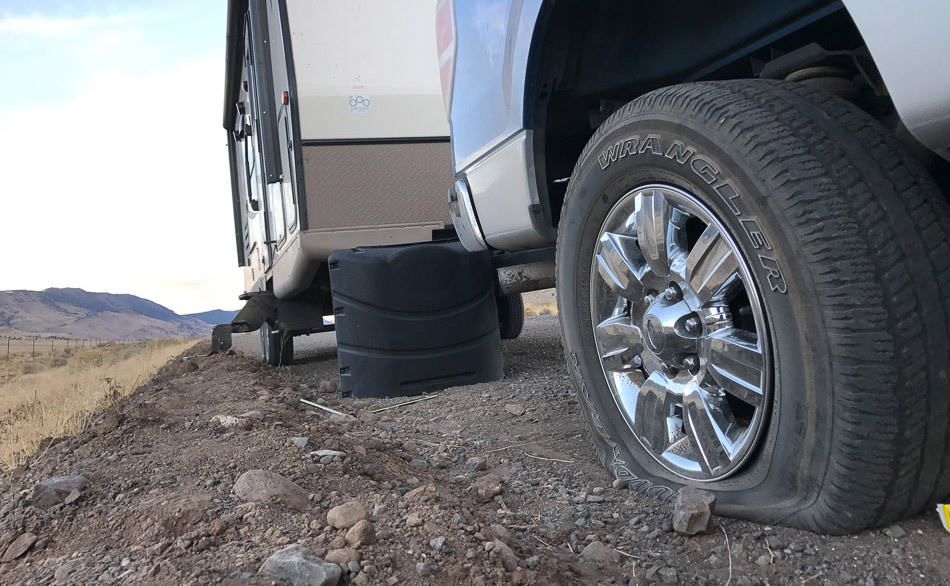
If you see any of these, replace the tire immediately. Don’t risk a blowout.
Tread Depth
Measure tread with a penny:
- Place a penny in the tread, Lincoln’s head down.
- If you see all of Lincoln’s head, the tread is too low.
Minimum tread for camper tires is 4/32”. But remember, age comes first.
How Long Do Camper Tires Last On Average?
Let’s break down the typical lifespan based on real-world use:
| Usage Type | Average Lifespan | Notes |
|---|---|---|
| Full-time campers | 3-4 years | High mileage, frequent exposure |
| Seasonal campers | 5-6 years | Stored most of the year |
| Stored outdoors | 2-4 years | UV damage speeds aging |
| Stored indoors | 5-7 years | Protected from elements |
These numbers are averages. Always inspect your tires, no matter their age.
Common Mistakes That Shorten Tire Life
Many camper owners unknowingly reduce tire lifespan. Here are some mistakes to avoid:
- Ignoring tire age: Trusting tread alone is dangerous.
- Poor storage: Leaving tires in sun or on wet ground breaks down rubber.
- Overloading: Carrying more weight than tires are rated for causes faster wear.
- Underinflation: Low pressure creates heat and weakens tires.
- Skipping inspections: Failing to check tires before trips leads to missed warning signs.
You can extend tire life by fixing these habits.
Credit: camperreport.com
How To Maximize Camper Tire Lifespan
With a few smart steps, you can get the most from your tires.
Practical Tips
- Store in shade or indoors: Protect from sun and moisture.
- Use tire covers: Cheap and easy, shields tires from UV rays.
- Maintain correct pressure: Check before every drive.
- Don’t overload: Stay within your camper’s weight limits.
- Move your camper occasionally: Prevent flat spots and keep tires flexible.
Example: Extending Tire Life
Imagine two campers:
- Camper A parks outside all year, never covers tires, checks pressure only before long trips.
- Camper B parks in a garage, uses covers, checks pressure monthly.
Camper B’s tires last 2-3 years longer on average. Small habits make a big difference.
How Camper Tires Compare To Other Vehicle Tires
Camper tires are different from car, truck, and trailer tires. They often age out before wearing out, because they sit unused for long periods. Here’s a quick comparison:
| Vehicle Type | Average Tire Lifespan | Main Reason for Replacement |
|---|---|---|
| Passenger car | 4-6 years | Worn tread |
| Truck/SUV | 3-5 years | High mileage |
| Camper/RV | 5-7 years | Rubber aging |
| Utility trailer | 3-5 years | Sun and weather damage |
Camper tires often need replacing before their tread is gone. Don’t wait until you see obvious wear.

Credit: tooltroopers.com
Real-life Examples And Statistics
- The National Highway Traffic Safety Administration (NHTSA) reports that most tire failures happen with tires over 6 years old.
- RV forums show that blowouts and tire failures are common on campers with tires aged 7+ years, even if tread looks good.
- Owners who store campers indoors report fewer tire problems and longer life.
One non-obvious insight: Tire life can vary between the tires on the same camper. The side facing the sun ages faster. Always check all tires individually.
Another overlooked tip: If you replace two tires, match the brand, type, and load rating. Mixing tires can cause handling issues.
Cost Of Replacing Camper Tires
Replacing camper tires is not cheap, but safety matters most.
- Average cost per tire: $100–$250
- Labor cost: $20–$40 per tire
- Total cost for four tires: $480–$1,160
Don’t try to save money by buying used tires. Used tires may look good but could be aged or damaged inside.
When To Replace All Camper Tires
Should you replace all tires at once? Usually, yes. If one tire is old or damaged, the others are likely close behind. Mixing old and new tires can cause uneven handling.
Replace all tires if:
- They are over 6 years old.
- You see cracking, bulges, or dry rot.
- You plan a long road trip after long storage.
Frequently Asked Questions
How Do I Find The Age Of My Camper Tires?
Check the sidewall for the DOT code. The last four digits show the week and year the tire was made. For example, “DOT 1218” means week 12 of 2018.
Can I Use Car Tires On My Camper?
No. Camper tires are built for heavier loads and different stresses. Car tires are not safe for campers. Always use tires rated for your camper’s weight and size.
What’s The Risk Of Driving On Old Camper Tires?
Old tires can fail suddenly, causing blowouts or loss of control. Even if tread looks good, aged rubber can split or crack inside. It’s safer to replace tires before they reach 6-7 years old.
Do Tire Covers Really Help?
Yes. Tire covers block UV rays and moisture, slowing rubber aging. They cost little and can add years to tire life. Always cover tires during storage.
Where Can I Learn More About Camper Tire Safety?
You can read detailed safety tips and statistics from the National Highway Traffic Safety Administration.
Choosing the right time to replace your camper tires protects your family and your wallet. Remember, age is as important as tread. Inspect your tires often, store them wisely, and never ignore warning signs. With good habits, your tires will last as long as possible—and your travels will stay safe and fun.

Credit: blog.campingworld.com