What Is A Steer Tire
Steer tires play a crucial role in trucks, buses, and other large vehicles. If you have ever wondered why trucks have different tires on the front and back, you are not alone. Many people don’t realize that the steer tire is not just a regular tire. It is designed for safety, control, and performance. Knowing what a steer tire is, how it works, and why it matters can help drivers, fleet managers, and even curious readers understand the basics of heavy vehicle operation. Let’s explore the details, benefits, and key facts about steer tires.
Understanding Steer Tires
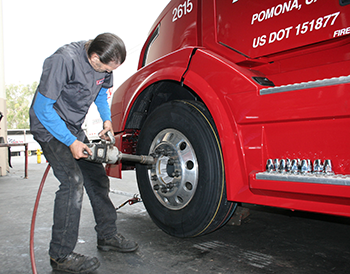
The term steer tire refers to the tires mounted on the front axle of a truck or bus. These tires directly impact the vehicle’s steering, handling, and safety. Unlike drive tires (which are on the rear axle and deliver power), steer tires guide the direction of the vehicle.
Steer tires must handle sharp turns, heavy loads, and various road conditions. They are exposed to more stress than other tires because they manage the vehicle’s steering and carry most of the front-end weight. These tires are often wider, with special tread designs for grip and stability.
Key Functions Of Steer Tires
- Direction Control: The main job of a steer tire is to help the driver control the vehicle’s direction.
- Weight Support: Steer tires carry much of the vehicle’s front weight, including the engine.
- Safety: They are critical for safe driving, as any failure can make steering difficult or dangerous.
- Performance: Good steer tires improve fuel efficiency and reduce wear on the vehicle.
Steer Tire Vs. Drive Tire Vs. Trailer Tire
Many people confuse steer tires with other types. Let’s clarify the differences:
| Tire Type | Location | Main Function | Tread Design |
|---|---|---|---|
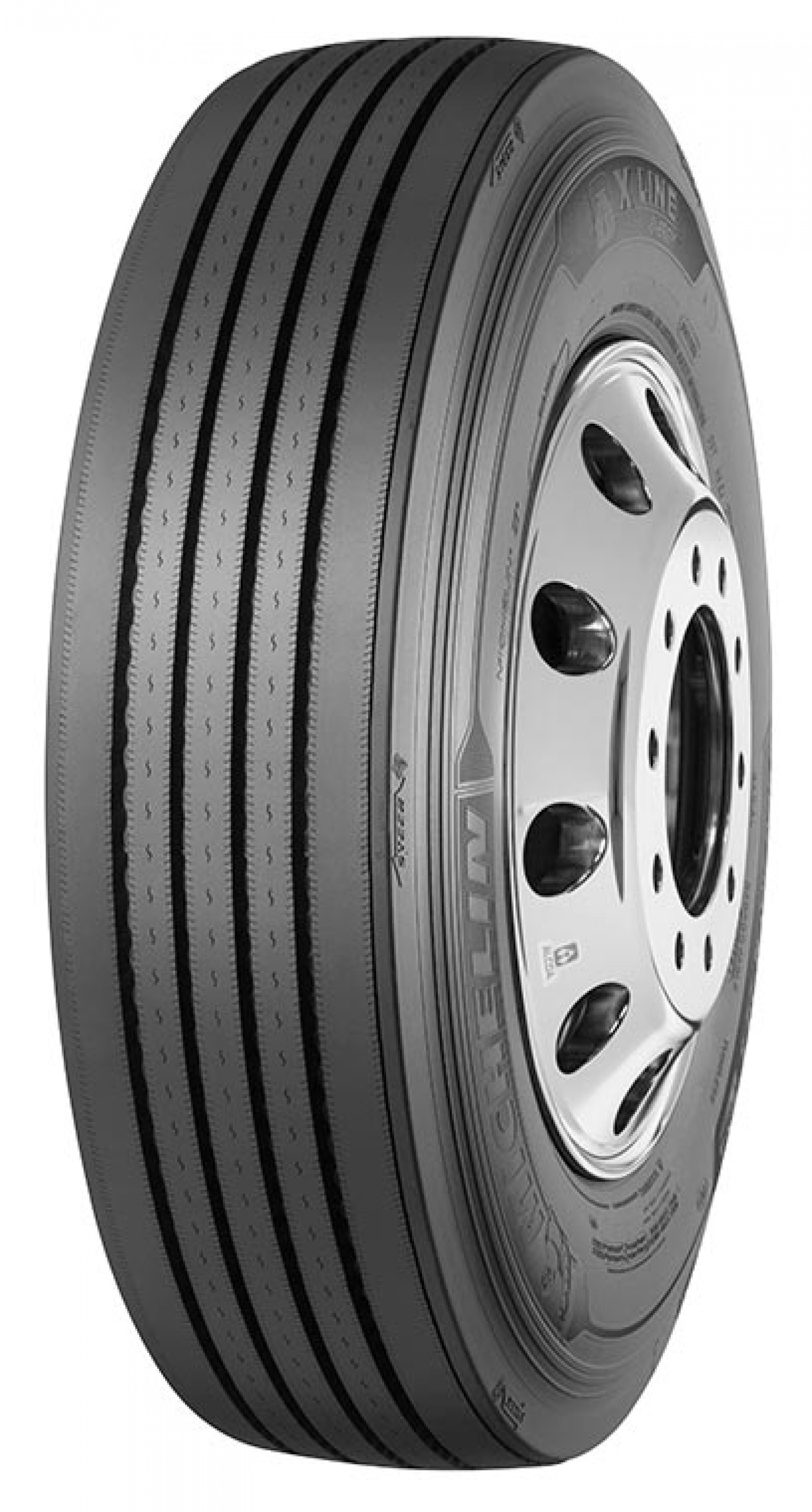
| Steer Tire | Front axle | Steering, handling | Straight grooves for control |
| Drive Tire | Rear axle | Power delivery | Deep lugs for traction |
| Trailer Tire | Trailer axles | Load support | Shallow tread for durability |
Steer tires must be precise and responsive. Drive tires need grip for moving the truck. Trailer tires focus on carrying weight and resisting wear.
Credit: www.tirereview.com
Unique Features Of Steer Tires
Steer tires have special designs that make them different from other tires:
- Tread pattern: Usually straight, with grooves that channel water away. This helps prevent hydroplaning.
- Rubber compounds: Steer tires use softer, high-quality rubber for better control but still resist wear.
- Sidewall construction: Stronger sidewalls to handle impact and front-end stress.
These features help steer tires last longer and perform well, even under tough conditions.
Example: Tread Design Comparison
Here’s how steer tire tread design differs from other types:
| Tire Type | Typical Tread Pattern | Best for |
|---|---|---|
| Steer Tire | Straight grooves | Wet roads, steering |
| Drive Tire | Block/lug patterns | Muddy or snowy roads |
| Trailer Tire | Minimal tread | Dry roads, long wear |
Why Steer Tires Matter
Steer tires are not only for turning. Their quality affects many parts of driving:
- Safety: Poor steer tires can cause accidents. They must grip the road and react quickly.
- Comfort: Good steer tires reduce vibrations and make the ride smoother.
- Fuel economy: Steer tires with low rolling resistance save fuel, which is important for long-haul trucks.
- Longevity: High-quality steer tires last longer and resist damage.
Real-world Data
According to tire industry studies, steer tire failure is one of the top causes of truck accidents. The US Department of Transportation reports that tire-related issues contribute to nearly 11,000 accidents each year, many involving steer tires.
Choosing The Right Steer Tire
Buying a steer tire is not simple. There are many things to consider:
- Size: The correct size is vital. A wrong size can impact steering and safety.
- Load rating: Steer tires must carry the front axle weight, including cargo and engine.
- Tread pattern: Choose a pattern suitable for your driving conditions (wet, dry, snow).
- Brand and quality: Reliable brands offer better performance and warranty.
- Price vs. value: Cheap steer tires may save money now but cost more later in repairs or accidents.
Common Buyer Mistakes
- Ignoring tire size specifications
- Choosing drive or trailer tires for the front axle
- Buying used steer tires without inspecting for damage
- Not checking tread depth or rubber quality
Maintenance And Care
Steer tires need regular maintenance to stay safe and effective. Here are essential tips:
- Check air pressure: Low or high pressure can cause uneven wear or blowouts.
- Inspect for cuts and bulges: Damage can weaken the tire and lead to failure.
- Rotate tires: Rotation helps even out wear, but steer tires often stay on the front.
- Check alignment: Misalignment wears out steer tires quickly.
- Monitor tread depth: Tread depth should never go below 4/32 inch.
Practical Maintenance Schedule
Most experts recommend:
- Inspecting steer tires weekly
- Checking air pressure every trip
- Rotating every 20,000 miles (if possible)
- Replacing when tread is low or damage is visible
Steer Tires In Different Conditions
Steer tires behave differently in various environments. Here’s how conditions affect them:
- Wet roads: Steer tires with good grooves prevent sliding.
- Snow/ice: Some steer tires come with special compounds for cold weather.
- Rough roads: Strong sidewalls protect against impacts and potholes.
- Long-distance routes: Low rolling resistance tires save fuel on highways.
Example: Steer Tire Performance Data
A popular steer tire model (Michelin X Line Energy Z) shows these stats:
- Rolling resistance: 5% lower than average drive tires
- Wet grip: Maintains traction up to 50 mph in heavy rain
- Average lifespan: 120,000 miles (with proper care)
Cost Of Steer Tires
Steer tires cost more than other types, but for a good reason. The price depends on size, brand, and features.
- Standard steer tire: $350–$600 each
- Premium steer tire: $700–$950 each
Buying cheap steer tires is risky. They often wear faster and can increase accident risk. Investing in quality steer tires pays off over time through longer life and fewer repairs.

Credit: business.michelin.ca
When To Replace A Steer Tire
Knowing when to replace steer tires is important. Signs include:
- Tread depth under 4/32 inch
- Cracks, cuts, or bulges
- Vibration during driving
- Steering feels “loose” or unresponsive
- Visible damage after hitting a curb or pothole
Don’t wait for a blowout. Replace steer tires before problems start.
Steer Tire Regulations
The US has strict rules for steer tires on commercial vehicles. According to Federal Motor Carrier Safety Administration (FMCSA):
- Minimum tread depth: 4/32 inch
- No recapped or retreaded tires allowed on front axles of buses
- Tires must be free from sidewall damage or exposed cords
Violating these rules can result in fines, vehicle shutdown, or even lawsuits if accidents happen.
Innovations In Steer Tires
Modern steer tires are more advanced than ever. Some innovations include:
- Smart sensors: Monitor pressure and temperature in real-time.
- Eco-friendly compounds: Reduce rolling resistance for better fuel economy.
- Self-sealing technology: Prevents air loss after minor punctures.
These innovations make steer tires safer, longer-lasting, and more efficient.
Steer Tires And Fleet Management
Fleet managers must keep track of steer tire performance. Good steer tires reduce downtime and maintenance costs. Many fleets use digital tracking systems to monitor tire health.
Data shows fleets with regular steer tire checks have 20% fewer tire-related breakdowns. Proper steer tire management saves money and improves safety.
Non-obvious Insights About Steer Tires
- Steer tire placement can impact turning radius. Using wider steer tires reduces sharp turning ability, which can matter for city driving.
- Temperature changes affect steer tire pressure more than other tires. Because steer tires are at the front, they heat up faster, so pressure should be checked more often in summer.
- Steer tire retreading is rare for legal reasons. Most states prohibit recapped tires on the front axle, so always buy new steer tires for safety.
Frequently Asked Questions
What Is The Minimum Tread Depth For A Steer Tire?
The minimum tread depth for steer tires is 4/32 inch in the US. Driving below this level is unsafe and against regulations.
Can I Use Drive Tires As Steer Tires?
No. Drive tires are designed for traction and power, not steering. Using them on the front axle can cause poor handling and increased wear.
How Often Should Steer Tires Be Replaced?
Most steer tires last 80,000–120,000 miles, depending on quality and maintenance. Replace them if the tread is low or if you notice damage.
Are Steer Tires More Expensive Than Other Truck Tires?
Yes. Steer tires cost more because of their special design, rubber quality, and safety role. Investing in them is important for safe driving.
Where Can I Learn More About Truck Tire Safety?
You can find detailed information at the FMCSA website.
Steer tires are the unsung heroes of trucking and bus safety. Choosing, maintaining, and understanding them is essential for anyone who drives or manages heavy vehicles. With proper care and quality choices, steer tires keep roads safer and vehicles running smoothly.
Credit: www.acmetires.com