When winter comes, roads can turn dangerous. Snow, slush, and especially ice make driving risky. Many drivers ask: Are snow tires good on ice? If you live in a cold region, this is a question that can affect your safety, wallet, and daily routine. Let’s explore how snow tires perform on icy roads, what makes them different, and whether they’re the best choice for winter driving.
What Are Snow Tires?
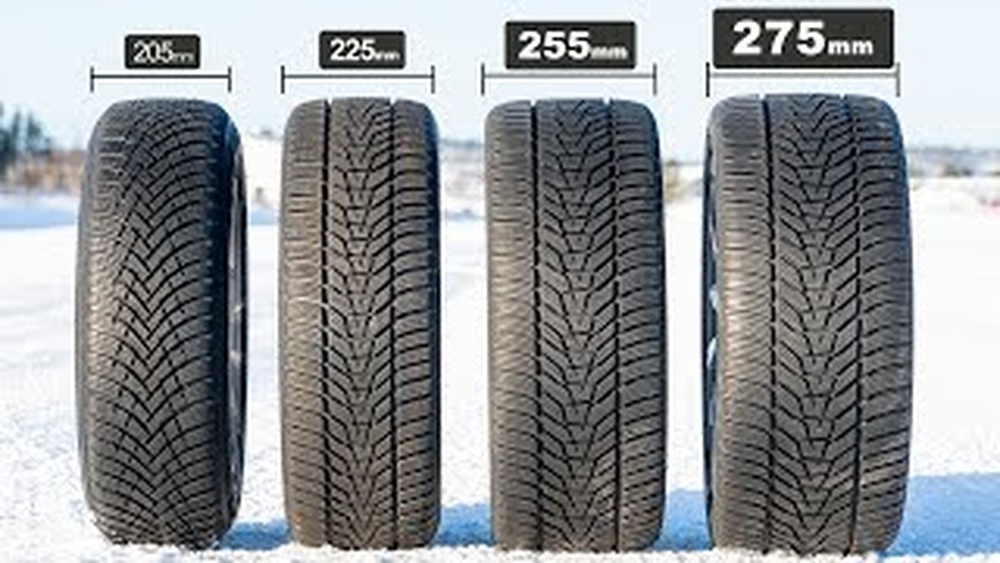
Snow tires (also called winter tires) are made for cold weather and slippery conditions. Unlike regular tires, they use special materials and designs to improve grip when the temperature drops. Most snow tires have:
- Softer rubber compounds: Stay flexible in cold.
- Deep tread patterns: Channel snow and slush away.
- Tiny grooves (sipes): Boost traction on ice.
These features are built to handle snow-covered roads, but how do they work on pure ice?
Snow Tires Vs. Ice: What Really Happens
Ice is the slipperiest surface you can drive on. Tires struggle to grip because there’s almost nothing for them to hold onto. But snow tires are designed to help in several ways:
Rubber Compound
The rubber in snow tires stays soft even below freezing. This flexibility helps the tire stick to the road, including icy surfaces. Regular tires become hard and lose grip, while snow tires keep working.
Sipe Technology
The small cuts in snow tire treads, called sipes, create extra biting edges. These edges help the tire grab onto ice by breaking through the thin water layer on top. Sipes are a big reason snow tires can stop faster on ice.
Tread Pattern
Snow tires have patterns that move snow and slush away, but they also help on ice. The grooves and blocks improve contact with the road, giving better control.
Example
A test by Consumer Reports showed that cars with snow tires stopped nearly 30% shorter on ice compared to all-season tires. That means, at 20 mph, a snow tire could stop in about 36 feet, while an all-season tire needed about 51 feet.
Comparing Snow Tires, All-season Tires, And Studded Tires
Not all winter tires are the same. Let’s see how the main types stack up on icy roads.
| Tire Type | Ice Performance | Noise Level | Legal Restrictions |
|---|---|---|---|
| Snow Tire | Good (best non-studded option) | Low | None |
| All-Season Tire | Poor | Low | None |
| Studded Tire | Excellent | High | Restricted in some states |
Studded tires have metal spikes that dig into ice. They offer the best grip but are noisy and sometimes banned. Snow tires without studs are quieter, legal everywhere, and perform well but not as strongly as studded tires.
Snow Tires: Real-world Performance On Ice
Most drivers do not face pure ice every day, but it can happen. Here’s what you can expect with snow tires:
- Better braking: Snow tires can reduce stopping distance by up to 30% compared to all-seasons.
- Improved handling: Turning and steering are more predictable on icy patches.
- Less skidding: Snow tires resist sliding sideways during turns.
But they are not magic. On thick, polished ice, even the best snow tires can slip. Driving carefully is still important.
Key Data
A study by the National Highway Traffic Safety Administration found that winter tires can lower accident risk by 40% in icy conditions compared to standard tires.
Why Snow Tires Are Not Always Enough
Even with snow tires, some ice is too slippery. Here are two insights beginners often miss:
- Black ice is nearly invisible: Snow tires help, but you may still lose control on black ice. No tire is perfect.
- Temperature matters: Snow tires work best below 45°F. In warmer winter days, their ice grip drops.
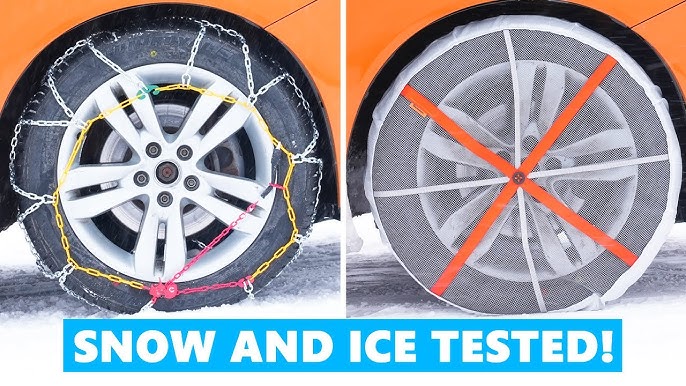
If you live in a place with constant ice, consider studded tires or even tire chains. For most drivers, snow tires are a good balance between safety and comfort.
Common Mistakes When Using Snow Tires On Ice
Many people think just putting on snow tires makes them safe. Avoid these mistakes:
- Mixing tire types: Always install four snow tires. Mixing with all-seasons can cause dangerous handling.
- Worn tread: Old snow tires lose their grip, especially on ice. Replace when tread drops below 6/32”.
- Too much speed: Even snow tires can’t save you from driving too fast for conditions.
How To Choose The Best Snow Tires For Ice
Not all snow tires are equal. Look for these features:
- Lots of sipes: More cuts mean more grip.
- Tread depth: Deep patterns channel away water and slush.
- Rubber quality: Premium brands use softer compounds.
Here’s a quick comparison of popular snow tire models:
| Brand/Model | Ice Grip Rating | Tread Life | Price Range |
|---|---|---|---|
| Michelin X-Ice | Excellent | Long | High |
| Bridgestone Blizzak | Very Good | Medium | Medium |
| Nokian Hakkapeliitta | Outstanding | Medium | High |
| General Altimax Arctic | Good | Medium | Low |
If ice is your main concern, brands like Nokian and Michelin are trusted for their high ice grip.
Practical Tips For Driving On Ice With Snow Tires
Snow tires help, but your driving matters even more. Here are practical tips:
- Go slow: Even with the best tires, speed kills on ice.
- Brake gently: Sudden braking can cause slides.
- Leave extra space: Stopping takes longer.
- Turn carefully: Sudden moves make you lose control.
- Keep tires inflated: Cold weather drops air pressure.
Many accidents happen because drivers trust their tires too much. Respect winter roads.

Credit: www.tirebuyer.com
When Snow Tires Are The Best Choice
Snow tires are best for people who:
- Live where temperatures stay below 45°F in winter.
- Face regular snow and ice on roads.
- Want safer, quieter winter driving.
If you only see ice once or twice a year, all-seasons may be enough. If your roads are always icy, look at studded tires or even chains.
Cost Vs. Safety: Is It Worth It?
Snow tires cost more than regular tires. But the safety boost is big. Let’s look at the numbers:
- Average snow tire set: $500–$800.
- Accident costs: Repairs, injuries, insurance hikes can be thousands.
A Canadian study found that snow tires reduced winter accident claims by 38%. For most drivers, the cost pays off in peace of mind.

Credit: icyroadsafety.com
Maintenance And Storage Tips
To get the most from your snow tires:
- Rotate tires every season: Prevent uneven wear.
- Store in cool, dry place: Heat and sunlight damage rubber.
- Check tread often: Replace before tread gets too low.
Good maintenance means your tires last longer and stay safe.
Snow Tires And Insurance Discounts
Some insurers offer discounts for drivers who use snow tires. Ask your provider if you qualify. This can save you money each winter.
Credit: www.youtube.com
Are Snow Tires Good On Ice? Final Thoughts
Snow tires are a smart choice for icy roads. Their special rubber, sipes, and tread give much better grip than regular tires. They’re not perfect, but they reduce risk and improve control. For most winter drivers, snow tires are good on ice, and often the best legal option.
Remember, careful driving and proper tire care matter as much as the tires you choose. If you live where ice is frequent and severe, you may want to research studded tires or chains for maximum safety.
For more in-depth info on winter tire technology, you can read this Winter Tire Overview.
Frequently Asked Questions
Are Snow Tires Better Than All-season Tires On Ice?
Yes, snow tires outperform all-season tires on ice. Their soft rubber and special sipes give more grip. All-seasons harden in cold, losing traction.
Can I Use Snow Tires Year-round?
You shouldn’t use snow tires all year. Their rubber wears out quickly in warm weather, and handling drops. Use them only in winter.
Do I Need All Four Snow Tires, Or Just Two?
Always install four snow tires. Mixing with other types can make your car unstable and unsafe, especially on ice.
Are Studded Tires Legal Everywhere?
No, studded tires are banned or restricted in many states because they damage roads. Always check local laws before using them.
How Long Do Snow Tires Last?
Most snow tires last 3–5 winters, depending on mileage and care. Check tread depth often, and replace when it drops below 6/32”.
Snow tires are a strong ally against icy roads, but safety depends on your choices and driving habits. Make the right call for your winter needs.