Many drivers hear about nitrogen tires and wonder if mixing nitrogen and air is safe or smart. Tire shops sometimes offer nitrogen inflation for an extra fee, claiming benefits like better pressure stability, longer tire life, and improved fuel efficiency. But what happens if you mix regular air with nitrogen? Is it dangerous, or simply less effective? Let’s break down the science, practical effects, and real-world data so you can decide what’s best for your vehicle.
Why Nitrogen Is Used In Tires
Nitrogen has become popular in tires, especially for performance vehicles and aircraft. Air is about 78% nitrogen already, but pure nitrogen inflation is different. The main reasons for using nitrogen are:
- Slower pressure loss: Nitrogen molecules are larger, so they leak less through tire rubber compared to oxygen.
- Less moisture: Nitrogen is dry, while compressed air often contains water vapor. Moisture can cause rust and pressure changes.
- Stable pressure: Nitrogen reacts less to temperature changes, keeping tire pressure more consistent.
For racing teams and airlines, these small advantages matter. But what about everyday driving?
Air Vs. Nitrogen: What’s Inside Your Tires?
Regular air is not just oxygen and nitrogen. Here’s a breakdown:
| Gas | Percent in Air | Effect in Tires |
|---|---|---|
| Nitrogen | 78% | Stable, slow leakage |
| Oxygen | 21% | Faster leakage, reacts with rubber |
| Argon | 0.93% | No major effect |
| CO2 | 0.04% | No major effect |
| Water Vapor | Varies | Pressure fluctuation, corrosion |
When you fill tires with pure nitrogen, you remove most of the oxygen and water vapor. This is why nitrogen is sometimes called “dry fill.”
Can You Mix Nitrogen And Air In Tires?
The short answer: Yes, you can mix them. There’s no danger or risk if you top up a nitrogen-filled tire with regular air. Your tire won’t explode or fail. However, mixing reduces the benefits that pure nitrogen provides.
When you add air, you introduce more oxygen and moisture. Over time, the tire will contain a mix closer to normal air, depending on how many times you refill with air.
How Mixing Happens In Real Life
Many drivers start with nitrogen, but if they need to inflate a tire in a hurry, most use a regular air compressor. Unless you go to a shop with nitrogen equipment, you’re adding air. This is common, especially for emergencies or road trips.
The tire doesn’t care if the gas is pure nitrogen or a mix. It holds pressure as long as there are no leaks. So, mixing is safe, but you lose some of the unique benefits of nitrogen.
What Changes After Mixing?
Let’s compare the effects before and after mixing:
| Feature | Pure Nitrogen | Nitrogen + Air Mix | Regular Air |
|---|---|---|---|
| Pressure Stability | Excellent | Good | Average |
| Leak Rate | Low | Medium | High |
| Moisture Content | Very Low | Medium | High |
| Corrosion Risk | Minimal | Medium | Higher |
The more air you add, the closer your tire gets to regular air conditions. If you mix once, you still keep some benefits. If you mix many times, the tire behaves like any air-filled tire.
Credit: www.springfieldacura.com
Is Mixing Dangerous Or Bad For Tires?
Many people fear problems if they mix gases. In reality, the mixing process is safe. Tires are designed to handle regular air, which is already mostly nitrogen. There’s no chemical reaction or sudden change.
The main downside is that you lose the moisture and leak benefits. If your tires are filled with nitrogen for a reason (like racing or aircraft), you should try to keep them pure. For normal cars, it’s not critical.
One non-obvious insight: Water vapor in air is more likely to cause rust inside metal wheels, especially in humid climates. Nitrogen avoids this, but mixing brings back some risk.
How To Top Up Nitrogen-filled Tires
If you want to keep nitrogen benefits, refill at shops offering nitrogen. If you use air, the tire will still work perfectly. Here’s how you can manage your tire inflation:
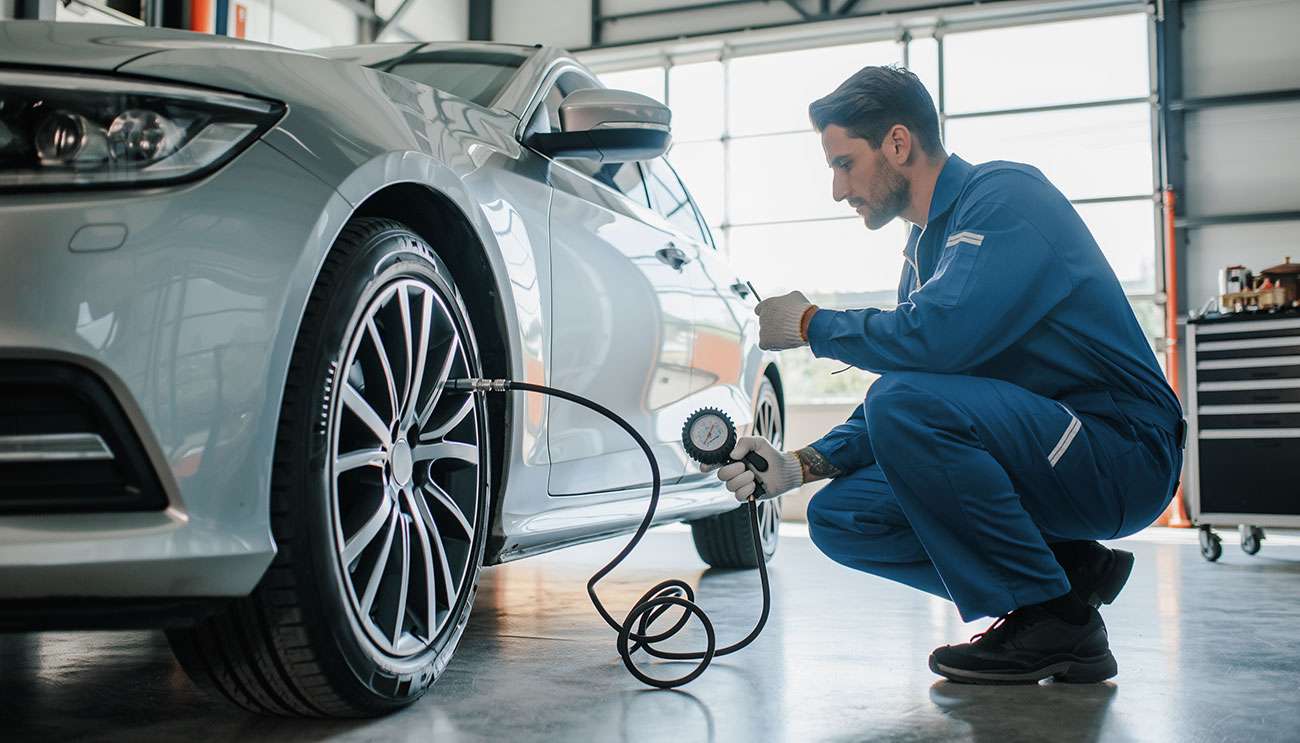
- Check pressure regularly. Tires lose pressure over time, no matter the gas.
- If you want pure nitrogen, get a complete refill (not just a top-up) every year or after several air mixes.
- In emergencies, use air. Safety and correct pressure are more important than gas purity.
Real-world Data: Does Nitrogen Really Make A Difference?
Studies show that nitrogen reduces pressure loss by about 1.3 psi per month, compared to air’s 2.2 psi per month. This means tires stay inflated longer with nitrogen, but the difference is small for daily drivers.
Another study by Consumer Reports found no significant improvement in tire life, fuel economy, or performance for regular vehicles using nitrogen.
However, for professional racing, aircraft, or heavy trucks, nitrogen is still valuable. These vehicles operate at higher speeds or in extreme conditions, where small differences matter.
Common Myths About Nitrogen And Air Mixing
Many myths confuse drivers:
- “Mixing will ruin your tires.” Not true. Tires are designed for air, which is mostly nitrogen anyway.
- “You must always use nitrogen after starting with it.” False. You can mix safely.
- “Nitrogen makes tires last much longer.” Only a small difference, mostly due to less moisture and slower leakage.
One insight beginners often miss: Nitrogen is not a magic fix. Good tire care is much more important than the gas used.
Credit: www.performanceplustire.com
Pros And Cons Of Mixing Nitrogen And Air
Let’s review the main advantages and disadvantages:
Pros
- Safe and easy to mix
- No risk to tire or wheel
- Can top up anywhere, anytime
Cons
- Lose some nitrogen benefits (moisture, leak rate)
- Tire gas becomes less pure over time
- May need full nitrogen refill to restore benefits
If you don’t drive in extreme conditions, mixing is usually fine.
When Should You Avoid Mixing?
There are a few cases where mixing should be avoided:
- Aircraft tires: Nitrogen is required by regulations for safety.
- Professional racing: Teams rely on stable tire pressure for performance.
- Heavy trucks: Nitrogen helps with long-distance pressure stability.
For most passenger cars, mixing is not a problem.
Practical Tips For Tire Inflation
If you’re unsure about nitrogen vs. air, use these tips:
- Always maintain correct tire pressure, no matter the gas.
- Use nitrogen if you want slightly better stability, but don’t worry if you must mix.
- Inspect tires for damage regularly.
- In emergencies, use air to avoid driving on under-inflated tires.
- If you want the full nitrogen benefit, ask for a complete refill at your next service.
Nitrogen And Air Mixing: Cost And Convenience
Nitrogen inflation costs about $5–$10 per tire in most US shops. Air is free or very low cost. If you mix, you don’t lose your investment—just the purity. For drivers who value convenience, air is easier to find.
Some shops offer nitrogen for free with tire purchase. If you travel often, air is more available at gas stations and repair shops.

Credit: www.reddit.com
Environmental Impact
There’s no negative environmental effect from mixing nitrogen and air in tires. Both gases are safe and non-toxic. However, keeping tires properly inflated (with any gas) reduces fuel use and emissions.
Expert Opinions
Most tire experts say that for regular drivers, mixing nitrogen and air is perfectly safe. The most important factor is tire pressure, not gas type. Only specialty vehicles need pure nitrogen.
If you want more technical details, you can read about nitrogen use in tires from the Wikipedia page.
Frequently Asked Questions
Can I Mix Air With Nitrogen In My Tires?
Yes, you can safely mix air and nitrogen. There’s no risk to your tires. The main effect is reduced nitrogen purity, which lowers some benefits like slower leakage and less moisture.
Will My Tire Lose Benefits After Mixing Air And Nitrogen?
Yes, but only partially. Each time you add air, you increase oxygen and moisture inside. Over time, the tire behaves more like a regular air-filled tire.
Should I Refill With Pure Nitrogen After Mixing?
If you want to restore nitrogen benefits, you need a full refill (removing old gas and adding pure nitrogen). For most drivers, this is not necessary unless you need the benefits for performance or safety.
Is It Safe To Use Regular Air After Starting With Nitrogen?
Yes, it’s always safe. The tire will hold pressure regardless of the gas mix. Safety depends on keeping correct pressure, not gas purity.
Are There Any Vehicles That Must Not Mix Nitrogen And Air?
Aircraft and some racing cars require pure nitrogen for safety and performance. For most passenger vehicles, mixing is fine and does not cause harm.
Mixing nitrogen and air in tires is safe, easy, and common. The main thing is to keep tire pressure correct for your vehicle. Nitrogen offers some small benefits, but mixing with air is not dangerous or damaging. For most drivers, convenience and safety matter more than gas purity.
If you’re curious about the science or want to try nitrogen, it’s easy to start—but regular air works well for millions of cars every day.