Choosing the right tires for your vehicle can be tricky. You want something that offers safety, durability, and great performance.
But when it comes to Continental vs Cooper tires, which one should you trust? If you’re looking for clear answers and practical advice, this article is made just for you. By the end, you’ll feel confident about making the best choice for your car and your budget.
Keep reading to discover what sets these two tire brands apart—and which one fits your driving needs perfectly.
Credit: simpletire.com
Brand Backgrounds
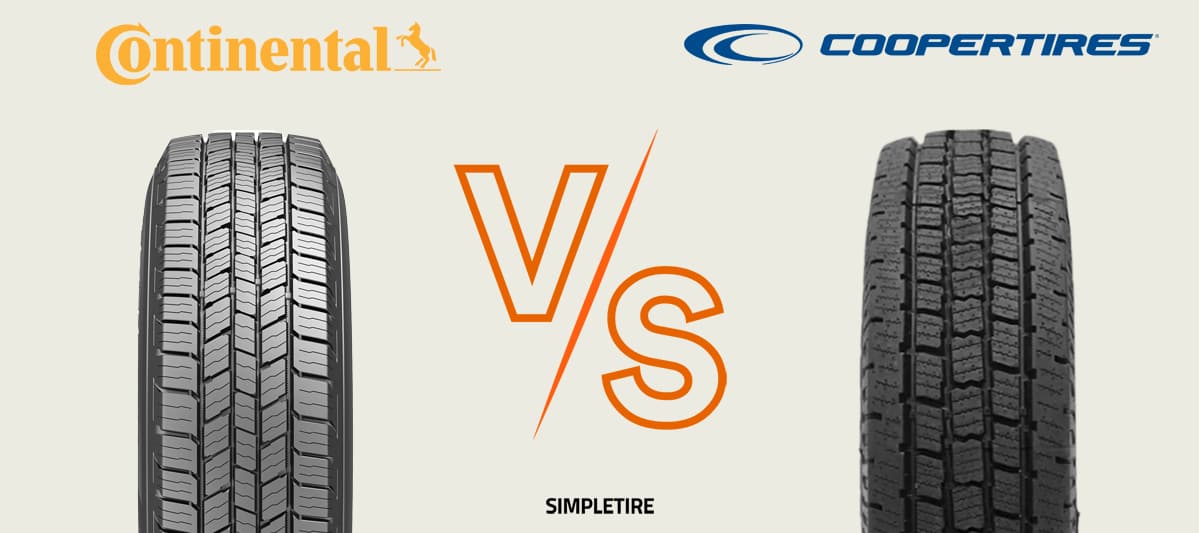
Tires are essential for vehicle safety and performance. Knowing the background of tire brands helps in choosing the right one. Continental and Cooper Tires are two well-known brands. Each has its own story and values. Understanding their history can guide your decision.
History Of Continental
Continental started in Germany in 1871. It began as a rubber and fabric company. Over time, it focused on making tires. By the 20th century, Continental was a leading tire maker. The brand is known for innovation and quality. It serves cars, trucks, and motorcycles worldwide. Continental invests heavily in research and development. This helps improve safety and tire performance.
History Of Cooper Tires
Cooper Tires began in the United States in 1914. It started as a small tire repair shop. Later, it grew into a major tire manufacturer. Cooper Tires focuses on affordable and durable tires. It serves many types of vehicles, including passenger cars and SUVs. The company is family-owned and values customer trust. Cooper Tires also works on improving tread designs and tire life.
Product Range
The product range of tires plays a key role in choosing the right brand. Both Continental and Cooper offer a variety of tires for different needs. Their collections include tires for cars, trucks, and SUVs. Each brand focuses on quality and performance. Understanding their product range helps in making a smart choice.
Types Of Tires Offered By Continental
Continental provides a wide selection of tires. They offer summer, winter, and all-season tires. Their tires suit passenger cars, SUVs, and light trucks. Continental also makes high-performance tires for sports cars. They have eco-friendly tires designed to save fuel. Run-flat tires are another option for safety. Off-road tires for tough terrains are available too. Their tires focus on comfort, grip, and durability.
Types Of Tires Offered By Cooper
Cooper offers a strong lineup of tires for many vehicles. Their range includes all-season, winter, and summer tires. Cooper makes tires for cars, trucks, and SUVs. They have specialty tires for off-road and mud terrains. Cooper also provides tires for trailers and commercial vehicles. Their tires emphasize long tread life and good traction. Budget-friendly options are part of their range. Cooper aims to balance quality and value in their products.
Performance Factors
Performance factors matter most when choosing tires. They affect safety, comfort, and driving pleasure. Continental and Cooper both offer quality tires. Their performance differs in key areas. Understanding these differences helps you pick the right tire.
Grip And Traction
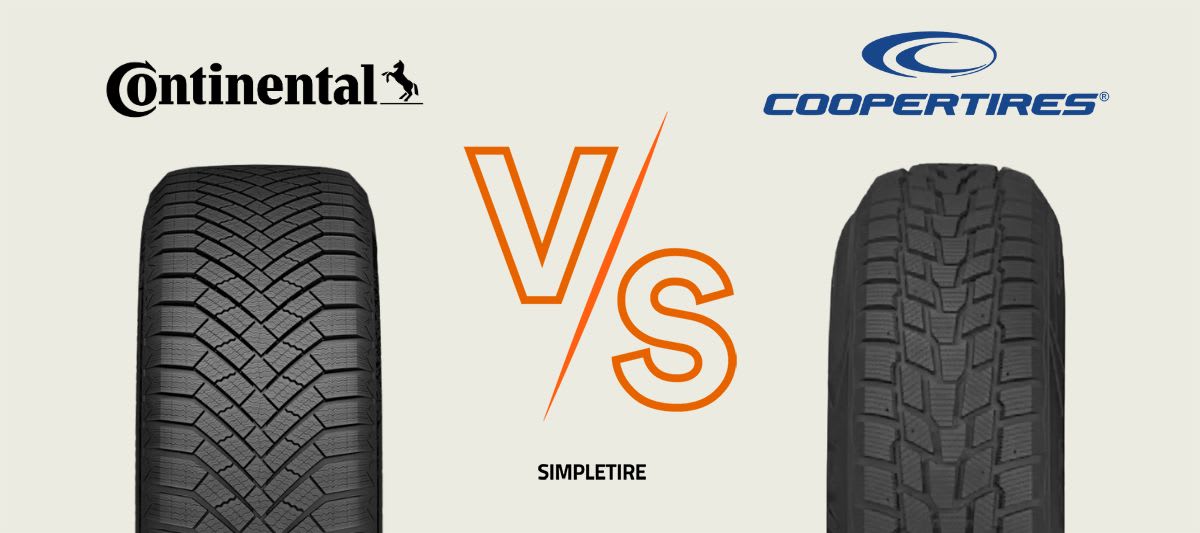
Grip controls how well tires stick to the road. Continental tires use advanced rubber compounds. They perform well on wet and dry roads. Cooper tires focus on strong traction for rough surfaces. Their designs suit off-road and all-season driving. Both brands provide reliable grip but vary by model.
Handling And Ride Comfort
Handling means how tires respond to steering. Continental tires give precise control and smooth turns. Cooper tires aim for a balanced ride, soft yet stable. Ride comfort depends on tire design and materials. Continental often offers a quieter, cushioned feel. Cooper focuses on durability and comfort for long drives.
Noise Levels
Noise affects driving comfort, especially on highways. Continental tires usually have lower noise levels. Their tread patterns reduce road noise effectively. Cooper tires may produce more sound on rough terrain. Still, they maintain acceptable noise on city roads. Noise varies by tire type and use.
Credit: simpletire.com
Durability And Lifespan
Durability and lifespan are key factors when choosing tires. They affect safety, performance, and cost over time. Tires that last longer save money and reduce the need for frequent replacements. Both Continental and Cooper offer durable options, but they differ in how long their tires last and how well they resist damage.
Tread Life Comparison
Continental tires often have a longer tread life. They use advanced rubber compounds that wear down slowly. Many Continental tires come with mileage warranties up to 80,000 miles. Cooper tires usually have shorter tread life but offer good value. Their mileage warranties range between 50,000 and 70,000 miles. For drivers who cover many miles, Continental may last longer.
Resistance To Wear And Tear
Continental tires resist cracks and punctures well. Their designs help prevent damage on rough roads. Cooper tires also resist wear but tend to show signs of aging faster. Both brands perform well in regular conditions. Continental’s technology often provides better protection in harsh weather. Choosing the right tire depends on road conditions and driving habits.
Price And Value
Choosing the right tire means balancing cost and quality. Price and value play a big role in this choice. You want tires that last long and perform well without costing too much. Comparing Continental and Cooper tires helps you see which brand fits your budget and needs best.
Cost Comparison
Continental tires generally cost more than Cooper tires. This higher price reflects their advanced technology and premium materials. Cooper tires offer a more budget-friendly option without sacrificing basic quality. Both brands provide tires for various budgets, but Continental aims at the higher end. Cooper tires suit drivers who want decent performance at a lower price.
Warranty And Customer Support
Continental offers strong warranties, often covering tread life and defects. Their customer support is known for being helpful and responsive. Cooper also provides good warranties, sometimes with added benefits like roadside assistance. Their support team focuses on quick solutions and friendly service. Both brands stand behind their products, giving buyers peace of mind.
Safety Features
Safety features are very important when choosing tires. They affect how well the tire grips the road and protects you. Both Continental and Cooper offer strong safety features. These features help drivers stay safe on wet and dry roads. They also improve braking and control. Let’s explore the details.
Wet And Dry Performance
Continental tires use special tread patterns to move water away quickly. This reduces the risk of slipping on wet roads. Their rubber compounds are designed to stay flexible. This helps maintain grip on both wet and dry surfaces.
Cooper tires also focus on strong grip in wet and dry conditions. Their tread designs often include deep grooves. These grooves help channel water away and prevent hydroplaning. Cooper’s rubber mix is made to last and offer steady traction.
Braking Efficiency
Braking is key for safety. Continental tires offer short stopping distances. This helps drivers avoid accidents. Their tire structure supports even pressure on the road, which improves braking.
Cooper tires also provide reliable braking power. Their designs focus on strong road contact. This helps drivers stop quickly and safely. Both brands test their tires to meet safety standards.
Customer Feedback
Customer feedback helps us understand real experiences. It shows how tires perform on roads daily. Reviews reveal strengths and weaknesses from actual users. This section covers what people say about Continental and Cooper tires.
User Reviews On Continental
Many users praise Continental for smooth rides and strong grip. Drivers mention good handling on wet and dry roads. Some note quieter tires compared to other brands. A few users report longer tire life than expected. Others appreciate the balance between comfort and performance. Some complain about higher prices but feel the quality justifies it. Overall, Continental scores well in customer satisfaction surveys.
User Reviews On Cooper
Cooper tires get positive remarks for affordability and durability. Users say these tires handle rough roads well. Many like the traction in winter conditions. Some customers find the tires comfortable for daily driving. A few mention that Cooper tires wear evenly over time. There are reports of good fuel efficiency with these tires. A small number express concerns about noise on highways. Still, most users feel Cooper offers good value for money.
Credit: www.youtube.com
Best Use Cases
Choosing the right tire depends on where and how you drive. Both Continental and Cooper tires serve different needs. Understanding their best use cases helps pick the right fit.
Ideal Conditions For Continental Tires
Continental tires work well on highways and city roads. They offer great grip on wet and dry surfaces. These tires handle high speeds with stability. They suit cars, SUVs, and light trucks. Continental tires shine in moderate climates. Their tread design reduces road noise for a smooth ride.
They perform well in rain and light snow. The tires provide good fuel efficiency. Ideal for daily commuting and long trips. Continental tires also suit drivers who want comfort and safety.
Ideal Conditions For Cooper Tires
Cooper tires excel in rugged and off-road conditions. They are tough and durable on rough terrains. These tires work well in mud, snow, and gravel. Perfect for trucks and SUVs used for work or adventure. Cooper tires handle heavy loads and harsh weather.
They offer strong traction in winter driving. Their deep tread patterns improve grip on slippery roads. Cooper tires are good for drivers needing reliability in tough places. They also perform well on highways but focus on strength and endurance.
Frequently Asked Questions
Which Tire Brand Offers Better Durability, Continental Or Cooper?
Continental tires generally provide superior durability due to advanced rubber compounds. Cooper tires focus more on value and moderate lifespan. Choose Continental for longer-lasting performance and Cooper for budget-friendly options.
How Do Continental And Cooper Tires Compare In Wet Conditions?
Continental tires excel in wet traction with innovative tread designs. Cooper tires offer decent wet grip but may not match Continental’s performance. For rainy climates, Continental is often the safer choice.
Are Cooper Tires More Affordable Than Continental Tires?
Yes, Cooper tires are usually more affordable, targeting budget-conscious buyers. Continental tires cost more, reflecting premium materials and technology. Your choice depends on balancing cost versus performance needs.
Which Brand Provides Better Tire Options For Suvs?
Both brands offer SUV tire models, but Continental focuses on premium all-season and performance tires. Cooper provides durable, off-road-friendly tires for SUVs. Select based on your driving style and terrain.
Conclusion
Choosing between Continental and Cooper tires depends on your needs. Continental offers strong performance and great handling. Cooper tires focus on durability and good value. Both brands provide reliable options for daily driving. Consider your budget and driving style before deciding.
Quality tires keep you safe on the road. Pick what fits your car and driving habits best. Safe travels start with the right tires.