If you’ve ever towed a trailer, you know that tire problems can turn a simple trip into a stressful experience. Many people focus on tire pressure and tread, but often overlook a key question: Do you balance trailer tires? It’s a topic that splits opinions among trailer owners. Some say balancing is unnecessary, while others claim it’s essential for safety and comfort. Let’s dig deep into the facts, common mistakes, and expert advice to help you make the best decision for your trailer and towing needs.
What Does Tire Balancing Mean?
Tire balancing is the process of adjusting the weight distribution on a tire and wheel assembly. Special machines spin the tire and detect where weights should be added to correct any imbalance. This helps ensure that the tire rotates smoothly at speed.
For vehicles like cars and trucks, balancing is standard because it reduces vibrations, improves ride quality, and extends tire life.
But trailer tires are different from car tires. They’re designed mainly to carry loads, not provide steering or drive power. So, the question of whether balancing is needed isn’t always simple.
Why Balancing Trailer Tires Matters
Balancing trailer tires isn’t just about comfort. Here are some real reasons why balancing can make a difference:
1. Vibration Reduction
Unbalanced tires cause vibrations. While you may not feel these as much in a trailer, vibrations can stress the frame, suspension, and cargo.
2. Longer Tire Life
Balanced tires wear more evenly. This means fewer blowouts and longer lasting tires.
3. Protecting Bearings And Suspension
Vibration from unbalanced tires can damage wheel bearings, suspension parts, and even axles over time.
4. Cargo Safety
If you’re hauling sensitive items, vibrations from unbalanced tires can cause damage.
Non-obvious insight: Even if you don’t feel trailer vibrations, your towing vehicle can experience extra movement, especially at highway speeds.
When Should You Balance Trailer Tires?
Not every trailer owner needs to balance tires. Here are situations where balancing is especially important:
- Highway Towing: If you tow your trailer at high speeds, balancing is recommended.
- Heavy Loads: Balancing helps when carrying heavy or fragile items.
- Dual Axle Trailers: These have more tires, making balance more critical to reduce wear.
- New Tires: Whenever you install new tires, balancing ensures you start fresh.
On the other hand, small utility trailers used at low speeds might not benefit as much. But even then, balancing rarely hurts and can be a smart preventive step.
How To Balance Trailer Tires
Balancing trailer tires is almost identical to car tire balancing. Here’s how the process works:
- Remove the tire and wheel assembly.
- Place it on a tire balancing machine.
- Spin the tire.
- Add weights where the machine indicates.
- Reinstall the wheel.
Many tire shops can balance trailer tires for a small fee. You can also use bubble balancers for a basic approach, though they aren’t as precise as electronic machines.
Types Of Tire Balancing
There are two main methods:
- Static Balancing: Uses a single plane (center of tire). Good for slow speeds.
- Dynamic Balancing: Balances in two planes (side-to-side and up-down). Best for highway speeds.
Dynamic balancing is more effective for trailers that travel fast or far.
Credit: www.etrailer.com
Comparing Balanced Vs Unbalanced Trailer Tires
Here’s a quick look at how balanced and unbalanced trailer tires differ in real-world use:
| Factor | Balanced Tires | Unbalanced Tires |
|---|---|---|
| Ride Smoothness | Very smooth, less vibration | Can feel shaking, especially at speed |
| Tire Wear | Even, slow wear | Uneven, faster wear |
| Component Stress | Low stress on bearings/suspension | Higher stress, risk of damage |
| Cargo Protection | Better for fragile items | Possible cargo damage |
| Maintenance Cost | Lower over time | Higher, more repairs |
Non-obvious insight: Unbalanced tires can cause subtle damage that’s hard to spot until expensive repairs are needed.
Common Mistakes When Choosing Not To Balance
Many trailer owners skip balancing for cost or convenience, but this can lead to problems:
- Ignoring High-Speed Use: Some think trailers never need balancing. But at highway speeds, even minor imbalances can grow into big issues.
- Assuming All Loads Are Equal: Even if your trailer is empty most of the time, one heavy trip can cause uneven wear.
- Trusting New Tires Too Much: Factory-new tires are not always perfectly balanced. Always check after installation.
Signs Your Trailer Tires Need Balancing
Look for these clues:
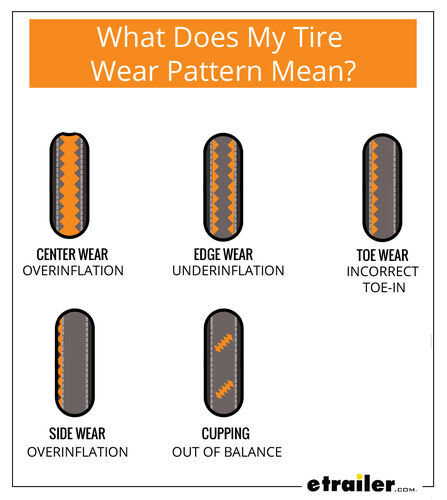
- Uneven tire wear (one side wears faster)
- Visible vibration in the trailer or towing vehicle
- Loose or worn bearings
- Frequent tire repairs
If you notice these, balancing can help solve the root problem.
How Much Does Balancing Trailer Tires Cost?
Costs vary depending on location and tire shop. Usually, balancing costs $10–$20 per tire. Some shops include balancing with new tire installation. It’s a small investment compared to the cost of tire replacements or suspension repairs.
| Service | Average Cost (USD) |
|---|---|
| Balancing (per tire) | $10–$20 |
| Wheel Alignment (optional) | $50–$100 |
| New Trailer Tire | $50–$150 |
| Wheel Bearing Replacement | $80–$200 |
Is Balancing Always Needed?
The truth is, not every trailer owner needs to balance tires, but it’s rarely a bad idea. For trailers used at high speeds, with heavy loads, or for longer trips, balancing is strongly recommended. For small, slow-speed utility trailers, it’s less critical, but still a good step for peace of mind.
Trailer Tire Vs. Car Tire: What’s Different?
Trailer tires (ST – Special Trailer) are built to carry heavy loads with stiff sidewalls. They’re not designed for steering or driving like car tires. This means vibration isn’t as noticeable, but the damage from imbalance can be just as serious.
| Feature | Trailer Tire (ST) | Car Tire |
|---|---|---|
| Sidewall Strength | Stiff for heavy load | Flexible for steering |
| Vibration Sensitivity | Low (not felt by driver) | High (felt in cabin) |
| Tread Design | Focus on durability | Focus on traction |
| Balancing Impact | Protects components | Improves ride comfort |

Credit: www.youtube.com
Practical Tips For Trailer Tire Balancing
- Balance new tires every time you install them.
- Check balance after hitting potholes or curb impacts.
- Rotate tires regularly to promote even wear.
- Inspect weights: Sometimes balance weights fall off. Check during routine maintenance.
- Choose dynamic balancing for highway use, static for slow-speed local hauling.
Is Diy Balancing Possible?
Some people use bubble balancers for simple static balancing at home. This is better than nothing, but not as accurate as professional machines. If you tow often, getting tires balanced by a shop is worth the extra cost.
Credit: www.youtube.com
Expert Opinions
Most tire and trailer experts recommend balancing for safety and long-term savings. The National Highway Traffic Safety Administration (NHTSA) advises regular tire care, including balancing, to prevent accidents.
If you’re unsure, ask your local tire shop. Many will balance trailer tires without extra charges if you buy tires from them.
Balancing And Trailer Maintenance
Balancing is part of good trailer care. Combine it with these steps:
- Check tire pressure before every trip.
- Inspect tread depth and condition.
- Grease wheel bearings regularly.
- Examine suspension parts for signs of wear.
Routine balancing helps you catch problems early and saves money in the long run.
Frequently Asked Questions
Should I Balance Trailer Tires For Short Trips?
If your trips are under 10 miles and at slow speeds, balancing is less critical. But if you plan to drive on highways or carry heavy loads, balancing is recommended.
Can I Feel Unbalanced Trailer Tires From The Driver’s Seat?
Usually, you won’t feel trailer vibrations unless the imbalance is severe. However, your towing vehicle may experience extra movement, especially at higher speeds.
How Often Should Trailer Tires Be Balanced?
Balance trailer tires whenever you install new tires, after major impacts, or if you notice uneven wear. For regular use, check balance once a year.
Are Trailer Tire Balancing Weights Different From Car Tire Weights?
No, most shops use the same types of weights. The process is similar, but always confirm with your tire shop to use the correct size and type for your wheels.
Where Can I Learn More About Safe Trailer Towing And Tire Care?
For detailed safety and maintenance guidelines, visit the official NHTSA tire safety page.
Making the choice to balance your trailer tires can save money, protect your cargo, and keep your trips stress-free. While it isn’t always required, it’s almost always beneficial — especially for those who tow often, drive at higher speeds, or value their trailer and its contents.
Balancing is a small investment with big returns in safety and peace of mind.