Humidity is something most drivers rarely think about when checking their tires. We know temperature affects tire pressure, but does humidity play a role too? For many, the answer seems simple: air is air, right? But the truth is more interesting. Humidity, the amount of water vapor in the air, can influence tire pressure in subtle ways. Understanding how humidity works with your tires can help you avoid common mistakes and keep your vehicle safe.
Let’s explore how humidity affects tire pressure, what really matters for drivers, and why most people overlook this detail. You’ll learn how to monitor your tires more accurately, avoid misunderstandings, and make smarter choices for tire care.
What Is Humidity, And How Does It Relate To Tire Pressure?
Humidity is the amount of water vapor in the air. It’s measured as a percentage, called relative humidity. For example, 100% humidity means the air is fully saturated with water vapor. Low humidity means the air is dry.
When you fill your tires, you usually use compressed air from a gas station or a home compressor. This air contains a mix of gases: mostly nitrogen and oxygen, plus a small amount of water vapor. The water vapor content depends on the humidity at the time and location where the air is compressed.
Tire pressure is measured in pounds per square inch (PSI). It tells you how much force the air inside your tire is pushing outward. Many factors influence tire pressure, including temperature, altitude, and yes—humidity.
How Humidity Changes The Air Inside Your Tires
You might ask: does humid air act differently inside the tire than dry air? The answer is yes, but the effect is not always obvious. Here’s why:
- Water vapor expands more than dry air when heated. As the temperature rises, the water molecules inside your tire become more active, increasing pressure faster than dry air would.
- If you fill your tire during a humid day, you’re adding more water vapor. This means your tire pressure will change more with temperature swings.
To see the difference, compare dry air to humid air in a tire:
| Type of Air | Pressure Change with Temperature | Stability |
|---|---|---|
| Dry Air (Low Humidity) | Moderate increase | More predictable |
| Humid Air (High Humidity) | Greater increase | Less predictable |
The expansion of water vapor becomes important when tires heat up during driving. It’s why some racing teams use pure nitrogen—because it’s dry and provides stable pressure.
The Science Behind Humidity And Tire Pressure
Let’s dive deeper into the physics. Air is made of different gases, and each gas responds to heat in its own way.
- Water vapor expands more than nitrogen or oxygen as temperature increases.
- The ideal gas law says: Pressure rises as temperature rises, and water vapor exaggerates this effect.
If your tire is filled with humid air, you might see a bigger pressure jump when your tire heats up compared to a tire filled on a dry day.
Here’s a data comparison:
| Humidity Level | Starting PSI (Cold Tire) | PSI after Driving (Warm Tire) | PSI Change |
|---|---|---|---|
| Low Humidity (20%) | 32 | 34 | +2 |
| High Humidity (80%) | 32 | 35 | +3 |
Notice that with high humidity, the PSI increases more after driving. While this difference seems small, it can matter for high-performance or sensitive vehicles.
Humidity Vs. Temperature: Which Matters More?
Most people worry about temperature rather than humidity. That’s because temperature causes bigger changes in tire pressure.
- A 10°F rise in temperature increases tire pressure by about 1 PSI.
- Humidity’s effect is smaller, but it can add to the pressure change.
So, if you fill your tires on a hot, humid day, you might get a double effect: heat raises pressure, and water vapor expands too.
But in daily driving, temperature changes (from day to night or cold to hot) are the main concern. Humidity becomes more important for:
- Racing vehicles
- Trucks carrying heavy loads
- Drivers in regions with extreme weather swings
Common Misconceptions About Humidity And Tire Pressure
Many believe that humidity makes a big difference for every driver. But that’s not always true. Here are some common myths:
- Myth: Humidity causes tires to explode.
- Reality: Humidity can raise pressure slightly, but it won’t cause a sudden blowout unless the tire is already damaged or over-inflated.
- Myth: All air compressors produce dry air.
- Reality: Most compressors do not remove water vapor. Unless they have a drying system, you’re adding humid air.
- Myth: Nitrogen is only for race cars.
- Reality: Many regular drivers use nitrogen for stable tire pressure. It’s dry and reduces humidity effects.
Practical Effects Of Humidity For Everyday Drivers
For most drivers, humidity’s impact on tire pressure is small but not zero. Here’s what you might notice:
- Pressure changes faster on humid days, especially after driving.
- Tires may lose air more quickly if water vapor condenses inside and escapes.
- If you travel between regions (humid to dry), your tire pressure can shift.
Some drivers notice their tires feel “bouncy” after filling them on a humid day and then driving in cooler weather.
Should You Worry About Humidity When Filling Tires?
In most cases, you don’t need to obsess about humidity. Here’s what really matters:
- Always check tire pressure when tires are cold (before driving).
- Try to fill tires during mild weather, not during extreme heat or humidity.
- If you want more stable pressure, ask for nitrogen filling at your service center.
If you drive a regular car and don’t push your tires to extremes, humidity is a minor concern. But for those who want precision, reducing humidity in tires can help.
Nitrogen Vs. Compressed Air: Which Is Better?
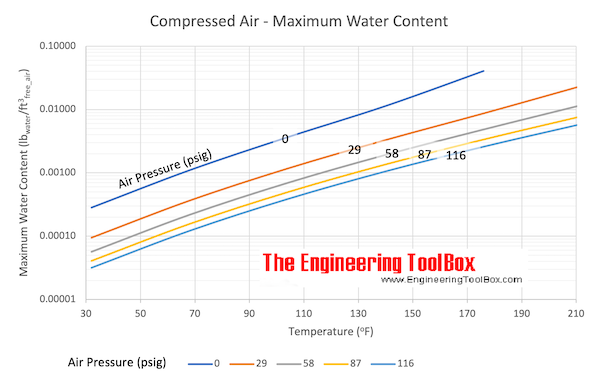
Many shops offer nitrogen tire filling. Why? Nitrogen is dry, and it doesn’t carry water vapor. This means:
- More stable pressure with temperature changes
- Less corrosion inside the tire and rim
- Fewer unexpected pressure shifts
Here’s a comparison:
| Filling Type | Humidity Level | Pressure Stability | Typical Use |
|---|---|---|---|
| Compressed Air | Variable (can be high) | Less stable | Most vehicles |
| Nitrogen | Near zero | Highly stable | Racing, sensitive vehicles |
Nitrogen isn’t magic, but it reduces humidity-related pressure changes. It’s also recommended for vehicles where tire pressure is critical.
Credit: barrystiretech.com
Real-world Examples And Data
Let’s look at some real-world situations:
- Racing teams use dry nitrogen to avoid pressure spikes during races.
- Truck fleets in humid regions report more tire pressure variation, especially after long drives.
- Airplane tires are filled with nitrogen to prevent moisture-related expansion and corrosion.
Data from the National Highway Traffic Safety Administration (NHTSA) shows that most passenger vehicles experience a 1-2 PSI pressure rise after driving, but humid air can add an extra 0.5 PSI. While this is not dangerous for most, it matters for those who need exact tire pressure.
If you want to learn more about air and tire pressure, you can check out this Wikipedia article about tire pressure.
How To Minimize Humidity’s Impact On Your Tires
Here are some practical tips:
- Check tire pressure regularly, especially during weather changes.
- Use a reliable gauge that shows PSI accurately.
- If you want to avoid humidity, ask for nitrogen filling at your tire shop.
- Avoid filling tires immediately after rain or during high humidity if you want stable pressure.
- Understand your vehicle’s recommended PSI and check the manual.
Most tire shops don’t have drying systems, so compressed air is usually humid. Nitrogen is dry and offers more consistent results.

Credit: www.greatwater360autocare.com
Non-obvious Insights For Beginners
- Water vapor can condense inside your tire when temperatures drop. This can cause tiny drops of water to form, which may lead to rust on the rim if your tires are old or damaged.
- Humidity affects tire sensors: Modern cars use tire pressure sensors. If humidity inside the tire changes quickly, the sensor can give false readings or warnings.
Many beginners assume tire pressure is only about air, but humidity changes how your tires behave, especially with sudden temperature shifts.
Frequently Asked Questions
Does Humidity Affect Tire Pressure More Than Temperature?
Temperature has a bigger effect on tire pressure than humidity. Humidity adds a small extra change, but it’s usually less than 1 PSI. Temperature shifts are the main cause of pressure changes.
Should I Use Nitrogen To Fill My Tires?
Nitrogen is dry and offers stable pressure. It’s useful if you want less humidity inside your tires. For everyday driving, regular air is fine, but nitrogen is a good choice for high-performance or sensitive vehicles.
Can Humidity Cause Tire Sensors To Malfunction?
Yes, sudden humidity changes inside the tire can affect tire pressure sensors. If water vapor condenses and then expands, sensors may show incorrect readings. Keeping tire air dry helps sensors work accurately.
Will My Tire Pressure Change If I Drive From A Humid Region To A Dry One?
It’s possible. If you fill your tires in a humid place, then drive to a dry area, the water vapor inside may condense or escape, changing your tire pressure slightly. Always check pressure after traveling long distances.
Is It Dangerous To Fill Tires During High Humidity?
It’s not dangerous for most vehicles, but high humidity means more water vapor in your tires. This can cause extra pressure changes and, in rare cases, rust inside the rim. If you want stable pressure, fill tires during dry weather or use nitrogen.
Keeping your tires healthy isn’t just about checking the PSI. Knowing how humidity and other factors play a role helps you make better decisions, avoid common mistakes, and drive safely. Most drivers don’t need to worry too much about humidity, but understanding its effects can give you an edge—especially if you want your tires to last longer and perform better.

Credit: autoworx.shop