Choosing the right wheelbarrow tire can make a huge difference in your work. You want something reliable that won’t slow you down or leave you stranded.
Should you go for a flat free tire or a pneumatic one? Each has its own strengths and weaknesses, and your choice affects how smoothly your wheelbarrow rolls, how much effort you need, and how often you deal with maintenance.
Keep reading to discover which tire suits your needs best and how to get the most out of your wheelbarrow every time you use it.
Types Of Wheelbarrow Tires
Wheelbarrow tires come in two main types: flat free and pneumatic. Each type offers unique benefits and suits different tasks. Choosing the right tire helps improve your work efficiency and comfort.
Characteristics Of Flat Free Tires
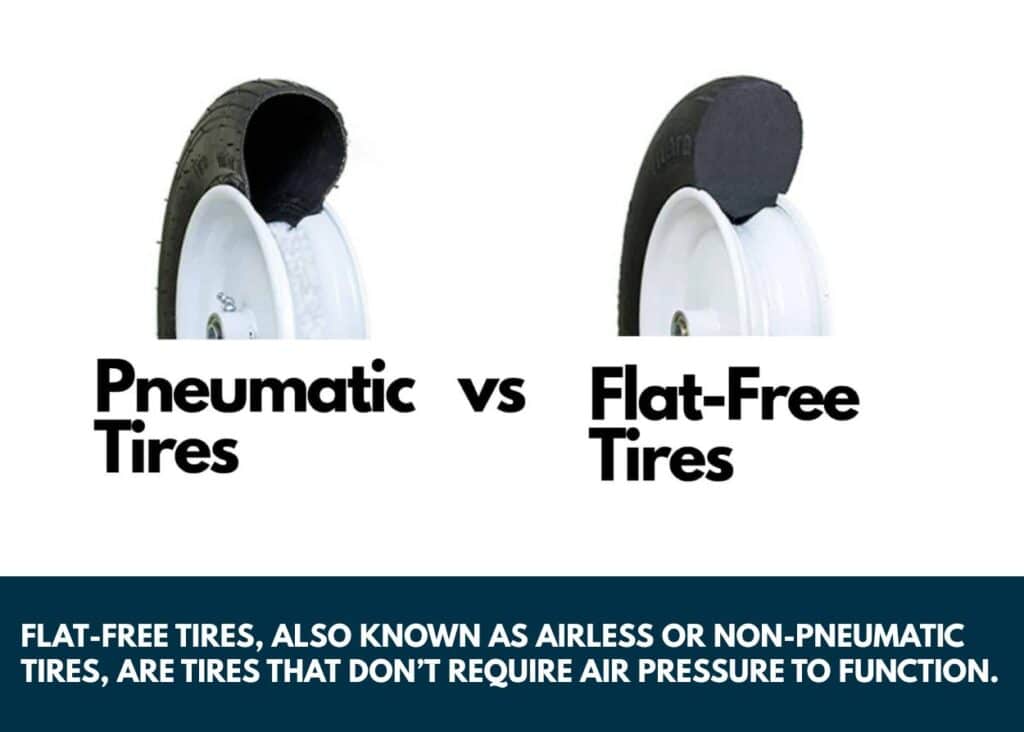
Flat free tires never go flat. They are made from solid rubber or foam-filled materials. This makes them durable and low maintenance. These tires handle rough surfaces well. They provide steady balance without the risk of punctures. Flat free tires are heavier than pneumatic ones. They work best on smooth or hard terrain.
Features Of Pneumatic Tires
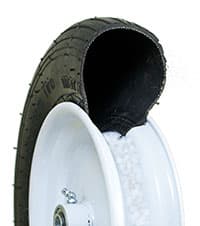
Pneumatic tires are filled with air. They offer a soft, smooth ride by absorbing shocks. These tires improve traction on uneven or soft ground. Pneumatic tires are lighter than flat free tires. They require regular maintenance to check air pressure. Punctures can happen, but they are easier to fix. Ideal for outdoor gardening and construction work.
Credit: lappwagons.com
Durability Factors
Durability is a key factor when choosing between flat free and pneumatic wheelbarrow tires. It affects how long the tire lasts and how well it handles different conditions. Understanding durability helps you pick the right tire for your work needs.
Resistance To Punctures
Flat free tires resist punctures better than pneumatic tires. They are made from solid rubber or foam, so nails and sharp objects cause no harm. Pneumatic tires, filled with air, can get punctured and go flat. This makes flat free tires a strong choice for rough job sites.
Longevity Under Heavy Loads
Flat free tires handle heavy loads without losing shape. They do not need constant air pressure checks. Pneumatic tires can wear faster under heavy weight and may need more maintenance. For carrying heavy materials, flat free tires last longer and stay reliable.
Performance On Rough Terrain
Pneumatic tires absorb shocks better on bumpy or uneven surfaces. They provide a smoother ride and reduce strain on the user. Flat free tires are tougher but less flexible. On very rough terrain, pneumatic tires offer better comfort and control.
Maintenance Needs
Maintenance needs vary between flat free and pneumatic wheelbarrow tires. Knowing these needs helps you keep your wheelbarrow in good shape. Proper care extends tire life and improves performance. Understanding upkeep requirements saves time and money.
Upkeep For Flat Free Tires
Flat free tires need little maintenance. They do not require air checks or refills. Clean the tires regularly to remove dirt and debris. Inspect for cracks or damage often. Replace the tire if you see significant wear. These tires offer consistent performance with minimal effort.
Care For Pneumatic Tires
Pneumatic tires need regular air pressure checks. Use a pressure gauge to keep the right level. Look for punctures or leaks after use. Patch small holes quickly to avoid flats. Clean the tires to prevent buildup of mud or stones. Proper care keeps the tire soft and easy to roll.

Credit: kidscowboydentistry.com
Comfort And Handling
Comfort and handling are key factors in choosing a wheelbarrow tire. These affect how easy and smooth your work will be. A good tire reduces strain on your body and helps control the load better. Both flat free and pneumatic tires offer different experiences in comfort and handling. Understanding these differences helps pick the right tire for your tasks.
Shock Absorption Comparison
Pneumatic tires are filled with air. This makes them soft and able to absorb bumps well. They cushion the ride over rough ground. This means less shaking and jarring for your arms and back. Flat free tires, made from solid rubber or foam, have less give. They do not absorb shocks as well. You feel more bumps through the handles. This can cause more fatigue during long jobs.
Maneuverability Differences
Pneumatic tires offer better grip and roll smoothly on uneven surfaces. This makes steering easier and more precise. They adapt to small obstacles and keep the wheelbarrow steady. Flat free tires are harder and less flexible. They may skip or bounce on rough terrain. This reduces control and can make steering harder. Flat free tires work best on smooth, flat surfaces where less movement is needed.
Cost And Value
The cost and value of wheelbarrow tires matter a lot when choosing between flat free and pneumatic options. Understanding the price differences helps in making a smart buy. The right tire can save money and effort over time.
Initial Purchase Price
Flat free tires usually cost more at the start. They use solid rubber or foam, which makes them tougher. Pneumatic tires are cheaper to buy. They look like car tires and need air inside. The lower price of pneumatic tires attracts many buyers.
Long-term Cost Efficiency
Flat free tires last longer without needing repairs. No air means no flats or punctures. This saves money on replacements and fixes. Pneumatic tires need air checks and can get holes. Repair costs add up over time. Flat free tires offer better value for regular users.
Best Use Cases
Choosing the right tire for your wheelbarrow depends on where and how you will use it. Each tire type has its own strengths. Knowing the best use cases helps you pick the right one. This guide explains ideal conditions for flat free tires and situations suited for pneumatic tires.
Ideal Conditions For Flat Free Tires
Flat free tires work best on rough, sharp surfaces. They do not get punctures or go flat. These tires suit construction sites with nails and debris. They perform well on rocky or uneven ground. Flat free tires need little maintenance. They last longer without air pressure checks. These tires are perfect for heavy loads on hard surfaces. They offer stable support and reduce downtime.
Situations Suited For Pneumatic Tires
Pneumatic tires provide better cushioning and grip. They are ideal for soft, uneven, or muddy terrain. These tires absorb shocks and make pushing easier. Gardeners and landscapers prefer pneumatic tires for comfort. They work well on grass, dirt, or sand. Pneumatic tires adjust to surface changes smoothly. They require regular air pressure checks to avoid flats. These tires improve maneuverability on rough outdoor paths.
Credit: lappwagons.com
Frequently Asked Questions
What Are The Main Differences Between Flat Free And Pneumatic Tires?
Flat free tires are solid and puncture-proof, requiring no air. Pneumatic tires are air-filled, offering better shock absorption and smoother rides but can puncture.
Which Tire Type Is Better For Rough Terrain?
Pneumatic tires perform better on rough terrain due to their cushioning effect. Flat free tires are less comfortable but more durable on sharp debris.
How Do Flat Free Tires Affect Wheelbarrow Maintenance?
Flat free tires need minimal maintenance since they don’t puncture or lose air. Pneumatic tires require regular inflation and patching for punctures.
Are Pneumatic Tires More Prone To Flats Than Flat Free Tires?
Yes, pneumatic tires are susceptible to flats from nails and sharp objects. Flat free tires eliminate this risk entirely, offering hassle-free use.
Conclusion
Choosing between flat free and pneumatic wheelbarrow tires depends on your needs. Flat free tires do not need air and resist punctures well. Pneumatic tires offer a smoother ride on rough ground. Consider where you will work and how much comfort you want.
Both types have pros and cons to weigh carefully. Think about durability, maintenance, and ease of use before deciding. The right tire makes your work easier and safer. Choose what fits your tasks best. Simple and smart choices lead to better results.