Every car owner knows that small dashboard warnings can cause big worries. One of the most common alerts is the tire pressure warning light. It usually means your Tire Pressure Monitoring System (TPMS) has noticed something wrong. But sometimes, even after you fix the tire pressure, the light stays on. This can feel confusing and frustrating. Learning how to reset the TPMS is simple once you understand the steps. It’s important for your safety, fuel economy, and the life of your tires. This guide explains what TPMS is, why resetting matters, step-by-step instructions, and common mistakes to avoid. Whether you drive an older car or a modern SUV, you’ll find clear answers here.
What Is A Tire Pressure Monitoring System (tpms)?
The TPMS is a safety feature that checks your tire pressure. When the pressure drops below a safe level, the system alerts you with a warning light on your dashboard. There are two main types of TPMS:
| Type | How It Works | Common Vehicles |
|---|---|---|
| Direct TPMS | Sensors inside each tire measure pressure and send data to the car’s computer. | Most modern cars (after 2007) |
| Indirect TPMS | Uses wheel speed sensors to detect pressure changes based on tire rotation. | Some European brands, older models |
Direct TPMS is more accurate because it gives real-time readings for each tire. Indirect TPMS is less expensive but can be less precise, especially after tire changes.
Why Resetting Tpms Is Important
Resetting your TPMS is not just about turning off a warning light. It’s about making sure your system works correctly. If the system isn’t reset after you fix the tire, it may:
- Give false alerts
- Fail to detect real problems
- Impact your driving safety
The National Highway Traffic Safety Administration (NHTSA) says underinflated tires cause over 11,000 crashes each year in the US. TPMS helps prevent these accidents by keeping you informed. If your TPMS light stays on, your system might miss new issues.

Credit: www.akinsford.com
When Should You Reset The Tpms?
You need to reset your TPMS in these situations:
- After inflating your tires to the correct pressure
- After rotating or replacing tires
- After installing new TPMS sensors
- If the TPMS warning light stays on for no clear reason
Some cars reset automatically, but many need manual steps. Always check your owner’s manual for special instructions.
Step-by-step Guide: How To Reset Your Tpms
Resetting the TPMS is usually easy, but the process depends on your car. Here’s a general guide that works for most vehicles:
1. Check Tire Pressure
Start by measuring each tire with a tire pressure gauge. Compare the readings to your car’s recommended pressure, usually found on a sticker inside the driver’s door.
| Vehicle Type | Typical Tire Pressure (PSI) |
|---|---|
| Compact car | 32-35 PSI |
| SUV | 35-40 PSI |
| Truck | 40-45 PSI |
Always check when tires are cold. Hot tires can show higher readings.
2. Inflate Or Deflate Tires
Adjust each tire to the correct pressure. Don’t forget the spare tire—some cars have TPMS sensors in the spare.
3. Start Your Car
Turn the ignition to the “ON” position, but don’t start the engine. Wait for a few seconds so the computer can read the sensors.
4. Press The Tpms Reset Button
Many cars have a small TPMS reset button. It’s often located under the dashboard, near the steering wheel, or inside the glove box.
- Press and hold the button until the TPMS light blinks three times.
- Release the button.
- Start the engine and drive for 10–30 minutes at speeds above 20 mph.
This helps the system recalibrate.
5. Use The Car’s Menu System
Some newer cars let you reset TPMS using the touchscreen or dashboard menu:
- Go to the settings menu
- Find TPMS or Tire Pressure
- Select Reset or Relearn
Follow the on-screen instructions.
6. Drive To Complete The Reset
After pressing the reset button or using the menu, drive your car for at least 10 minutes. This lets the sensors relearn the correct pressure.
7. Check If The Warning Light Turns Off
If the light stays on, repeat the steps. If it still doesn’t work, you may need to check for:
- Faulty sensors
- Dead sensor batteries
- System errors
Resetting Tpms: Common Mistakes To Avoid
Many drivers make simple errors when resetting their TPMS. Avoid these pitfalls:
- Ignoring the spare tire: Some vehicles have sensors in the spare.
- Not using a reliable pressure gauge: Cheap gauges can give false readings.
- Skipping the drive step: The system usually needs driving time to finish resetting.
- Overfilling tires: Too much air can cause the TPMS to alert again.
- Not checking for sensor damage: After tire changes, sensors can break or get disconnected.
Tpms Reset Methods By Car Brand
Different brands have their own reset methods. Here are examples for popular brands:
Toyota
- Inflate tires to correct pressure
- Turn ignition ON, press and hold TPMS reset button until light blinks
- Drive for 10–30 minutes
Honda
- Use the dashboard menu: Go to “Settings,” select “TPMS Calibration,” and follow steps
- Drive for at least 10 minutes
Ford
- Inflate tires
- Turn ignition ON, press brake pedal, cycle ignition OFF/ON three times
- Horn sounds to confirm reset
Chevrolet
- Inflate tires
- Use menu system to find “Tire Learning Active”
- Follow on-screen instructions
Hyundai
- Inflate tires
- Press and hold TPMS button until light blinks
- Drive to complete reset
For other brands, check the owner’s manual or visit a dealer.
What If The Tpms Light Stays On After Reset?
If you’ve tried all steps and the light stays on:
- Check sensor batteries: Sensors have small batteries that can die after 5–10 years.
- Look for damaged sensors: Tire shops sometimes break sensors during installation.
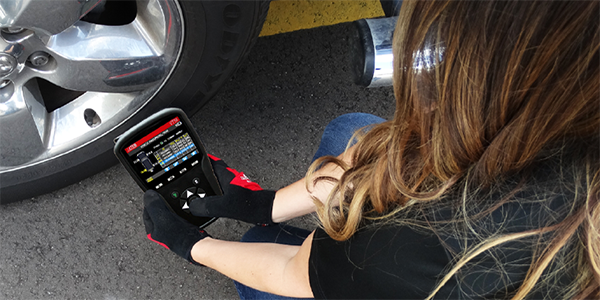
- Scan the system: Some auto shops have TPMS scanning tools to read error codes.
- Update your car’s software: Rare, but some cars need software updates to fix TPMS bugs.
In rare cases, a full system reset may require special tools.
Quick Comparison: Manual Vs Automatic Tpms Reset
Some cars reset TPMS automatically, others need manual steps. Here’s a comparison:
| Reset Type | How It Works | Common Brands | Effort Required |
|---|---|---|---|
| Manual Reset | Press button or use menu | Toyota, Hyundai, Ford | Medium |
| Automatic Reset | System resets after driving | Honda, BMW, Mercedes | Low |
Knowing your car’s method saves time and prevents frustration.
Credit: www.youtube.com
Tpms And Seasonal Changes
Temperature changes can affect tire pressure. For example, in winter, pressure drops about 1 PSI for every 10°F decrease. This means your TPMS may alert more often. It’s a good idea to check tire pressure monthly, especially when seasons change.
Tpms Sensor Replacement: What To Expect
If your sensors are faulty or batteries are dead, you may need replacements. New sensors cost $50–$150 each. Labor costs are extra. Most sensors last 5–10 years. When replacing, always ask the shop to reset the system.
Credit: www.tirereview.com
Advanced Tips For Tpms Troubleshooting
Some issues are not obvious. Here are expert tips:
- Scan for codes: Many auto shops offer free TPMS scans.
- Check sensor IDs: Each sensor has a unique ID. If tires are rotated or replaced, the system may not recognize them until you reset.
- Update firmware: For tech-savvy owners, updating your car’s firmware can fix strange TPMS problems.
How Tpms Helps Your Safety And Savings
TPMS is more than a comfort feature. Studies show that proper tire pressure can improve fuel economy by up to 3%, and extend tire life by 10%. It also helps prevent blowouts and improves handling.
If your TPMS is working, you know your tires are safe. If not, you risk poor performance and unexpected repairs.
Frequently Asked Questions
What Does The Tpms Warning Light Mean?
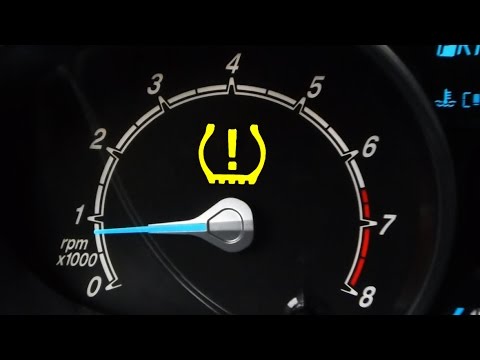
The TPMS warning light means at least one tire has low pressure. It can also signal a problem with the sensors or system. Always check your tires first, then reset the system.
Can I Drive With The Tpms Light On?
It’s not safe to ignore the light. Low tire pressure can cause poor handling, reduce fuel efficiency, and lead to tire damage. Fix the problem as soon as possible.
Do I Need A Special Tool To Reset Tpms?
Most cars do not need a special tool. You can reset with a button or the car’s menu. Some newer vehicles and certain brands may require a TPMS scan tool for advanced resets.
How Often Should I Check My Tire Pressure?
Experts recommend checking tire pressure at least once a month and before long trips. Seasonal changes can affect pressure, so check more often in cold or hot weather.
Where Can I Find More Information About Tpms?
For detailed info and safety tips, visit the official National Highway Traffic Safety Administration site.
Resetting your TPMS keeps your car safe and efficient. With these clear steps and tips, you’ll avoid common mistakes and make sure your system works every time. If you ever have trouble, don’t hesitate to ask a trusted mechanic or dealer.
Your safety on the road starts with good tire care.