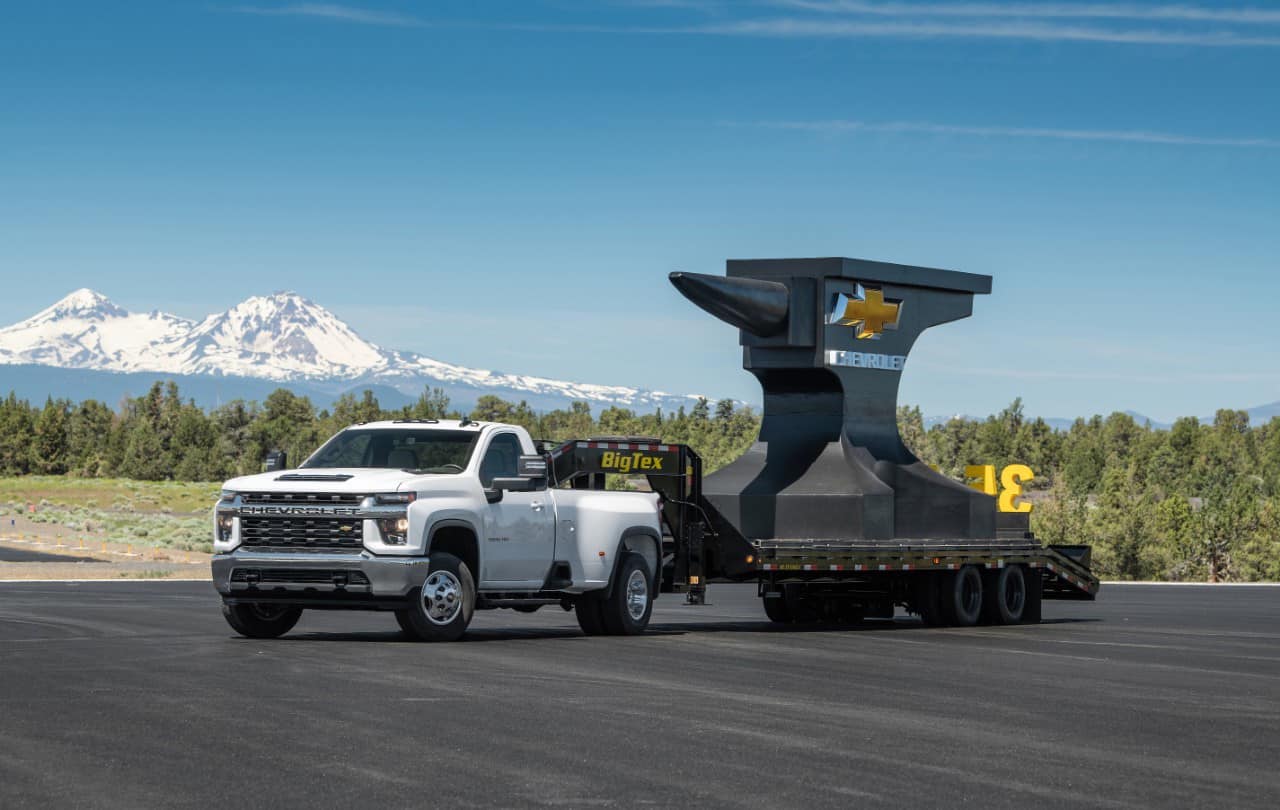
If you own a Chevy 3500 or are thinking about getting one, you probably want to know how much it can tow. Whether you’re hauling a trailer, a boat, or heavy equipment, knowing your truck’s towing capacity is key to staying safe and getting the job done right.
You’ll discover exactly how much weight your Chevy 3500 can handle, what factors affect its towing power, and tips to make towing easier and safer. Keep reading to unlock the full potential of your truck and tow with confidence every time.

Credit: www.hendrickchevrolet.com
Chevy 3500 Towing Basics
The Chevy 3500 is built for tough jobs. It handles heavy loads with ease. Understanding its towing basics helps you use it safely and efficiently.
This truck combines power, durability, and smart design. Each part plays a role in towing capacity. Let’s break down the key elements.
Engine Options
The Chevy 3500 offers different engines. Each engine affects towing strength. The gas V8 engine delivers solid power for most tasks.
The diesel engine provides more torque. It handles heavier trailers and long hauls better. Choosing the right engine depends on your towing needs.
Transmission Types
Transmission moves power from the engine to the wheels. The Chevy 3500 comes with manual and automatic options. Automatic transmissions are common and easy to use.
They shift gears smoothly, improving towing control. Manual transmissions give more control over power. They can be helpful in difficult towing conditions.
Chassis And Frame Strength
The frame supports the truck’s weight and the load it tows. The Chevy 3500 has a strong, reinforced frame. This frame resists bending and twisting under heavy loads.
The chassis design helps distribute weight evenly. This improves stability and safety while towing. A strong frame is essential for high towing capacity.
Towing Capacity By Model Year
The towing capacity of the Chevy 3500 varies across different model years. This section breaks down the towing power for early models, mid-2000s updates, and recent versions. Understanding these changes helps buyers and owners know what to expect from each generation.
Early Models
Chevy 3500 trucks from the 1990s to early 2000s offered solid towing abilities. These models usually towed between 10,000 and 12,000 pounds. They featured strong V8 engines and durable frames. These trucks were perfect for heavy-duty tasks like hauling trailers or boats.
Mid-2000s Updates
In the mid-2000s, Chevy improved the 3500’s towing capacity. Engine upgrades increased power and efficiency. These models could tow around 12,000 to 14,000 pounds. New safety features and better suspension helped with heavier loads. This made the trucks more reliable for tough towing jobs.
Recent Versions
Recent Chevy 3500 models offer the highest towing capacities. Some versions tow up to 23,000 pounds or more. Advanced engines and stronger frames support this increase. Modern technology improves control and safety while towing. These trucks meet the needs of heavy-duty users and professionals.
Factors Affecting Towing Limits
Understanding the towing limits of a Chevy 3500 requires knowing several key factors. These factors change how much weight the truck can safely pull. Knowing them helps avoid damage and keeps you safe on the road.
Towing limits are not fixed numbers. They depend on the truck’s load, the trailer type, and the environment. Each plays a big role in what your Chevy 3500 can handle.
Payload Vs. Towing
Payload is the weight your truck carries inside, including passengers and cargo. Towing is the weight pulled behind on a trailer. Both affect the truck’s performance.
High payload reduces towing capacity because the truck has to handle more weight overall. Balancing payload and towing is important. Overloading one lowers the limit for the other.
Trailer Types
Different trailers affect towing limits differently. Enclosed trailers weigh more than open ones. This reduces how much the truck can tow.
Some trailers have brakes, which help control and reduce strain on the truck. Others do not, which limits safe towing weight. Knowing your trailer type helps set safe limits.
Environmental Conditions
Weather and terrain also change towing capacity. Hot weather can cause engine overheating, lowering towing power. Cold weather affects tire grip and engine start.
Hills and rough roads add stress to the truck. Uphill towing uses more power and reduces safe weight limits. Flat and smooth roads allow higher towing capacity.
Trailer Brake And Hitch Requirements
Towing with a Chevy 3500 needs the right trailer brake and hitch setup. These parts help control the trailer safely. Understanding the rules for brakes and hitches keeps you and others safe on the road.
Different trailers need specific brakes and hitch types. Using the correct system stops accidents and damage. Let’s explore what you must know about these requirements.
Brake Systems
Trailer brakes help slow down the trailer. They work with the truck’s brakes to stop smoothly. Most trailers over 3,000 pounds must have electric or hydraulic brakes. The Chevy 3500 usually needs a brake controller inside the truck. This controller sends power to the trailer brakes.
Electric brakes are common for many trailers. They use magnets to press the brake shoes. Hydraulic brakes use fluid pressure, mostly for heavy trailers. The brake system must match the trailer’s weight for safe towing.
Hitch Classes
Hitches connect the trailer to your Chevy 3500. They come in different classes based on weight capacity. Class III and IV hitches suit the Chevy 3500 well. Class III handles up to 8,000 pounds. Class IV can tow up to 10,000 pounds or more.
Choose a hitch that matches the trailer’s weight. Using a lower class hitch can cause accidents. The hitch must fit the truck’s receiver size perfectly. Secure installation is critical for safe towing.
Safety Chains And Wiring
Safety chains keep the trailer attached if the hitch fails. Always cross the chains under the hitch. This prevents the trailer from hitting the ground. The chains should be strong enough for the trailer weight.
Wiring connects the trailer lights to your Chevy 3500. Proper wiring ensures brake lights and turn signals work. This helps other drivers see your trailer’s moves. Check wiring for damage before every trip.
Maximizing Chevy 3500 Tow Capacity
Maximizing the tow capacity of your Chevy 3500 helps you pull heavier loads safely. It improves stability and protects your truck from damage. Small changes can make a big difference in towing performance.
Understanding how to enhance your truck’s setup ensures better control on the road. This section covers key ways to boost your Chevy 3500’s towing ability.
Upgrading Suspension
Stronger suspension supports heavier trailers without sagging. It keeps the truck level and improves handling. Consider adding heavy-duty springs or air suspension kits. These upgrades reduce stress on the frame and tires. A firm suspension also helps with braking and cornering.
Using Tow Packages
Tow packages include features made for pulling heavy loads. They often add cooling systems, hitch receivers, and wiring harnesses. These parts help the truck handle extra heat and power needs. Installing a tow package enhances safety and efficiency. It also simplifies trailer connections.
Proper Weight Distribution
Even weight spread prevents swaying and improves control. Use weight distribution hitches to balance the load between axles. This reduces strain on the rear suspension and tires. Proper loading helps the Chevy 3500 drive straighter and stops safer. Always check tongue weight and trailer balance before towing.
Credit: tractionlife.com
Common Towing Mistakes To Avoid
Towing with a Chevy 3500 requires care and attention. Many drivers make common mistakes that reduce safety and damage their truck. Avoiding these errors keeps your vehicle and trailer safe. It also makes your trip smoother and less stressful.
Overloading Risks
Overloading the Chevy 3500 is dangerous. It strains the engine, brakes, and suspension. Too much weight can cause loss of control. Always check your truck’s towing capacity. Stay under the recommended limit to prevent accidents and wear.
Improper Hitching
Incorrect hitching leads to trailer sway and detachment. Make sure the hitch is the right type and size. Secure it tightly to the truck. Use safety chains and check connections before driving. Proper hitching keeps the trailer stable on the road.
Ignoring Maintenance
Neglecting truck maintenance harms towing performance. Regularly inspect brakes, tires, and lights. Check fluid levels and engine health. Well-maintained trucks handle towing better and last longer. Maintenance prevents breakdowns and costly repairs.
Real-world Towing Scenarios
The Chevy 3500 is a strong truck built for tough tasks. Knowing how much it can tow helps you use it well. Real-world towing shows the truck’s power and limits. It guides you in choosing the right load. Here are some common towing situations for the Chevy 3500.
Towing Boats And Rvs
The Chevy 3500 handles boats and RVs with ease. It can tow large boats for fishing or fun. RV towing lets you travel with comfort. Check the boat or RV weight before hooking up. Keep the load within the truck’s towing limit. Secure the trailer and use proper brakes. This keeps your trip safe and smooth.
Hauling Heavy Equipment
This truck hauls heavy equipment like construction tools and machinery. It can pull loaders, excavators, or generators. Make sure the equipment weight matches the truck’s capacity. Use strong chains and tie-downs to hold gear tight. Keep weight balanced to avoid truck strain. Proper hauling protects your truck and gear.
Long-distance Towing Tips
Towing far needs extra care and planning. Check tire pressure and brakes before the trip. Drive slower and keep a safe distance from others. Stop often to rest and inspect the load. Use mirrors to watch the trailer at all times. Planning helps avoid breakdowns and keeps you safe on roads.
Comparing Chevy 3500 With Competitors
Comparing the Chevy 3500 with its top competitors helps understand its towing strength. Each truck offers unique features and power that suit different needs. Knowing their towing capacities shows which truck fits best for heavy-duty tasks.
Ford F-350
The Ford F-350 is a strong contender in heavy towing. It offers a maximum towing capacity close to 21,000 pounds. Its powerful engine options give it good performance for big trailers. The F-350 is known for solid build quality and reliability.
Ram 3500
The Ram 3500 impresses with its high towing capability. It can tow up to 35,100 pounds with the right setup. Ram’s diesel engine delivers excellent torque for tough jobs. Its comfortable interior also makes long trips easier for drivers.
Gmc Sierra 3500
The GMC Sierra 3500 matches well with Chevy in many ways. It provides towing capacity near 23,000 pounds depending on the engine. The Sierra has strong frame design to handle heavy loads safely. It also includes useful tech for towing assistance.

Credit: www.sunsetchevrolet.com
Frequently Asked Questions
What Is The Towing Capacity Of A Chevy 3500?
The Chevy 3500 can tow between 14,500 to 18,500 pounds. Exact capacity depends on engine type and configuration. Always check your specific model’s towing guide for accuracy.
How Does Engine Type Affect Chevy 3500 Towing?
Different engines impact towing capacity. The Duramax diesel engine offers higher towing power than gasoline engines. Choosing the right engine boosts your towing efficiency.
Can A Chevy 3500 Tow A Fifth-wheel Trailer?
Yes, the Chevy 3500 can tow fifth-wheel trailers. It offers strong payload and towing capabilities, ideal for heavy trailers and RVs.
What Factors Limit Chevy 3500 Towing Capacity?
Towing limits depend on axle ratio, cab style, and drivetrain. Payload and hitch type also affect towing. Always consider these before towing heavy loads.
Conclusion
The Chevy 3500 offers strong towing power for many tasks. It can haul heavy loads safely when used right. Knowing its limits helps protect your truck and cargo. Always check the truck’s manual for exact numbers. Proper hitch and brake setup improve towing safety.
Regular maintenance keeps your Chevy ready for tough jobs. This truck suits those needing reliable towing every day. Choose the right model and equipment for your needs. Towing with care ensures a smooth and safe ride.