When you tow a trailer, safety and reliability depend on many things — but trailer tires are one of the most important. Many people wonder: “How often should trailer tires be replaced?” The answer isn’t simple, because tire life depends on usage, storage, maintenance, and even the weather. If you ignore your tires, you risk blowouts, accidents, and expensive repairs. This article explains how often you should change trailer tires, what affects their lifespan, and how to spot warning signs before it’s too late.
Why Trailer Tires Matter
Trailer tires are different from regular car tires. They carry heavier loads, face more stress, and often sit unused for long periods. Unlike passenger car tires, trailer tires are built to support weight, resist swaying, and handle sharp turns. If a trailer tire fails, it can cause loss of control, damage to your cargo, or even serious accidents. That’s why understanding tire replacement is essential for every trailer owner.
Another unique aspect of trailer tires is their construction. Most trailer tires use stiffer sidewalls and different tread patterns, designed to provide stability while carrying heavy loads. This extra strength helps prevent the trailer from fishtailing or swaying, especially when you drive at highway speeds or take turns.
Also, trailer tires often face more harsh conditions, like being parked outdoors for months or exposed to direct sunlight, which can weaken the rubber faster than car tires.
Average Lifespan Of Trailer Tires
Most experts agree that trailer tires last between 3 to 6 years. However, this is not a strict rule. Some tires may wear out faster, while others last longer. Factors like mileage, storage, and exposure to sunlight can all influence tire life.
A typical trailer tire will cover about 5,000 to 12,000 miles before needing replacement. If your trailer sits unused for months, age becomes more important than mileage. Even if tread looks good, old tires can develop cracks or lose strength.
Trailer tires degrade for reasons beyond visible wear. Ozone in the air and chemicals on the road can slowly break down the rubber, especially if the trailer is parked near factories or highways. In some cases, tires stored in humid places develop mold or internal moisture, which weakens the structure.
If you notice that your tires have changed color or feel brittle, it’s a sign the materials are breaking down.
Here’s a simple table showing average tire lifespan based on usage:
| Usage Type | Expected Lifespan | Mileage Range |
|---|---|---|
| Heavy Commercial | 3 Years | 5,000–8,000 miles |
| Frequent Recreational | 4 Years | 8,000–10,000 miles |
| Occasional Use | 5–6 Years | 10,000–12,000 miles |
Signs That Trailer Tires Need Replacement
You should not rely only on age or mileage. Here are some warning signs that your trailer tires need changing:
- Cracks and Dry Rot: Check for small cracks on the sidewall or tread. Dry rot means the rubber is breaking down.
- Bulges or Blisters: Bulges are signs of internal damage and can cause blowouts.
- Uneven Wear: If one part of the tire wears faster, your trailer may have alignment or suspension issues.
- Tread Depth: Use a penny. If you can see all of Lincoln’s head, the tread is too low (less than 2/32 inch).
- Vibration or Noise: If your trailer shakes or tires make strange sounds, they may be damaged.
- Visible Cord or Fabric: If the tire’s inner material shows, it’s unsafe.
Some trailer tires develop “cupping,” which means parts of the tread are higher than others. This is usually caused by bouncing, suspension problems, or poor inflation. If you notice cupping, it’s best to change the tires and check the trailer’s suspension.
Ignoring these signs is risky. Many accidents happen because trailer tires fail unexpectedly. Always check tires before every trip.
Factors Affecting Trailer Tire Lifespan
1. Storage Conditions
Where you keep your trailer matters. Sunlight, rain, and extreme temperatures shorten tire life. UV rays break down rubber, causing cracks. Storing trailers on grass or dirt increases moisture and rot.
Tips:
- Store trailers indoors or use tire covers.
- Keep tires off wet surfaces.
If indoor storage is not possible, placing a barrier like wood or concrete under the tires can help. This prevents direct contact with moist ground and slows down rot. Also, tires stored outdoors should be checked more often, as weather can change quickly and damage may happen without warning.
2. Load And Weight
Trailer tires have a maximum load rating. Exceeding this makes tires heat up and wear faster. Overloading also causes uneven wear.
Tips:
- Know your trailer’s weight.
- Use tires rated for your load.
A common mistake is forgetting to include cargo weight when calculating load. For example, if your trailer can carry 3,000 pounds, and your tires are rated for 750 pounds each, you must include the weight of everything loaded — not just the trailer itself.
3. Speed And Driving Style
Trailer tires are made for moderate speeds (usually 65 mph max). Driving faster or taking sharp turns stresses the tires.
Tips:
- Drive within speed limits.
- Avoid sudden stops and turns.
Long trips at high speeds, or driving on rough roads, can cause faster tread wear and heat buildup. If you notice the tires getting hot after a drive, give them time to cool before parking or storing.
4. Maintenance Habits
Tires last longer with proper care. Regular inspections, cleaning, and correct inflation are key.
Tips:
- Check tire pressure monthly.
- Rotate tires if possible.
- Clean tires to remove debris and chemicals.
Many people ignore tire rotation for trailers, but rotating tires helps even out wear, especially if you have a dual axle. Also, using a tire gauge is better than “eyeballing” pressure, since under-inflated tires often look normal but are unsafe.
5. Weather And Climate
Hot climates speed up rubber aging. Cold weather can cause tires to crack. If you live in an area with extreme conditions, replace tires more often.
Salted roads in winter can also damage tires. After winter use, wash tires with water to remove salt and chemicals. This simple step prevents hidden damage that weakens tires.

Credit: mechanicalelements.com
How To Check Trailer Tire Age
Every tire has a DOT code on its sidewall. This code shows when the tire was made. Look for a four-digit number at the end. For example, “2318” means the tire was made in week 23 of 2018.
If your tires are over 6 years old, replace them even if they look fine. Rubber loses strength with age, increasing risk.
Some tires have the DOT code on the inner sidewall, so you may need to crawl under the trailer or remove the tire to read it. This small effort can save you from major trouble later.
Here’s a quick guide to reading tire age:
| DOT Code Example | Manufacture Date | Replacement Recommendation |
|---|---|---|
| 1019 | Week 10, 2019 | Replace by 2025 |
| 2517 | Week 25, 2017 | Replace ASAP |
| 3908 | Week 39, 2008 | Replace Immediately |
Trailer Tire Vs. Passenger Car Tire Replacement
Many people think trailer tires last as long as car tires. This is not true. Trailer tires age faster, even if not used often. They face more UV, weather, and sitting stress.
Here’s a comparison:
| Tire Type | Average Lifespan | Key Stress Factors |
|---|---|---|
| Trailer Tire | 3–6 Years | UV, Weight, Storage |
| Passenger Car Tire | 5–10 Years | Mileage, Road Use |
Trailer tires are more likely to fail from age and storage, while car tires wear out from driving. Never use passenger car tires on a trailer.
Another key difference is tire pressure. Trailer tires usually need higher pressure than car tires. Using the wrong tire type or pressure can cause poor handling, swaying, or even tire blowouts, especially when towing heavy loads.
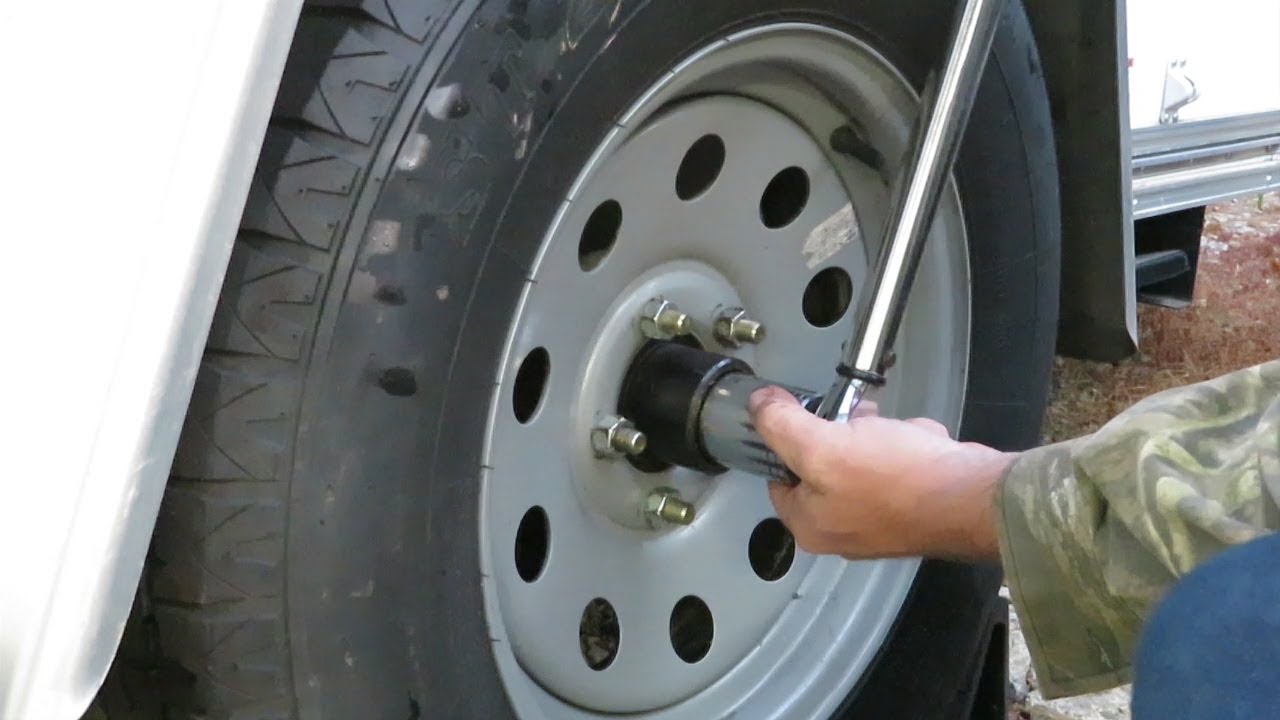
Credit: www.blueswiftaxles.com
Common Mistakes When Replacing Trailer Tires
- Ignoring Age: Many owners only look at tread. Old tires can fail even if tread is deep.
- Mismatched Tires: Using different brands or sizes on the same trailer causes uneven wear and poor handling.
- Wrong Load Rating: Always use tires that match your trailer’s weight.
- Skipping Spare: Don’t forget to check and replace the spare tire.
- Using Car Tires: Trailer tires are designed differently. Car tires won’t handle trailer stress.
Another mistake is not balancing trailer tires. While not always required, balancing can reduce vibration and improve tire life, especially for larger trailers.
Practical Tips To Extend Tire Life
You can make trailer tires last longer with smart care:
- Store indoors or use covers to block sun.
- Check pressure before every trip.
- Rotate tires every season if possible.
- Avoid overloading your trailer.
- Clean tires and remove chemicals like oil or salt.
- Move the trailer every few months to prevent flat spots.
A hidden insight: Tires can lose strength even if not used. Sitting still causes the rubber to break down. So, regular movement and checks are vital.
If you travel long distances, check tire pressure during stops, as temperature changes can affect pressure. Also, after storing your trailer for winter, inspect tires for signs of dry rot or flat spots before your first trip.
How Often Should You Really Replace Trailer Tires?
Based on all factors, here’s clear guidance:
- Replace trailer tires every 3–6 years (even if tread looks good).
- If you tow often or in extreme climates, aim for every 3–4 years.
- If tires show any warning signs, replace immediately.
- Always check the DOT code and don’t use tires older than 6 years.
Some tire makers recommend replacement every 5 years, regardless of tread. This is because trailer tires fail more from aging than from wear.
If you want more details on tire aging, visit the National Highway Traffic Safety Administration.
Frequently Asked Questions
How Can I Tell If My Trailer Tires Are Too Old?
Check the DOT code on the tire sidewall. If the code shows more than 6 years since manufacture, replace the tires. Also, look for cracks, dry rot, or bulges.
Is It Safe To Use Car Tires On My Trailer?
No. Trailer tires are built for heavy loads and stability. Car tires can’t handle trailer stress and may fail or cause poor handling.
Should I Replace My Trailer Tires If I Don’t Use The Trailer Often?
Yes. Tires age even when not used. Replace them every 3–6 years or if you see signs of aging.
What’s The Best Way To Store My Trailer To Protect The Tires?
Store your trailer indoors or use tire covers. Keep tires off wet surfaces, and move the trailer every few months to avoid flat spots.
How Important Is Tire Pressure For Trailer Tires?
Very important. Low pressure causes heat buildup and blowouts. Always check and adjust pressure before every trip to match the tire’s rating.
Taking care of your trailer tires saves money, prevents accidents, and keeps your journeys safe. By understanding how often to replace them and what affects their lifespan, you make smart choices for your trailer and everyone on the road.
Credit: gillspointstire.com