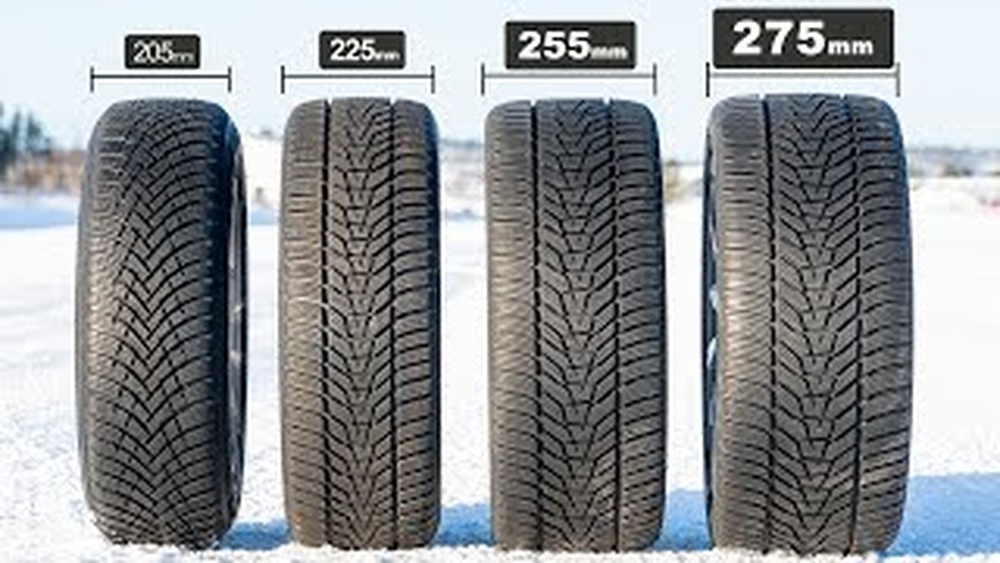
Resetting the Tire Pressure Light on Honda Accord: A Complete Guide
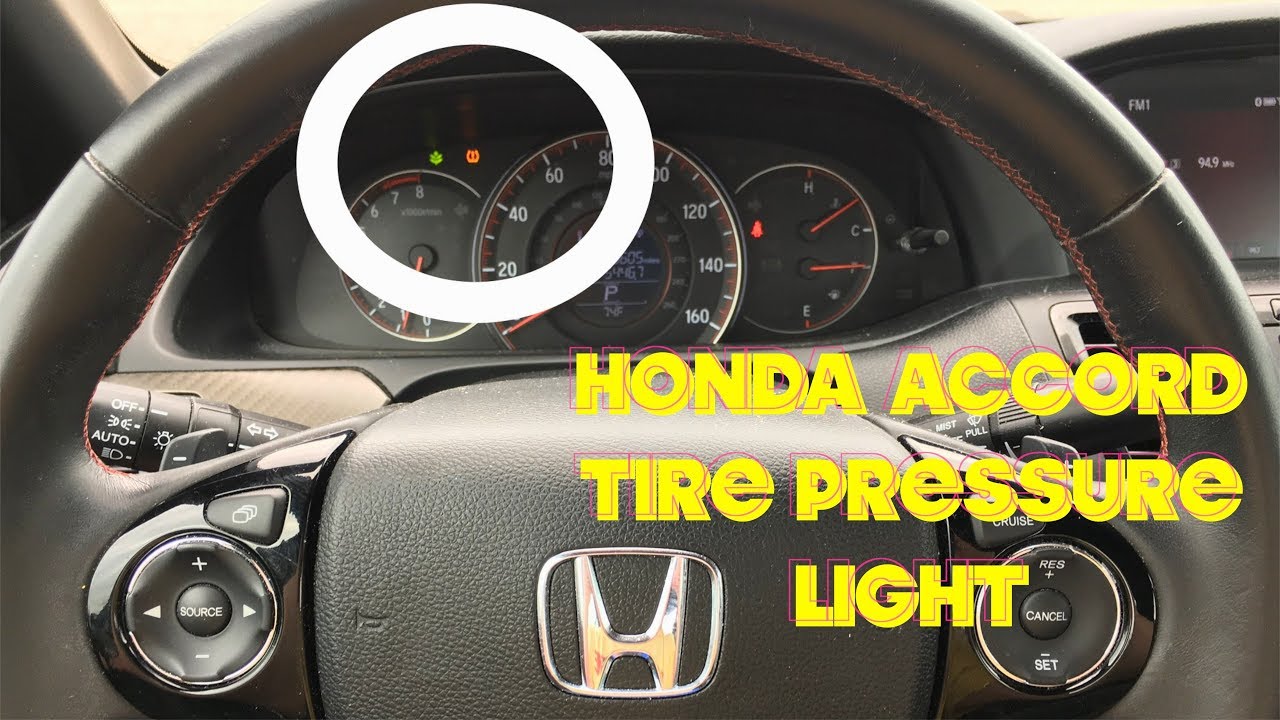
If you drive a Honda Accord, you’ve likely seen the tire pressure warning light on your dashboard. This small yellow icon looks like a horseshoe with an exclamation mark. It’s more than just a symbol—it’s a safety feature. When your tire pressure drops below the recommended level, your Accord’s TPMS (Tire Pressure Monitoring System) will alert you. Sometimes, even after you fix your tires, the warning light stays on. This can be frustrating and confusing. But don’t worry; resetting the tire pressure light is simple if you know the right steps. In this article, you’ll learn how to reset the tire pressure light on a Honda Accord, why it matters, and some practical tips to avoid common mistakes.
Why The Tire Pressure Light Appears
The TPMS is designed to keep you safe. Low tire pressure can lead to poor handling, reduced fuel efficiency, and even tire blowouts. When the system senses that any tire is under-inflated, the light turns on. But there are other reasons for the warning:
- You recently changed or rotated tires
- You filled the tires but didn’t reset the system
- Seasonal temperature changes
- Faulty sensors
Understanding why the light is on helps you decide what to do next. For example, if you just added air to your tires, the system might need a reset. If you haven’t checked your tires recently, it’s time to do so.
Checking Tire Pressure Correctly
Before you reset the light, check your tire pressure. This is a step many drivers skip, but it’s essential. Use a digital tire pressure gauge for accuracy. The recommended pressure is usually found in your owner’s manual or on a sticker inside the driver’s side door.
| Honda Accord Model Year | Recommended Tire Pressure (psi) | Location of Sticker |
|---|---|---|
| 2018-2024 | 32 psi | Driver’s Door Jamb |
| 2013-2017 | 33 psi | Driver’s Door Jamb |
| 2008-2012 | 32 psi | Driver’s Door Jamb |
Make sure all four tires are inflated to the recommended level. Don’t forget the spare tire if your Accord has a full-size spare—sometimes, TPMS covers it too.
Credit: www.geraldhondacountryside.com
Step-by-step: Resetting The Tire Pressure Light
Resetting the tire pressure light varies depending on the model year and TPMS type. Honda Accords use two main systems: direct TPMS (with sensors in the wheels) and indirect TPMS (uses ABS wheel speed sensors). Follow the steps below for your model.
For 2013–2024 Honda Accord (indirect Tpms)
Honda started using indirect TPMS in most Accords from 2013 onward. This system is easier to reset.
- Turn the ignition ON without starting the engine.
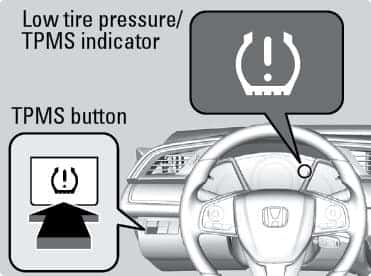
- Locate the TPMS reset button. It’s usually under the dashboard, near the steering column, or inside the glove box.
- Press and hold the button until the tire pressure light blinks twice. This takes about 5 seconds.
- Release the button and start the engine. Drive for about 10–30 minutes at speeds above 20 mph. The system will recalibrate and the light should go off.
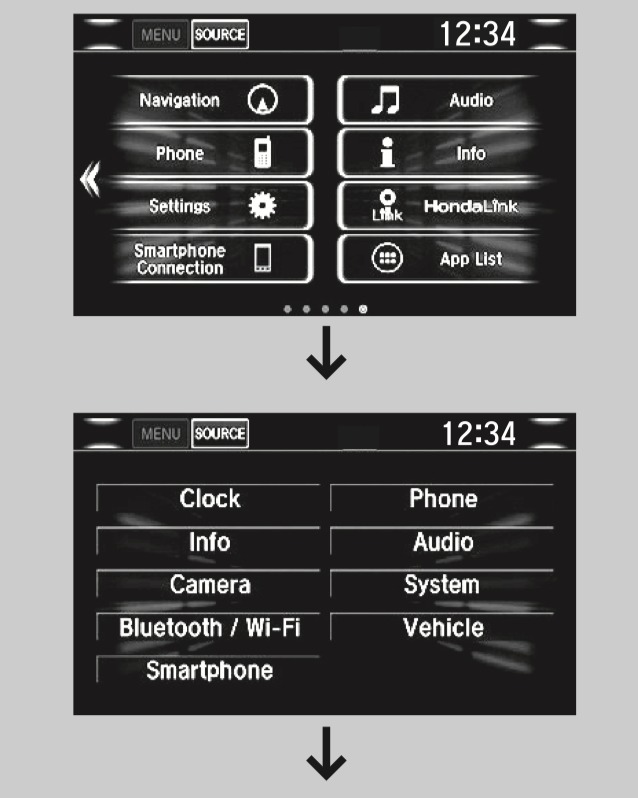
If your Accord has touchscreen controls (2018+), you can reset TPMS using the infotainment system:
- Go to Settings > Vehicle > TPMS Calibration
- Select Calibrate and follow the prompts
For 2008–2012 Honda Accord (direct Tpms)
Older Accords use direct TPMS. Resetting is slightly different:
- Check and inflate all tires to the recommended pressure.
- Turn the ignition ON.
- Press and hold the TPMS button (sometimes labeled “SET” or has a tire icon) until the light blinks.
- Start the engine and drive for several minutes.
If the light stays on, one or more sensors may be faulty. You may need to visit a Honda dealer for diagnosis.
After Rotating Or Changing Tires
Whenever you rotate or replace tires, always recalibrate the TPMS. This helps the system learn the new position of each tire. Follow the same steps as above, based on your Accord’s year.
Common Mistakes And How To Avoid Them
Resetting the tire pressure light seems easy, but many drivers make mistakes. Here are some you should avoid:
- Ignoring the actual tire pressure: Some people just reset the light without checking the tires. This can be dangerous.
- Using an inaccurate gauge: Cheap gauges can give wrong readings. Invest in a quality digital tire gauge.
- Resetting before inflating: Always inflate tires first, then reset.
- Skipping calibration after tire rotation: The system needs to relearn tire positions.
- Not driving after reset: The TPMS needs a short drive to finish recalibration.
An extra tip: If you drive in cold weather, tire pressure drops naturally. Check your tires more often during winter.
Comparing Tpms Systems On Honda Accord
Honda Accords have used both direct and indirect TPMS. Here’s a quick comparison:
| TPMS Type | How It Works | Reset Method | Common Issues |
|---|---|---|---|
| Direct | Sensors inside tire measure air pressure | Button or dealer reset | Sensor battery failure, expensive repair |
| Indirect | Uses ABS wheel speed sensors | Button or infotainment reset | Calibration needed after tire work |
Direct TPMS is more accurate, but sensors can fail after several years. Indirect TPMS is easier to reset and less expensive to maintain.
What If The Light Won’t Go Off?
Sometimes, even after you follow all the steps, the light stays on. Here’s what you should check:
- Damaged or dead TPMS sensor: Sensors have batteries that last 5–10 years. If a sensor fails, you’ll need a new one.
- Wire or system fault: Rare, but possible. A mechanic can diagnose with a scan tool.
- Incorrect reset procedure: Double-check the steps for your Accord’s year.
- Tire not properly inflated: Sometimes, small leaks cause the pressure to drop again.
If you can’t fix the light, visit your dealer or a trusted tire shop. They have tools to scan and reset the system.
Credit: www.youtube.com
Real-world Example: Honda Accord Owner Experience
A 2019 Honda Accord owner noticed the tire pressure light after a cold snap. He checked the pressure and found all tires were 28 psi, below the recommended 32 psi. After inflating to the correct level, the light stayed on. He used the infotainment system to calibrate the TPMS, and after a 15-minute drive, the light went off. This shows how important it is to calibrate after adjusting tire pressure.
Tire Pressure And Safety: The Facts
Proper tire pressure isn’t just for comfort—it’s a safety issue. Under-inflated tires can increase stopping distances by up to 20%. According to the National Highway Traffic Safety Administration (NHTSA), about 11,000 tire-related crashes happen yearly in the US. Keeping your tires at the right pressure can reduce your risk.
| Condition | Effect on Driving | Risk Level |
|---|---|---|
| Under-inflated tires | Reduced grip, higher fuel use | High |
| Over-inflated tires | Less comfort, uneven wear | Moderate |
| Correct tire pressure | Best performance, safety | Low |
How Often Should You Check Tire Pressure?
Check your tire pressure at least once a month. Also check:
- Before long trips
- After big temperature changes
- When the TPMS light comes on
Don’t rely only on the TPMS. It’s a backup, not a substitute for regular checks.
Extra Tips For Honda Accord Owners
- Buy a good tire gauge: Digital gauges are more reliable than analog ones.
- Check pressure when tires are cold: Heat from driving can raise readings.
- Don’t ignore the TPMS light: It’s not just a warning—it’s a safety issue.
- Keep records: Note tire pressure readings and dates. This helps spot slow leaks.
- Replace TPMS sensors every 7–10 years: Batteries run out eventually.
Credit: www.bianchihonda.com
Frequently Asked Questions
How Do I Know If My Honda Accord Has Direct Or Indirect Tpms?
Most Accords from 2013 onward use indirect TPMS. Older models (2008–2012) have direct TPMS. If your car has a TPMS reset button or infotainment calibration, it’s likely indirect. Your owner’s manual can confirm.
Can I Reset The Tire Pressure Light Myself, Or Do I Need A Mechanic?
Yes, you can reset the light yourself in most cases. Follow the steps for your Accord’s model year. If the light stays on after resetting and checking pressure, a mechanic may be needed for sensor replacement.
Is It Dangerous To Drive With The Tire Pressure Light On?
It can be. The light warns you about low tire pressure, which affects handling and safety. Check and inflate your tires as soon as possible. Don’t ignore the warning.
Why Does The Tire Pressure Light Come On In Cold Weather?
Cold temperatures cause air in tires to contract, lowering pressure. This triggers the TPMS light. Inflate your tires to the recommended level and reset the system.
How Much Does It Cost To Replace A Tpms Sensor On A Honda Accord?
Replacing a TPMS sensor usually costs $50–$100 per sensor at a shop. Labor costs can add $20–$50. For more details, see the official Honda website: Honda Owners.
Keeping your tire pressure light off isn’t just about convenience—it’s about safety and performance. If you follow these steps and tips, your Honda Accord will handle better, last longer, and keep you safer on the road. Checking your tires regularly and knowing how to reset the TPMS can save you time, money, and stress.