Are you wondering if the Hyundai Elantra comes with all-wheel drive? If you live in a place with unpredictable weather or enjoy the extra grip and control on the road, this question matters a lot.
Knowing whether your Elantra offers all-wheel drive can help you decide if it’s the right car for your daily drives and weekend trips. Keep reading, and you’ll get clear answers that make choosing your next car easier and smarter.
Hyundai Elantra Drivetrain Options
The Hyundai Elantra offers reliable choices for drivers who want comfort and control. Understanding its drivetrain options helps you pick the right model. Drivetrain affects how the car moves and handles on different roads. This section explains the main options available for the Elantra.
Front Wheel Drive Basics
Most Hyundai Elantra models come with front wheel drive (FWD). FWD sends power to the front wheels only. This setup improves fuel efficiency and lowers production costs. It works well for city driving and mild weather. FWD also helps keep the car stable on paved roads.
All Wheel Drive Availability
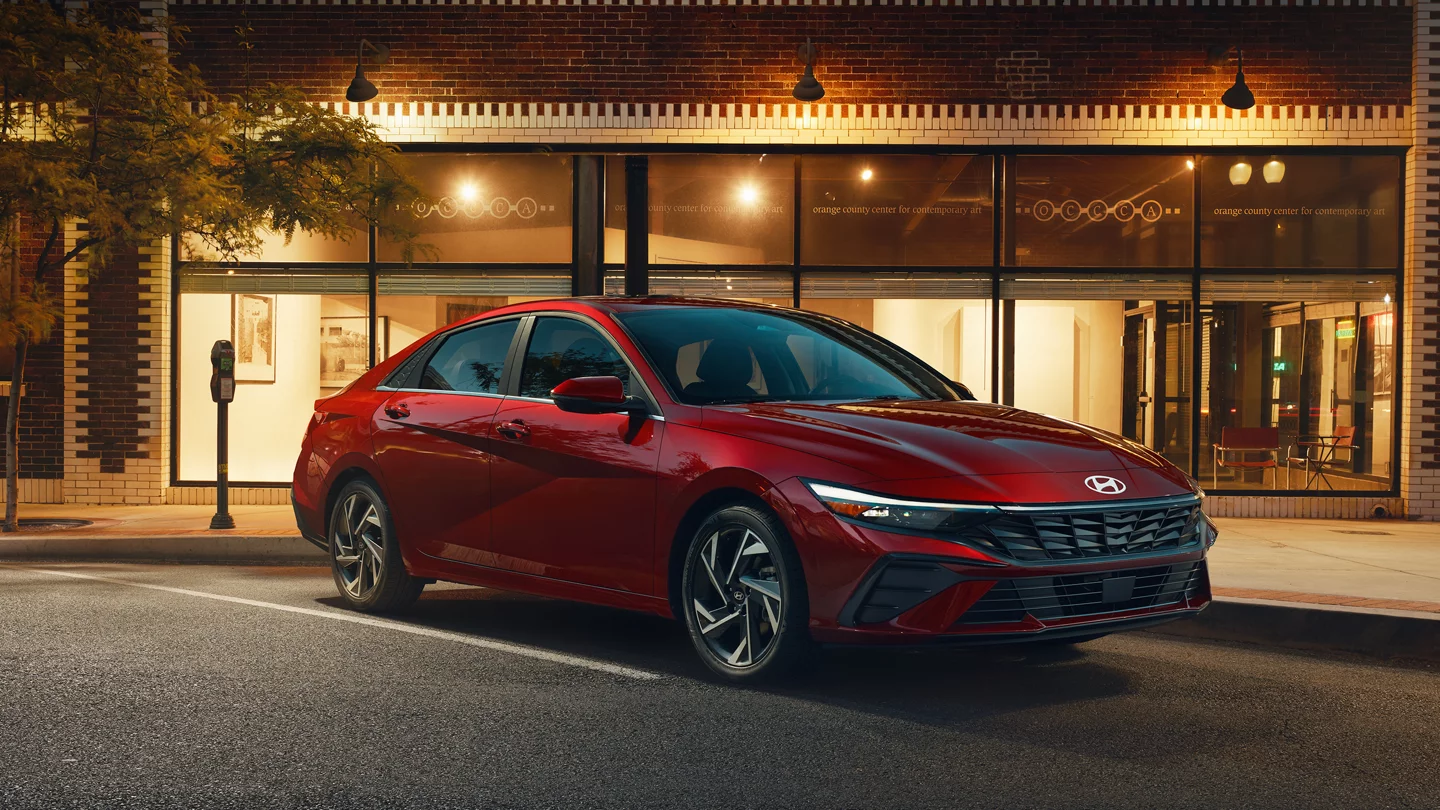
The Hyundai Elantra does not offer all wheel drive (AWD) in most trims. AWD means power goes to all four wheels. This helps in slippery or rough conditions like snow or rain. Hyundai focuses AWD on other models like the Tucson. The Elantra’s design targets efficiency and smooth city rides instead.
Credit: www.windwardhyundai.com
Comparing Elantra To Awd Models
The Hyundai Elantra is a popular sedan known for its efficiency and style. It does not offer all-wheel drive (AWD), unlike some other Hyundai models. AWD provides power to all four wheels, which can improve traction and control. This feature matters a lot in bad weather and rough roads.
Comparing the Elantra to AWD models helps buyers understand the benefits and differences. It also shows which Hyundai cars come with AWD. This guide will explain the key points about AWD in sedans and highlight Hyundai’s AWD options.
Hyundai Models With Awd
Hyundai offers several models with AWD. The Tucson and Santa Fe are popular SUVs with this feature. The Kona also has an AWD version for better grip. These models suit drivers who need more control in snow or rain.
Unlike the Elantra, these cars provide extra stability on slippery roads. AWD is especially useful for people living in areas with harsh winters. Hyundai focuses AWD on crossovers and SUVs, not sedans like the Elantra.
Benefits Of Awd In Sedans
AWD improves traction and safety on wet or icy roads. It helps prevent slipping during acceleration and cornering. Drivers feel more confident in tough driving conditions. AWD also enhances handling on uneven surfaces.
However, AWD can add weight and reduce fuel efficiency. It may increase the vehicle’s cost and maintenance. Some drivers prefer front-wheel drive for better gas mileage. Still, AWD offers peace of mind for those needing extra grip.
Performance And Handling
Performance and handling shape the driving experience of any car. The Hyundai Elantra delivers a balance of power and control. It offers smooth rides and confident cornering. Let’s explore how it performs on the road.
Elantra’s Driving Dynamics
The Elantra feels stable and responsive. Its suspension absorbs bumps well for a smooth drive. Steering is light, making city driving easy. On highways, the car remains steady at high speeds. Braking is quick and reliable. This helps drivers feel safe and in control.
Impact Of Drivetrain On Performance
The Hyundai Elantra primarily uses front-wheel drive. This setup helps save fuel and reduces weight. It performs well on dry roads and normal conditions. All-wheel drive is not available on the Elantra. This means less traction on slippery surfaces. Drivers should be cautious in snow or rain. Still, the Elantra offers good handling for everyday driving needs.
Fuel Efficiency Considerations
Fuel efficiency is a key factor when choosing a Hyundai Elantra. It affects how much you spend on gas and how often you visit the pump. Understanding the difference in fuel economy between front-wheel drive (FWD) and all-wheel drive (AWD) helps you decide which model fits your needs.
Fuel economy also impacts the environment. Cars that use less fuel produce fewer emissions. This makes efficiency important for drivers who care about their carbon footprint.
Fwd Vs Awd Fuel Economy
FWD models generally offer better fuel economy than AWD versions. This is because FWD systems are lighter and simpler. Less weight means the engine uses less fuel to move the car. AWD adds extra weight and parts, which can lower efficiency.
AWD helps with traction and handling on slippery roads. But it usually uses more fuel. Drivers who live in areas with snow or rain might accept this trade-off. Those focused on saving fuel might prefer FWD instead.
Elantra’s Efficiency Ratings
The Hyundai Elantra has good fuel economy for a compact car. The FWD models often reach higher miles per gallon (MPG) on highways and city streets. AWD versions tend to have slightly lower MPG due to added drivetrain components.
Recent Elantra models offer efficient engines and technology. Features like fuel-saving transmissions and start-stop systems help cut fuel use. Always check the specific MPG ratings for each version before buying.
Safety And Traction Features
The Hyundai Elantra focuses on safety and traction to keep drivers confident on the road. These features help maintain control and reduce slipping in different driving conditions. Understanding these systems shows how the car supports a secure driving experience.
Traction Control Systems
The Elantra includes traction control to prevent wheel spin. This system adjusts power to the wheels when it detects slipping. It helps maintain grip on wet or icy roads. The system works with the brakes to keep the car stable.
When Awd Matters Most
The Hyundai Elantra does not offer all-wheel drive. Front-wheel drive handles most everyday driving needs. AWD is helpful on rough terrain, snow, or heavy rain. Drivers in harsh weather might consider AWD for extra traction and control.
Aftermarket Awd Options
Many Hyundai Elantra owners ask about adding all-wheel drive (AWD) after buying their car. The Elantra does not come with AWD from the factory. Some drivers want better traction for slippery roads. This leads them to explore aftermarket AWD options. These options change how the car handles and performs.
Aftermarket AWD systems can be complex. They often require major changes to the car’s drivetrain and suspension. Not every vehicle is a good candidate for these modifications. It is important to understand what is possible and what risks exist before making changes.
Feasibility Of Adding Awd
Adding AWD to a Hyundai Elantra is difficult. The car’s platform is built for front-wheel drive only. The transmission and chassis do not support AWD parts easily. Installing an aftermarket system means changing many key components. This includes the transmission, driveshafts, and axles. Custom fabrication is often necessary. A skilled mechanic or specialist must do the work. This process can take a lot of time and effort.
Some aftermarket kits claim to offer AWD conversion. These kits may not work well with the Elantra’s design. They might cause fitment problems or reduce reliability. Most drivers find these projects expensive and complicated. It is not a simple bolt-on upgrade.
Potential Risks And Costs
Adding AWD after purchase can cause serious issues. The car’s warranty may become void. Insurance rates might increase. The added weight and complexity can reduce fuel efficiency. Mechanical problems may arise more often. Repairs could cost more due to custom parts.
Costs for an AWD conversion vary widely. Parts alone can cost thousands of dollars. Labor costs add significantly. Unexpected problems can increase expenses further. Many drivers spend more than expected. The final price can exceed the value of the car.
Careful research and budgeting are essential before starting. Some drivers choose to sell their Elantra and buy a vehicle with AWD instead. This option is often more practical and affordable.
Choosing The Right Elantra For You
Choosing the right Hyundai Elantra means matching the car to your needs. The Elantra is popular for its style, fuel efficiency, and comfort. But not all Elantras come with all-wheel drive (AWD). Understanding your driving habits helps pick the best model for you.
Assessing Driving Needs
Think about where you drive most. City streets, highways, or rough roads? AWD helps in slippery or rough conditions. Snow, rain, and dirt roads are easier to handle with AWD. If you mostly drive in good weather, front-wheel drive is fine. Consider fuel economy too. AWD usually uses more fuel than front-wheel drive.
Alternative Vehicles With Awd
The Hyundai Elantra does not offer AWD currently. Look at other Hyundai models for AWD options. The Hyundai Kona and Tucson both come with AWD. These models provide good traction and safety in tough weather. They also offer more ground clearance for rough roads. Checking these vehicles may be a better choice if AWD is important to you.

Credit: www.driveclassichyundai.com

Credit: www.kellyhyundaiofstroudsburg.com
Frequently Asked Questions
Does Hyundai Elantra Come With All-wheel Drive?
No, the Hyundai Elantra does not offer all-wheel drive. It is available only with front-wheel drive. AWD is not part of Elantra’s drivetrain options.
Why Doesn’t Hyundai Elantra Have Awd?
Hyundai designed the Elantra as a compact sedan focused on fuel efficiency and affordability. AWD would increase cost and weight, affecting these goals.
Which Hyundai Models Have Awd Available?
Hyundai offers AWD in models like Tucson, Santa Fe, and Kona SUVs. These vehicles are better suited for AWD due to their size and purpose.
Is Awd Necessary For Hyundai Elantra Owners?
Most Elantra drivers don’t need AWD. Front-wheel drive handles daily driving well. AWD is more important for rough terrain or harsh weather conditions.
Conclusion
The Hyundai Elantra does not offer all-wheel drive. It comes with front-wheel drive only. This suits most city and highway driving needs. All-wheel drive is usually for rough or slippery roads. If you need AWD, consider other models or brands.
The Elantra remains a good choice for fuel efficiency and comfort. Choose based on your driving style and conditions. Think about roads you drive on daily. This helps you pick the right car for you.