When your car’s tire gets punctured, you’re faced with a quick decision: repair it, replace it, or use a plug. Many drivers choose tire plugs because they seem fast and cheap. But is it really safe to drive on a plugged tire? This question matters more than you might think. Driving on a repaired tire can save money, but your safety always comes first. Let’s look at what plugged tires really are, how they work, and whether you can trust them for everyday driving.
What Is A Plugged Tire?
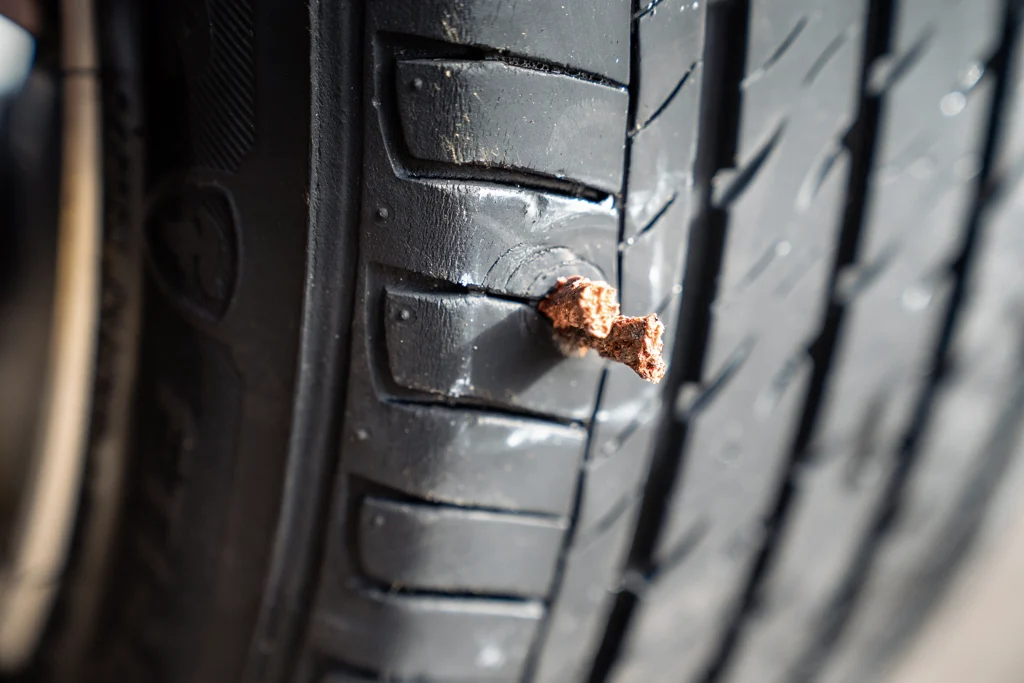
A plugged tire is a tire that has been fixed using a rubber plug. This repair method is used when a tire gets a small puncture, usually from a nail or screw. The plug is pushed into the hole, sealing it from the inside and outside. Tire plugs are popular because they can be applied quickly—often without removing the tire from the wheel.
How Tire Plugs Work
When you use a plug, a sticky rubber piece is forced into the puncture. It fills the hole and blocks air from escaping. The plug expands inside the tire, creating a seal. Some repair kits use a combination of plug and patch, but a simple plug is often used by people in a hurry.
Common Plugged Tire Situations
You might plug a tire if:
- You notice a slow leak from a small hole.
- The puncture is in the tread (not the sidewall).
- You need a quick fix to get home or to a repair shop.
Not all punctures can be plugged. For example, holes in the sidewall or very large punctures need professional attention.
Is It Safe To Drive On A Plugged Tire?
The safety of a plugged tire depends on several things: where the plug is placed, how it’s installed, how big the puncture is, and the condition of the tire. Let’s break it down.
Plug Location And Tire Structure
Tires have tread, sidewalls, and shoulder areas. Plugs are only safe when used on the tread. This is the thick, flat part of the tire that touches the road. Plugs in the sidewall or shoulder area are dangerous because these parts flex more and are thinner.
Professional Vs Diy Plugging
A plug installed by a professional is safer than one done at home. Professionals use better tools, inspect the tire for hidden damage, and follow safety guidelines. DIY kits are easy to find, but mistakes are common. Beginners often miss signs of internal damage, or fail to seal the hole properly.
Plug Size And Tire Condition
Plugs only work for small holes—usually less than 1/4 inch (6 mm) in diameter. Larger punctures can’t be safely plugged. Also, plugging should only be done on tires with good tread and no internal damage. If a tire is old, worn, or damaged inside, plugging won’t help for long.
Short-term Vs Long-term Safety
Plugged tires are usually safe for short-term use. Many drivers use them to get to a garage or finish a trip. But plugged tires are not meant for long-term driving, especially at high speeds or on highways. A plug is a temporary fix, not a permanent solution.
Real-world Example
A study by the National Highway Traffic Safety Administration (NHTSA) found that plug-only repairs are more likely to fail than plug-and-patch repairs. Failures usually happen due to incorrect placement, hidden internal damage, or plug degradation over time.

Credit: www.reddit.com
Risks Of Driving On A Plugged Tire
Driving on a plugged tire carries risks that you should understand before hitting the road.
Sudden Air Loss
If a plug fails, the tire can lose air quickly. This can cause loss of control, especially if you’re driving fast or carrying heavy loads.
Hidden Internal Damage
When a tire is punctured, the damage isn’t always visible. Internal belts may be broken, or moisture may enter the tire. Plugging doesn’t fix these hidden issues.
Reduced Tire Strength
A plug in the tire changes how it handles stress. Over time, the area around the plug may become weak. This can lead to further punctures or even a blowout.
Insurance And Liability Issues
Some insurance companies may not cover accidents caused by plugged tires, especially if the repair wasn’t done professionally. If you’re in an accident, you may be at fault if the tire fails.
Plug Vs Patch: Which Is Better?
Many experts recommend patching instead of plugging. Let’s compare the two repair methods.
| Repair Method | Location | Longevity | Safety |
|---|---|---|---|
| Plug | Tread only | Temporary | Moderate |
| Patch | Inside tire | Permanent | High |
| Plug & Patch | Tread (plug), Inside (patch) | Permanent | Highest |
- Plug: Fast, but best for emergencies.
- Patch: Applied from inside, lasts longer.
- Plug & Patch: Combines both, gives best results.
Most tire shops use plug-and-patch repairs for lasting safety.
How To Check If Your Plugged Tire Is Safe
If you have a plugged tire, you should inspect it regularly.
Inspection Steps
- Check air pressure every week. A drop may signal plug failure.
- Look for bulges or cracks near the plug.
- Listen for hissing sounds—these show air leaks.
- Check tread depth. Low tread makes plugging risky.
- Drive slowly after plugging, at least for the first 50 miles.
When To Replace The Tire
Replace the tire if:
- The plug is leaking.
- The tire has visible damage.
- The tread is below 2/32 inch (1.6 mm).
- The plug was applied to a sidewall.
How Far Can You Drive On A Plugged Tire?
There’s no single answer, but most experts agree plugged tires are safe for short distances. For example, you can usually drive 50–100 miles to reach a repair shop. Some people drive much farther, but this increases risk.
Factors Affecting Distance
| Factor | Effect on Safe Distance |
|---|---|
| Plug Quality | Higher quality allows longer use |
| Puncture Size | Smaller holes are safer |
| Tire Age | Newer tires last longer |
| Driving Speed | Lower speed is safer |
| Weather | Dry conditions are safer |
If you must drive far, keep speeds below 60 mph and avoid heavy loads.
Plugged Tire Safety Statistics
Studies show plugged tires are not as safe as patched or replaced tires. Here are some numbers:
- A plug-only repair fails in about 20% of cases after six months (according to NHTSA tests).
- Plug-and-patch repairs have a failure rate below 5%.
- Tires plugged by professionals have a much lower failure rate than DIY repairs.
- Most tire manufacturers recommend replacing tires after any major puncture.
Common Mistakes When Plugging Tires
Even experienced drivers make mistakes. Here are some you should avoid:
- Plugging sidewall holes. This is never safe.
- Ignoring internal damage. Always check inside the tire.
- Plugging large punctures. Only plug holes less than 1/4 inch.
- Using old tires. Weak tires can fail even after plugging.
- Driving at high speeds. Plugged tires can’t handle racing.
Many people forget to inspect the tire after plugging. This can lead to sudden failure.
Credit: www.yourmechanic.com
When To Use A Plugged Tire
Plugged tires are useful when:
- You’re far from a repair shop.
- The puncture is small and in the tread.
- You need a fast, temporary fix.
- You drive slowly until you can get a proper repair.
They’re not suitable for long-term use, high-speed driving, or heavy loads.
Alternatives To Plugging
If plugging is not safe, what can you do? Here are options:
- Patch repair: Done inside the tire, lasts longer.
- Plug-and-patch: Combines both for best safety.
- Replace the tire: Costly but safest for large or sidewall punctures.
- Emergency tire sealant: Works for small holes, but only as a temporary fix.
If unsure, consult a professional mechanic. They can check for hidden damage and recommend the best solution.
Credit: gotire.com
Cost Comparison: Plug, Patch, Replace
Repair costs can affect your decision. Here’s a simple breakdown:
| Repair Type | Average Cost | Time Required |
|---|---|---|
| Plug | $10–$20 | 10 minutes |
| Patch | $20–$40 | 30 minutes |
| Plug & Patch | $30–$60 | 45 minutes |
| Replace | $80–$200 | 60+ minutes |
Plugging is cheapest, but remember: you often get what you pay for.
Expert Recommendations
Tire experts generally agree: plugs are best for temporary repairs. For long-term safety, patches or plug-and-patch repairs are better. If you’re unsure, have a professional inspect the tire. Never risk your life for a quick fix.
According to the Tire Industry Association, only plug-and-patch repairs meet safety standards for permanent fixes. For more details, see NHTSA.
Frequently Asked Questions
Is It Safe To Drive Fast On A Plugged Tire?
No, plugged tires can fail at high speeds. Always keep speed under 60 mph when using a plugged tire.
Can I Plug A Tire With A Sidewall Puncture?
Never plug a sidewall puncture. The sidewall flexes and is thin, making plugs unsafe.
How Long Will A Plugged Tire Last?
A plugged tire may last days or weeks, but it’s best used for short trips. Long-term use increases risk.
Do I Need To Check Air Pressure After Plugging?
Yes, check air pressure often. A plugged tire can lose air slowly or suddenly.
Should I Let A Professional Plug My Tire?
If possible, yes. Professionals inspect for hidden damage and use better tools, making the repair safer.
Plugged tires offer quick help but should never be your permanent solution. If you value safety, use plugs only for emergencies and get a proper repair as soon as you can. Remember, your tires are the only parts of your car touching the road—never compromise on their quality.