Understanding “MT” on Tires: What It Means and Why It Matters
If you’ve shopped for vehicle tires, you might have noticed the letters “MT” on some tire models. At first glance, these letters may seem confusing. But knowing what “MT” means can help you choose the right tire for your needs.
This article explains the meaning of MT, how it affects tire performance, and why it matters for drivers. Whether you drive a truck, SUV, or off-road vehicle, understanding MT tires can help you make smarter choices and avoid common mistakes.
What Does “mt” Mean On A Tire?
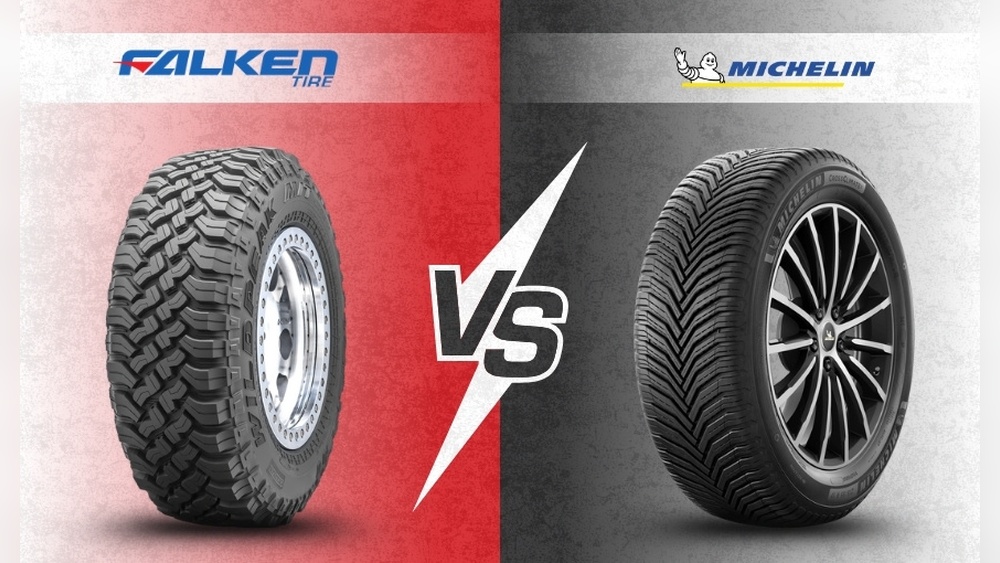
The letters MT stand for Mud Terrain. This designation tells you the tire is built for challenging surfaces, especially mud, dirt, rocks, and loose gravel. MT tires are designed for drivers who spend time off paved roads or who need strong grip in tough conditions. Unlike regular tires, MT tires have special features to handle mud and rough terrain.
Key Features Of Mt Tires
MT tires have several unique characteristics that set them apart from other types:
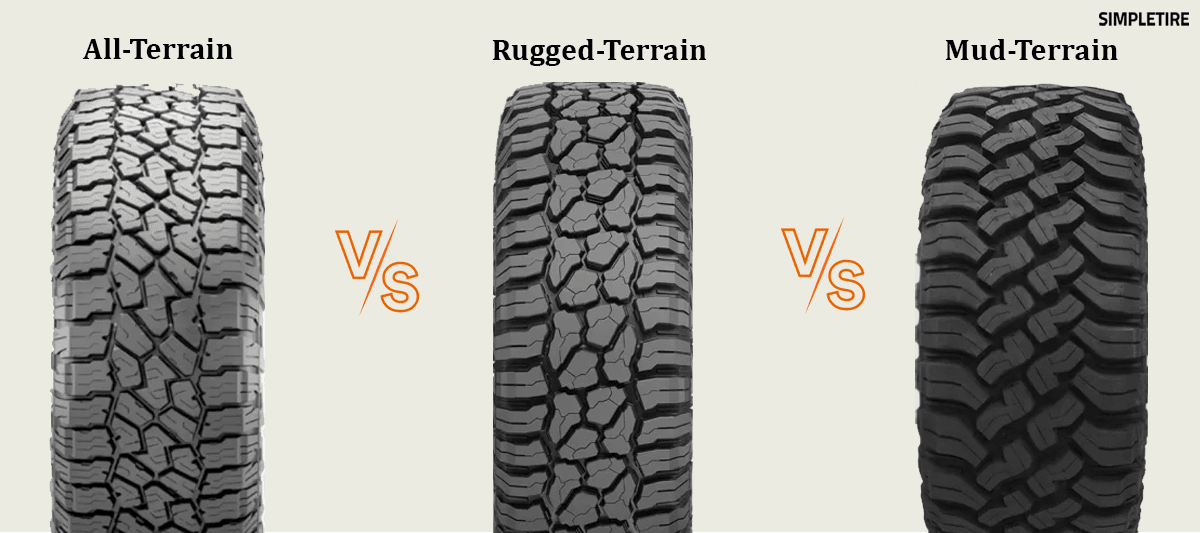
- Aggressive tread pattern: The tread blocks on MT tires are large and deep. This helps the tire dig into mud and loose surfaces for better traction.
- Wide gaps between treads: These gaps allow mud, rocks, and debris to escape from the tire. This keeps the tread clear and maintains grip.
- Reinforced sidewalls: MT tires often have stronger sidewalls for extra durability. This protects against punctures from sharp rocks and sticks.
- Stiffer rubber compound: The rubber used in MT tires is often harder, which helps resist damage and wear.
Here’s a quick comparison between MT tires and other common types:
| Feature | MT (Mud Terrain) | AT (All Terrain) | HT (Highway Terrain) |
|---|---|---|---|
| Tread Design | Aggressive, deep | Moderate, mixed | Smooth, shallow |
| Best Use | Off-road, mud | Mixed surfaces | Paved roads |
| Noise Level | High | Medium | Low |
| Durability | Very high | High | Medium |
| Fuel Efficiency | Lower | Medium | Higher |
Who Needs Mt Tires?
Not every driver needs MT tires. They are best for:
- Off-road enthusiasts
- Construction workers or farmers
- People who drive in muddy, rocky, or loose terrain often
- Owners of lifted trucks, Jeeps, or SUVs built for off-road adventures
If you mainly drive on paved roads, MT tires may not be the best choice. They are louder, wear faster on smooth surfaces, and can reduce fuel efficiency. But for people who need maximum traction off-road, MT tires are ideal.
Mt Vs. At Tires: Which Is Better?
Many buyers wonder whether to pick MT (Mud Terrain) or AT (All Terrain) tires. The answer depends on where you drive most.
Mt Tires
- Excellent grip in mud, rocks, and loose dirt
- Ideal for off-road conditions
- Noisy and rough on highways
- Wear faster on pavement
At Tires
- Balanced performance for both off-road and paved roads
- Quieter ride
- Longer tread life
- Less aggressive in deep mud
Let’s look at a side-by-side comparison:
| Scenario | MT Tire Performance | AT Tire Performance |
|---|---|---|
| Deep mud | Excellent | Good |
| Rocky trails | Excellent | Good |
| Wet pavement | Fair | Good |
| Highway | Poor | Good |
| Noise level | Loud | Moderate |

Credit: www.youtube.com
How Mt Tires Affect Driving Experience
Switching to MT tires changes how your vehicle feels and performs. Here’s what you should expect:
- Increased road noise: The aggressive tread is louder, especially at higher speeds.
- Reduced comfort: MT tires can make your ride feel bumpier.
- Lower fuel economy: The deep tread and heavy construction can reduce miles per gallon.
- Improved off-road traction: You’ll notice much better grip in mud, sand, and rocks.
A non-obvious insight: MT tires can also affect your vehicle’s steering and braking response. On dry pavement, they may feel less precise and take longer to stop. This is because the tread blocks are large and flexible, designed more for grip than for control on smooth surfaces.
Common Mistakes When Buying Mt Tires
Many buyers make mistakes when choosing MT tires. Here are some pitfalls to avoid:
- Buying MT tires for mostly highway driving: This leads to faster tread wear, noisy rides, and poor fuel economy.
- Ignoring tire size and load rating: MT tires come in many sizes. Always check your vehicle’s recommended size and weight limit.
- Skipping proper maintenance: MT tires need regular rotation and pressure checks. Neglecting this can cause uneven wear.
- Not considering weather: MT tires may perform worse on ice or wet pavement than all-season tires.
One overlooked detail: Some MT tires are not designed for winter conditions. If you live in a snowy area, check for the Three-Peak Mountain Snowflake symbol. This mark means the tire meets winter performance standards.
Mt Tire Lifespan And Maintenance
MT tires are built tough, but their lifespan can be shorter than other types, especially if used mainly on roads. On average, MT tires last between 30,000 and 40,000 miles, compared to 50,000+ miles for highway tires.
To maximize your MT tire lifespan:
- Rotate tires every 5,000–7,000 miles
- Keep tires properly inflated
- Avoid aggressive driving on pavement
- Inspect for damage after off-roading
Here’s a quick comparison of expected lifespans:
| Tire Type | Average Lifespan (miles) |
|---|---|
| MT (Mud Terrain) | 30,000–40,000 |
| AT (All Terrain) | 40,000–50,000 |
| HT (Highway Terrain) | 50,000–70,000 |
Mt Tire Sizes And Markings
MT tires come in many sizes. The markings on the tire tell you important details:
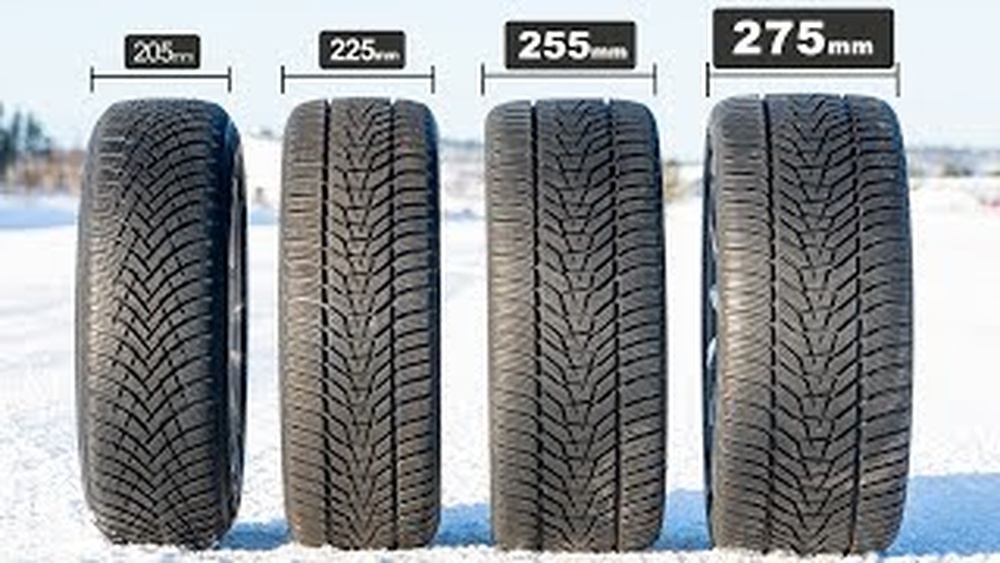
- Width: Measured in millimeters (example: 265)
- Aspect ratio: Ratio of sidewall height to width (example: 75)
- Diameter: Size of wheel (example: 16)
- MT designation: Shows the tire is Mud Terrain
Example Marking: 265/75r16 Mt
This means:
- 265 mm wide
- Sidewall height is 75% of width
- Fits a 16-inch wheel
- Mud Terrain design
Always match tire size to your vehicle’s specifications. Using the wrong size can cause handling problems and may be unsafe.
Advantages And Disadvantages Of Mt Tires
Before buying, weigh the pros and cons.
Advantages
- Superior traction in mud and rough terrain
- Strong construction, resists damage
- Looks aggressive and stylish
Disadvantages
- Noisy on pavement
- Reduced comfort and fuel efficiency
- Shorter tread life if used mostly on roads
- Less effective on ice and wet pavement
Mt Tires In Extreme Conditions
MT tires shine in extreme off-road environments. They are popular among:
- Off-road racers
- Overland adventurers
- Hunters and outdoor workers
For example, in muddy forests or rocky mountains, MT tires can prevent you from getting stuck. The deep tread helps clear mud and grip slippery surfaces. But in icy conditions, the lack of fine siping (small cuts in the tread) can reduce traction.
A practical tip: If you often switch between off-road and highway driving, consider having two sets of tires—MT for adventures and regular tires for daily use.
How To Choose The Right Mt Tire
With many brands and models, choosing the right MT tire can be overwhelming. Here’s what really matters:
- Tread pattern: Look for deep, wide blocks and open channels.
- Sidewall strength: Check for reinforced sidewalls if you drive in rocky areas.
- Size and load rating: Match these to your vehicle’s needs.
- Winter performance: Look for winter symbols if you drive in snow.
- Brand reputation: Choose brands with proven durability.
Avoid common buyer mistakes, such as choosing based only on looks or price. Instead, focus on your real driving needs and the tire’s technical features.
Mt Tires And Vehicle Modification
Many people who buy MT tires also modify their vehicles. Lifting your truck or SUV can help fit larger tires, but it also affects handling and safety. Make sure any modifications are done professionally and that your tires are properly aligned.
A non-obvious insight: Adding MT tires without proper suspension changes can cause rubbing or uneven wear. Always consult a mechanic before making big changes.
Credit: simpletire.com
Popular Mt Tire Brands
Some well-known brands for MT tires include:
- BFGoodrich Mud-Terrain T/A KM3
- Goodyear Wrangler MT/R
- Toyo Open Country M/T
- Cooper Discoverer STT Pro
- Nitto Mud Grappler
These brands are trusted for durability and performance. Research reviews and ratings before buying.
Environmental Impact Of Mt Tires
MT tires are tougher to recycle because of their thick construction. They also use more raw materials. If you care about the environment, look for brands with eco-friendly manufacturing or recycling programs.
For more details on tire recycling, see Wikipedia’s tire recycling page.

Credit: www.reddit.com
Frequently Asked Questions
What Does “mt” Stand For On A Tire?
MT means Mud Terrain. It indicates the tire is designed for off-road conditions, especially mud, rocks, and loose surfaces.
Can I Use Mt Tires On Highways?
Yes, you can use MT tires on highways, but they are noisy and wear out faster. They may also reduce fuel efficiency and comfort compared to regular tires.
How Long Do Mt Tires Last?
On average, MT tires last between 30,000 and 40,000 miles. The lifespan depends on driving habits and surfaces. Regular maintenance can help them last longer.
Are Mt Tires Good For Winter?
Most MT tires are not ideal for ice or snow. Look for the Three-Peak Mountain Snowflake symbol for winter performance. Otherwise, choose dedicated winter tires for safety.
What Is The Difference Between Mt And At Tires?
MT tires are built for tough off-road conditions, with aggressive tread and strong sidewalls. AT tires offer balanced performance for both paved and unpaved roads, with quieter rides and longer lifespan.
Choosing the right tire matters for both safety and performance. MT tires are a powerful option for off-roaders, but they come with trade-offs. By understanding what “MT” means and how these tires behave, you can make a smart decision for your vehicle and driving style.