When you look at a car, tires may seem like simple round objects—just rubber circles that touch the road. But what actually keeps them attached, secure, and able to handle the forces of driving, braking, and turning? Many people, even drivers, don’t fully understand what holds a tire on a car.
This article explains the parts and processes involved, so you can feel confident about your vehicle’s safety and performance.
How Tires Attach To Cars: The Basic Structure
Every car tire is held onto the vehicle with several parts working together. Here’s how the system works:
- The tire itself is the rubber part that touches the road.
- The wheel (rim) is the metal circle that the tire wraps around.
- The hub is the center part of the wheel assembly, connected to the car’s axle.
- Lug nuts or bolts fasten the wheel to the hub.
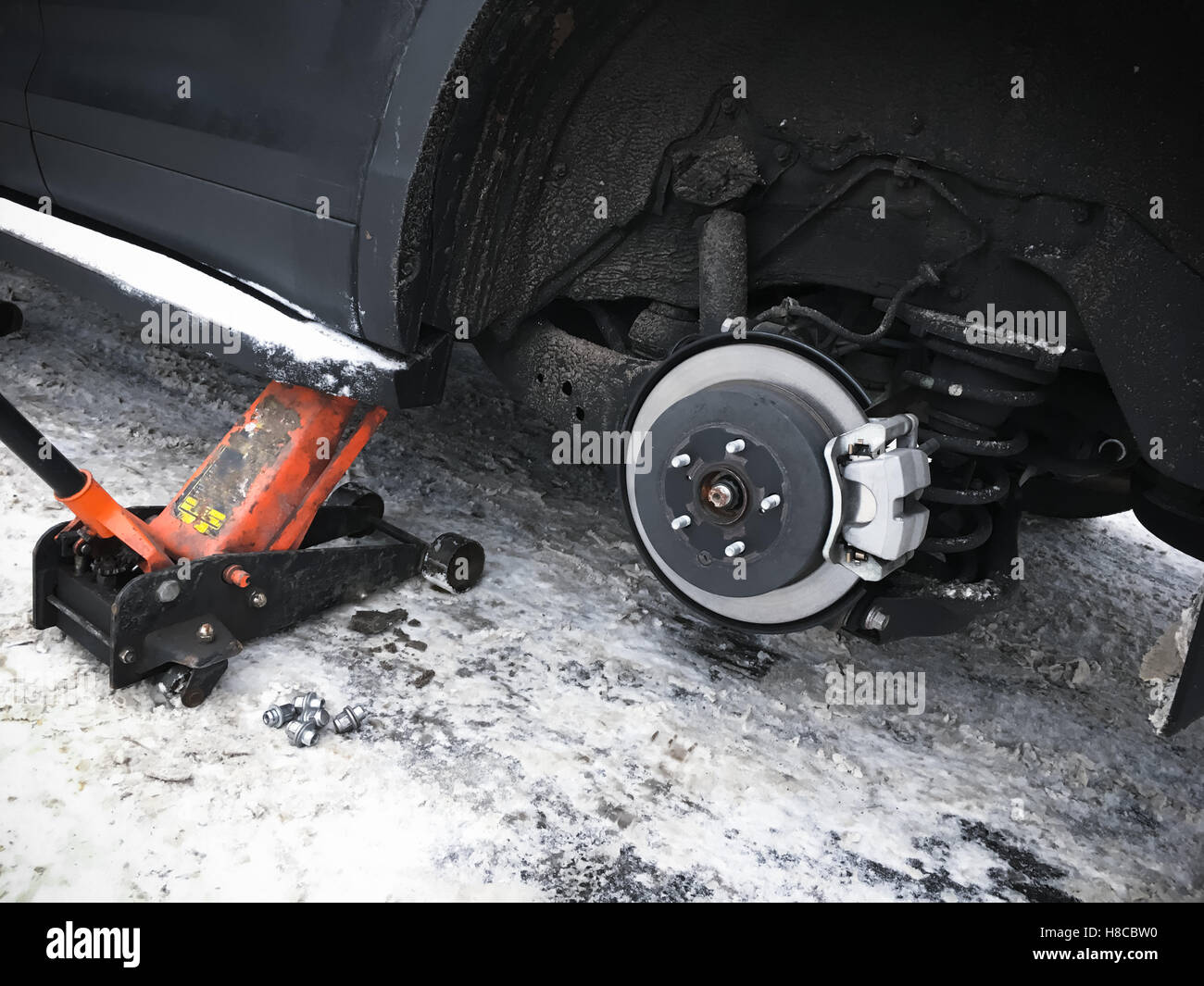
- The studs are threaded rods sticking out from the hub, where lug nuts are screwed on.
- The wheel bearing allows the wheel to spin smoothly.
These parts together make sure the tire stays attached and rotates as you drive.
The Wheel: The Tire’s Main Support
The wheel is more than just a metal ring. It gives structure and stability to the tire. Wheels are usually made of steel or aluminum alloy. Alloy wheels are lighter, helping with performance and fuel economy. Steel wheels are heavier and cheaper, but more durable for tough conditions.
How The Wheel Holds The Tire
The wheel has a rim flange that grips the tire’s bead (the edge of the tire). When the tire is installed, it’s pressed onto the rim and sealed tightly. Air pressure inside the tire pushes the bead against the rim, creating a strong seal. Without this, the tire could slip off the wheel—especially during sharp turns or at high speeds.
Comparing Wheel Materials
Here’s a simple comparison between steel and alloy wheels:
| Feature | Steel Wheels | Alloy Wheels |
|---|---|---|
| Weight | Heavier | Lighter |
| Cost | Lower | Higher |
| Durability | Very strong | Can crack under extreme force |
| Performance | Less responsive | Better handling |
Lug Nuts And Studs: The Fasteners That Keep Everything Together
Lug nuts are small but critical. They screw onto the wheel studs, locking the wheel (and tire) to the car’s hub. Most cars have 4 or 5 lug nuts per wheel. Trucks and heavy vehicles may have more for extra strength.
How Lug Nuts Work
When a tire is changed, mechanics use a wrench to tighten the lug nuts. These nuts must be tightened to a specific torque—the force that keeps them secure, but not too tight to damage the threads or too loose to risk the wheel coming off.
If lug nuts are not tight enough, the wheel can wobble or even detach while driving. If they’re too tight, they can stretch or damage the studs, making future tire changes difficult and risky.
Common Lug Nut Types
There are different shapes and sizes:
- Conical (tapered): Most common; fits into a matching seat in the wheel.
- Ball seat: Used mostly by European cars.
- Flat seat: Found on some specialty wheels.
Using the wrong type can make the wheel unsafe.
The Hub And Wheel Bearing: Hidden But Vital
The hub is the main central part where the wheel attaches. It’s usually made of strong steel and connects directly to the car’s suspension and axle.
Inside the hub is the wheel bearing. This part lets the wheel rotate with minimal friction. Bearings are made of hardened steel balls or rollers inside a sealed housing. Without good bearings, wheels can seize, wobble, or even break free.
How The Hub Assembly Works
When you drive, the hub supports the weight of the car. The wheel bearing allows the wheel to spin. The studs stick out from the hub, and the lug nuts fasten the wheel to those studs. This whole assembly is engineered to handle thousands of pounds of force from driving, turning, and braking.

Credit: www.reddit.com
Tire Bead And Air Pressure: The Invisible Grip
A tire is not just held on by the wheel and lug nuts. The bead—the inner edge of the tire—plays a big role. It’s made of strong steel wires covered in rubber, designed to fit tightly against the rim.
When a tire is inflated, air pressure pushes the bead against the rim flange. This creates a tight seal, preventing air leaks and ensuring the tire stays in place. If the air pressure drops too low, the bead can lose its grip, causing the tire to slip or come off during hard cornering.
Tire Pressure Data
Studies show that a drop of just 10% in tire pressure can increase the risk of bead slippage by over 30%. That’s why checking your tire pressure is so important for safety.
The Role Of Torque: Why Tightening Matters
Torque is the force applied to the lug nuts. Every car maker specifies a torque value, usually between 80 and 100 foot-pounds for most passenger cars. Trucks and SUVs may require up to 140 foot-pounds.
Proper torque is vital:
- Too little torque: Lug nuts can loosen, risking wheel detachment.
- Too much torque: Studs or nuts can stretch, crack, or break.
Most mechanics use a torque wrench to achieve the correct tightness.
Real-world Torque Data
According to the National Highway Traffic Safety Administration (NHTSA), improper lug nut torque is one of the top causes of wheel failures. In 2022, over 12,000 incidents were reported in the US related to loose wheels.
Wheel Locks: Extra Protection Against Theft
Some cars use wheel locks—special lug nuts that require a unique key. They prevent thieves from easily removing your wheels. But wheel locks can also make tire changes harder if you lose the key.
How Tire Changes Work: Step-by-step
If you ever need to change a tire, here’s how the parts work together:
- Jack up the car: Safely lift the vehicle so the wheel is off the ground.
- Loosen the lug nuts: Use a wrench to turn each lug nut counterclockwise.
- Remove the wheel: Pull the wheel (with tire) off the hub.
- Install the new wheel: Align it with the studs, push onto the hub.
- Tighten the lug nuts: Screw them on in a star pattern, then finish with a torque wrench.
If you skip tightening or use the wrong pattern, the wheel may not sit evenly, causing vibrations or danger.

Credit: www.kwik-fit.com
Wheel Studs Vs. Wheel Bolts: What’s The Difference?
Most cars in the US use studs—fixed rods sticking out from the hub, with lug nuts screwed on. Some European cars use wheel bolts—bolts that go through the wheel and screw directly into the hub.
Here’s a comparison:
| Feature | Wheel Studs | Wheel Bolts |
|---|---|---|
| Installation | Easier, wheel stays on studs | Harder, must align holes |
| Change Speed | Faster tire changes | Slower, more precise |
| Common Use | US, Japan | Germany, Europe |
Common Mistakes That Can Cause Tire Failure
Many drivers and even some mechanics make mistakes that can lead to tires coming off:
- Under-tightening lug nuts: They may loosen while driving.
- Over-tightening: Can damage studs, causing them to snap.
- Using the wrong lug nut type: The wheel may not seat properly.
- Ignoring tire pressure: Low pressure weakens the bead’s grip.
- Skipping torque checks: Not using a torque wrench leads to uneven force.
These errors can cause dangerous driving conditions, including wheel detachment.
Credit: www.alamy.com
How Manufacturers Test Tire Attachment
Car makers use strict tests to make sure wheels and tires stay attached. They use machines that simulate bumps, turns, and high speeds. The tests measure:
- Force on lug nuts
- Vibration resistance
- Bead retention (how well the tire bead stays sealed)
- Bearing durability
Only wheels and tires that pass all these tests are approved for use.
Signs Of A Loose Tire Or Wheel
It’s important to notice early warning signs that your tire may not be properly attached:
- Vibration: If your steering wheel shakes, especially at higher speeds.
- Clunking noises: Sounds from the wheels when turning or braking.
- Visible movement: If you see a wheel wobbling, stop immediately.
- Loose lug nuts: Check after tire changes, especially after driving 50 miles.
Ignoring these signs can lead to accidents.
Real-life Example: Wheel Detachment Incidents
In 2021, a recall affected over 80,000 vehicles in the US due to improperly installed lug nuts. Some wheels came off while driving, causing crashes. Most incidents happened after tire changes at shops that skipped torque checks. Always ask mechanics to use a torque wrench and double-check their work.
Advanced Systems: Run-flat Tires And Tpms
Some modern cars use run-flat tires. These are designed to stay attached and functional even after losing air. Special beads and stiff sidewalls help keep the tire on the rim.
Tire Pressure Monitoring Systems (TPMS) warn drivers when air pressure drops, reducing the risk of bead slippage and tire detachment.
Maintenance Tips For Tire Attachment
To keep your tires safe and secure:
- Check tire pressure monthly: Use a gauge, not just your eyes.
- Inspect lug nuts: After any tire change or rotation.
- Use the correct torque: Ask mechanics for the proper settings.
- Choose the right wheels: Match wheel size and lug nut type to your car.
- Replace damaged parts: Don’t drive with cracked or stretched studs.
These steps help prevent costly mistakes and keep your car safe.
Data Table: Typical Lug Nut Torque Values
Here are typical torque values for different vehicle types:
| Vehicle Type | Lug Nut Torque (ft-lb) |
|---|---|
| Compact Car | 80-90 |
| SUV | 100-120 |
| Pickup Truck | 120-140 |
| Heavy Truck | 150+ |
Always check your owner’s manual for exact numbers.
Frequently Asked Questions
Why Do Wheels Need Multiple Lug Nuts?
Multiple lug nuts share the load and keep the wheel balanced. Using only one or two could cause uneven force, making the wheel wobble or fail. More lug nuts add safety, especially for heavy vehicles.
What Happens If I Drive With Loose Lug Nuts?
Driving with loose lug nuts can cause the wheel to wobble, damage studs, or even detach from the car. It’s very dangerous and can lead to accidents. Always check lug nut tightness after tire changes.
How Often Should I Check Tire Attachment?
It’s smart to check your tire attachment every month, and after any tire change or rotation. Look for loose or missing lug nuts, and check tire pressure at the same time.
Can I Use Any Wheel Or Lug Nut On My Car?
No. Wheels and lug nuts must match your car’s specifications. Wrong parts can cause poor fit, unsafe conditions, or even wheel detachment. Always use parts recommended by your car maker.
Is It Safe To Change A Tire Myself?
Yes, if you follow safety steps and use the right tools. Always tighten lug nuts in a star pattern and use a torque wrench if possible. If unsure, ask a professional for help.
Cars are engineered so that tires stay firmly attached, even under extreme forces. Understanding what holds the tire on a car—from the wheel and lug nuts to the bead and hub—helps you drive safer and avoid costly mistakes. Regular checks and proper installation keep your wheels secure, and your journey smooth. If you want to learn even more about tire technology, visit the Wikipedia Tire Article.