The right tire pressure for your 2025 Chevy Trax is more important than most drivers realize. With the correct psi, your tires last longer, your car handles better, and you stay safer on the road. Many people ignore this detail or only check tire pressure when something feels wrong.
But knowing the exact psi and how to maintain it can make a big difference in everyday driving, fuel economy, and even accident prevention. Whether you’re a new Trax owner or simply want to keep your car in top shape, understanding tire psi is one of the smartest steps you can take.
What Does Psi Mean For Tires?
PSI stands for pounds per square inch. This is the unit used to measure air pressure inside your tires. Every vehicle has a recommended psi, which is set by the manufacturer after careful testing. The right psi is not just about comfort—it affects everything from tire wear to stopping distance. Too little air means your tires will flex too much, causing heat and extra wear. Too much air makes your car bounce and reduces grip.
Recommended Psi For 2025 Chevy Trax Tires
For the 2025 Chevy Trax, the recommended tire pressure is:
- Front tires: 35 psi
- Rear tires: 35 psi
These numbers are for standard driving conditions, with original equipment tires (usually 225/60R17 or 225/60R18, depending on trim). This information comes from the owner’s manual and the sticker inside the driver’s door.
Why 35 Psi?
Chevrolet engineers chose 35 psi for balance. This pressure gives the best mix of comfort, handling, fuel economy, and tire life. If you lower the psi, tires wear faster and fuel economy drops. If you raise it, the ride gets rough and tires may lose grip in wet conditions.
How To Check And Adjust Tire Pressure
Checking tire pressure is simple but often skipped. You can do it with a basic tire gauge or a digital one. Here’s how:
- Find the recommended psi on the driver’s door sticker.
- Use a tire gauge to check each tire when cold (before driving).
- Add air if the reading is too low, or let air out if it’s too high.
- Repeat monthly, and always before long trips.
Many gas stations have air pumps, but you can also buy a portable compressor. If you’re unsure, most mechanics will check your pressure for free.
Common Mistakes When Setting Tire Psi
Many drivers make mistakes when it comes to tire pressure. Here are some of the most frequent:
- Using the psi from the tire sidewall instead of the sticker. The sidewall shows maximum pressure—not the recommended setting.
- Checking tires when hot. After driving, pressure rises. Always check when tires are cold.
- Ignoring seasonal changes. Cold weather lowers psi, so you need to check more often in winter.
Effects Of Incorrect Tire Pressure
Wrong tire pressure can cause several problems:
- Low psi: More tire wear, poor handling, higher fuel use, risk of blowouts.
- High psi: Less grip, rough ride, uneven tire wear, longer stopping distances.
Here’s a quick comparison:
| PSI Level | Effect | Safety Risk |
|---|---|---|
| Too Low (below 32 psi) | Tire flex, heat, fast wear | High (blowouts, poor control) |
| Too High (above 38 psi) | Hard ride, less grip | Medium (skidding, longer braking) |
| Recommended (35 psi) | Best balance | Low |
Tire Pressure For Different Conditions
Sometimes you need to adjust psi for special situations:
- Heavy loads: If you carry extra passengers or cargo, increase psi by 2-3 units (up to 38 psi).
- Cold weather: Check tires more often—air contracts in cold, so psi drops.
- Hot weather: Tire pressure can rise, but don’t let air out unless it’s above recommended.
Most drivers should stick to the recommended psi. Only adjust for big changes in load or conditions.

Credit: www.siddilloncrete.org
How Tire Pressure Affects Fuel Economy
Many people don’t know that tire pressure affects how much gas you use. When tires are underinflated by just 5 psi, fuel efficiency can drop by up to 3%. Over a year, that adds up to extra money spent at the pump. With the 2025 Chevy Trax, keeping tires at 35 psi gives you the best mileage—up to 30 mpg on the highway.
A study by the National Highway Traffic Safety Administration (NHTSA) found that proper tire pressure saves about 11 cents per gallon. That can mean $40–$60 per year for the average driver.
How Often Should You Check Tire Pressure?
Check your tires at least once a month. Also check before any road trip or after hitting a curb. Don’t rely only on the car’s TPMS (tire pressure monitoring system)—these sensors can miss small drops in psi. Manual checks are more accurate.
Tire Psi And Safety
Proper tire pressure is a major safety factor. With the correct psi, your Chevy Trax will:
- Stop faster in emergencies
- Handle better around corners
- Avoid tire blowouts
In fact, the NHTSA reports that about 700 deaths per year are linked to tire problems, mostly from incorrect pressure. That’s a strong reason to pay attention.
Seasonal Psi Adjustments
Tire pressure changes with temperature. For every 10°F drop, psi falls by 1 unit. In winter, check tires more often and add air if needed. In summer, check that psi doesn’t go above the recommended level.
Here’s a simple guide:
| Season | Recommended PSI | Adjustment Needed? |
|---|---|---|
| Winter | 35–37 psi | Yes, add air |
| Summer | 35 psi | No, just check |
| Heavy Load | 37–38 psi | Yes, add air |

Credit: www.siddillon.com
What If You Change Tire Size?
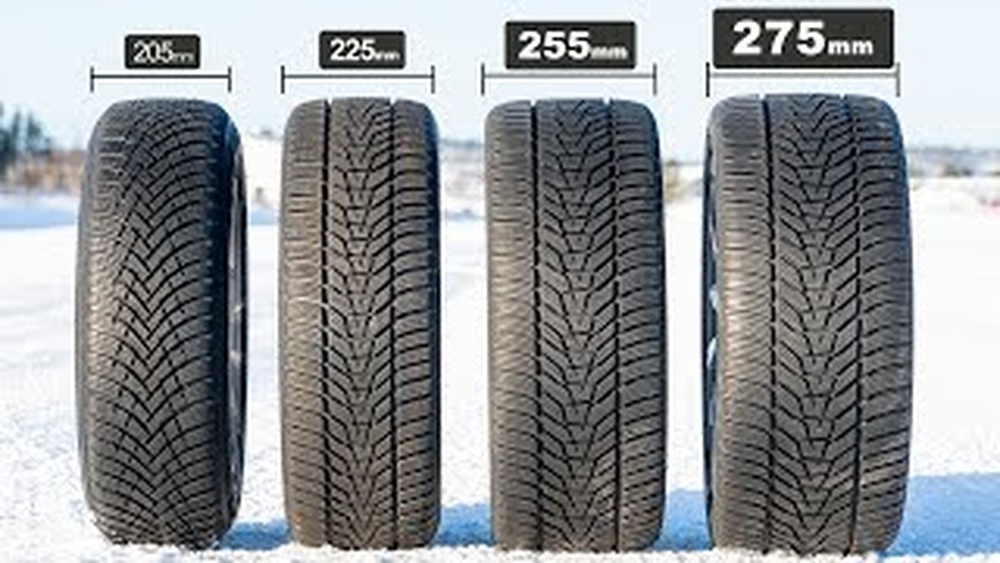
Some owners like to change tire size for style or performance. If you switch from the standard 225/60R17 to a different size, the recommended psi may change. Always ask your tire dealer or check the new tire’s specs. Usually, the psi stays close to 35, but wider tires sometimes need less.
How To Find The Correct Psi
The easiest way to find the correct psi for your 2025 Chevy Trax is:
- Look at the sticker inside the driver’s door.
- Check the owner’s manual.
- Visit the manufacturer’s website.
If you buy new tires, ask the dealer for the recommended psi. Don’t just use the number on the tire sidewall.
Tpms: Tire Pressure Monitoring System
Your Chevy Trax comes with TPMS. This system warns you when psi drops too low. But TPMS only alerts you when pressure is very far from recommended—often when it’s already unsafe. It’s smart to check manually every month.
Tips For Maintaining Correct Tire Psi
Here are some practical tips:
- Check psi when tires are cold.
- Use a reliable gauge, not just the TPMS.
- Add air slowly to avoid over-inflation.
- Check all four tires—not just one.
- Don’t forget the spare tire.
Real-world Example: 2025 Chevy Trax Owner Experience
Sarah, a Trax owner from Ohio, noticed her tire pressure dropped to 28 psi during a cold snap. Her car felt sluggish and used more gas. After refilling to 35 psi, handling improved and fuel economy went back to normal.
She now checks her tires each month, especially before big trips.
Comparing Chevy Trax Tire Psi To Other Vehicles
How does the recommended psi for the Trax compare to other compact SUVs? Here’s a quick look:
| Vehicle | Recommended PSI | Trim Level |
|---|---|---|
| Chevy Trax (2025) | 35 psi | All |
| Honda HR-V | 32 psi | Base |
| Ford EcoSport | 33 psi | SE |
| Toyota Corolla Cross | 36 psi | LE |
As you can see, the Trax sits near the middle. This shows Chevrolet’s focus on balanced performance.
What Happens If You Ignore Tire Pressure?
Ignoring tire pressure leads to:
- Faster tire wear
- Unsafe driving
- Lower fuel economy
- More risk of accidents
It’s one of the easiest things to fix, but many drivers forget. Make it a habit and your car will reward you.
Non-obvious Insights For Trax Owners
- TPMS sensors can fail—they usually last 5–7 years, but may need replacement.
- Altitude affects psi—driving in mountains can change tire pressure, so check after big changes in elevation.
- Don’t use nitrogen unless recommended—regular air works fine for most drivers, and nitrogen isn’t necessary unless you drive in extreme conditions.
Recommended Products For Checking Tire Psi
A good tire gauge costs about $10–$20 and lasts for years. Digital gauges are more accurate. Portable air compressors cost $40–$60 and work from your car’s power outlet.
Where To Learn More
For deeper information, visit the official site: NHTSA Tire Safety.

Credit: www.cioccachevroletofredlion.com
Frequently Asked Questions
What Is The Recommended Psi For The 2025 Chevy Trax Tires?
The recommended psi is 35 psi for both front and rear tires. Check the sticker inside the driver’s door or your owner’s manual to confirm.
Should I Use The Psi Listed On The Tire Or The Car?
Always use the psi listed on the driver’s door sticker or in the manual. The number on the tire sidewall is for maximum pressure, not daily use.
How Often Should I Check Tire Pressure?
Check tire pressure at least once a month and before long trips. Also check after temperature changes or carrying extra weight.
Does The Trax’s Tpms System Replace Manual Checks?
No, TPMS is a backup. It alerts you only when psi is very low. Manual checks are more accurate and should be done regularly.
What Happens If I Drive With The Wrong Tire Psi?
Driving with incorrect psi can cause fast tire wear, poor fuel economy, bad handling, and even accidents. Always keep tires at the recommended pressure.
Keeping your 2025 Chevy Trax tires at the right psi is simple but powerful. It protects your car, saves money, and keeps you safe. Make tire pressure checks part of your routine, and enjoy every drive with confidence.