Choosing between a 160 and a 180 rear tire might seem simple, but it can change the way your bike feels and performs. You want the perfect balance of grip, speed, and control, right?
Picking the wrong size could mean less traction on sharp turns or a heavier ride that slows you down. You’ll discover how these two tire sizes differ and which one suits your riding style best. Keep reading to make a choice that truly enhances your ride every time you hit the road.

Credit: www.youtube.com
Tire Size Basics
Choosing the right rear tire size affects your bike’s performance and feel. Tires come in different widths, like 160 and 180. Each size changes how your bike rides. Understanding tire size basics helps you pick the best fit. It’s not just about looks. It’s about safety, control, and comfort.
Width And Contact Patch
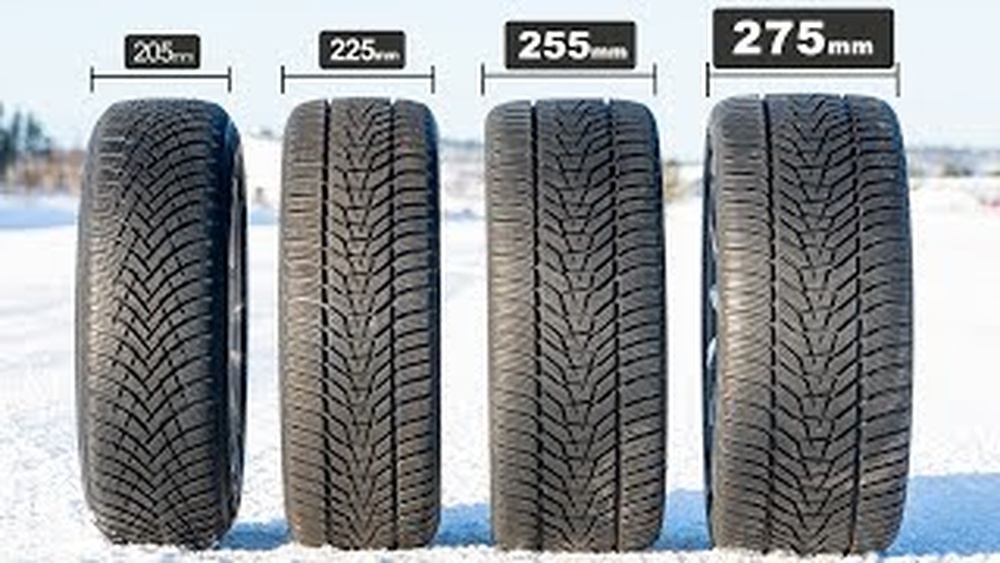
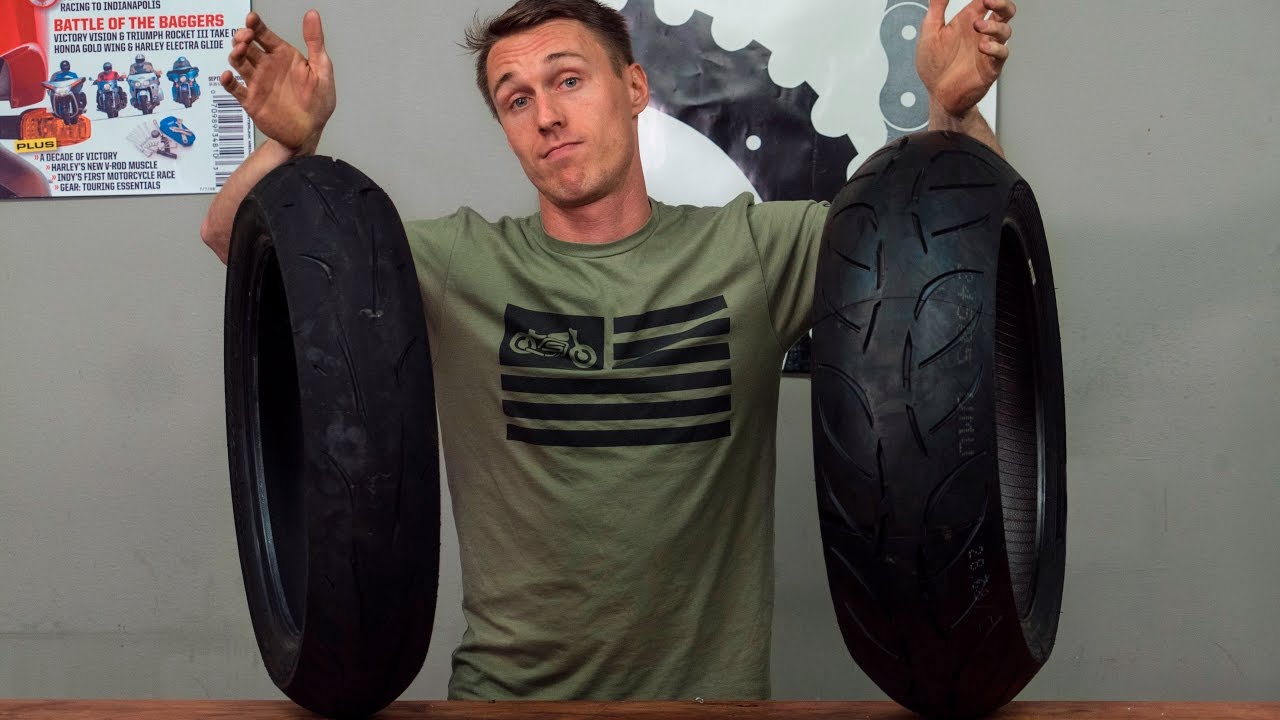
The tire width shows how wide the tire is. A 160 tire is narrower than a 180. Wider tires touch more road. This area is called the contact patch. A bigger contact patch means more grip. It helps the bike stay stable on turns. Narrow tires have less grip but are lighter. They can feel quicker and easier to handle.
Impact On Handling
Tire size changes how the bike handles. A wider tire gives more traction on corners. It can make the bike feel heavier to steer. Narrower tires let you turn faster. They feel lighter and more agile. Wider tires are better for straight roads. Narrow tires suit twisty roads better. Choose the tire size that matches your riding style.
Credit: www.youtube.com
Grip Differences
The grip of a rear tire affects how well a bike handles on the road. Choosing between a 160 and 180 rear tire changes the bike’s contact with the ground. This difference impacts safety and riding experience. Understanding grip differences helps riders pick the right tire for their needs.
Traction On Various Surfaces
A 180 rear tire has a wider surface area. This means more rubber touches the road. It offers better traction on wet or slippery surfaces. A 160 tire has less contact, so it may slip more on rough roads. Wider tires help in loose gravel and dirt by providing extra hold.
Cornering Stability
The 180 tire gives better stability in corners. It reduces the chance of sliding out. The larger contact patch supports more weight during turns. A 160 tire allows quicker lean angles but feels less stable at sharp turns. Riders who take fast corners prefer the 180 for added control.
Performance Impact
The size of the rear tire, whether 160 or 180, affects how a bike performs. These differences change how the bike feels on the road. Riders often notice changes in speed and control. Understanding these effects helps choose the right tire size for riding style and conditions.
Acceleration And Speed
A 180 rear tire offers more surface contact with the road. This extra grip can improve acceleration, especially on powerful bikes. The wider tire helps transfer engine power to the road better. On the other hand, a 160 tire is lighter and can spin faster. This can help with quicker initial speed but may lose some grip. The choice depends on whether quick starts or top speed matter more.
Braking Efficiency
A wider 180 tire increases the contact patch during braking. This means better grip and shorter stopping distances. It helps riders feel more confident while slowing down. The 160 tire has less surface area touching the road, which can mean longer braking distances. This size may feel less stable when braking hard. Braking power improves with tire size, but the bike’s weight and brake system also play key roles.
Fuel Efficiency And Weight
Choosing between a 160 and 180 rear tire affects more than just looks. Fuel efficiency and weight play key roles in this decision. These factors impact how your bike rides and how far it can go on a tank.
Effect On Mileage
A wider tire, like the 180, usually increases rolling resistance. This means the engine works harder to move the bike. This extra effort can lower your mileage slightly.
The 160 tire has less surface contact with the road. It rolls easier and uses less fuel. This can help you save on gas over time, especially on longer rides.
Weight Considerations
A 180 tire is heavier due to more rubber and larger size. This added weight affects the bike’s overall mass. Heavier tires can slow acceleration and make handling less nimble.
The lighter 160 tire reduces the bike’s weight. This helps the engine perform better and improves fuel efficiency. Lighter tires also make the bike easier to control, which is good for city and highway rides.
Suitability By Riding Style
Choosing the right rear tire size depends a lot on how you ride. Different riding styles need different tire widths. This affects grip, handling, and comfort. Understanding which tire fits your style helps you get the best performance and safety.
Sport Riding
A 180 rear tire suits sport riding well. It offers better grip on sharp turns and fast speeds. Wider tires improve stability on aggressive rides. Riders can push harder without losing control. The 180 size helps handle quick cornering and sudden moves easily.
A 160 tire works but feels less stable at high speeds. It is lighter and easier to flick in tight corners. Some riders prefer 160 for nimble handling. Still, 180 tires provide extra confidence for fast sport riding.
Commuting And Touring
For daily commuting or long touring, a 160 rear tire is often better. It offers smoother rides on city roads and highways. The smaller width reduces rolling resistance and saves fuel. It also wears evenly, lasting longer on regular use.
A 180 tire can be less comfortable for long rides. It adds weight and might feel stiff on rough roads. The wider profile may not be necessary for casual rides. A 160 tire balances comfort, efficiency, and control during long trips.
Credit: felixwong.com
Installation And Compatibility
Choosing between a 160 and 180 rear tire affects more than just looks. Installation and compatibility are key to ensure safety and performance. Each tire size fits differently on various bikes and can change how the suspension and frame work together.
Fitment On Different Bikes
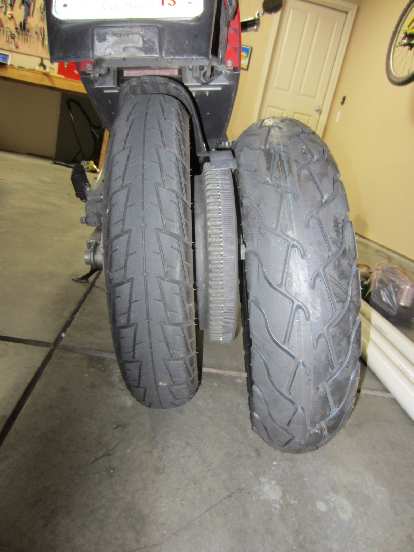
Not all bikes accept wider tires like the 180. Many sport bikes come with 160 as the standard rear tire. A 180 tire might need a wider rim or more space in the swingarm. Some bikes need minor adjustments to fit the bigger tire. Always check the bike’s manual or ask a professional before upgrading. Proper fitment avoids rubbing and tire damage.
Suspension And Frame Impact
A wider tire changes how the suspension handles bumps. The 180 tire can add weight and affect suspension travel. This may cause the frame to feel stiffer or softer depending on the setup. Suspension tuning might be necessary to balance comfort and control. The frame must have enough clearance to avoid contact with the tire during movement. Proper adjustment keeps riding smooth and safe.
Cost And Availability
Cost and availability play a big role in choosing between 160 and 180 rear tires. These factors affect your budget and how easy it is to find the right tire. Knowing the price and brand options helps you make a smart decision.
Price Differences
Generally, 180 tires cost more than 160 tires. The wider size uses more rubber and materials. This adds to the production cost. Expect to pay a bit extra for a 180 tire.
Smaller 160 tires tend to be cheaper and easier on the wallet. If you want to save money, 160 tires often fit your budget better. Prices vary by brand and tire type too.
Brand Options
Most tire brands offer both 160 and 180 rear tires. Popular brands like Michelin, Pirelli, and Bridgestone have wide selections. You will find many options in both sizes.
Availability depends on your location and store stock. Some brands focus more on 160 tires due to demand. Others specialize in performance tires and may offer more 180 options.
Check local dealers or online shops to see which brands and sizes they carry. This helps you pick the best tire for your needs and budget.
User Experiences
User experiences provide valuable insights into the differences between 160 and 180 rear tires. Riders share their feelings and observations after using each tire size. These real-life reviews help others decide which tire fits their riding style and needs better.
Rider Reviews
Many riders say the 160 tire offers quicker handling and lighter steering. It feels nimble, making it easier to maneuver in tight spaces. Some mention the 160 tire feels more responsive on city roads.
Others prefer the 180 tire for its better grip on corners. It gives a sense of stability at higher speeds. Riders report more confidence on sharp turns with the 180 size.
Common Preferences
Riders who enjoy smooth and fast rides often choose the 160 tire. It suits daily commuting and casual riding well. Meanwhile, those who ride aggressively or on twisty roads tend to pick the 180 tire.
The 180 tire is common among sportbike riders who want extra traction. Some riders like the balance of comfort and control the larger tire provides. Overall, preferences depend on riding style and road conditions.
Frequently Asked Questions
What Are The Main Differences Between 160 And 180 Rear Tires?
The 160 tire is narrower, offering quicker handling and less weight. The 180 tire is wider, providing better grip and stability but adds weight and slightly reduces agility.
How Does Tire Width Affect Motorcycle Performance?
Wider tires like 180 offer improved traction and stability, especially in corners. Narrower tires like 160 improve maneuverability and acceleration but may compromise grip on sharp turns.
Can I Replace A 160 Tire With A 180 Tire?
Yes, but check your motorcycle’s compatibility first. A 180 tire may require rim adjustments and can affect speedometer accuracy and handling characteristics.
Which Tire Size Is Better For Street Riding, 160 Or 180?
For street riding, 180 tires provide enhanced grip and comfort on various road conditions. However, 160 tires suit riders prioritizing nimble handling and quick cornering.
Conclusion
Choosing between a 160 and 180 rear tire depends on your riding style. A 160 tire offers quicker handling and better fuel efficiency. A 180 tire gives more grip and stability on rough roads. Think about the type of roads you ride most often.
Also, consider how much comfort and control you want. Both sizes have clear benefits and minor drawbacks. Your bike’s make and model also matter in this choice. Try to balance performance with safety and comfort. This way, you get the best ride experience every time.