Are you trying to choose between a 275 and a 305 tire but feeling stuck? Picking the right tire size can change how your vehicle handles, looks, and performs.
Whether you want better grip, improved fuel efficiency, or just a cooler look, understanding the real differences matters. You’ll discover what sets these two tire sizes apart and which one fits your driving style and needs best. Keep reading to make a confident choice that will boost your ride.
Tire Size Basics
Tire size plays a big role in your vehicle’s performance and safety. Understanding tire size basics helps you choose the right tires. It also ensures better handling and fitment on your vehicle.
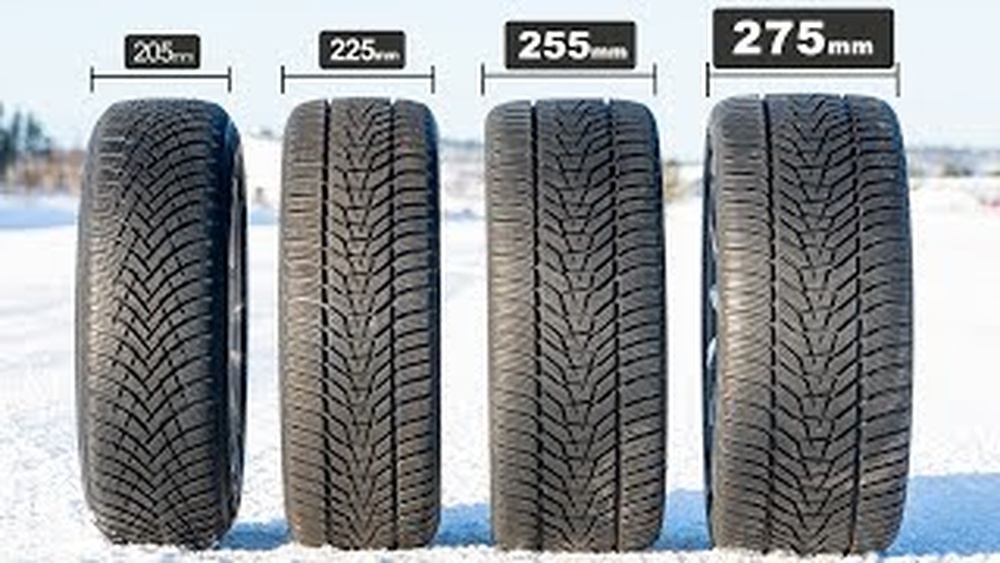
Tire sizes like 275 and 305 refer to the tire width in millimeters. These sizes affect the tire’s overall dimensions and how it fits your car or truck.
Dimensions And Measurements
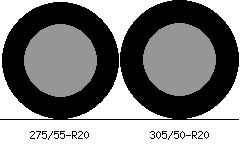
The first number in tire size shows the width of the tire from sidewall to sidewall. For example, a 275 tire is 275 millimeters wide. A 305 tire is 305 millimeters wide, making it wider than a 275.
The second number is the aspect ratio. It shows the tire’s height as a percentage of its width. The last number is the wheel diameter in inches. These numbers together determine the tire’s overall size.
Impact On Vehicle Fitment
A wider tire like 305 may not fit all vehicles without modifications. It can rub against the wheel well or suspension parts. A 275 tire is narrower and often fits more vehicles without issues.
Choosing the right tire size keeps your vehicle safe and maintains good handling. Incorrect sizes can cause problems with steering, braking, and fuel efficiency.
Performance Differences
Choosing between 275 and 305 tires affects your vehicle’s performance. The size difference changes how your car handles, accelerates, brakes, and uses fuel. Understanding these changes helps you pick the right tire for your needs.
Here are the main performance differences to consider.
Handling And Grip
305 tires have a wider surface area than 275 tires. This wider contact patch improves grip on dry roads. Better grip means the car can take corners more firmly and with less slipping. On wet or slippery roads, wider tires may struggle more to channel water away. Narrower 275 tires can perform better in rain by reducing hydroplaning risk. Overall, 305 tires offer stronger grip for dry conditions but less precise handling in wet ones.
Acceleration And Braking
Heavier 305 tires increase rolling resistance. This means the engine works harder to start moving. As a result, acceleration feels slower compared to 275 tires. Braking distances with 305 tires can be shorter due to better grip. However, the added weight may slightly delay stopping response. Lighter 275 tires allow quicker acceleration but might need more distance to stop safely. The choice depends on whether you value faster starts or stronger braking.
Fuel Efficiency
Fuel use rises with tire size and weight. 305 tires use more fuel because they create more friction and drag. The engine burns more fuel to maintain speed. Smaller 275 tires reduce rolling resistance and lower fuel consumption. For drivers wanting better mileage, 275 tires are a better option. Fuel savings add up over time, especially with frequent driving.
Durability Factors
Durability plays a key role in choosing between 275 and 305 tires. It affects how long tires last and how well they handle tough roads. Understanding durability helps pick the best tire for your needs. Below, we explore the main durability factors of these two tire sizes.
Tread Life And Wear
Tread life shows how long a tire’s rubber lasts on the road. Tires with thicker tread last longer. A 305 tire usually has a wider tread than a 275 tire. This wider tread can wear more evenly and resist damage better. Both tires can last well if maintained properly. Check tread depth often to avoid early replacement.
Resistance To Damage
Resistance to damage means how well a tire handles cuts, cracks, and potholes. The 305 tire’s larger size helps it absorb shocks better. It reduces the chance of damage on rough surfaces. The 275 tire may be less resistant due to a smaller contact patch. Strong sidewalls also matter for resisting impacts. Look for tires with reinforced sidewalls for tougher use.
Load Capacity
Load capacity is the maximum weight a tire can safely carry. The 305 tire has a higher load capacity than the 275. This makes it ideal for heavier vehicles or loads. Using tires with the right load rating improves safety and tire life. Overloading smaller tires can cause faster wear and failure. Always check the tire’s load index before buying.

Credit: www.reddit.com
Off-road Vs On-road Use
Choosing between 275 and 305 tires depends on how you use your vehicle. Off-road driving and on-road driving have different needs. Tires that work well on dirt and rocks may not perform best on highways. Understanding these differences helps pick the right tire for your driving style.
Traction On Different Surfaces
305 tires offer wider contact with the ground. This helps with grip on loose dirt, mud, and sand. They provide better stability on rough trails. 275 tires are narrower but dig deeper into hard surfaces. They work well on rocky paths and packed soil. For off-road, wider tires often mean better traction in soft areas. On paved roads, narrower tires can cut through water and provide better control.
Comfort And Noise Levels
275 tires usually create less road noise. They are lighter and offer a smoother ride on highways. 305 tires tend to be louder due to their size and tread pattern. They can cause more vibration, especially on paved roads. For everyday on-road use, smaller tires give more comfort. Off-road, rough terrain makes noise less noticeable. Comfort varies with tire width and surface type.
Cost And Availability
Cost and availability play a big role in choosing between 275 and 305 tires. Both sizes serve different needs, but their price and how easy they are to find vary. Understanding these factors helps make a smart choice for your vehicle and budget.
Price Comparison
275 tires usually cost less than 305 tires. The wider 305 tires use more rubber, raising their price. Smaller sizes like 275 are common, so their price stays moderate. Bigger tires often mean a higher price tag.
Price depends on brand and tread type as well. Sports or off-road tires tend to cost more. Always check prices at multiple stores for the best deal.
Market Availability
275 tires are widely available at most tire shops and online. Many cars and trucks use this size, making supply steady. Finding replacements or new tires is easy with 275.
305 tires appear less often. They fit large trucks and SUVs mostly. Not all shops stock 305 tires regularly. Ordering online or through specialty shops may be necessary.
Season and demand affect availability too. Some tire sizes sell out faster during busy months. Planning ahead helps avoid delays or higher costs.

Credit: www.youtube.com
Choosing The Right Tire
Choosing the right tire is important for your vehicle’s safety and performance. Different tires fit different needs. The 275 and 305 tires vary in size and function. Picking the correct one means thinking about your vehicle, driving habits, and budget.
This guide helps you decide between 275 and 305 tires. It focuses on key factors that matter most.
Vehicle Compatibility
Each vehicle has tire size limits. Check your owner’s manual or tire placard. The 275 tire fits many trucks and SUVs. The 305 tire suits larger trucks and off-road vehicles. Using the wrong size can harm handling and safety.
Driving Needs
Think about where you drive most. The 275 tire offers good balance for city and highway use. The 305 tire is wider, giving better grip on rough or muddy roads. Choose the tire that matches your road conditions and driving style.
Budget Considerations
Tire cost varies by size and brand. The 275 tire often costs less than the 305. Bigger tires may use more fuel and wear faster. Consider long-term expenses, not just the initial price. Pick a tire that fits your budget and lasts well.
Credit: www.tacomaworld.com
Frequently Asked Questions
What Are The Main Differences Between 275 Vs 305 Tires?
275 tires are narrower with less width than 305 tires. A 305 tire offers more traction and a wider footprint. The 305 tire is heavier, affecting fuel economy. Both sizes fit different vehicle types and driving needs.
Which Tire Size Offers Better Traction, 275 Or 305?
The 305 tire provides better traction due to its wider surface area. This wider contact patch improves grip on roads. However, 275 tires may perform better in certain conditions like snow or rain. Choose based on driving environment and vehicle compatibility.
How Does Tire Size Affect Fuel Economy, 275 Or 305?
A 275 tire typically offers better fuel economy than a 305 tire. The 305’s larger width increases rolling resistance and vehicle weight. This leads to higher fuel consumption. Smaller tires reduce drag, improving mileage on highways and city drives.
Are 275 And 305 Tires Interchangeable On The Same Vehicle?
275 and 305 tires are not always interchangeable due to size differences. Vehicle wheel wells and rims must support tire width. Using incorrect sizes can affect handling, safety, and speedometer accuracy. Always consult your vehicle manual or a tire expert.
Conclusion
Choosing between 275 and 305 tires depends on your driving needs. Wider tires offer better grip but may lower fuel efficiency. Narrower tires can improve mileage and handle better in tight spots. Think about your vehicle type and road conditions before deciding.
Both sizes have pros and cons to consider. Pick the tire that fits your lifestyle and driving habits best. This choice helps you get the most from your ride. Simple and smart tire selection leads to safer, smoother drives.