Choosing the right tires can make all the difference in your driving experience. If you’ve come across A/T and M/T tires, you might be wondering which one suits your needs best.
Are you looking for tires that handle both on-road comfort and off-road adventures? Or do you want maximum grip in tough, muddy terrain? Understanding the key differences between A/T (All-Terrain) and M/T (Mud-Terrain) tires will help you make a smart choice.
Keep reading to discover which tires match your driving style and how they can improve your safety and performance every time you hit the road—or trail.
Tire Basics
Tires are important for your vehicle’s safety and performance. They affect how your vehicle handles on different roads. Choosing the right tire type helps you drive better off-road or on highways. Two common tire types for trucks and SUVs are A T and M T tires.
Understanding their features and differences can guide you to pick the best option for your needs. This section explains what A T and M T tires are and how they differ.
What Are A T Tires
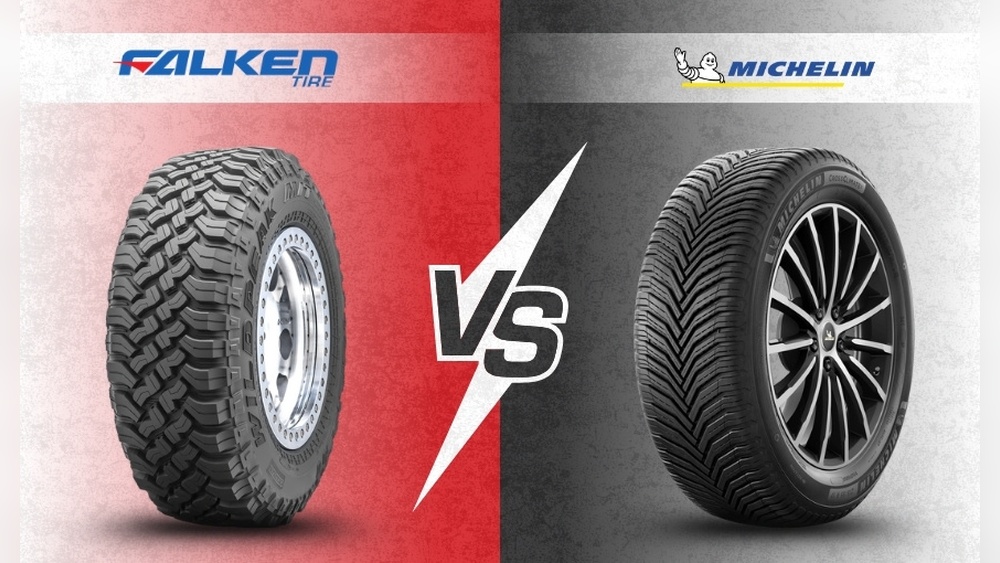
A T tires stand for All-Terrain tires. They are made for mixed driving conditions. These tires work well on highways and light off-road trails. Their tread pattern balances grip and smoothness. They provide good traction on dirt, gravel, and paved roads. A T tires suit drivers who want comfort and some off-road capability.
What Are M T Tires
M T tires mean Mud-Terrain tires. These tires are built for tough off-road use. They have deep, aggressive treads that dig into mud and loose surfaces. M T tires offer strong grip in rough conditions like mud, rocks, and sand. They are louder and less smooth on highways. M T tires fit drivers who need maximum off-road performance.
Key Differences
A T tires give better ride comfort on roads than M T tires. They are quieter and last longer on pavement. M T tires excel in extreme off-road conditions. Their tread design helps clear mud and debris faster. A T tires are more versatile for daily driving and occasional off-road use. M T tires are specialized for challenging terrain but less ideal for regular roads.
Credit: www.discounttire.com
Performance On Terrain
Performance on terrain defines how well tires handle different surfaces. It matters for safety and control. A/T (All-Terrain) and M/T (Mud-Terrain) tires have unique strengths. Each excels on certain grounds but struggles on others. Understanding their differences helps in choosing the right tire for your needs.
Mud And Dirt Handling
M/T tires shine in mud and loose dirt. Their deep, wide treads dig into soft surfaces. This provides strong traction and prevents slipping. A/T tires offer decent grip but may clog in thick mud. They work better on firm dirt roads or light off-road trails.
Rock And Gravel Grip
M/T tires have rugged tread blocks that grip rocks well. They protect against cuts and punctures on sharp surfaces. A/T tires have smaller tread gaps and offer smoother rides on gravel. They balance off-road grip with on-road comfort.
Snow And Wet Conditions
A/T tires usually perform better on wet and snowy roads. Their tread design helps channel water and slush away. M/T tires can struggle in these conditions due to their aggressive tread. They may lose traction on icy or slick surfaces.
Durability And Construction
Durability and construction are key factors that affect the performance of A T and M T tires. These elements determine how well tires handle rough terrain and how long they last. Strong construction means better protection against damage. Durable tires save money by lasting longer and needing fewer repairs.
Tread Design
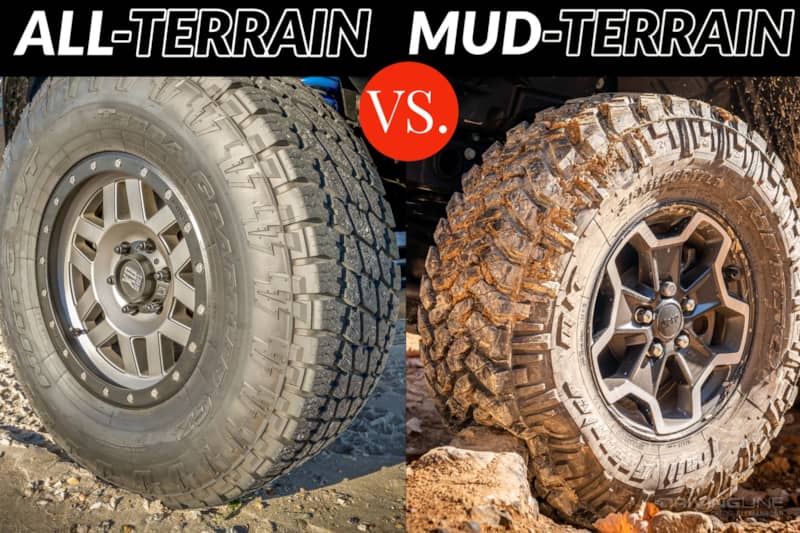
A T tires have a balanced tread pattern. Their design works well on both paved roads and off-road surfaces. The tread blocks are close together, giving smoother rides on highways.
M T tires feature large, deep tread lugs. These lugs help grip loose dirt, mud, and rocks better. The wide gaps between treads allow mud to escape, improving traction in tough conditions.
Sidewall Strength
A T tires have reinforced sidewalls but are more flexible than M T tires. This flexibility improves comfort on hard surfaces.
M T tires have thicker and stronger sidewalls. They resist cuts and punctures better. This makes them ideal for rocky and harsh trails where damage risk is high.
Wear Resistance
A T tires are made with rubber compounds that resist wear on roads. They last longer on asphalt and gravel.
M T tires use tougher rubber to handle rough terrain. They wear faster on smooth roads but last longer in mud and rocks.

Credit: www.youtube.com
Ride Comfort And Noise
Ride comfort and noise are key factors in choosing between A/T and M/T tires. These tires affect how smooth and quiet your drive feels. Comfort matters on long trips and daily drives. Noise can make driving tiring or relaxing. Understanding these differences helps pick the right tire for your needs.
On-road Driving Experience
A/T tires offer a smoother ride on paved roads. Their tread design is less aggressive, which helps in absorbing road bumps. They handle well on highways and city streets. M/T tires are made for rough terrains and off-road use. On the road, they can feel stiff and less comfortable. The ride may feel harsher, especially on smooth surfaces.
Noise Levels
A/T tires generate less road noise. Their tread pattern is designed to reduce sound. This makes them quieter at higher speeds. M/T tires have larger, deeper tread blocks. These blocks create more noise on hard surfaces. Drivers often notice a louder rumble with M/T tires. Noise can increase fatigue during long drives.
Vibration And Smoothness
A/T tires provide better vibration control. Their flexible sidewalls help smooth out small bumps. This reduces shaking inside the vehicle. M/T tires have stiff sidewalls for off-road durability. This stiffness can cause more vibration on paved roads. The ride may feel rougher and less smooth.
Fuel Efficiency Impact
Choosing between A T (All-Terrain) and M T (Mud-Terrain) tires affects fuel efficiency. Tires play a big role in how much fuel your vehicle uses. Understanding the differences helps in picking the right tires for better mileage.
Rolling Resistance
Rolling resistance is the force that tires need to keep moving. A T tires usually have lower rolling resistance. This means they use less energy to roll on roads. M T tires have higher rolling resistance because of their deep treads. The extra resistance makes the engine work harder and use more fuel.
Weight Differences
M T tires tend to be heavier than A T tires. The extra weight comes from stronger sidewalls and bigger tread blocks. Heavier tires add strain on the engine. This added effort reduces fuel efficiency. A T tires are lighter, which helps save fuel during drives.
Effect On Mileage
Vehicles with A T tires often get better gas mileage. The smooth tread and lighter weight reduce fuel use. M T tires lower mileage because of their design and weight. Using M T tires on highways can cause your fuel costs to rise. Choose tires based on your driving needs to balance performance and fuel economy.
Cost And Value
Choosing between A T (All-Terrain) and M T (Mud-Terrain) tires often depends on cost and value. Both types serve different needs but come with distinct price points and benefits. Understanding these factors helps in making a smart purchase that fits your budget and driving style.
Price Comparison
A T tires usually cost less than M T tires. They have simpler tread designs and use less rubber. M T tires are pricier due to their aggressive patterns and tougher materials. This makes M T tires better for rough, muddy terrains but also more expensive to buy.
Longevity
A T tires last longer on regular roads. Their tread wears evenly and slowly. M T tires wear faster on pavement because of their deep, chunky treads. They are designed for off-road use, not everyday driving. This means you may replace M T tires more often.
Resale And Brand Value
Both A T and M T tires hold good brand value if maintained well. A T tires have a wider market and better resale value. M T tires appeal to niche buyers who need strong off-road performance. Choosing a trusted brand adds value and trust to your purchase.
Choosing The Right Tire
Choosing the right tire is important for your vehicle’s safety and performance. Tires affect how your vehicle handles on different surfaces. Picking the best tire depends on your vehicle, driving habits, and road conditions.
Vehicle Type Considerations
Different vehicles need different tires. Light trucks and SUVs often use A T or M T tires. A T tires suit most SUVs and light trucks for mixed roads. M T tires fit heavy-duty trucks or vehicles used in rough terrain. Check your vehicle’s weight and design before choosing tires.
Driving Style
Your driving style changes the tire choice. Smooth, steady driving works well with A T tires. They give comfort and good traction on highways and dirt roads. Aggressive driving or quick turns may need M T tires. These tires offer stronger grip and durability for tough drives.
Off-road Vs Daily Use
A T tires are best for daily use and light off-road. They balance road noise and traction well. M T tires excel in off-road conditions like mud and rocks. They have deep treads for better grip but can be noisy on pavement. Choose based on how often you drive off-road.
Credit: www.drivingline.com
Frequently Asked Questions
What Are A T Tires Used For?
A T tires, or All-Terrain tires, are designed for both on-road and moderate off-road use. They provide good traction on various surfaces like dirt, gravel, and pavement. These tires balance durability, comfort, and performance for versatile driving conditions.
How Do M T Tires Differ From A T Tires?
M T tires, or Mud-Terrain tires, focus on off-road performance with aggressive tread patterns. They excel in mud, rocks, and loose terrain but are noisier and less comfortable on highways compared to A T tires. M T tires prioritize traction over smooth road handling.
Which Tire Is Better For Daily Driving?
A T tires are better suited for daily driving. They offer a smooth, quieter ride on highways and paved roads. Their tread design balances off-road capability with on-road comfort, making them ideal for drivers who occasionally venture off-road but mostly drive on pavement.
Can A T Tires Handle Mud Effectively?
A T tires can handle light to moderate mud but may struggle in deep, sticky mud. Their tread is less aggressive than M T tires, limiting traction in extreme muddy conditions. For heavy mud driving, M T tires are a better choice.
Conclusion
Choosing between A/T and M/T tires depends on your driving needs. A/T tires work well on roads and light off-road trails. M/T tires perform better on rough, muddy, or rocky surfaces. Think about where you drive most often. Consider weather and terrain too.
This helps you pick the right tire type. Proper tires improve safety and vehicle performance. Take time to decide wisely for smoother rides ahead.