Are you torn between choosing 33-inch or 35-inch tires for your vehicle? The decision might seem simple, but it can greatly impact your ride’s performance, fuel efficiency, and off-road capability.
Understanding the key differences will help you make the best choice for your needs. Keep reading to discover what each tire size offers and how it can change your driving experience for the better. Your perfect tire size is just a few minutes away!
Tire Size Basics
Tire size is a key factor in vehicle performance and safety. Choosing between 33 and 35 tires requires understanding basic tire measurements. This knowledge helps you pick the right tire for your needs.
Different tire sizes affect how your vehicle handles, rides, and looks. Knowing the basics makes it easier to compare sizes and their impact.
Decoding Tire Measurements
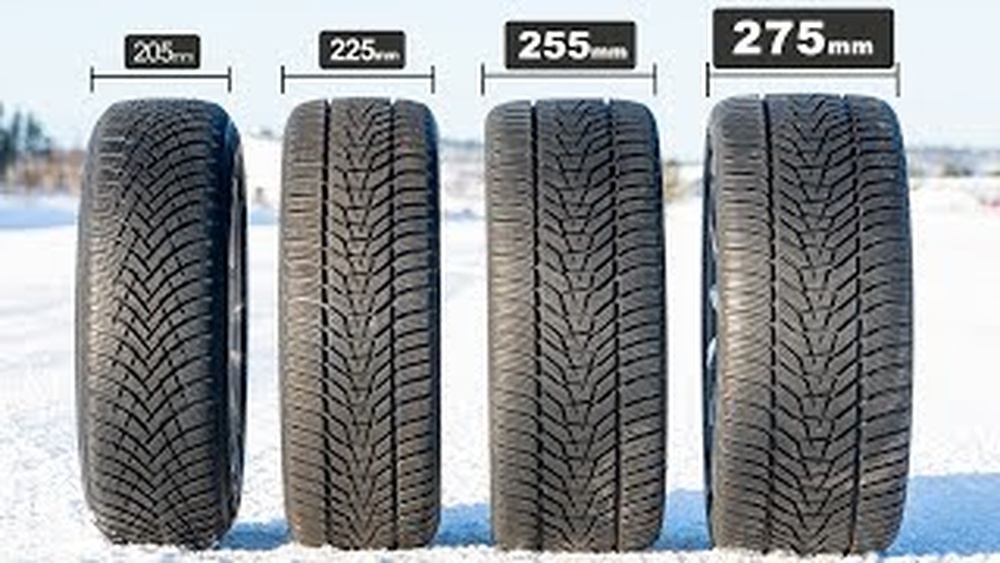
Tire sizes use a standard format, such as 33×12.50R15. The first number is the tire’s diameter in inches. The second number is the tire’s width in inches. The last number is the wheel diameter the tire fits, also in inches.
For example, a 33-inch tire is smaller in diameter than a 35-inch tire. The width also changes the tire’s footprint on the road. This footprint affects traction and grip.
Impact On Vehicle Performance
Bigger tires like 35-inch models raise the vehicle’s height. This can improve ground clearance for off-road driving. Larger tires may affect fuel efficiency by increasing rolling resistance.
Smaller tires like 33-inch versions offer better fuel economy and easier steering. They usually provide a smoother ride on paved roads. Tire size also influences speedometer accuracy and gear ratios.

Credit: www.youtube.com
33 Inch Tires
33 inch tires are a popular choice for many off-road and daily driving vehicles. They offer a good balance between size and performance. These tires provide better ground clearance without drastically changing the vehicle’s handling. Many drivers find them easy to install and maintain.
These tires work well on trucks, SUVs, and jeeps. They improve traction on rough terrain while still being suitable for city roads. Their size makes them versatile for different driving needs.
Advantages And Limitations
33 inch tires improve off-road ability by increasing ground clearance. They help avoid damage from rocks and debris. These tires also offer a smoother ride compared to larger ones. Fuel efficiency tends to be better than with bigger tires.
On the downside, 33 inch tires may not perform as well in deep mud or snow. They can limit the vehicle’s top speed slightly. Some vehicles might need minor adjustments to fit these tires properly.
Best Use Cases
33 inch tires suit drivers who want better off-road capability without losing daily comfort. They work well for light to moderate trails. Ideal for those who drive on mixed surfaces like dirt roads and highways.
They are also a good option for vehicles with limited lift or suspension upgrades. Drivers who want an easy upgrade without major changes prefer these tires. Perfect for weekend adventurers and casual off-roaders.
35 Inch Tires
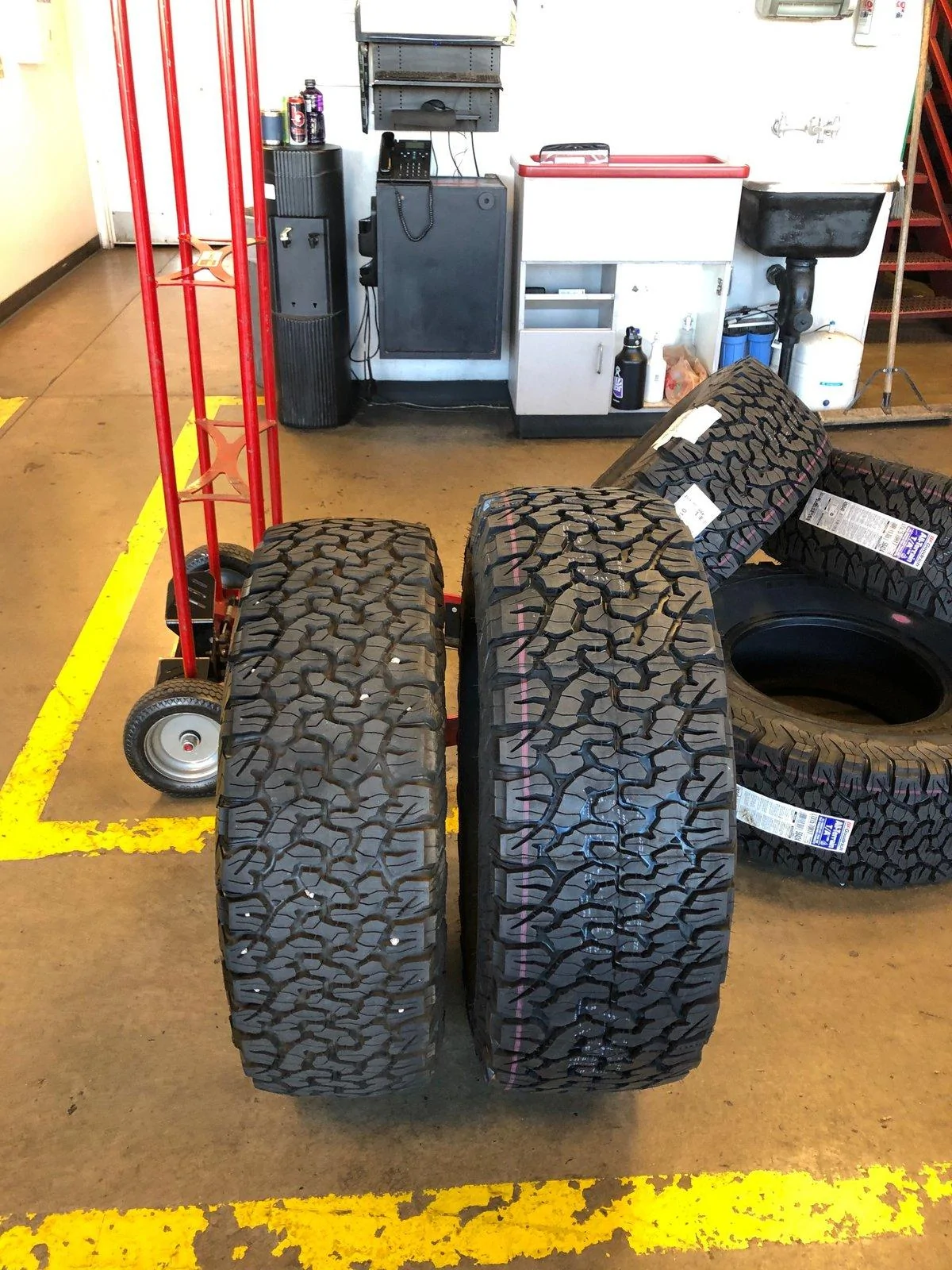
35 inch tires are popular for off-road vehicles and trucks. They offer a larger size than 33 inch tires. This size helps with better ground clearance and traction. Many drivers choose 35 inch tires to handle tough terrains with ease.
These tires provide a strong, rugged look to vehicles. They also improve the ability to move through mud, rocks, and sand. Yet, they come with some trade-offs to consider before upgrading.
Benefits And Drawbacks
35 inch tires give more height to your vehicle. This helps avoid damage from rocks and bumps. The bigger tread allows for better grip on rough surfaces. They also improve the vehicle’s off-road capability and look.
On the downside, 35 inch tires can reduce fuel efficiency. They add more weight and rolling resistance. This may cause slower acceleration and harder steering. Some vehicles need modifications to fit these larger tires. Also, they can wear out faster on paved roads.
Ideal Applications
These tires work well for off-road adventures. Drivers who explore trails, mud, and rocky paths benefit most. They suit trucks, SUVs, and jeeps designed for rough use. 35 inch tires also help in snow and deep sand conditions.
They are less ideal for city driving or highways. The bigger size may cause noise and vibration. Daily commuting or long road trips might feel less smooth. Choose 35 inch tires mainly if you need strong off-road performance.
Credit: www.jlwranglerforums.com
Comparing 33 Vs 35 Tires
Choosing between 33 and 35 tires can affect your vehicle’s performance in many ways. Both sizes have their own benefits and drawbacks. Understanding these differences helps make the right decision for your needs. Below, we compare 33 vs 35 tires in key areas like fuel efficiency, ride comfort, and off-road abilities.
Fuel Efficiency Differences
33 tires tend to use less fuel than 35 tires. The smaller size means less weight and rolling resistance. This helps the engine work easier and saves gas. On the other hand, 35 tires are heavier and wider. This can lower fuel efficiency by increasing drag and effort from the engine. Drivers who want better mileage usually choose 33 tires.
Ride Comfort And Handling
33 tires offer a smoother and more stable ride on pavement. They fit better in the wheel well, improving balance and control. These tires also respond quicker to steering inputs. In contrast, 35 tires may feel rougher on roads. Their larger size can cause more vibration and less precise handling. For daily driving, 33 tires often provide better comfort and control.
Off-road Capabilities
35 tires excel in off-road conditions. Their bigger size helps clear rocks and deep mud. They offer better traction on loose surfaces like sand and dirt. This makes 35 tires popular for serious off-roading. Meanwhile, 33 tires perform well on moderate trails. They provide good grip but may struggle in extreme terrain. Choosing 35 tires benefits those who explore tough off-road paths.
Vehicle Compatibility
Choosing between 33 and 35 tires affects how your vehicle performs and fits. Not all vehicles suit larger tires without changes. Vehicle compatibility is key to avoid problems and keep safe driving.
Suspension And Lift Considerations
33 tires usually fit vehicles with minor or no lift. They work well on trucks and SUVs with stock suspension. 35 tires often need a lift kit for enough space. Lifting raises the vehicle body to prevent tire rubbing. Without a lift, 35 tires can damage suspension parts and body panels.
Check your vehicle’s suspension limits before upgrading tire size. Some vehicles may require stronger springs or shocks. Proper suspension helps keep control and ride comfort with bigger tires.
Wheel Well Clearance
Wheel well space limits the size of tires you can use. 33 tires fit most factory wheel wells without hitting the frame. 35 tires need extra room to turn and move up and down. Tight wheel wells cause rubbing, leading to tire damage and unsafe driving.
Modifications like trimming fenders or installing wider wheel wells can create space. Measuring your wheel well clearance helps decide the right tire size. Adequate clearance ensures smooth handling and avoids costly repairs.

Credit: www.discountedwheelwarehouse.com
Cost And Maintenance
Choosing between 33 and 35 tires involves thinking about cost and maintenance. These factors affect your budget and how often you care for your tires. Understanding price differences and tire wear helps you pick the best option.
Price Comparison
33 tires generally cost less than 35 tires. The bigger size uses more material, raising the price. Also, 35 tires may need special wheels or lifts, adding to expenses. Smaller tires fit most vehicles without changes. Budget matters for most buyers.
Tire Wear And Longevity
33 tires usually last longer than 35 tires. Bigger tires face more stress and wear faster. They use more fuel, which can increase running costs. Smaller tires have less rolling resistance and wear evenly. Regular tire checks help extend tire life.
Making The Right Choice
Choosing between 33 and 35 tires affects your vehicle’s performance and comfort. It is important to pick the right size that fits your driving style and needs. This decision impacts fuel efficiency, handling, and off-road ability. Let’s explore how to make the best choice for your tires.
Assessing Your Driving Needs
Think about where you drive most often. For city roads and highways, 33 tires offer good balance. They provide better fuel economy and easier steering. For off-road adventures, 35 tires give more ground clearance. They handle rough terrain and mud better. Consider the typical terrain and weather you face. This helps decide which tire size suits you best.
Balancing Performance And Budget
33 tires usually cost less than 35 tires. They also use less fuel due to lighter weight. Bigger tires like 35s may require vehicle modifications. This can add to the total cost. Maintenance and tire replacement may cost more too. Choose a tire size that fits your budget and performance needs. This balance ensures you get value without extra expenses.
Frequently Asked Questions
What Are The Main Differences Between 33 And 35 Tires?
33 and 35 tires differ mainly in diameter and width. 35 tires are larger, offering better ground clearance and traction. However, 33 tires provide improved fuel efficiency and easier handling. Choosing depends on vehicle type and driving needs.
Can 33 Tires Fit On A Vehicle Designed For 35 Tires?
33 tires can fit on some vehicles designed for 35 tires but may cause speedometer inaccuracies. Suspension and clearance might need adjustment. Always check manufacturer specifications before downsizing tire size to avoid safety or performance issues.
How Do 33 Vs 35 Tires Affect Fuel Economy?
33 tires generally improve fuel economy compared to 35 tires. Larger 35 tires increase rolling resistance and weight, reducing miles per gallon. Smaller tires are lighter, causing less engine strain and better fuel efficiency on highways.
Are 35 Tires Better For Off-road Driving Than 33 Tires?
Yes, 35 tires offer better off-road performance. Their larger size improves traction, ground clearance, and obstacle handling. However, 33 tires are more maneuverable and suitable for moderate off-road conditions. Choice depends on terrain and vehicle capability.
Conclusion
Choosing between 33 and 35 tires depends on your needs. Smaller tires offer better fuel economy and handling. Larger tires give more ground clearance and a tougher look. Think about the roads you drive and your vehicle’s setup. Both sizes have pros and cons to consider.
Pick the tire size that fits your driving style and conditions best. This way, you get the right balance of performance and comfort.